
Author: krinoxinfotech@gmail.com

  • From Education to Employment: Skills That Become Crucial in the Modern Workplace 2026

    From Education to Employment: Skills That Become Crucial in the Modern Workplace 2026

    education to employment

    From Education to Employment: Skills That Become Crucial in the Modern Workplace

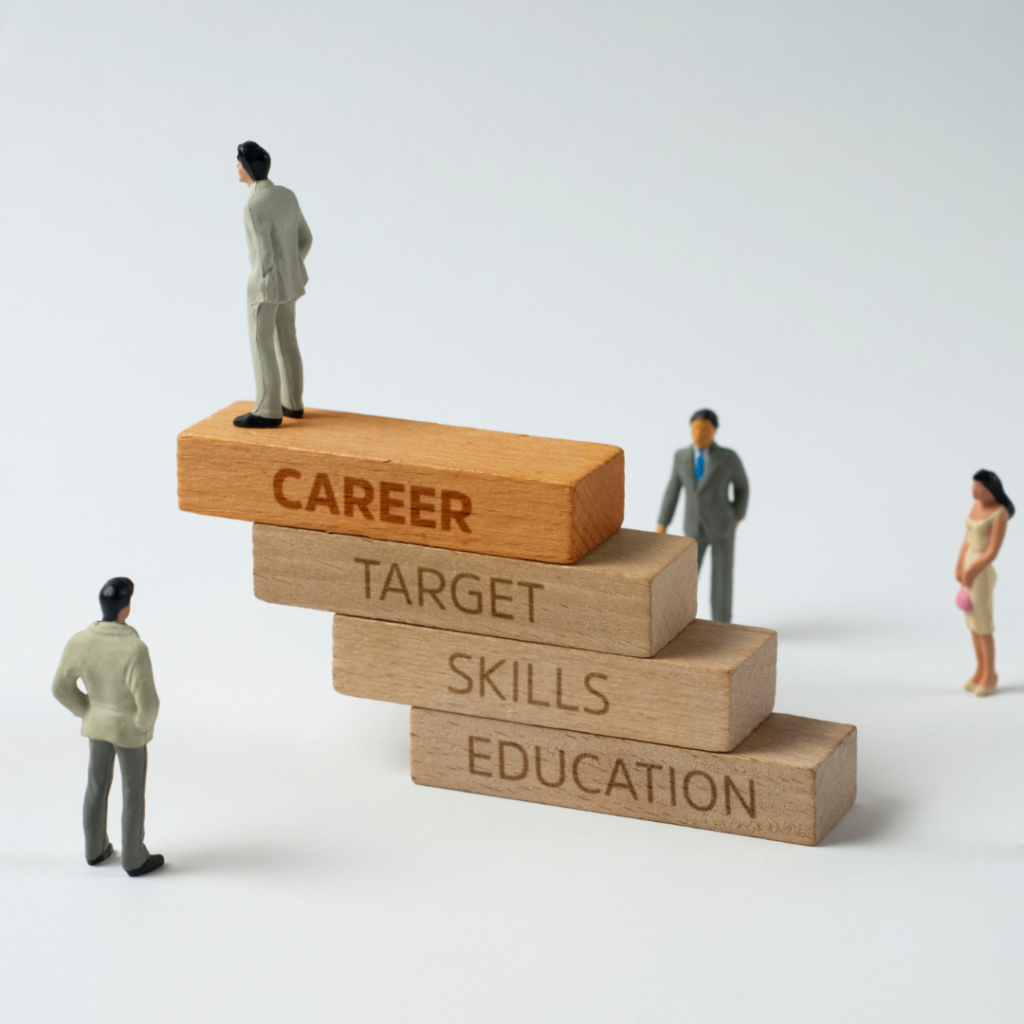
    The transition from education to employment is one of the most significant milestones in a person’s life. For years, students focus on academic achievement, examinations, assignments, and subject-specific knowledge. Graduation often feels like the final step before entering a world filled with career opportunities and professional possibilities. However, once individuals move from classrooms into workplaces, they quickly discover that success depends on far more than academic qualifications alone.

    The modern workplace is evolving rapidly. Technological innovation, changing business models, global collaboration, and increasing competition have transformed employer expectations. Organizations are no longer looking solely for candidates with strong academic backgrounds. They seek professionals who can communicate effectively, adapt to change, solve problems, collaborate with diverse teams, and contribute meaningfully from the beginning.

    This shift has made workplace skills more valuable than ever before. While education remains essential for building knowledge and technical expertise, career readiness now requires a combination of professional skills, emotional intelligence, adaptability, and practical experience. Understanding the skills that become crucial in the modern workplace can help students and graduates prepare more effectively for long-term career growth and professional success.

    The Changing Relationship Between Education and Employment

    For decades, educational qualifications were considered the primary gateway to employment. A strong degree often served as the main indicator of career potential. Today, employers continue to value education, but they increasingly recognize that academic achievement alone does not guarantee workplace performance.

    Modern organizations operate in fast-moving environments where employees must handle uncertainty, collaborate across departments, and adapt to emerging technologies. As a result, employers look beyond transcripts and certifications when evaluating candidates.

    The transition from education to employment now involves developing skills that support practical application. Graduates who combine academic knowledge with workplace competencies often adapt more successfully to professional environments and achieve stronger career outcomes.

    This evolution highlights the growing importance of career readiness and continuous professional development.

    Communication Skills as a Foundation for Success

    Among all workplace skills, communication skills remain one of the most important. Many graduates enter professional environments with strong technical knowledge but underestimate the role communication plays in career success.

    The modern workplace depends on effective communication. Employees must participate in meetings, share ideas, collaborate on projects, write professional emails, and engage with clients and stakeholders. Clear communication improves teamwork, strengthens relationships, and reduces misunderstandings.

    Professionals who communicate confidently often gain greater visibility within organizations. Their ideas are more likely to be heard, their contributions receive recognition, and they frequently earn opportunities for advancement.

    On the other hand, communication challenges can create obstacles that affect workplace productivity and professional growth. This reality makes communication skills a critical component of career readiness.

    Adaptability in a Rapidly Changing Workplace

    The modern workplace rarely remains static. Technological advancements, economic shifts, and changing customer expectations continually reshape industries. As a result, adaptability has become one of the most valuable professional skills.

    Adaptability allows employees to remain productive during periods of change. It involves learning new systems, embracing unfamiliar responsibilities, and responding positively to evolving circumstances.

    Many graduates expect workplace environments to operate according to predictable routines. Instead, they often encounter situations that require flexibility and quick decision-making. Employees who adapt effectively are more likely to thrive in dynamic environments and contribute to organizational success.

    Adaptability not only improves workplace performance but also supports long-term career growth by helping professionals remain relevant and competitive.

    education to employment

    Problem-Solving Skills Drive Workplace Value

    Academic environments often focus on identifying correct answers. Professional environments, however, frequently present complex situations where multiple solutions may be possible.

    Problem-solving skills help employees analyze challenges, evaluate options, and develop practical solutions. Organizations value professionals who can address issues proactively rather than waiting for direction.

    Employees with strong problem-solving abilities often become trusted contributors because they help improve efficiency and support organizational goals. Their ability to think critically and act decisively enhances workplace performance and strengthens professional credibility.

    Problem-solving skills are particularly important in modern workplaces where innovation and adaptability play significant roles in success.

    Emotional Intelligence Is Increasingly Important

    While technical expertise remains valuable, emotional intelligence has emerged as a key factor influencing professional success. Emotional intelligence refers to the ability to understand emotions, manage reactions, and build positive relationships with others.

    Workplaces are built on interactions between people. Employees collaborate with colleagues, managers, clients, and stakeholders on a daily basis. Emotional intelligence helps individuals navigate these relationships effectively.

    Professionals with strong emotional intelligence often demonstrate empathy, self-awareness, and effective conflict resolution skills. They communicate thoughtfully and maintain professionalism even during challenging situations.

    As organizations place greater emphasis on collaboration and workplace culture, emotional intelligence continues to grow in importance.

    Time Management and Workplace Productivity

    One of the most noticeable differences between education and employment involves how time is managed. Students often have flexibility in organizing their schedules, while workplaces operate within stricter deadlines and performance expectations.

    Time management skills allow employees to prioritize responsibilities, meet deadlines, and maintain productivity. Effective time management reduces workplace stress and helps professionals handle multiple tasks simultaneously.

    Employees who manage their time efficiently are often viewed as dependable and organized. These qualities contribute to stronger workplace performance and create opportunities for career advancement.

    As workloads become increasingly complex, time management remains an essential skill for achieving long-term professional success.

    Collaboration in Diverse Work Environments

    Modern organizations rely heavily on teamwork. Employees frequently work with individuals from different backgrounds, cultures, and areas of expertise. As a result, collaboration has become a critical workplace skill.

    Successful collaboration requires communication, respect, adaptability, and a willingness to contribute toward shared goals. Professionals who collaborate effectively help create productive and supportive work environments.

    Graduates sometimes underestimate the importance of teamwork because academic achievements are often measured individually. However, workplace success frequently depends on collective effort.

    Collaboration enhances productivity, encourages innovation, and strengthens organizational performance. It also contributes significantly to professional development and career growth.

    Digital Literacy in the Modern Workforce

    Technology plays a central role in nearly every industry. As businesses continue to adopt digital tools and automated systems, digital literacy has become essential for career readiness.

    Digital literacy extends beyond basic computer knowledge. It includes understanding workplace software, communication platforms, data analysis tools, and emerging technologies.

    Employees who embrace technology often adapt more easily to workplace changes and remain competitive in evolving industries. Those who resist technological development may encounter challenges that limit career opportunities.

    Developing digital literacy supports employability and prepares professionals for the demands of the modern workplace.
    education to employment

    Leadership Skills Begin Early

    Many people associate leadership skills with senior positions. However, leadership begins long before individuals become managers or executives.

    Leadership involves taking initiative, accepting responsibility, supporting colleagues, and contributing positively to organizational objectives. Employees who demonstrate leadership qualities often earn trust and recognition.

    Organizations value professionals who can motivate others, solve problems, and maintain a positive attitude during challenges. Leadership skills contribute to career advancement because they indicate readiness for greater responsibility.

    Developing leadership abilities early helps professionals prepare for future growth opportunities and long-term success.

    Continuous Learning Supports Career Growth

    The journey from education to employment does not mark the end of learning. In fact, professional success increasingly depends on continuous learning and skill development.

    Industries evolve rapidly, creating demand for new knowledge and competencies. Employees who commit to lifelong learning remain adaptable and better prepared for future opportunities.

    Continuous learning can involve professional certifications, training programs, workshops, mentorship, and workplace experiences. Each opportunity contributes to stronger expertise and greater confidence.

    Professionals who prioritize learning often experience stronger career growth because they remain relevant in changing environments.

    Resilience Helps Professionals Navigate Challenges

    Every career includes setbacks, uncertainty, and unexpected obstacles. Resilience helps individuals maintain motivation and continue progressing despite difficulties.

    Professionals with resilience view challenges as opportunities for growth rather than reasons to give up. They learn from experiences and adapt their strategies when circumstances change.

    This mindset supports career readiness because it encourages persistence and continuous improvement. Employers value resilient employees because they remain productive during demanding situations.

    Resilience contributes not only to workplace success but also to long-term professional development and personal growth.

    Why Career Readiness Requires More Than Qualifications

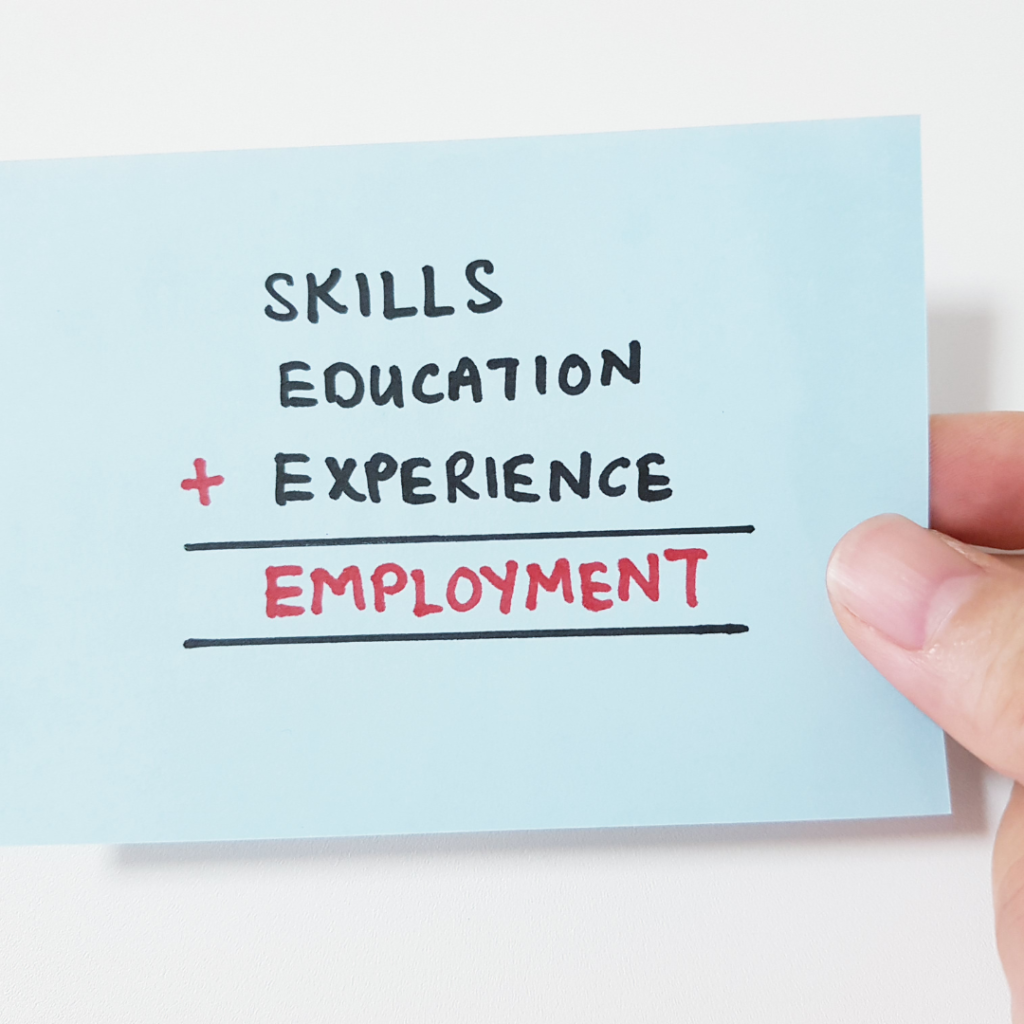
    One of the most important lessons graduates learn after entering the workforce is that qualifications alone are not enough. Academic knowledge provides a strong foundation, but workplace success depends on how effectively individuals apply that knowledge.

    Career readiness involves communication skills, adaptability, problem-solving abilities, emotional intelligence, collaboration, leadership, and continuous learning. These professional skills help employees navigate workplace demands and contribute meaningfully to organizational success.

    The most successful professionals understand that career growth requires both technical expertise and strong workplace competencies. By developing these skills early, individuals position themselves for greater opportunities and sustainable professional success.

    Conclusion

    The transition from education to employment involves much more than securing a job. It represents the beginning of a professional journey where workplace skills become increasingly important. While academic achievement remains valuable, modern organizations seek individuals who can communicate effectively, adapt to change, collaborate with others, and solve real-world problems.

    Career readiness is built through a combination of education, professional development, and continuous learning. Communication skills, adaptability, leadership skills, digital literacy, emotional intelligence, and resilience all contribute to workplace success and long-term career growth.

    As the modern workplace continues to evolve, professionals who invest in these crucial skills will be better prepared to navigate challenges, seize opportunities, and achieve meaningful career success. The path from education to employment is not simply about applying knowledge—it is about developing the capabilities that transform knowledge into lasting professional achievement.

    You May Also Read

  • Why Practical Experience Is Emerging Powerful Learning Path for Career Success 2026

    Why Practical Experience Is Emerging Powerful Learning Path for Career Success 2026

    Practical Experience Is Emerging Powerful Learning

    Why Practical Experience Is Emerging Powerful Learning Path

    The way people learn is evolving rapidly. For decades, traditional education has served as the primary route to acquiring knowledge and preparing for future careers. Classrooms, textbooks, lectures, and examinations have played an important role in shaping academic understanding and professional foundations. While these methods continue to hold value, a growing shift is taking place across industries and educational environments. Practical experience is increasingly being recognized as one of the most effective and powerful learning paths for developing real-world skills and achieving career success.

    Today’s employers are looking for more than academic qualifications. They seek individuals who can apply knowledge, solve problems, adapt to changing situations, and contribute immediately in professional settings. As a result, practical experience has become a crucial component of career readiness and professional development. Whether gained through internships, workplace training, apprenticeships, freelance projects, volunteering, or hands-on learning opportunities, practical experience provides lessons that cannot always be learned through theory alone.

    The growing importance of practical experience reflects a broader understanding of how people learn best. Real-world exposure helps individuals transform information into action, build confidence, and develop workplace skills that support long-term career growth. Understanding why practical experience is emerging as a powerful learning path can help students, graduates, and professionals make better decisions about their education and career development.

    The Shift From Passive Learning to Active Learning

    Traditional education often focuses on absorbing information. Students attend lectures, read materials, and demonstrate understanding through tests and assignments. While this approach builds theoretical knowledge, it does not always prepare individuals for the complexity of real-world challenges.

    Practical experience introduces active learning. Instead of simply studying concepts, learners engage directly with tasks, situations, and responsibilities. They gain insights by doing rather than observing.

    Active learning encourages deeper understanding because individuals experience how theories function in real environments. Challenges become opportunities to apply knowledge, refine skills, and discover solutions. This process strengthens learning retention and creates more meaningful educational outcomes.

    As organizations continue to prioritize adaptability and workplace performance, active learning through practical experience is becoming increasingly valuable.

    Why Employers Value Practical Experience

    One reason practical experience is gaining attention is the changing expectations of employers. Businesses operate in competitive environments where productivity, efficiency, and innovation matter. Organizations often prefer candidates who can contribute quickly without requiring extensive onboarding.

    Practical experience provides evidence that an individual can function effectively in professional settings. It demonstrates exposure to workplace expectations, communication standards, teamwork, and problem-solving situations.

    Employers frequently view practical experience as a sign of initiative and preparedness. Candidates who have participated in internships, industry projects, or workplace learning opportunities often stand out because they have already developed relevant skills.

    This preference does not diminish the importance of academic knowledge. Instead, it highlights the value of combining education with practical application.

    Learning Through Real-World Challenges

    One of the most powerful aspects of practical experience is exposure to real-world challenges. Unlike academic exercises, professional situations rarely have perfect answers or predictable outcomes.

    Individuals encounter deadlines, client expectations, changing priorities, and unexpected obstacles. These experiences encourage critical thinking, creativity, and resilience.

    Learning through challenges often produces stronger skill development because individuals must adapt and make decisions in dynamic environments. Mistakes become valuable learning opportunities that contribute to growth and improvement.

    The lessons gained through direct experience frequently remain memorable because they are connected to real situations rather than theoretical examples.

    Practical Experience Is Emerging Powerful Learning

    Practical Experience Builds Career Readiness

    Career readiness has become one of the most important goals for students and job seekers. Employers increasingly seek candidates who can transition smoothly into professional roles and contribute effectively from the beginning.

    Practical experience plays a significant role in developing career readiness. It helps individuals understand workplace culture, professional expectations, and organizational processes.

    Students who participate in internships or workplace training often gain confidence because they become familiar with professional environments before beginning full-time employment. This familiarity reduces uncertainty and strengthens workplace adaptability.

    Career readiness improves when individuals can connect academic learning with practical application. Practical experience serves as the bridge that links education to employment.

    Developing Workplace Skills Beyond the Classroom

    Educational institutions provide valuable subject knowledge, but many workplace skills are developed most effectively through experience. Communication, collaboration, leadership, time management, and problem-solving often improve through direct practice.

    Practical experience creates opportunities to interact with colleagues, clients, supervisors, and stakeholders. These interactions strengthen interpersonal abilities and help individuals learn how to navigate professional relationships.

    Workplace skills are often difficult to master through theory alone. Real-world situations require individuals to respond to challenges, manage responsibilities, and communicate effectively under varying circumstances.

    As these experiences accumulate, professionals become more capable, confident, and adaptable in workplace environments.

    Confidence Grows Through Action

    Confidence is a critical factor in both personal and professional success. However, confidence is rarely built through observation alone. It develops through action, achievement, and experience.

    Practical experience allows individuals to test their abilities in real situations. Each completed project, solved problem, and successful interaction reinforces self-belief.

    Students and graduates often feel uncertain about entering the workforce because they lack practical exposure. Hands-on learning opportunities reduce this uncertainty by providing evidence of capability.

    As confidence grows, individuals become more willing to pursue opportunities, share ideas, and accept greater responsibilities. This progression contributes significantly to career growth and professional development.

    Bridging the Gap Between Education and Employment

    One of the most common concerns among graduates is the gap between academic learning and workplace expectations. Many individuals discover that professional environments require skills and knowledge not fully covered in traditional coursework.

    Practical experience helps close this gap. It provides context for academic concepts and demonstrates how knowledge is applied in professional settings.

    Through internships, apprenticeships, and experiential learning programs, students gain exposure to industry practices and workplace realities. This exposure helps them develop realistic expectations and stronger employability skills.

    Bridging the gap between education and employment improves job readiness and enhances long-term career prospects.

    Adaptability Through Hands-On Learning

    Modern industries are constantly evolving. Technological advancements, market shifts, and changing consumer expectations require professionals to remain adaptable.

    Practical experience supports adaptability by exposing individuals to diverse situations and challenges. Learners develop the ability to adjust quickly, think critically, and remain productive during periods of change.

    Adaptability is increasingly recognized as one of the most important workforce skills. Professionals who can learn, evolve, and respond effectively to new circumstances often achieve stronger career outcomes.

    Hands-on learning provides an ideal environment for developing this capability because it encourages flexibility and continuous improvement.

    Practical Experience Is Emerging Powerful Learning

    Practical Experience Encourages Lifelong Learning

    Another reason practical experience is emerging as a powerful learning path is its connection to lifelong learning. Individuals who engage in experiential learning often become more curious and proactive about professional development.

    Practical situations reveal knowledge gaps and inspire further learning. Rather than viewing education as something that ends after graduation, individuals begin seeing learning as an ongoing process.

    This mindset supports career growth because industries continue to evolve throughout a professional lifetime. Continuous learning helps individuals remain relevant, competitive, and prepared for future opportunities.

    Practical experience reinforces the idea that learning and growth are continuous rather than temporary.

    The Impact on Career Advancement

    Career advancement often depends on a combination of knowledge, performance, and experience. While academic qualifications may help secure opportunities, practical experience frequently influences long-term progression.

    Professionals who possess hands-on experience often demonstrate stronger decision-making abilities and greater workplace confidence. They understand how to apply knowledge effectively and contribute value to organizations.

    Managers frequently recognize employees who can solve problems, collaborate effectively, and adapt to changing circumstances. These qualities are often developed through practical experience.

    As a result, individuals with strong experiential learning backgrounds may find themselves better positioned for promotions, leadership opportunities, and professional growth.

    Why Practical Experience Complements Academic Knowledge

    The growing popularity of practical experience does not suggest that traditional education is losing relevance. Instead, it highlights the importance of combining theory and application.

    Academic knowledge provides the intellectual framework necessary for understanding concepts and principles. Practical experience transforms that knowledge into actionable skills.

    When education and experience work together, individuals develop a more complete understanding of their chosen fields. They become capable of analyzing information while also applying it effectively in professional environments.

    This balanced approach creates stronger professionals who are prepared to navigate both current challenges and future opportunities.

    Conclusion

    Practical experience is emerging as a powerful learning path because it provides something that traditional education alone cannot always offer: direct exposure to real-world situations. Through hands-on learning, internships, workplace training, and experiential opportunities, individuals gain valuable workplace skills, career readiness, confidence, and adaptability.

    As employers continue to prioritize practical capabilities alongside academic achievement, the importance of practical experience will likely continue to grow. It strengthens professional development, improves employability, and helps individuals bridge the gap between education and employment.

    In a rapidly changing world, learning through experience has become more than an educational trend. It is a powerful pathway to career success, professional growth, and long-term achievement. By combining academic knowledge with practical experience, individuals can build stronger foundations for meaningful careers and lifelong learning.

    You May Also Read

  • How Steady Effort Drives Success in Education and Professional Life 2026

    How Steady Effort Drives Success in Education and Professional Life 2026

    Steady Effort Drives Success in Education and Professional Life

    How Steady Effort Drives Success in Education and Professional Life

    In a world that often celebrates overnight success stories and rapid achievements, the importance of steady effort is sometimes overlooked. Social media, headlines, and popular narratives frequently highlight extraordinary accomplishments while ignoring the years of dedication, discipline, and persistence that made those achievements possible. Whether in education or professional life, genuine success rarely emerges from a single breakthrough. Instead, it is usually the result of consistent effort applied over time.

    Steady effort is one of the most powerful drivers of academic success, career growth, and personal development. It allows individuals to make continuous progress even when immediate results are not visible. Students who maintain productive learning habits often achieve stronger educational outcomes, while professionals who consistently improve their skills position themselves for long-term career advancement.

    The relationship between steady effort and success is evident across industries, educational institutions, and professional environments. Individuals who remain committed to improvement despite obstacles often outperform those who rely solely on talent or temporary motivation. Understanding how steady effort drives success in education and professional life can help people build habits that support meaningful achievements throughout their lives.

    Why Consistency Matters More Than Occasional Excellence

    Many people believe that extraordinary success requires extraordinary actions. While exceptional moments can certainly contribute to progress, consistency often plays a far greater role. Small actions repeated regularly create momentum that gradually leads to significant results.

    In education, students who study consistently throughout the semester frequently perform better than those who depend on last-minute preparation. The same principle applies in professional life. Employees who contribute reliable effort every day often gain more recognition and opportunities than those who deliver strong results only occasionally.

    Consistency creates trust. Teachers, employers, colleagues, and managers value individuals who can maintain quality performance over time. This reliability becomes a powerful asset that supports academic achievement and professional growth.

    Steady effort transforms ambitious goals into manageable actions. Rather than relying on bursts of energy, successful individuals develop routines that allow progress to continue even during challenging periods.

    The Foundation of Academic Success

    Academic success is often associated with intelligence, but effort plays an equally important role. Students who dedicate time to learning, completing assignments, and improving their understanding often outperform peers who possess natural ability but lack discipline.

    Steady effort helps students absorb information more effectively. Learning becomes stronger when knowledge is reinforced through regular practice and consistent engagement. This approach reduces the pressure associated with examinations and creates a deeper understanding of academic subjects.

    Educational achievement is rarely determined by a single test or project. Instead, it reflects cumulative progress developed through continuous effort. Students who remain committed to their studies often build stronger foundations for future learning and career readiness.

    The habits developed during education frequently influence professional behavior later in life, making steady effort an investment in long-term success.

    Developing Productive Learning Habits

    Learning habits shape educational outcomes more than many students realize. Productive habits such as attending classes regularly, reviewing material consistently, and managing time effectively contribute significantly to academic performance.

    Steady effort encourages the development of these habits by emphasizing progress over perfection. Students learn that meaningful improvement occurs through repeated practice rather than occasional intense effort.

    When productive habits become part of daily routines, learning feels less overwhelming. Students gain greater confidence because they understand that success is built gradually rather than achieved instantly.

    This mindset reduces frustration and supports continuous academic growth, even when subjects become increasingly challenging.

    Steady Effort Drives Success in Education and Professional Life

    Building Resilience Through Persistent Effort

    Every educational and professional journey includes setbacks. Examinations may not go as planned, projects may encounter difficulties, and career opportunities may take longer to achieve than expected. During these moments, resilience becomes essential.

    Steady effort helps individuals develop resilience because it encourages persistence despite obstacles. Instead of viewing challenges as permanent barriers, they learn to see them as temporary situations that can be overcome through continued action.

    Students who maintain effort after disappointing results often discover new strategies for improvement. Professionals who remain committed during difficult periods frequently emerge with stronger skills and greater confidence.

    Resilience built through steady effort becomes a valuable advantage that supports long-term achievement in both education and professional life.

    How Steady Effort Strengthens Career Readiness

    Career readiness involves more than academic qualifications. Employers increasingly seek candidates who demonstrate responsibility, discipline, adaptability, and a strong work ethic.

    Steady effort helps individuals develop these qualities long before they enter the workforce. Students who consistently manage responsibilities and pursue improvement often transition more smoothly into professional environments.

    Workplaces value employees who can maintain productivity and contribute reliably to organizational goals. Individuals who have developed steady work habits during their education are often better prepared to meet these expectations.

    Career readiness is strengthened when consistent effort becomes a natural part of daily behavior. This preparation can significantly improve job prospects and future growth opportunities.

    Professional Growth Requires Continuous Improvement

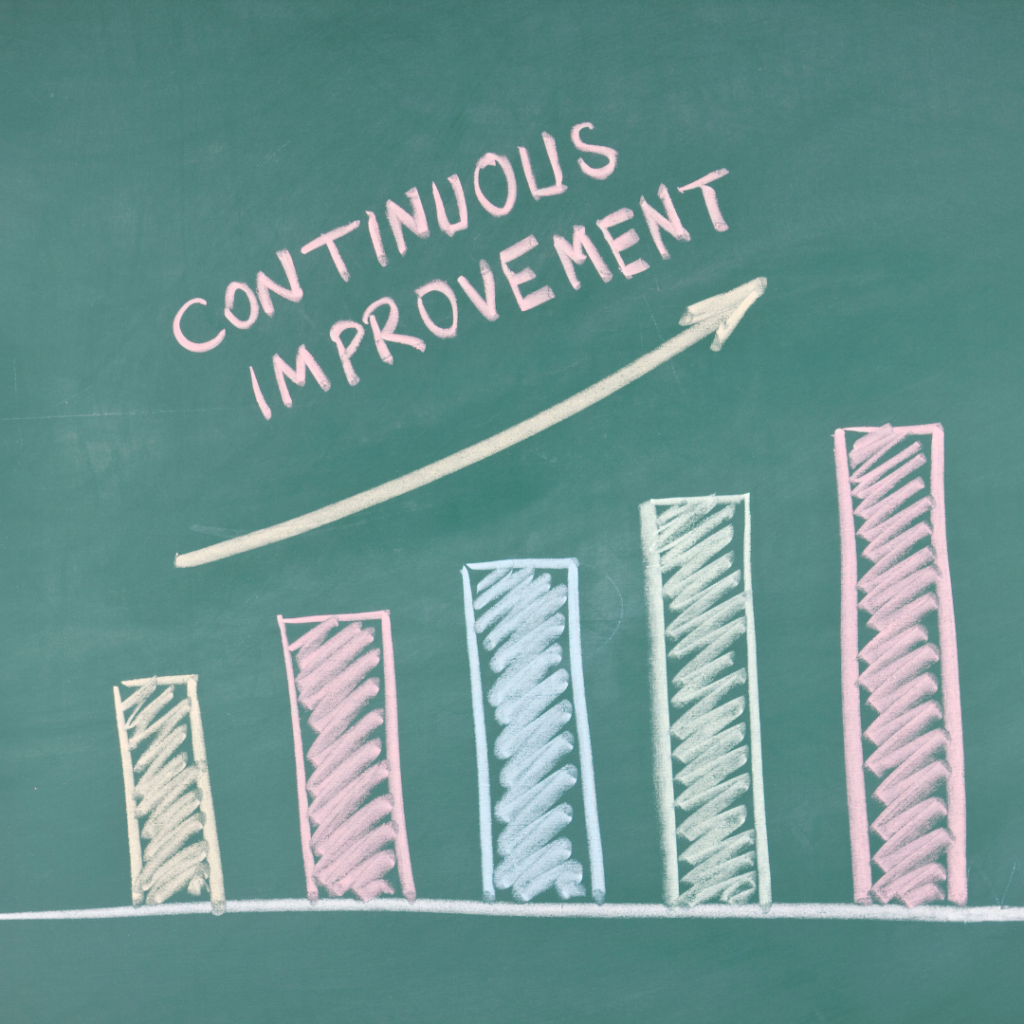
    Professional success is not a destination but an ongoing process. Industries evolve, technologies change, and workplace expectations continue to develop. Professionals who embrace continuous improvement often remain competitive and adaptable throughout their careers.

    Steady effort plays a critical role in professional development because it supports lifelong learning. Employees who dedicate time to acquiring new skills, expanding knowledge, and improving performance frequently experience greater career growth.

    Small improvements accumulated over months and years can produce remarkable outcomes. What appears to be a minor daily effort often becomes a significant competitive advantage over time.

    Continuous improvement driven by steady effort creates opportunities for promotions, leadership positions, and increased professional recognition.

    The Role of Discipline in Long-Term Success

    Motivation can be powerful, but it is often temporary. Discipline provides the structure necessary to maintain progress when enthusiasm fades. Steady effort depends on discipline because meaningful achievements require consistent action over extended periods.

    Students and professionals who rely exclusively on motivation may struggle during challenging times. Those who develop disciplined habits are more likely to continue moving forward regardless of circumstances.

    Discipline encourages accountability and helps individuals remain focused on their goals. It reduces the influence of distractions and supports productive decision-making.

    Long-term success frequently belongs to individuals who prioritize disciplined effort rather than waiting for ideal conditions or inspiration.

    Steady Effort Drives Success in Education and Professional Life

    Why Employers Appreciate Consistent Performers

    Organizations depend on employees who can deliver dependable results. While talent and creativity are valuable, reliability often determines long-term professional success.

    Employers appreciate consistent performers because they reduce uncertainty and contribute positively to workplace productivity. Employees who demonstrate steady effort are often trusted with important responsibilities and career advancement opportunities.

    This trust develops gradually through repeated actions. Completing tasks on time, maintaining quality standards, and contributing constructively to team goals all reflect steady effort.

    As professional reputations grow, new opportunities often emerge. Career advancement frequently begins with a pattern of reliable performance rather than a single outstanding achievement.

    Small Progress Creates Significant Outcomes

    One of the most encouraging aspects of steady effort is that meaningful results often begin with small actions. Students do not need to master every subject overnight, and professionals do not need immediate expertise in every area.

    Progress occurs through incremental improvement. Reading a few pages each day, practicing a skill consistently, or dedicating time to learning new concepts can eventually produce substantial growth.

    This perspective makes ambitious goals more achievable because it focuses attention on manageable steps rather than overwhelming outcomes.

    Over time, small actions accumulate and create significant educational and professional achievements. What initially appears insignificant often becomes the foundation of extraordinary success.

    Avoiding the Pitfalls of Short-Term Thinking

    Modern culture often encourages immediate results. This mindset can create frustration when progress takes longer than expected. Students may become discouraged if grades do not improve instantly, while professionals may feel disappointed when promotions do not occur quickly.

    Steady effort encourages a long-term perspective. It emphasizes the value of patience, persistence, and gradual growth. Individuals who adopt this mindset are more likely to remain committed during challenging periods.

    Short-term thinking can lead to impulsive decisions and abandoned goals. In contrast, steady effort supports sustainable progress and meaningful achievement.

    Success in education and professional life often requires a willingness to trust the process and continue moving forward even when results are not immediately visible.

    Creating a Growth-Oriented Mindset

    A growth mindset is the belief that abilities can be developed through effort, learning, and persistence. This perspective aligns closely with the principles of steady effort.

    Students and professionals who embrace a growth mindset are more likely to view challenges as opportunities for improvement rather than evidence of limitation. They understand that progress requires time and dedication.

    Steady effort reinforces this belief by providing consistent evidence that improvement is possible. Each accomplishment, no matter how small, strengthens confidence and encourages further development.

    This mindset creates a positive cycle of learning, achievement, and growth that supports long-term success.

    Conclusion

    Steady effort remains one of the most reliable pathways to success in education and professional life. While talent, opportunity, and intelligence contribute to achievement, consistent action often determines how effectively those advantages are utilized. Students who embrace productive habits, maintain discipline, and pursue continuous improvement build strong foundations for future success.

    In professional environments, steady effort supports career readiness, workplace productivity, and long-term career growth. It strengthens resilience, encourages learning, and creates the reliability that employers value. Most importantly, it transforms ambitious goals into achievable outcomes through daily progress.

    True success is rarely the result of a single remarkable moment. It is built through countless small actions performed consistently over time. By embracing steady effort, individuals position themselves for educational achievement, professional advancement, and lasting personal growth. The journey may not always be easy, but the rewards of persistence and dedication often extend far beyond what immediate results can provide.

    You May Also Read

  • Why Future Workers Will Need Multiple Career Paths for Long-Term Success

    Why Future Workers Will Need Multiple Career Paths for Long-Term Success

    why future workers will need multiple career paths

    Why Future Workers Will Need Multiple Career Paths

    The idea of spending an entire working life in a single profession is gradually becoming less common. For decades, many people followed a predictable route: complete an education, secure a job, climb the career ladder, and remain in the same field until retirement. However, the modern world is evolving at an extraordinary pace. Technological breakthroughs, shifting economic conditions, changing workplace expectations, and emerging industries are transforming how careers develop.

    As a result, future workers are likely to experience professional journeys that are far more flexible and diverse than those of previous generations. Instead of relying on one career path throughout life, individuals may move between industries, develop expertise in multiple disciplines, and create new opportunities by combining different skills. This shift is redefining what career success looks like in the twenty-first century.

    Understanding why future workers will need multiple career paths is becoming increasingly important for students, graduates, professionals, and employers alike. The future of work will reward adaptability, continuous learning, and the ability to navigate change confidently. Those who embrace this reality may discover greater career resilience and broader opportunities, while those who resist change could face increasing challenges in a rapidly evolving employment landscape.

    The Traditional Career Model Is No Longer the Standard

    For many years, professional success was associated with stability and specialization. Employees often remained within a single industry or organization for decades. Career progression typically followed a predictable structure, with promotions and responsibilities increasing over time.

    Today’s workforce tells a different story. Economic shifts, digital transformation, globalization, and technological innovation have changed how organizations operate. Entire industries are being reshaped, and new sectors continue to emerge.

    Many professionals now switch roles multiple times during their careers. Some move between industries, while others create entirely new career identities by combining expertise from different fields. This trend reflects the growing importance of career flexibility and professional adaptability.

    The traditional model has not disappeared entirely, but it is no longer the only pathway to success. Future careers are becoming more dynamic, creating a greater need for multiple career options throughout a person’s working life.

    Technology Is Accelerating Career Change

    One of the biggest drivers behind multiple career paths is technology. Artificial intelligence, automation, machine learning, cloud computing, robotics, and digital platforms continue transforming the workplace at an unprecedented rate.

    Some job functions are becoming automated, while new opportunities are emerging in areas that barely existed a decade ago. Roles related to data science, cybersecurity, artificial intelligence, digital marketing, sustainability, and advanced technology continue expanding.

    This rapid evolution creates both possibilities and uncertainties. Workers who rely on a single skill set may encounter difficulties if industry demands change. In contrast, professionals with diverse skills and multiple career options are often better equipped to adapt.

    Technology is not simply replacing jobs; it is reshaping them. Future workers will increasingly need to learn new skills, explore new industries, and remain open to different career directions throughout their lives.

    Why Skill Diversification Matters

    One of the strongest reasons future workers will need multiple career paths is the growing value of skill diversification. Employers increasingly seek individuals who can contribute in various ways rather than focusing on one narrow specialty.

    A professional who understands technology, communication, project management, and problem-solving may have access to a wider range of opportunities than someone with expertise in only one area.

    Skill diversification creates flexibility. It allows individuals to transition more easily between industries and adapt to changing workforce demands. It also reduces dependence on a single career path, which can improve long-term professional stability.

    The future workforce is likely to reward individuals who continuously expand their capabilities and combine knowledge from different disciplines. These versatile professionals often become valuable contributors because they can connect ideas, solve complex challenges, and navigate diverse environments.

    The Rise of Portfolio Careers

    The concept of a portfolio career is gaining attention in modern workplaces. Rather than relying on a single professional identity, individuals may engage in multiple forms of work simultaneously.

    For example, someone might work as a consultant, teach online courses, manage freelance projects, and develop digital content. Another professional may combine technical expertise with entrepreneurship or creative pursuits.

    Portfolio careers provide greater flexibility and allow individuals to explore different interests while building multiple income streams. This approach can increase professional resilience, particularly during periods of economic uncertainty.

    As remote work and digital platforms continue expanding, opportunities to build diverse career portfolios are becoming more accessible. Future workers may increasingly view career development as a collection of experiences rather than a single linear path.

    why future workers will need multiple career paths

    Lifelong Learning Supports Career Flexibility

    The connection between lifelong learning and multiple career paths is becoming stronger each year. Knowledge evolves rapidly, and industries regularly introduce new technologies, processes, and expectations.

    Professionals who commit to continuous learning are often better prepared to navigate career transitions. They acquire new competencies, stay informed about emerging trends, and remain competitive in changing markets.

    Lifelong learning also encourages curiosity and adaptability. Instead of fearing career changes, continuous learners often view them as opportunities for growth and advancement.

    Online education, professional certifications, workshops, webinars, and self-directed learning have made skill development more accessible than ever. These resources enable individuals to explore new fields and prepare for future career opportunities throughout their lives.

    Economic Changes Require Greater Career Resilience

    Economic conditions can influence industries in unexpected ways. Market disruptions, technological advancements, global events, and shifting consumer behavior can affect employment opportunities across various sectors.

    Career resilience has therefore become increasingly important. Workers who possess multiple skills and career options often have greater flexibility during periods of change.

    Rather than relying entirely on one profession, they can leverage transferable skills to explore alternative opportunities. This flexibility reduces vulnerability and creates a stronger foundation for long-term success.

    Future workers who develop diverse capabilities may be better positioned to navigate economic fluctuations while continuing to grow professionally.

    Transferable Skills Create More Opportunities

    One of the most valuable assets in a changing workforce is a strong set of transferable skills. These abilities remain useful across multiple industries and professions.

    Communication, leadership, critical thinking, adaptability, teamwork, emotional intelligence, creativity, and problem-solving are examples of skills that retain value regardless of specific job roles.

    Professionals who cultivate transferable skills can often transition between industries more effectively because these competencies remain relevant in various environments.

    As future careers become increasingly interconnected, transferable skills will play a central role in enabling career mobility and flexibility.

    Workers who invest in these capabilities expand their potential career options significantly.

    The Future Workforce Will Value Adaptability

    Adaptability is becoming one of the defining characteristics of successful professionals. The ability to respond positively to change and embrace new opportunities is essential in an unpredictable environment.

    Future workers are unlikely to encounter a static career landscape. Instead, they may experience evolving roles, emerging technologies, changing responsibilities, and unexpected opportunities.

    Adaptable individuals are better prepared to navigate these developments. They approach change with confidence rather than resistance and remain open to learning new skills and exploring new directions.

    Organizations increasingly value adaptability because it supports innovation, productivity, and long-term growth. Employees who demonstrate flexibility often contribute more effectively in dynamic workplaces.

    why future workers will need multiple career paths

    Career Satisfaction May Come from Multiple Experiences

    Another reason multiple career paths are becoming important is the evolving definition of career satisfaction. Many professionals seek more than financial stability alone. They often pursue meaningful work, personal growth, creativity, flexibility, and purpose.

    Different career experiences can help individuals discover what truly motivates them. Someone may begin in one profession, develop new interests, and eventually transition into a role that better aligns with personal values and strengths.

    Exploring multiple career paths allows individuals to evolve professionally without feeling confined to a single identity. This flexibility can contribute to greater fulfillment and long-term engagement.

    As priorities change throughout life, the ability to adjust career directions becomes increasingly valuable.

    Preparing Students for a Multi-Career Future

    Educational institutions are beginning to recognize that future careers may look very different from traditional models. Preparing students for a multi-career future requires more than subject knowledge.

    Students need critical thinking, adaptability, communication skills, digital literacy, emotional intelligence, and lifelong learning habits. These qualities support career flexibility and help individuals remain relevant in changing environments.

    Future-ready students understand that learning continues beyond graduation. They actively seek experiences, develop transferable skills, and remain open to new opportunities.

    This mindset prepares them for careers that may involve multiple roles, industries, and professional identities over time.

    Conclusion

    The future of work is becoming increasingly dynamic, making multiple career paths more important than ever before. Technological advancement, economic shifts, evolving industries, and changing personal aspirations are reshaping professional journeys across the globe.

    Rather than following a single career trajectory, future workers will likely navigate diverse opportunities throughout their lives. They may change industries, develop new skills, build portfolio careers, and continually reinvent themselves as circumstances evolve.

    This shift should not be viewed as a challenge alone. It also represents an opportunity for greater flexibility, resilience, growth, and fulfillment. Individuals who embrace lifelong learning, skill diversification, adaptability, and career exploration will be better positioned to thrive in the future workforce.

    As the workplace continues transforming, success will increasingly belong to those who can evolve alongside it. The future worker will not be defined by one job title or one profession. Instead, success will come from the ability to build, explore, and navigate multiple career paths with confidence and purpose.

    In a rapidly changing world, career flexibility is no longer optional—it is becoming one of the most valuable professional advantages a person can possess.

    You May Also Read

  • Why Career Discovery Is a Continuous Process: Finding the Right Career Path in a Changing World 2026

    Why Career Discovery Is a Continuous Process: Finding the Right Career Path in a Changing World 2026

    why career discovery is a continuous process

    Why Career Discovery Is a Continuous Process

    For many years, people believed that choosing a career was a one-time decision. Students were expected to select a field of study, earn a qualification, secure a job, and remain on the same professional path throughout their lives. While that approach may have worked in a more predictable era, today’s world operates differently. Industries evolve, technologies advance, job roles transform, and personal interests often change with experience. Because of these realities, career discovery is no longer a single event—it has become an ongoing journey.

    The modern workforce is dynamic and constantly shifting. New career opportunities emerge while others gradually disappear. Skills that are highly valued today may require updating tomorrow. As a result, students and professionals alike are realizing that career discovery is a continuous process that extends far beyond graduation or the first job offer.

    Rather than searching for one perfect career and sticking with it forever, individuals now benefit from exploring, learning, adapting, and reassessing their goals throughout different stages of life. This approach creates greater flexibility, stronger career growth, and improved readiness for future opportunities.

    The Traditional Career Model Is Changing

    Previous generations often followed a structured career path. People entered a profession early and remained in the same industry for decades. Career advancement typically involved moving upward within a single organization or field.

    Today’s employment landscape tells a different story. Economic changes, technological innovation, digital transformation, remote work, and globalization have reshaped how careers develop. Professionals now switch industries, learn new skills, pursue additional education, and reinvent themselves multiple times throughout their working lives.

    This transformation has made career exploration more important than ever. Instead of viewing career planning as a one-time decision, individuals must continually evaluate their interests, strengths, goals, and opportunities.

    The ability to adapt has become a significant advantage in an environment where change is often the only constant.

    Why Self-Discovery Never Stops

    One of the main reasons career discovery remains ongoing is that people continue evolving throughout their lives. Interests, priorities, values, and ambitions often shift as individuals gain experience and maturity.

    A student entering university may have different aspirations than a professional with five years of work experience. Similarly, someone who once prioritized financial stability may later seek greater purpose, creativity, or work-life balance.

    Career development is closely connected to personal growth. As individuals learn more about themselves, they often gain clarity regarding the types of work that align with their strengths and interests.

    This evolving self-awareness naturally influences career decisions. What feels like the right career path at one stage of life may not remain the best fit years later.

    Recognizing this reality allows people to approach career planning with greater openness and flexibility.

    The Influence of Technology on Career Discovery

    Technology has dramatically accelerated changes across nearly every industry. Artificial intelligence, automation, cloud computing, cybersecurity, digital marketing, data science, and emerging innovations continue creating new professional opportunities.

    Many careers that exist today were virtually unknown a decade ago. Likewise, future jobs may involve responsibilities that are difficult to predict with certainty.

    This rapid transformation means career exploration cannot remain static. Students and professionals must stay informed about emerging trends and evolving workforce demands.

    Career discovery now involves understanding not only current opportunities but also future possibilities. Individuals who regularly monitor industry developments are better positioned to identify growing fields and prepare for changing career landscapes.

    Technology has also made learning more accessible, allowing people to explore new areas of interest and develop relevant skills throughout their careers.

    Career Discovery Helps Build Adaptability

    Adaptability has become one of the most valuable qualities in today’s workforce. Organizations increasingly seek individuals who can adjust to change, learn new skills, and respond effectively to evolving circumstances.

    Career discovery supports adaptability by encouraging continuous learning and exploration. Rather than becoming overly attached to a single role or industry, adaptable professionals remain open to new possibilities.

    This mindset reduces the fear associated with career transitions. Individuals who view career development as an ongoing process are often more comfortable pursuing new opportunities, changing directions, or acquiring different skills when necessary.

    The ability to adapt can transform uncertainty into opportunity and help professionals remain relevant in competitive environments.

    The Connection Between Lifelong Learning and Career Growth

    Career growth and lifelong learning are closely connected. As industries evolve, professionals must continuously update their knowledge and skills to remain competitive.

    Career discovery often occurs through learning experiences. Courses, certifications, workshops, professional events, industry research, and practical projects frequently expose individuals to new interests and opportunities.

    Many people discover unexpected career paths while developing additional skills. A student studying business may develop an interest in digital marketing. An engineer may become fascinated by data analytics. A teacher may explore instructional technology.

    These discoveries often emerge because individuals remain curious and committed to learning.

    Lifelong learning not only strengthens employability but also expands awareness of potential career options.

    Why Career Decisions Are Rarely Final

    Many students feel pressure to identify their ideal career as early as possible. While setting goals is important, it is equally important to recognize that career decisions are not permanent.

    Few professionals follow a perfectly straight path from education to retirement. Career journeys often involve unexpected opportunities, challenges, and changes.

    A person may begin in one field, gain valuable experience, and eventually transition into a related area. Others may discover entirely new interests that inspire a complete career shift.

    Viewing career decisions as flexible rather than fixed reduces unnecessary pressure. It encourages exploration while allowing room for growth and adjustment.

    Career discovery becomes more effective when individuals remain willing to revise their plans as they gain new experiences and insights.

    why career discovery is a continuous process

    The Role of Experience in Career Exploration

    Practical experience plays a crucial role in career discovery. While research and planning provide valuable information, firsthand exposure often offers deeper understanding.

    Internships, volunteer work, freelance projects, networking events, mentorship programs, and part-time employment help individuals explore different professional environments.

    These experiences reveal aspects of a career that may not be apparent through job descriptions or academic coursework alone. They provide insight into workplace culture, daily responsibilities, industry expectations, and long-term opportunities.

    Many professionals discover their true interests after gaining practical experience rather than during formal education.

    This is one reason why career exploration should continue throughout various stages of personal and professional development.

    The Importance of Reflecting on Career Goals

    Career discovery involves more than exploring opportunities. It also requires reflection.

    Individuals who periodically assess their goals, values, strengths, and interests often make more informed career decisions. Reflection helps identify whether current work aligns with personal aspirations and long-term objectives.

    Questions such as “What motivates me?”, “What skills do I enjoy using?”, and “What kind of impact do I want to make?” can provide valuable guidance.

    Regular self-evaluation allows professionals to adjust their direction when necessary and maintain a stronger sense of purpose throughout their careers.

    This reflective process contributes significantly to long-term satisfaction and growth.

    Preparing for Careers That Continue to Evolve

    The future workforce will likely experience ongoing transformation. New technologies, changing consumer needs, environmental priorities, and global developments will continue influencing professional opportunities.

    Preparing for this future requires more than technical expertise. It requires curiosity, adaptability, resilience, and a commitment to continuous growth.

    Individuals who embrace career discovery as a lifelong process are better equipped to navigate evolving circumstances. They remain open to learning, exploring, and reinventing themselves when opportunities arise.

    This approach creates greater flexibility and helps professionals remain competitive regardless of industry changes.

    Career readiness is no longer about preparing for a single job. It is about preparing for a career journey that may include multiple roles, industries, and learning experiences.

    Building Confidence Through Career Exploration

    Many people assume career uncertainty is a weakness. In reality, exploring possibilities often leads to greater confidence.

    Career discovery allows individuals to gain clarity through action rather than speculation. As they experiment with different opportunities, develop new skills, and build experience, they gain a deeper understanding of their strengths and preferences.

    This confidence supports better decision-making and reduces anxiety about the future.

    Instead of feeling trapped by a single choice, individuals recognize that they have the ability to learn, adapt, and pursue new directions when necessary.

    Such confidence becomes increasingly valuable in a rapidly changing world.

    Conclusion

    Understanding why career discovery is a continuous process is essential for students, graduates, and working professionals alike. The modern world no longer supports the idea that one decision determines an entire career. Personal growth, technological advancement, evolving industries, and changing opportunities all contribute to an ongoing journey of exploration and development.

    Career discovery is not about finding one perfect answer. It is about remaining curious, adaptable, and open to learning throughout life. Individuals who embrace this mindset are often better prepared to navigate uncertainty, identify opportunities, and achieve meaningful career growth.

    As the future continues to evolve, those who commit to lifelong career exploration will be better positioned to succeed. By combining self-awareness, continuous learning, practical experience, and adaptability, individuals can build fulfilling careers that evolve alongside their aspirations and the changing world around them.

    The most successful careers are rarely planned in a straight line. They are discovered step by step, experience by experience, and opportunity by opportunity. That is why career discovery is not a destination—it is a continuous process.

    You May Also Read

  • What Makes a Student Future-Ready? Essential Skills for Success in a Changing World 2026

    What Makes a Student Future-Ready? Essential Skills for Success in a Changing World 2026

    what makes a student future-ready

    What Makes a Student Future-Ready?

    The world students are preparing to enter is changing faster than ever before. New technologies are transforming industries, workplace expectations are evolving, and career paths that once seemed predictable are becoming increasingly dynamic. In this environment, academic knowledge remains important, but it is no longer the only factor that determines long-term success. Employers, educational institutions, and industry leaders now recognize that being future-ready requires a combination of skills, mindset, adaptability, and continuous growth.

    A future-ready student is not simply someone who earns excellent grades. Instead, it is someone who possesses the ability to learn, adapt, innovate, and thrive in an environment shaped by constant change. As industries embrace digital transformation, automation, artificial intelligence, and global collaboration, students need to develop capabilities that extend far beyond textbooks and examinations.

    Understanding what makes a student future-ready has become one of the most important discussions in modern education. Students who begin building these qualities today are more likely to succeed in future careers, while those who rely solely on traditional academic achievement may find themselves struggling to keep pace with evolving demands.

    The Changing Definition of Student Success

    For many years, educational success was measured primarily through marks, grades, and academic rankings. While these indicators continue to hold value, they no longer provide a complete picture of a student’s readiness for the future.

    Today’s employers are looking for individuals who can solve problems, communicate effectively, work collaboratively, and adapt to changing circumstances. Technical knowledge remains important, but organizations increasingly value qualities that cannot always be measured through examinations alone.

    The future workforce will require individuals who can navigate uncertainty, embrace innovation, and continuously update their skills. As a result, future-ready students focus not only on academic achievement but also on personal development, professional growth, and lifelong learning.

    This broader definition of success reflects the realities of a world where knowledge is constantly evolving and opportunities often emerge in unexpected ways.

    Adaptability: The Foundation of Future Readiness

    One of the most important characteristics of future-ready students is adaptability. Change has become a permanent feature of modern life. Industries transform, technologies evolve, and career opportunities shift in response to new developments.

    Students who can adapt effectively are better prepared to navigate these transitions. Rather than resisting change, they approach new situations with curiosity and openness. They understand that learning does not stop after graduation and that flexibility is essential for long-term growth.

    Adaptability allows students to respond positively when plans change, challenges arise, or new opportunities appear. This quality helps them remain resilient in uncertain situations and maintain momentum even when facing obstacles.

    As the future workplace continues evolving, adaptability will remain one of the most valuable employability skills students can develop.

    Why Lifelong Learning Matters

    Future-ready students recognize that education is an ongoing journey rather than a destination. The rapid pace of innovation means that knowledge acquired today may require updating tomorrow.

    Lifelong learning has become essential because industries continuously introduce new tools, technologies, and processes. Students who develop a habit of continuous learning position themselves to remain relevant throughout their careers.

    Whether through online courses, certifications, workshops, industry events, books, or practical experiences, future-ready individuals actively seek opportunities to expand their knowledge.

    A commitment to lifelong learning also demonstrates initiative and self-motivation. Employers often appreciate candidates who take responsibility for their own development and show enthusiasm for acquiring new skills.

    In a competitive job market, the ability to learn consistently can create significant advantages over time.

    what makes a student future-ready

    The Growing Importance of Digital Skills

    Technology now influences nearly every profession. Healthcare, finance, education, engineering, marketing, manufacturing, and countless other sectors rely heavily on digital tools and systems.

    Future-ready students understand the importance of digital literacy. They develop familiarity with technology and learn how to use digital resources effectively. This includes understanding online communication, data management, digital collaboration tools, cybersecurity awareness, and emerging technologies.

    Artificial intelligence, automation, and data-driven decision-making are becoming increasingly common in workplaces worldwide. Students who develop strong digital skills are often better positioned to contribute meaningfully in modern organizations.

    Digital competence does not necessarily mean becoming a technology expert. Rather, it involves understanding how technology can improve productivity, solve problems, and support professional growth.

    Critical Thinking in an Information-Rich World

    Students today have access to more information than any previous generation. While this accessibility offers remarkable opportunities, it also creates challenges related to information quality and decision-making.

    Future-ready students develop critical thinking skills that help them evaluate information carefully, analyze situations objectively, and make informed decisions.

    Critical thinking enables individuals to move beyond memorization and engage in deeper understanding. It encourages students to ask meaningful questions, identify patterns, consider multiple perspectives, and solve complex problems.

    Employers consistently rank critical thinking among the most valuable workplace skills because organizations depend on employees who can make sound judgments and address challenges effectively.

    In a rapidly changing world, the ability to think independently is becoming increasingly important.

    Communication Skills Remain Essential

    Despite advances in technology, communication continues to play a central role in personal and professional success. Future-ready students understand how to express ideas clearly, listen actively, and engage effectively with others.

    Strong communication skills help students collaborate on projects, participate in discussions, build professional relationships, and present ideas confidently.

    The modern workplace often involves teamwork across departments, locations, and cultures. Effective communication helps individuals navigate these interactions successfully.

    Students who develop both written and verbal communication skills frequently gain advantages in academic settings, internships, networking opportunities, and future careers.

    Communication remains one of the most transferable skills because it supports success across virtually every industry and profession.

    Building Emotional Intelligence

    Academic knowledge alone cannot guarantee success in collaborative environments. Future-ready students also develop emotional intelligence, which involves understanding emotions, managing reactions, and interacting effectively with others.

    Emotional intelligence contributes to leadership, teamwork, conflict resolution, and relationship building. Students who understand their own emotions and empathize with others often create stronger connections and navigate challenges more effectively.

    Workplaces increasingly value emotional intelligence because it contributes to positive organizational culture and productive collaboration.

    As professional environments become more interconnected, emotional intelligence will continue influencing career growth and leadership potential.

    Developing Problem-Solving Abilities

    Future careers will increasingly require individuals who can identify challenges and create effective solutions. Problem-solving is therefore a critical component of future readiness.

    Students who develop problem-solving abilities learn how to analyze situations, explore alternatives, evaluate outcomes, and implement practical strategies.

    This skill extends beyond academic assignments. It influences decision-making, innovation, teamwork, and professional performance.

    Organizations consistently seek employees who can approach challenges proactively rather than waiting for instructions. Students who cultivate strong problem-solving capabilities become valuable contributors in a wide range of industries.

    what makes a student future-ready

    The Value of Resilience and Persistence

    Success rarely follows a perfectly smooth path. Future-ready students understand that setbacks, disappointments, and unexpected obstacles are part of growth.

    Resilience enables individuals to recover from difficulties and continue moving forward. Persistence helps them remain committed to long-term goals despite temporary challenges.

    Students who develop resilience often view setbacks as learning opportunities rather than permanent failures. This mindset encourages continuous improvement and strengthens confidence over time.

    In an environment characterized by rapid change and competition, resilience has become a powerful advantage.

    It allows students to maintain motivation, adapt to new circumstances, and pursue opportunities even when facing uncertainty.

    Preparing for Careers That Do Not Yet Exist

    One of the most fascinating aspects of the future workforce is that many future jobs may not currently exist. Emerging technologies and evolving industries are expected to create entirely new career paths over the coming years.

    This reality reinforces the importance of transferable skills such as adaptability, communication, critical thinking, digital literacy, creativity, and lifelong learning.

    Rather than preparing exclusively for a specific job title, future-ready students focus on developing capabilities that remain valuable across multiple industries and roles.

    This approach increases flexibility and helps individuals respond effectively as career opportunities evolve.

    Students who cultivate diverse skills often discover a wider range of possibilities throughout their professional journeys.

    Creating a Future-Ready Mindset

    At the heart of future readiness lies mindset. A future-ready student believes that growth is possible, learning is continuous, and challenges provide opportunities for development.

    This mindset encourages curiosity, resilience, confidence, and innovation. It supports personal growth while helping students navigate uncertainty with greater optimism and determination.

    Future-ready individuals understand that success is not defined solely by academic achievements. It also depends on character, adaptability, skills, and the willingness to evolve.

    A strong mindset serves as the foundation upon which all other future-ready qualities are built.

    Conclusion

    The question of what makes a student future-ready extends far beyond grades and examinations. In today’s rapidly evolving world, success increasingly depends on adaptability, lifelong learning, digital skills, communication, emotional intelligence, resilience, and critical thinking.

    Future-ready students embrace change rather than fear it. They seek opportunities to grow, continuously expand their knowledge, and develop skills that remain valuable in changing environments. While academic achievement remains important, it is these broader capabilities that often determine long-term success.

    As technology continues transforming industries and creating new opportunities, students who cultivate a future-ready mindset will be better equipped to thrive. By investing in personal development, embracing lifelong learning, and building versatile skills, they can prepare confidently for the challenges and opportunities that lie ahead.

    The future belongs to those who are willing to learn, adapt, and grow—and future-ready students are already taking the first steps toward that journey.

    You May Also Read

  • Why Mindset Matters More Than Marks for Student Success and Career Growth 2026

    Why Mindset Matters More Than Marks for Student Success and Career Growth 2026

    why mindset matters more than marks

    Why Mindset Matters More Than Marks

    For generations, academic marks have been viewed as the primary measure of student success. Report cards, examination scores, rankings, and grades often become the focus of conversations among students, parents, teachers, and educational institutions. From an early age, many learners are taught that achieving high marks is the most reliable path toward a successful future. While academic performance certainly has value, the modern world is revealing a different reality. Increasingly, educators, employers, entrepreneurs, and industry leaders are recognizing that mindset often plays a far greater role in long-term success than marks alone.

    In today’s rapidly evolving environment, the ability to adapt, learn continuously, overcome setbacks, and maintain confidence during challenges has become essential. These qualities are rooted in mindset rather than academic scores. A student may achieve excellent grades yet struggle when faced with uncertainty, while another with average marks may thrive because of determination, resilience, curiosity, and a willingness to grow.

    The discussion is no longer about choosing between marks and mindset. Instead, it is about understanding why mindset serves as the foundation upon which lasting achievement is built. Academic results may open certain doors, but mindset often determines how far a person progresses once those doors are opened.

    Understanding the True Meaning of Mindset

    Mindset refers to the beliefs, attitudes, and mental approach individuals use when facing opportunities, challenges, and learning experiences. It influences how people respond to success, handle difficulties, and view their own potential.

    Students with a constructive mindset tend to see obstacles as opportunities to learn rather than reasons to quit. They understand that improvement comes through effort, persistence, and continuous learning. Instead of viewing abilities as fixed, they believe skills can be developed through practice and dedication.

    This perspective creates a powerful difference in educational and professional environments. While marks provide a snapshot of academic performance at a particular moment, mindset influences decisions, actions, habits, and growth over an entire lifetime.

    As industries continue changing and career paths become less predictable, mindset has emerged as one of the most valuable assets a student can develop.

    Why Marks Alone Do Not Define Success

    Academic scores are useful indicators of subject knowledge and examination performance. They can demonstrate discipline, preparation, and understanding of specific topics. However, marks do not always measure creativity, leadership, communication skills, emotional intelligence, adaptability, or problem-solving abilities.

    Many successful individuals achieved average academic results but excelled because they possessed strong determination and an eagerness to learn. Likewise, numerous high-performing students discover that real-world challenges require much more than the ability to perform well on examinations.

    Modern workplaces often prioritize practical thinking, collaboration, innovation, and adaptability. Employers seek individuals who can work effectively with teams, solve complex problems, and navigate changing circumstances. These capabilities are deeply connected to mindset rather than numerical grades.

    This does not diminish the importance of education. Instead, it highlights that marks represent only one aspect of a much broader picture of personal and professional potential.

    The Power of a Growth Mindset

    One reason why mindset matters more than marks is the influence of a growth-oriented outlook. Students who adopt this perspective believe improvement is always possible through effort and learning.

    When faced with setbacks, these individuals are less likely to become discouraged. Instead, they analyze mistakes, identify lessons, and continue moving forward. This approach transforms challenges into valuable learning experiences rather than permanent barriers.

    A growth mindset encourages students to take calculated risks, explore new opportunities, and develop confidence in their ability to overcome difficulties. These qualities become increasingly valuable throughout education, career development, and personal growth.

    In contrast, students who focus solely on grades may become reluctant to try unfamiliar tasks because they fear failure. This fear can limit creativity and reduce opportunities for development.

    The willingness to embrace challenges often creates greater long-term rewards than pursuing perfection in every academic situation.

    why mindset matters more than marks

    Resilience: The Hidden Ingredient Behind Achievement

    Life rarely unfolds exactly as planned. Students encounter examination pressure, competitive environments, changing career goals, and unexpected setbacks. Resilience enables individuals to recover from these experiences and continue progressing.

    Resilient students understand that temporary difficulties do not define their future. They view obstacles as part of the learning process rather than signs of permanent limitation.

    Academic marks cannot fully measure resilience. Yet resilience often determines whether students continue striving toward their goals during challenging periods.

    Professionals who succeed in dynamic industries frequently possess strong resilience. They adapt to changes, learn from failures, and remain focused on long-term objectives. Developing this quality during student years can create a significant advantage later in life.

    As workplaces become increasingly complex, resilience continues to grow in importance alongside technical expertise and educational qualifications.

    Confidence Creates Opportunities

    Confidence is another area where mindset exerts tremendous influence. Students who believe in their ability to learn and improve are more likely to participate actively, share ideas, pursue leadership roles, and seize opportunities.

    Confidence does not mean believing one is perfect. Rather, it involves trusting the ability to handle challenges and learn from experiences.

    Many talented students underestimate themselves because they become overly focused on grades. A single disappointing result can sometimes affect self-belief, even when the student possesses tremendous potential.

    A healthy mindset helps individuals separate their self-worth from academic outcomes. They recognize that performance can fluctuate while personal growth remains ongoing.

    This distinction is crucial because confidence often influences career advancement, networking success, communication effectiveness, and leadership development.

    Adaptability in a Rapidly Changing World

    The world students are preparing to enter differs significantly from the one previous generations experienced. Technology, artificial intelligence, automation, digital transformation, and evolving industries are continuously reshaping workplace expectations.

    Many future jobs may require skills that are still emerging today. This reality makes adaptability one of the most important success factors for future-ready students.

    Adaptability stems from mindset. Individuals who embrace learning and remain open to change can adjust more effectively when circumstances evolve.

    Students who rely solely on academic achievements may struggle if they are unwilling to adapt. Meanwhile, those with a flexible mindset often identify new opportunities and remain competitive in changing environments.

    The ability to learn, unlearn, and relearn is increasingly becoming more valuable than memorizing information for examinations.

    Why Employers Value Mindset

    Organizations today seek employees who contribute more than technical knowledge. Employers frequently evaluate qualities such as attitude, communication, teamwork, leadership potential, problem-solving skills, and willingness to learn.

    A candidate with strong grades but limited adaptability may face challenges in collaborative workplaces. Conversely, a candidate with moderate academic performance but exceptional mindset qualities often demonstrates greater potential for long-term growth.

    Recruiters regularly emphasize the importance of curiosity, accountability, initiative, and resilience. These attributes influence workplace performance and organizational success.

    The connection between mindset and employability continues strengthening as businesses navigate increasingly dynamic markets and technological advancements.

    Students who invest in developing a strong mindset often position themselves more effectively for future career opportunities.

    why mindset matters more than marks

    Learning Beyond the Classroom

    Education extends far beyond textbooks, examinations, and classrooms. Some of the most valuable lessons emerge through experiences, interactions, challenges, and self-reflection.

    Students who cultivate a positive learning mindset seek knowledge in diverse ways. They participate in projects, internships, workshops, volunteer activities, and personal development initiatives.

    These experiences contribute to skills that academic scores may not fully capture. Leadership, communication, creativity, and emotional intelligence often develop through practical involvement rather than traditional examinations.

    A mindset focused on continuous improvement encourages students to become lifelong learners. This commitment to growth supports both personal fulfillment and professional success.

    As industries continue evolving, lifelong learning will remain essential for maintaining relevance and expanding opportunities.

    Overcoming the Fear of Failure

    One of the greatest barriers to growth is the fear of failure. Many students become so focused on achieving perfect grades that they avoid situations where mistakes might occur.

    However, innovation, creativity, and learning often emerge through experimentation and occasional setbacks. A constructive mindset allows students to view failure as feedback rather than defeat.

    Every challenge provides information that can support future improvement. Students who understand this principle become more willing to explore opportunities and pursue ambitious goals.

    The ability to learn from difficulties often contributes more to long-term success than avoiding mistakes altogether.

    When students develop this perspective, they become better prepared for the realities of professional and personal growth.

    Building a Strong Foundation for Life

    Academic achievement remains valuable, but it represents only one part of a successful journey. Mindset serves as the foundation that supports confidence, resilience, adaptability, curiosity, and continuous learning.

    Students who focus exclusively on marks may achieve short-term academic success while overlooking essential life skills. In contrast, those who cultivate a strong mindset often develop the ability to navigate challenges, seize opportunities, and create meaningful progress over time.

    A balanced approach that values both education and personal development can produce the strongest outcomes. Knowledge provides direction, while mindset provides momentum.

    Together, these elements help individuals achieve sustainable growth in education, careers, relationships, and life.

    Conclusion

    The growing recognition that mindset matters more than marks reflects a broader understanding of what drives lasting success. While academic performance remains important, it cannot fully measure qualities such as resilience, adaptability, confidence, creativity, determination, and lifelong learning.

    In a world characterized by rapid change and evolving opportunities, these qualities often become the true differentiators. Students who develop a growth mindset position themselves to overcome challenges, embrace opportunities, and continue evolving throughout their lives.

    Marks may reflect performance on a particular day, but mindset shapes decisions, actions, and outcomes for years to come. By prioritizing personal growth alongside academic achievement, students can build a stronger foundation for future success and create opportunities that extend far beyond the classroom.

    You May Also Read

  • Why Lifelong Learning Is Becoming Essential for Career Growth and Future Success 2026

    Why Lifelong Learning Is Becoming Essential for Career Growth and Future Success 2026

    why lifelong learning is becoming essential

    Why Lifelong Learning Is Becoming Essential

    In a world where technology evolves almost daily and industries transform faster than ever before, learning can no longer be viewed as something that ends after graduation. The traditional belief that education is limited to school, college, or university has gradually become outdated. Today, lifelong learning has emerged as one of the most valuable tools for personal growth, career advancement, and long-term success. Whether someone is a student, a working professional, an entrepreneur, or a business leader, continuous learning has become a necessity rather than a choice.

    The modern workforce is experiencing unprecedented change. New technologies, digital transformation, artificial intelligence, automation, and evolving business models are reshaping how organizations operate. As a result, individuals who continue learning throughout their lives are better positioned to adapt to these shifts, while those who stop developing new skills may struggle to remain competitive. This reality explains why lifelong learning is becoming essential across every profession and industry.

    The Shift from Traditional Education to Continuous Learning

    For decades, people followed a relatively straightforward educational path. Individuals attended school, earned a degree, secured employment, and relied on their existing knowledge throughout their careers. While this approach worked in the past, the current professional landscape demands a different mindset.

    Knowledge now becomes outdated more quickly than ever before. Skills that were highly valuable a few years ago may require significant updates today. Industries are introducing innovative tools, software, and processes at a remarkable pace, creating new expectations for employees and employers alike.

    Continuous learning allows individuals to remain aligned with these changes. Rather than viewing education as a one-time achievement, lifelong learners treat knowledge acquisition as an ongoing process. This mindset helps people stay informed, capable, and adaptable in an environment characterized by constant transformation.

    Why the Modern Job Market Rewards Lifelong Learners

    Employers increasingly seek candidates who demonstrate curiosity, flexibility, and a willingness to learn. Technical expertise remains important, but organizations also recognize the value of professionals who can quickly acquire new knowledge and adapt to changing circumstances.

    The future career landscape will likely continue evolving as automation and digital technologies become more widespread. Certain job roles may disappear, while entirely new professions emerge. Individuals who embrace lifelong learning are better prepared to navigate these changes because they consistently develop relevant skills.

    Career growth often depends on the ability to learn faster than workplace demands evolve. Professionals who invest in continuous education frequently discover new opportunities, qualify for promotions, and become valuable contributors within their organizations.

    Conversely, individuals who resist learning may find themselves facing increasing challenges as industries move forward. This contrast highlights why lifelong learning has become a critical component of career success.

    The Role of Technology in Driving Continuous Education

    Technology has significantly expanded access to learning opportunities. In previous generations, acquiring new knowledge often required attending physical classes or enrolling in formal educational institutions. Today, information is available through online courses, virtual workshops, educational platforms, webinars, podcasts, digital libraries, and professional communities.

    This accessibility has transformed lifelong learning into a practical and achievable goal for people from all backgrounds. Individuals can learn at their own pace, explore specialized topics, and gain industry-relevant skills without disrupting their daily responsibilities.

    Digital learning platforms have also made professional development more affordable and convenient. Whether someone wants to improve leadership abilities, master data analytics, understand artificial intelligence, or strengthen communication skills, countless resources are available online.

    As technology continues to evolve, opportunities for continuous learning are expected to become even more accessible and personalized.

    Building Future Career Skills Through Lifelong Learning

    One of the strongest reasons why lifelong learning is becoming essential is its connection to future career skills. Employers increasingly prioritize professionals who possess both technical expertise and transferable skills.

    Critical thinking, creativity, adaptability, communication, collaboration, and problem-solving have become highly sought-after competencies. These abilities enable individuals to navigate workplace challenges, contribute innovative ideas, and work effectively within diverse teams.

    At the same time, digital skills continue gaining importance across industries. Understanding data, cybersecurity, cloud technologies, artificial intelligence tools, and digital communication platforms can significantly improve employability.

    Lifelong learning provides a pathway for acquiring these skills. Instead of relying solely on formal education, individuals can continuously strengthen their capabilities and remain aligned with emerging workforce demands.

    why lifelong learning is becoming essential

    Adaptability: The Most Valuable Professional Asset

    Change is one of the defining characteristics of the modern world. Economic shifts, technological innovations, global events, and industry disruptions regularly influence how businesses operate.

    Adaptability has therefore become one of the most valuable qualities professionals can possess. Lifelong learning plays a crucial role in developing this adaptability because it encourages individuals to embrace new ideas and unfamiliar experiences.

    People who engage in continuous learning often become more comfortable with change. They develop confidence in their ability to acquire new knowledge and solve unfamiliar problems. This confidence helps them navigate uncertainty more effectively and maintain professional relevance even during periods of disruption.

    Organizations also benefit from adaptable employees because they can respond more efficiently to changing market conditions and evolving customer needs.

    Lifelong Learning and Personal Development

    While career advancement is a significant benefit, lifelong learning extends far beyond professional objectives. Continuous education contributes substantially to personal development and overall well-being.

    Learning stimulates curiosity, broadens perspectives, and encourages intellectual growth. It allows individuals to explore new interests, develop hobbies, and gain a deeper understanding of the world around them.

    People who regularly challenge themselves intellectually often experience increased confidence and motivation. Acquiring new skills creates a sense of accomplishment that can positively influence various aspects of life.

    Additionally, lifelong learning promotes resilience. Individuals who continuously expand their knowledge are often better equipped to handle challenges because they possess a broader range of experiences and problem-solving strategies.

    Overcoming the Fear of Falling Behind

    Many professionals worry about keeping pace with technological advancements and industry changes. This concern is understandable given the rapid rate of innovation occurring across sectors.

    Lifelong learning serves as an effective strategy for addressing these concerns. Rather than viewing change as a threat, continuous learners approach it as an opportunity for growth and development.

    By consistently updating their knowledge, individuals reduce the risk of becoming disconnected from industry trends. They remain informed about emerging technologies, evolving best practices, and changing market expectations.

    This proactive approach can provide a significant advantage in competitive professional environments while reducing uncertainty about future career prospects.

    The Connection Between Lifelong Learning and Employability

    Employability increasingly depends on an individual’s ability to learn and adapt. Employers recognize that specific technical skills may evolve over time, but a strong commitment to learning often predicts long-term success.

    Candidates who demonstrate continuous improvement signal valuable qualities such as initiative, discipline, curiosity, and determination. These characteristics are frequently associated with high-performing employees.

    Professional development activities, certifications, workshops, and independent learning projects can strengthen a candidate’s profile and increase career opportunities. Lifelong learners often stand out because they actively invest in their growth rather than waiting for external opportunities to appear.

    In a competitive job market, this proactive mindset can make a substantial difference.

    why lifelong learning is becoming essential

    Creating a Culture of Learning for Long-Term Success

    Organizations increasingly understand the importance of fostering learning cultures within the workplace. Businesses that encourage employee development often experience stronger innovation, improved productivity, and greater workforce engagement.

    Employees who feel supported in their learning journeys are more likely to remain motivated and committed to organizational goals. Continuous education also helps companies remain competitive by ensuring their teams possess current knowledge and relevant skills.

    The relationship between organizational success and lifelong learning continues to strengthen as industries become more knowledge-driven and innovation-focused.

    Looking Ahead: Learning as a Lifelong Advantage

    The future will undoubtedly bring new technologies, emerging industries, and evolving workplace expectations. While predicting every change is impossible, one reality remains clear: the ability to learn continuously will remain a valuable asset.

    Lifelong learning is no longer reserved for academics or specialized professionals. It has become a practical necessity for anyone seeking sustainable career growth, personal fulfillment, and long-term adaptability.

    Individuals who embrace continuous learning position themselves to take advantage of opportunities rather than react to challenges. They build confidence, expand their capabilities, and remain prepared for an ever-changing world.

    Conclusion

    The growing importance of lifelong learning reflects the realities of a rapidly evolving society. Technological progress, workplace transformation, and shifting economic demands have made continuous education an essential part of professional and personal success.

    Those who commit to lifelong learning gain more than knowledge. They develop adaptability, resilience, confidence, and future-ready skills that support long-term growth. While the pace of change may sometimes feel demanding, it also creates remarkable opportunities for individuals willing to learn, evolve, and expand their horizons.

    As industries continue transforming and new possibilities emerge, lifelong learning will remain one of the most powerful investments anyone can make. The willingness to keep learning today may ultimately determine success tomorrow, making lifelong learning not simply beneficial but truly essential for the future.

    You May Also Read

  • Why Self-Discipline Matters More Than Talent: The Powerful Secret Behind Long-Term Success

    Why Self-Discipline Matters More Than Talent: The Powerful Secret Behind Long-Term Success

    Why Self-Discipline Matters More Than Talent

    Why Self-Discipline Matters More Than Talent

    In a world that often celebrates natural ability, exceptional intelligence, and extraordinary gifts, it is easy to believe that talent is the ultimate key to success. From sports and academics to business and creative industries, society tends to admire individuals who appear naturally gifted. Their achievements often seem effortless, leading many people to assume that talent alone determines who succeeds and who struggles. However, when we look closely at long-term success stories, a different reality emerges. More often than not, self-discipline plays a far greater role than talent in shaping meaningful achievements.

    The idea that self-discipline matters more than talent may sound surprising at first. After all, talent can provide an early advantage. It can make learning easier, improve performance, and create opportunities. Yet talent without discipline frequently remains unrealized potential. On the other hand, individuals who consistently develop strong habits, maintain focus, and commit to continuous improvement often surpass those who rely solely on natural ability.

    The importance of self-discipline has become increasingly relevant in today’s fast-moving and distraction-filled world. Students, professionals, entrepreneurs, and athletes face countless interruptions that can derail progress. In such an environment, the ability to remain focused, motivated, and committed often becomes the defining factor between achievement and missed opportunities. Understanding why self-discipline matters more than talent can help individuals unlock their full potential and create lasting success.

    Understanding the Difference Between Talent and Self-Discipline

    Before exploring the value of self-discipline, it is important to understand how it differs from talent. Talent refers to a natural aptitude or ability that allows someone to perform a task with relative ease. Some individuals are naturally skilled at mathematics, music, sports, communication, or problem-solving. These abilities can provide a strong starting point.

    Self-discipline, however, is not something people are born with. It is the ability to control actions, stay committed to goals, and continue working even when motivation fades. Self-discipline involves making consistent choices that support long-term objectives rather than temporary comfort.

    Talent may influence where a person begins, but self-discipline often determines how far that person ultimately goes. A talented individual who lacks commitment may struggle to maintain progress, while someone with average abilities but strong discipline can steadily improve over time.

    This distinction highlights why self-discipline for success remains one of the most valuable qualities a person can develop.

    Talent Creates Potential, But Discipline Creates Results

    One of the biggest misconceptions about success is that potential automatically leads to achievement. In reality, potential only becomes valuable when it is transformed into action. Talent creates possibilities, but self-discipline turns those possibilities into measurable outcomes.

    Many students demonstrate exceptional academic ability during their early years. However, without consistent study habits and effective time management, that talent may not translate into outstanding results. Similarly, athletes with natural physical abilities may struggle to reach elite levels if they fail to commit to regular training and continuous improvement.

    Self-discipline bridges the gap between potential and performance. It encourages individuals to practice consistently, learn from mistakes, and remain focused despite setbacks. Over time, these behaviors produce significant progress that often exceeds the advantages provided by natural talent alone.

    The connection between consistency and success becomes increasingly evident in every field where long-term achievement matters.

    Why Consistency Outperforms Occasional Excellence

    One of the strongest reasons why self-discipline matters more than talent is the power of consistency. Success is rarely built through isolated moments of brilliance. Instead, it emerges through repeated effort over extended periods.

    Self-disciplined individuals understand the importance of showing up every day, even when enthusiasm is low. They continue working toward their goals regardless of temporary obstacles or emotional fluctuations. This steady commitment creates momentum that compounds over time.

    Talented individuals sometimes rely too heavily on their natural abilities. When challenges become more demanding, they may struggle because they have not developed the habits necessary for sustained growth. In contrast, disciplined individuals become comfortable with effort, persistence, and gradual improvement.

    The cumulative effect of small daily actions often produces extraordinary results. This principle applies equally to education, career development, fitness, entrepreneurship, and personal growth.

    Why Self-Discipline Matters More Than Talent

    Self-Discipline Helps People Overcome Challenges

    Every meaningful goal involves obstacles. Difficulties, setbacks, and unexpected challenges are unavoidable parts of any journey. While talent may help individuals perform well under favorable conditions, self-discipline provides the resilience needed to continue moving forward during difficult periods.

    Students encounter academic pressure. Professionals face workplace competition. Entrepreneurs experience uncertainty. Athletes deal with injuries and performance setbacks. In each situation, discipline becomes a source of stability.

    Self-disciplined individuals focus on what they can control rather than becoming discouraged by circumstances. They maintain productive routines, continue learning, and adjust strategies when necessary. This ability to remain committed despite adversity often separates long-term achievers from those who abandon their goals prematurely.

    Resilience, perseverance, and determination are closely connected to self-discipline, making it an essential component of sustained success.

    The Role of Self-Discipline in Student Success

    For students, self-discipline is often more important than intelligence or natural academic ability. Academic success depends on regular study habits, effective time management, concentration, and personal responsibility. These qualities are directly influenced by self-discipline.

    Students with strong discipline create structured routines that support learning. They complete assignments on time, prepare for examinations consistently, and avoid unnecessary distractions. Even when subjects become challenging, they remain committed to improvement.

    Conversely, highly intelligent students sometimes struggle because they rely too heavily on natural ability rather than disciplined effort. As academic demands increase, the absence of strong habits can create difficulties.

    Self-discipline for students not only improves academic performance but also prepares individuals for future career success. The habits developed during education often influence professional achievements later in life.

    Self-Discipline Drives Career Growth

    The workplace provides countless examples of why discipline over talent matters. Organizations value employees who demonstrate reliability, accountability, and consistent performance. While talent may attract attention initially, long-term career advancement often depends on sustained effort and professionalism.

    Self-disciplined professionals meet deadlines, manage responsibilities effectively, and continuously develop their skills. They remain focused on long-term objectives rather than seeking immediate gratification. These behaviors contribute to stronger reputations and increased opportunities for advancement.

    Career success rarely depends on talent alone. Professionals who consistently invest in learning, networking, and personal development often outperform individuals who rely solely on natural abilities.

    The relationship between self-discipline and career growth becomes especially important in competitive industries where continuous improvement is necessary for staying relevant.

    Building Strong Habits Creates Lasting Change

    One of the greatest advantages of self-discipline is its ability to create positive habits. Habits influence daily behavior and shape long-term outcomes. When productive habits become part of a person’s routine, success becomes more achievable and sustainable.

    Strong habits eliminate the need to rely entirely on motivation. Motivation is valuable, but it fluctuates. Some days people feel inspired, while other days they do not. Self-discipline ensures progress continues regardless of emotional state.

    Successful individuals often focus on systems rather than short-term motivation. They establish routines that support productivity, learning, health, and personal development. Over time, these habits create meaningful improvements that compound into significant achievements.

    Building self-discipline requires effort initially, but the long-term rewards can be transformative.

    The Hidden Risk of Depending Only on Talent

    Although talent can provide advantages, excessive reliance on natural ability sometimes creates limitations. Individuals who have always succeeded easily may struggle when they encounter challenges that require persistence and effort.

    Without self-discipline, talented individuals may develop unrealistic expectations regarding success. They may become discouraged when progress slows or difficulties arise. This mindset can prevent growth and reduce resilience.

    Furthermore, talent alone cannot compensate for poor habits, lack of preparation, or inconsistent effort. In many situations, disciplined individuals eventually surpass more talented peers because they continue improving while others remain stagnant.

    Recognizing the limitations of talent encourages individuals to focus on developing qualities that support long-term achievement.

    Why Self-Discipline Matters More Than Talent

    How to Strengthen Self-Discipline

    Self-discipline is not a fixed characteristic. It can be developed through intentional practice and consistent effort. Small daily decisions often have a significant impact on overall discipline levels.

    Setting clear goals provides direction and purpose. Breaking large objectives into manageable tasks makes progress feel more achievable. Creating structured routines reduces decision fatigue and supports consistency.

    Eliminating distractions can also improve focus and productivity. Whether studying, working, or pursuing personal goals, maintaining an environment that supports concentration enhances self-discipline.

    Most importantly, individuals should embrace gradual improvement rather than seeking immediate perfection. Discipline grows stronger through repeated practice, just like any other skill.

    The process may involve challenges, but the long-term benefits far outweigh temporary discomfort.

    Self-Discipline and Personal Growth

    Personal growth is deeply connected to self-discipline. Individuals who consistently challenge themselves, learn new skills, and pursue meaningful goals often experience greater confidence and self-respect.

    Self-discipline encourages accountability because it requires individuals to take responsibility for their actions and choices. This mindset promotes maturity, resilience, and emotional stability.

    Personal development is rarely a result of talent alone. Growth occurs when individuals actively invest in their improvement over time. Self-discipline provides the structure necessary to support this ongoing process.

    As people strengthen their discipline, they often discover abilities and opportunities that might otherwise remain hidden.

    Conclusion

    The debate between talent and discipline has existed for generations, but experience repeatedly demonstrates why self-discipline matters more than talent. Talent can create opportunities, but self-discipline transforms opportunities into achievements. While natural ability may provide an initial advantage, consistent effort, resilience, focus, and strong habits determine long-term success.

    Whether in academics, careers, sports, business, or personal development, self-discipline remains one of the most powerful predictors of achievement. It helps individuals overcome challenges, maintain momentum, and continue progressing even when motivation fades. Unlike talent, which varies from person to person, self-discipline can be developed by anyone willing to commit to growth.

    In a world filled with distractions and uncertainty, discipline has become a competitive advantage. Those who cultivate self-discipline are better equipped to achieve their goals, maximize their potential, and create meaningful success. Ultimately, talent may open doors, but self-discipline is what allows people to walk through them and continue moving forward.

    You May Also Read

  • Essential Skills Needed for Fashion Industry Jobs in 2026: The Ultimate Career Success Guide

    Essential Skills Needed for Fashion Industry Jobs in 2026: The Ultimate Career Success Guide

    Skills Needed for Fashion Industry Jobs in 2026

    Skills Needed for Fashion Industry Jobs in 2026

    The fashion industry is entering a new era where creativity alone is no longer enough to guarantee career success. As technology, sustainability, digital commerce, and consumer expectations continue to reshape the global market, fashion professionals must develop a broader range of skills to remain competitive. The skills needed for fashion industry jobs in 2026 are evolving rapidly, creating exciting opportunities for individuals who are willing to adapt and grow alongside the industry.

    Fashion has always been associated with innovation, style, and artistic expression. However, today’s fashion landscape is also driven by data, technology, customer experience, and business intelligence. Companies are searching for professionals who can combine creative thinking with practical knowledge, strategic planning, and digital expertise. Whether someone dreams of becoming a fashion designer, merchandiser, buyer, marketer, stylist, or entrepreneur, understanding the most valuable fashion industry skills can significantly improve career prospects.

    The future of fashion careers will reward individuals who embrace change rather than resist it. While new technologies and shifting consumer behaviors present certain uncertainties, they also create remarkable opportunities for growth, innovation, and professional advancement. Learning the right skills today can help aspiring fashion professionals build a stronger and more successful future.

    Why Fashion Industry Skills Are Changing in 2026

    The demand for new skills in fashion industry jobs is largely driven by industry transformation. E-commerce platforms have changed how consumers shop, social media influences purchasing decisions, and sustainability concerns are reshaping production processes. At the same time, artificial intelligence, digital design tools, and advanced analytics are becoming integral parts of fashion business operations.

    As a result, employers are no longer looking solely for traditional fashion expertise. They want candidates who understand both creative and commercial aspects of the industry. Fashion professionals must now navigate a fast-moving environment where innovation, adaptability, and customer understanding are essential for success.

    This shift means that students and job seekers who continuously develop their skills will be better prepared to take advantage of emerging career opportunities. The fashion industry in 2026 will favor professionals who can think creatively while responding effectively to changing market demands.

    Creative Thinking Remains a Core Fashion Industry Skill

    Despite technological advancements, creativity remains one of the most important skills needed for fashion industry jobs in 2026. Fashion brands depend on fresh ideas to stand out in a crowded marketplace. Designers, marketers, merchandisers, and content creators all rely on creative thinking to develop products and experiences that capture consumer attention.

    Creativity extends beyond designing clothing. It influences visual storytelling, branding strategies, advertising campaigns, retail displays, and customer engagement initiatives. Professionals who can generate innovative ideas while maintaining commercial relevance often become valuable assets within fashion organizations.

    However, creativity must be supported by market awareness. Successful fashion professionals understand how to balance originality with consumer demand, ensuring that innovative concepts can also achieve business objectives.

    Digital Fashion Skills Are Becoming Essential

    Digital transformation has significantly altered the skills required for fashion careers. Companies increasingly rely on technology to improve efficiency, enhance customer experiences, and analyze market trends. As a result, digital fashion skills are becoming indispensable across multiple roles.

    Fashion professionals are expected to understand digital tools used for design, communication, inventory management, and online retail operations. Knowledge of digital platforms allows individuals to collaborate more effectively and contribute to modern business strategies.

    The growth of virtual fashion experiences, digital showrooms, and online shopping environments highlights the importance of technological literacy. Candidates who understand digital workflows often gain a competitive advantage when pursuing fashion industry jobs.

    As fashion businesses continue embracing innovation, digital expertise will remain a powerful career differentiator.

    Fashion Marketing Knowledge Is Increasingly Valuable

    Fashion marketing has become one of the fastest-growing areas within the industry. Brands must constantly engage consumers through multiple channels while maintaining a strong and recognizable identity. This reality has increased demand for professionals who understand modern marketing strategies.

    Fashion marketing skills involve understanding consumer behavior, creating compelling brand narratives, and developing campaigns that resonate with target audiences. Social media platforms, influencer collaborations, content marketing, and digital advertising have become critical components of brand success.

    Professionals who can analyze audience preferences and create effective communication strategies are highly valued by employers. The ability to connect products with consumer aspirations often determines how successfully a brand performs in a competitive market.

    Fashion marketing knowledge is particularly important because it bridges the gap between creativity and business growth

    Skills Needed for Fashion Industry Jobs in 2026

    Data Analysis Is Influencing Fashion Decisions

    One of the most surprising developments in modern fashion careers is the growing importance of data analysis. While fashion is often viewed as a creative industry, many business decisions are now driven by consumer insights and performance metrics.

    Fashion brands collect large amounts of information regarding customer preferences, purchasing behavior, inventory movement, and market trends. Professionals who can interpret this data help organizations make more informed decisions.

    Data analysis supports product development, pricing strategies, inventory planning, and marketing initiatives. Understanding consumer behavior through data allows brands to reduce uncertainty and respond more effectively to market changes.

    Individuals who combine analytical thinking with fashion expertise are increasingly sought after because they contribute to both creativity and profitability.

    Communication Skills Continue to Drive Career Success

    Strong communication remains one of the most valuable skills needed for fashion industry jobs in 2026. Fashion professionals interact with designers, suppliers, clients, retailers, marketing teams, and consumers. Effective communication ensures that ideas, objectives, and expectations are clearly understood.

    Communication extends beyond verbal interactions. Written communication, presentations, digital messaging, and visual storytelling all play important roles within the fashion industry. Professionals who can express ideas confidently and professionally often build stronger relationships and achieve better outcomes.

    The global nature of fashion also increases the importance of cross-cultural communication. Understanding diverse perspectives helps professionals collaborate effectively within international markets and multicultural environments.

    Regardless of specialization, communication skills remain essential for career growth and leadership development.

    Adaptability Is Becoming a Competitive Advantage

    The fashion industry changes rapidly. Trends emerge and disappear quickly, consumer expectations evolve, and technological innovations continually reshape business practices. In this environment, adaptability has become a highly desirable professional quality.

    Fashion professionals who embrace learning and remain open to change are often better equipped to handle industry disruptions. Adaptability enables individuals to respond effectively to new challenges while identifying opportunities for growth.

    Professionals who resist change may struggle to remain relevant in a market characterized by continuous transformation. In contrast, those who actively seek knowledge and develop new capabilities often experience stronger career progression.

    Adaptability is no longer simply a desirable trait; it has become a critical requirement for long-term success.

    Sustainability Awareness Is Reshaping Fashion Careers

    Sustainability has become one of the most influential forces in the fashion industry. Consumers increasingly expect brands to demonstrate environmental responsibility and ethical business practices. Consequently, sustainability awareness is becoming an important skill for fashion professionals.

    Understanding sustainable materials, responsible sourcing, ethical manufacturing, and circular fashion concepts helps professionals contribute to industry progress. Fashion companies are actively seeking individuals who can support sustainability initiatives while maintaining commercial viability.

    The growing emphasis on sustainability creates opportunities for professionals interested in innovation and positive industry transformation. Knowledge in this area is expected to become even more valuable as regulations and consumer expectations continue evolving.

    Fashion careers in 2026 will increasingly reward professionals who understand the relationship between profitability and responsible business practices.

    Skills Needed for Fashion Industry Jobs in 2026

    Fashion Merchandising and Business Skills Matter More Than Ever

    Fashion merchandising remains a critical component of industry success. Merchandisers help determine which products reach consumers, how inventory is managed, and how retail strategies are implemented. As competition intensifies, merchandising expertise continues gaining importance.

    Business knowledge is equally valuable. Understanding financial performance, pricing strategies, supply chain operations, and market positioning allows professionals to contribute more effectively to organizational objectives.

    Fashion is ultimately both a creative and commercial industry. Professionals who understand business fundamentals can make decisions that support profitability while preserving brand identity. This combination of skills creates stronger career opportunities across multiple sectors.

    Networking and Personal Branding Are Essential Career Tools

    Building professional relationships has always been important in fashion, but networking and personal branding are becoming even more influential. Employers often seek candidates who demonstrate industry engagement and professional credibility.

    Personal branding allows individuals to showcase expertise, creativity, and achievements through digital platforms and professional networks. A strong personal brand can attract opportunities, collaborations, and industry recognition.

    Networking helps professionals gain insights, mentorship, and access to potential career opportunities. Meaningful industry connections often contribute to long-term career development and professional growth.

    Fashion professionals who invest time in building relationships and maintaining visibility often position themselves for greater success.

    The Future of Fashion Careers in 2026 and Beyond

    The future of fashion careers is filled with opportunity for individuals who possess the right combination of skills. Emerging technologies, sustainable business models, digital commerce, and changing consumer preferences will continue shaping industry requirements.

    Fashion professionals who embrace creativity, technology, communication, sustainability, and business knowledge will be well-prepared for future roles. The industry is becoming increasingly interconnected, requiring individuals who can work across disciplines and contribute to multiple aspects of organizational success.

    Continuous learning will remain essential. As new trends and technologies emerge, professionals must stay informed and adaptable to maintain relevance in a competitive market.

    The most successful fashion careers will belong to individuals who combine passion with practical expertise and a commitment to lifelong development.

    Conclusion

    The skills needed for fashion industry jobs in 2026 extend far beyond traditional fashion knowledge. Creativity, digital expertise, fashion marketing, data analysis, communication, adaptability, sustainability awareness, merchandising, and business understanding are becoming essential components of professional success.

    As the fashion industry evolves, employers are seeking individuals who can balance innovation with strategic thinking. Those who develop diverse skill sets will be better positioned to navigate challenges, seize opportunities, and contribute meaningfully to the future of fashion.

    For students, graduates, and aspiring professionals, investing in these skills today can create a strong foundation for long-term career growth. The fashion industry of 2026 will reward individuals who embrace change, pursue continuous learning, and approach their careers with both creativity and determination.

    You May Also Read