

Why Practical Experience Is Emerging Powerful Learning Path
The way people learn is evolving rapidly. For decades, traditional education has served as the primary route to acquiring knowledge and preparing for future careers. Classrooms, textbooks, lectures, and examinations have played an important role in shaping academic understanding and professional foundations. While these methods continue to hold value, a growing shift is taking place across industries and educational environments. Practical experience is increasingly being recognized as one of the most effective and powerful learning paths for developing real-world skills and achieving career success.
Today’s employers are looking for more than academic qualifications. They seek individuals who can apply knowledge, solve problems, adapt to changing situations, and contribute immediately in professional settings. As a result, practical experience has become a crucial component of career readiness and professional development. Whether gained through internships, workplace training, apprenticeships, freelance projects, volunteering, or hands-on learning opportunities, practical experience provides lessons that cannot always be learned through theory alone.
The growing importance of practical experience reflects a broader understanding of how people learn best. Real-world exposure helps individuals transform information into action, build confidence, and develop workplace skills that support long-term career growth. Understanding why practical experience is emerging as a powerful learning path can help students, graduates, and professionals make better decisions about their education and career development.
The Shift From Passive Learning to Active Learning
Traditional education often focuses on absorbing information. Students attend lectures, read materials, and demonstrate understanding through tests and assignments. While this approach builds theoretical knowledge, it does not always prepare individuals for the complexity of real-world challenges.
Practical experience introduces active learning. Instead of simply studying concepts, learners engage directly with tasks, situations, and responsibilities. They gain insights by doing rather than observing.
Active learning encourages deeper understanding because individuals experience how theories function in real environments. Challenges become opportunities to apply knowledge, refine skills, and discover solutions. This process strengthens learning retention and creates more meaningful educational outcomes.
As organizations continue to prioritize adaptability and workplace performance, active learning through practical experience is becoming increasingly valuable.
Why Employers Value Practical Experience
One reason practical experience is gaining attention is the changing expectations of employers. Businesses operate in competitive environments where productivity, efficiency, and innovation matter. Organizations often prefer candidates who can contribute quickly without requiring extensive onboarding.
Practical experience provides evidence that an individual can function effectively in professional settings. It demonstrates exposure to workplace expectations, communication standards, teamwork, and problem-solving situations.
Employers frequently view practical experience as a sign of initiative and preparedness. Candidates who have participated in internships, industry projects, or workplace learning opportunities often stand out because they have already developed relevant skills.
This preference does not diminish the importance of academic knowledge. Instead, it highlights the value of combining education with practical application.
Learning Through Real-World Challenges
One of the most powerful aspects of practical experience is exposure to real-world challenges. Unlike academic exercises, professional situations rarely have perfect answers or predictable outcomes.
Individuals encounter deadlines, client expectations, changing priorities, and unexpected obstacles. These experiences encourage critical thinking, creativity, and resilience.
Learning through challenges often produces stronger skill development because individuals must adapt and make decisions in dynamic environments. Mistakes become valuable learning opportunities that contribute to growth and improvement.
The lessons gained through direct experience frequently remain memorable because they are connected to real situations rather than theoretical examples.

Practical Experience Builds Career Readiness
Career readiness has become one of the most important goals for students and job seekers. Employers increasingly seek candidates who can transition smoothly into professional roles and contribute effectively from the beginning.
Practical experience plays a significant role in developing career readiness. It helps individuals understand workplace culture, professional expectations, and organizational processes.
Students who participate in internships or workplace training often gain confidence because they become familiar with professional environments before beginning full-time employment. This familiarity reduces uncertainty and strengthens workplace adaptability.
Career readiness improves when individuals can connect academic learning with practical application. Practical experience serves as the bridge that links education to employment.
Developing Workplace Skills Beyond the Classroom
Educational institutions provide valuable subject knowledge, but many workplace skills are developed most effectively through experience. Communication, collaboration, leadership, time management, and problem-solving often improve through direct practice.
Practical experience creates opportunities to interact with colleagues, clients, supervisors, and stakeholders. These interactions strengthen interpersonal abilities and help individuals learn how to navigate professional relationships.
Workplace skills are often difficult to master through theory alone. Real-world situations require individuals to respond to challenges, manage responsibilities, and communicate effectively under varying circumstances.
As these experiences accumulate, professionals become more capable, confident, and adaptable in workplace environments.
Confidence Grows Through Action
Confidence is a critical factor in both personal and professional success. However, confidence is rarely built through observation alone. It develops through action, achievement, and experience.
Practical experience allows individuals to test their abilities in real situations. Each completed project, solved problem, and successful interaction reinforces self-belief.
Students and graduates often feel uncertain about entering the workforce because they lack practical exposure. Hands-on learning opportunities reduce this uncertainty by providing evidence of capability.
As confidence grows, individuals become more willing to pursue opportunities, share ideas, and accept greater responsibilities. This progression contributes significantly to career growth and professional development.
Bridging the Gap Between Education and Employment
One of the most common concerns among graduates is the gap between academic learning and workplace expectations. Many individuals discover that professional environments require skills and knowledge not fully covered in traditional coursework.
Practical experience helps close this gap. It provides context for academic concepts and demonstrates how knowledge is applied in professional settings.
Through internships, apprenticeships, and experiential learning programs, students gain exposure to industry practices and workplace realities. This exposure helps them develop realistic expectations and stronger employability skills.
Bridging the gap between education and employment improves job readiness and enhances long-term career prospects.
Adaptability Through Hands-On Learning
Modern industries are constantly evolving. Technological advancements, market shifts, and changing consumer expectations require professionals to remain adaptable.
Practical experience supports adaptability by exposing individuals to diverse situations and challenges. Learners develop the ability to adjust quickly, think critically, and remain productive during periods of change.
Adaptability is increasingly recognized as one of the most important workforce skills. Professionals who can learn, evolve, and respond effectively to new circumstances often achieve stronger career outcomes.
Hands-on learning provides an ideal environment for developing this capability because it encourages flexibility and continuous improvement.
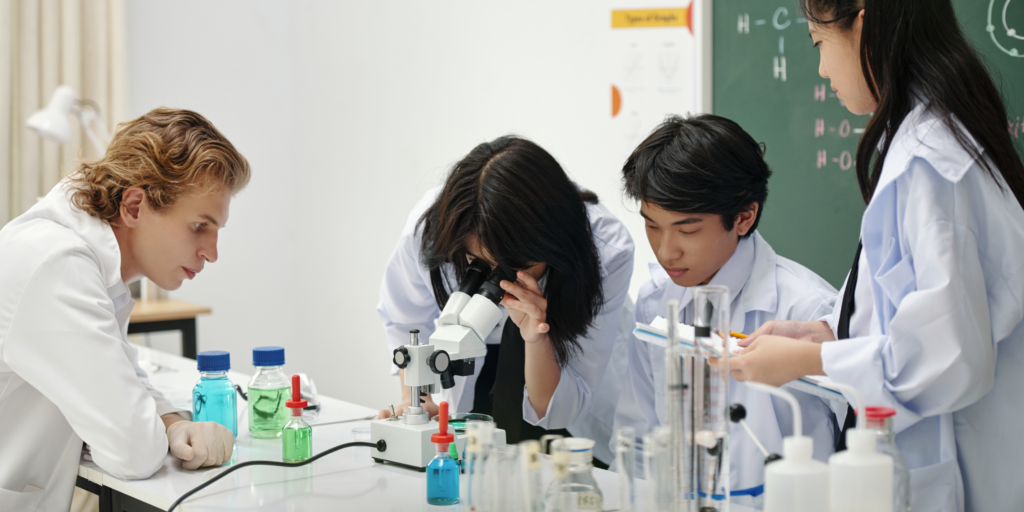
Practical Experience Encourages Lifelong Learning
Another reason practical experience is emerging as a powerful learning path is its connection to lifelong learning. Individuals who engage in experiential learning often become more curious and proactive about professional development.
Practical situations reveal knowledge gaps and inspire further learning. Rather than viewing education as something that ends after graduation, individuals begin seeing learning as an ongoing process.
This mindset supports career growth because industries continue to evolve throughout a professional lifetime. Continuous learning helps individuals remain relevant, competitive, and prepared for future opportunities.
Practical experience reinforces the idea that learning and growth are continuous rather than temporary.
The Impact on Career Advancement
Career advancement often depends on a combination of knowledge, performance, and experience. While academic qualifications may help secure opportunities, practical experience frequently influences long-term progression.
Professionals who possess hands-on experience often demonstrate stronger decision-making abilities and greater workplace confidence. They understand how to apply knowledge effectively and contribute value to organizations.
Managers frequently recognize employees who can solve problems, collaborate effectively, and adapt to changing circumstances. These qualities are often developed through practical experience.
As a result, individuals with strong experiential learning backgrounds may find themselves better positioned for promotions, leadership opportunities, and professional growth.
Why Practical Experience Complements Academic Knowledge
The growing popularity of practical experience does not suggest that traditional education is losing relevance. Instead, it highlights the importance of combining theory and application.
Academic knowledge provides the intellectual framework necessary for understanding concepts and principles. Practical experience transforms that knowledge into actionable skills.
When education and experience work together, individuals develop a more complete understanding of their chosen fields. They become capable of analyzing information while also applying it effectively in professional environments.
This balanced approach creates stronger professionals who are prepared to navigate both current challenges and future opportunities.
Conclusion
Practical experience is emerging as a powerful learning path because it provides something that traditional education alone cannot always offer: direct exposure to real-world situations. Through hands-on learning, internships, workplace training, and experiential opportunities, individuals gain valuable workplace skills, career readiness, confidence, and adaptability.
As employers continue to prioritize practical capabilities alongside academic achievement, the importance of practical experience will likely continue to grow. It strengthens professional development, improves employability, and helps individuals bridge the gap between education and employment.
In a rapidly changing world, learning through experience has become more than an educational trend. It is a powerful pathway to career success, professional growth, and long-term achievement. By combining academic knowledge with practical experience, individuals can build stronger foundations for meaningful careers and lifelong learning.
You May Also Read
Innovation in Curriculum Design: Transforming Education Through Future-Ready Learning 2026
Innovation in Curriculum Design Education has always evolved alongside society,…
Read More
Why Universities Revise Their Curriculum Every Few Years: The Importance of Modern Higher Education 2026
Why Universities Revise Their Curriculum Every Few Years Higher education…
Read MoreUniversities With AI Research Facilities: A Complete Guide to Artificial Intelligence Education and Innovation 2026
Universities With AI Research Facilities Artificial intelligence has become one…
Read More
Leave a Reply