Author: krinoxinfotech@gmail.com

  • Innovation in Curriculum Design: Transforming Education Through Future-Ready Learning 2026

    Innovation in Curriculum Design: Transforming Education Through Future-Ready Learning 2026

    Innovation in Curriculum Design

    Innovation in Curriculum Design

    Education has always evolved alongside society, but the pace of change in the twenty-first century has accelerated dramatically. Technological advancement, globalization, emerging industries, artificial intelligence, digital transformation, environmental challenges, and rapidly changing workforce expectations have created a growing need for educational systems that prepare learners for an unpredictable future. Traditional teaching methods that primarily focused on memorization and standardized instruction are gradually giving way to more flexible, skill-oriented, and learner-centered approaches. Understanding Innovation in Curriculum Design helps explain how educational institutions are transforming learning experiences to equip students with the knowledge, practical abilities, adaptability, and critical thinking skills required in an increasingly complex world.

    Curriculum design is no longer limited to selecting subjects and organizing textbooks. It has become a strategic process that connects academic knowledge with real-world applications, industry expectations, technological advancements, and lifelong learning. Schools, colleges, universities, and professional training institutions are redesigning curricula to encourage creativity, collaboration, communication, digital literacy, ethical decision-making, and problem-solving. These changes aim to create graduates who are not only academically capable but also prepared to contribute meaningfully to society and evolving professional environments. As a result, Innovation in Curriculum Design has become a central priority for educational policymakers, institutions, educators, and employers alike.

    The growing importance of Innovation in Curriculum Design reflects recognition that education must remain responsive rather than static. New industries emerge, job roles evolve, and technological tools transform workplaces at an unprecedented rate. Educational institutions that regularly update curricula can better prepare students for future opportunities while reducing the gap between academic learning and industry requirements. Flexible learning pathways, interdisciplinary education, experiential learning, competency-based assessment, and digital technologies all contribute to a more dynamic educational experience that supports both personal and professional growth.

    Learning about Innovation in Curriculum Design also highlights the broader purpose of education beyond examinations and certifications. Effective curriculum innovation encourages curiosity, resilience, ethical leadership, lifelong learning, and the confidence to solve unfamiliar challenges. By integrating modern teaching strategies with strong academic foundations, educational institutions create learning environments where students develop the skills needed to succeed in changing economies while becoming responsible and adaptable global citizens.


    Understanding Curriculum Design

    Curriculum design refers to the systematic planning, development, organization, and continuous improvement of educational content, learning experiences, teaching strategies, and assessment methods. A thoughtfully designed curriculum ensures that learning objectives remain relevant while supporting meaningful student development.

    Understanding Innovation in Curriculum Design begins with recognizing that curriculum is far more than a collection of subjects. It represents the complete educational journey that shapes knowledge, skills, values, and lifelong learning habits.

    Strong curriculum planning creates purposeful learning.

    Education evolves alongside society.

    Thoughtful design supports student success.


    Why Curriculum Innovation Has Become Essential

    Rapid technological progress, globalization, automation, and changing workforce expectations have transformed the knowledge and skills students need for future careers. Educational systems that remain unchanged risk preparing learners for environments that no longer exist. Curriculum innovation helps institutions remain responsive by incorporating emerging disciplines, practical experiences, and interdisciplinary learning.

    Recognizing these changing demands strengthens Innovation in Curriculum Design.

    Modern education values adaptability.

    Future careers require evolving competencies.

    Continuous improvement supports educational relevance.


    Moving Beyond Memorization

    Traditional education often emphasized remembering information for examinations. While foundational knowledge remains important, modern curriculum design encourages deeper understanding through analysis, application, creativity, and critical thinking. Students are increasingly expected to solve problems rather than simply recall facts.

    This shift reinforces Innovation in Curriculum Design.

    Meaningful learning encourages long-term understanding.

    Critical thinking prepares students for uncertainty.

    Knowledge becomes more valuable through application.


    Student-Centered Learning

    One of the defining characteristics of modern education is the transition toward student-centered learning. Instead of focusing exclusively on lectures, innovative curricula encourage participation, collaboration, discussion, inquiry, and independent exploration. Students become active contributors rather than passive recipients of information.

    Student engagement enhances Innovation in Curriculum Design.

    Active participation improves learning outcomes.

    Personal responsibility strengthens academic growth.

    Collaborative environments encourage curiosity.


    Personalized Learning Experiences

    Every learner develops knowledge and skills differently. Innovative curriculum design increasingly incorporates flexible learning pathways that allow students to progress according to their interests, strengths, and goals. Adaptive technologies, personalized projects, and elective courses support diverse learning needs.

    Personalization enriches Innovation in Curriculum Design.

    Individual strengths deserve recognition.

    Flexible learning improves motivation.

    Customized education supports lifelong success.


    Integrating Technology Into Learning

    Digital transformation has reshaped education across schools and universities. Learning management systems, virtual laboratories, educational software, artificial intelligence, cloud collaboration, and interactive multimedia have expanded how students access knowledge and practice skills.

    Technology strengthens Innovation in Curriculum Design.

    Digital tools improve accessibility.

    Interactive learning increases engagement.

    Modern classrooms encourage exploration.

    Innovation in Curriculum Design

    Project-Based Learning

    Project-based learning allows students to apply theoretical knowledge to practical situations by completing meaningful assignments that mirror real-world challenges. Instead of studying concepts in isolation, learners develop solutions through teamwork, research, creativity, and reflection.

    Projects reinforce Innovation in Curriculum Design.

    Practical learning builds confidence.

    Real-world applications strengthen understanding.

    Hands-on experiences prepare future professionals.


    Competency-Based Education

    Competency-based education focuses on demonstrating mastery rather than simply completing coursework within fixed timeframes. Students advance by proving they have developed specific skills and knowledge through authentic assessment.

    Competency models improve Innovation in Curriculum Design.

    Mastery encourages meaningful achievement.

    Assessment reflects practical ability.

    Learning outcomes become more measurable.


    Interdisciplinary Learning

    Modern challenges rarely fit neatly within one academic discipline. Climate change, healthcare innovation, cybersecurity, sustainable development, and artificial intelligence require knowledge from multiple fields. Innovative curricula therefore encourage interdisciplinary education that connects different subjects into meaningful learning experiences.

    Interdisciplinary education strengthens Innovation in Curriculum Design.

    Complex problems require diverse perspectives.

    Integrated learning encourages creativity.

    Collaboration expands academic understanding.


    Industry Collaboration

    Universities and educational institutions increasingly collaborate with businesses, research organizations, startups, and professional associations when designing curricula. Industry partnerships help ensure graduates develop relevant competencies aligned with current employment opportunities.

    Industry engagement supports Innovation in Curriculum Design.

    Academic knowledge meets workplace expectations.

    Professional collaboration improves employability.

    Education responds to changing industries.


    Developing Future Skills

    Technical knowledge alone is no longer sufficient for career success. Employers increasingly value communication, collaboration, adaptability, leadership, ethical reasoning, digital literacy, creativity, emotional intelligence, and resilience. Innovative curricula integrate these transferable skills throughout academic programs.

    Future skills reinforce Innovation in Curriculum Design.

    Balanced education supports long-term careers.

    Adaptability improves professional growth.

    Human skills remain essential.


    Assessment Beyond Traditional Examinations

    Evaluation methods are evolving alongside curriculum innovation. Portfolios, presentations, reflective journals, simulations, practical demonstrations, collaborative projects, and continuous assessment provide richer evidence of student learning than examinations alone.

    Modern assessment enhances Innovation in Curriculum Design.

    Authentic evaluation improves learning.

    Continuous feedback encourages development.

    Practical assessment reflects real abilities.


    Promoting Inclusive Education

    Inclusive curriculum design ensures learning opportunities remain accessible to students with different abilities, backgrounds, cultures, languages, and learning preferences. Diversity enriches educational experiences while promoting equity and mutual respect.

    Inclusion strengthens Innovation in Curriculum Design.

    Equal opportunities improve education.

    Diverse classrooms encourage understanding.

    Accessible learning benefits everyone.


    Encouraging Lifelong Learning

    Knowledge evolves continuously, making lifelong learning increasingly important. Innovative curricula encourage curiosity, self-directed learning, critical reflection, and continuous professional development beyond formal education.

    Lifelong learning reinforces Innovation in Curriculum Design.

    Curiosity supports continuous improvement.

    Education extends beyond graduation.

    Learning remains valuable throughout life.


    Sustainability in Curriculum Design

    Educational institutions increasingly incorporate environmental responsibility, ethical leadership, global citizenship, and sustainable development into academic programs. These topics prepare students to address long-term societal challenges responsibly.

    Sustainability enriches Innovation in Curriculum Design.

    Responsible education supports future generations.

    Environmental awareness strengthens decision-making.

    Knowledge promotes balanced development.


    The Role of Educators in Curriculum Innovation

    Teachers remain central to successful curriculum transformation. Their expertise, creativity, classroom experience, and commitment to continuous improvement determine how effectively innovative curriculum reaches students.

    Educators drive Innovation in Curriculum Design.

    Professional development strengthens teaching.

    Creative instruction inspires learners.

    Committed educators shape future success.
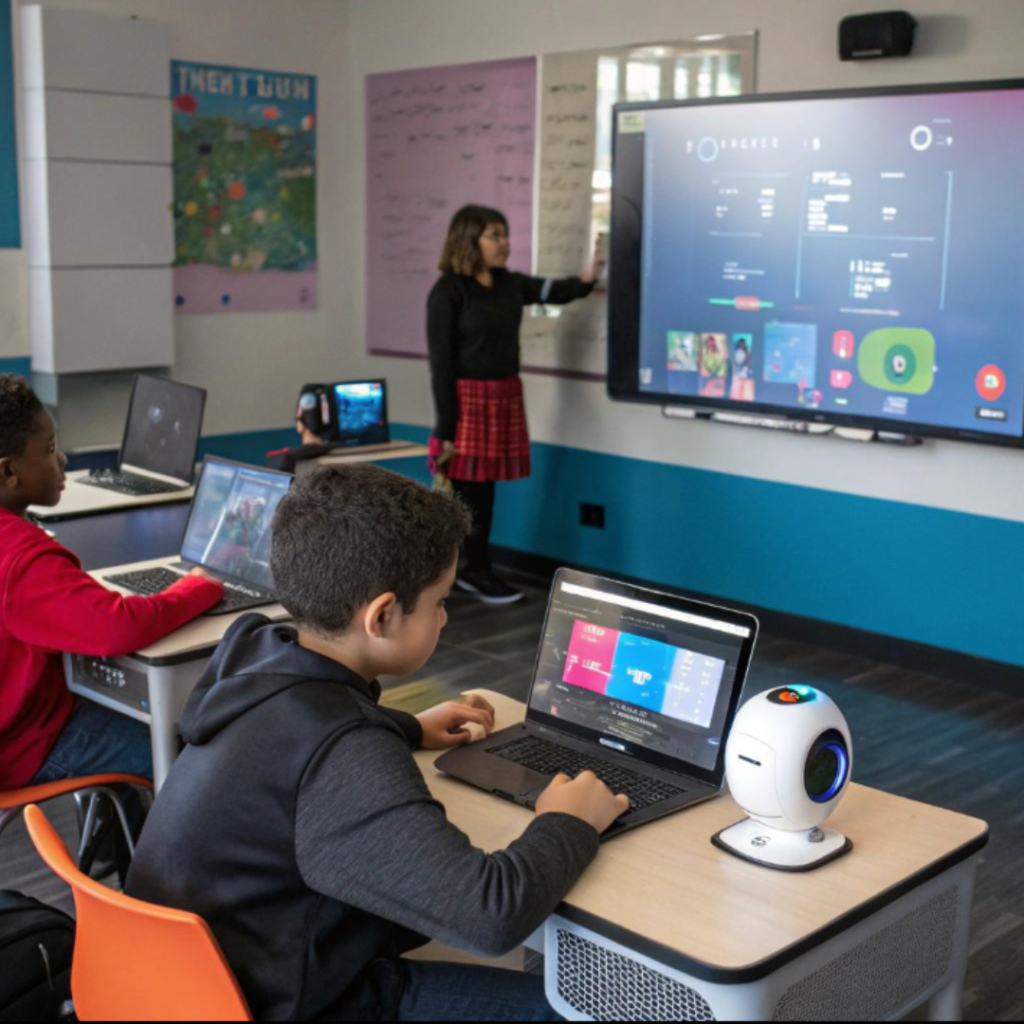
    Innovation in Curriculum Design

    Challenges in Implementing Curriculum Innovation

    Introducing innovative curricula requires careful planning, teacher training, technological infrastructure, institutional support, policy alignment, and continuous evaluation. Without these elements, implementation may encounter resistance or inconsistent outcomes.

    Addressing challenges improves Innovation in Curriculum Design.

    Preparation supports successful transformation.

    Collaboration strengthens implementation.

    Continuous evaluation encourages improvement.


    The Future of Curriculum Design

    As artificial intelligence, automation, digital transformation, biotechnology, sustainability, and global collaboration continue shaping society, curriculum design will become increasingly dynamic. Future education will likely emphasize flexibility, interdisciplinary thinking, ethical innovation, and personalized learning experiences.

    Future developments strengthen Innovation in Curriculum Design.

    Education continues evolving responsibly.

    Innovation prepares future generations.

    Knowledge remains the foundation of progress.


    Conclusion

    Innovation in Curriculum Design is redefining education by creating learning experiences that extend far beyond traditional classrooms and standardized examinations. Modern curricula combine academic knowledge with practical application, technological literacy, interdisciplinary thinking, industry collaboration, competency-based assessment, and lifelong learning principles to prepare students for rapidly changing professional and social environments. Rather than focusing only on memorization, innovative curriculum design encourages creativity, critical thinking, communication, adaptability, and problem-solving—qualities that remain essential across every industry and stage of life. By continuously reviewing and improving educational programs, institutions ensure that learning remains relevant, engaging, and aligned with the evolving needs of students, employers, and society.

    As education continues adapting to technological advancement and global transformation, Innovation in Curriculum Design will remain one of the most important drivers of academic excellence and workforce readiness. Schools and universities that embrace flexible teaching methods, personalized learning pathways, digital technologies, inclusive education, sustainability, and strong industry partnerships create graduates who are confident, capable, and prepared to contribute meaningfully to the future. Investing in curriculum innovation is therefore not only an investment in education but also an investment in economic growth, social progress, and lifelong learning. Through thoughtful curriculum design, educational institutions can inspire future generations to approach complex challenges with knowledge, resilience, creativity, and a commitment to continuous improvement.
  • Why Universities Revise Their Curriculum Every Few Years: The Importance of Modern Higher Education 2026

    Why Universities Revise Their Curriculum Every Few Years: The Importance of Modern Higher Education 2026

    Why Universities Revise Their Curriculum Every Few Years

    Why Universities Revise Their Curriculum Every Few Years

    Higher education has always evolved alongside changes in society, science, technology, industry, and global knowledge. Universities are responsible for preparing students not only with academic understanding but also with the practical skills, critical thinking abilities, and professional competencies required for a rapidly changing world. As industries continue adopting new technologies, governments introduce updated educational frameworks, research generates fresh discoveries, and employer expectations evolve, universities regularly evaluate whether their existing curriculum continues meeting modern academic and professional standards. This ongoing process explains Why Universities Revise Their Curriculum Every Few Years and why curriculum renewal has become an essential responsibility for higher education institutions worldwide.

    A university curriculum is much more than a collection of subjects. It defines the knowledge students acquire, the practical experiences they gain, the skills they develop, and the learning outcomes they are expected to achieve before graduation. If academic programs remain unchanged for long periods, students may graduate with knowledge that no longer reflects current industry practices, technological advancements, or societal needs. Universities therefore review and revise their curriculum periodically to ensure students remain prepared for future careers rather than outdated professional environments.

    Understanding Why Universities Revise Their Curriculum Every Few Years helps students appreciate that curriculum revision is not simply an administrative exercise. Instead, it represents a commitment to educational quality, innovation, academic excellence, and long-term student success. Curriculum updates often introduce emerging technologies, interdisciplinary learning, sustainability concepts, digital literacy, entrepreneurship, artificial intelligence, practical training, and research opportunities that better align education with evolving global realities.

    The importance of Why Universities Revise Their Curriculum Every Few Years continues increasing as the modern workforce experiences constant transformation. Employers seek graduates capable of adapting to technological change, solving complex problems, communicating effectively, collaborating across disciplines, and engaging in lifelong learning. Universities respond by designing curricula that remain flexible, relevant, and forward-looking while preserving the academic foundations that define quality higher education.


    Understanding University Curriculum

    A university curriculum represents the structured framework guiding academic programs, learning objectives, teaching methods, assessments, and expected graduate outcomes. It provides students with a roadmap for developing subject knowledge alongside transferable professional skills.

    Understanding Why Universities Revise Their Curriculum Every Few Years begins with recognizing that a curriculum is designed to evolve rather than remain permanently fixed.

    Education responds to changing needs.

    Academic programs require continuous improvement.

    Learning should remain relevant.


    Keeping Pace With Technological Advancement

    Technology continues transforming industries including healthcare, engineering, finance, education, manufacturing, communication, and scientific research. New software, artificial intelligence, automation, cybersecurity, cloud computing, and digital platforms reshape workplace expectations every year.

    Universities revise curricula to incorporate these developments into academic programs.

    Technological progress strengthens Why Universities Revise Their Curriculum Every Few Years.

    Students require modern digital skills.

    Innovation reshapes professional environments.

    Technology encourages educational advancement.


    Responding to Industry Requirements

    Employers consistently identify new competencies required within evolving workplaces. Practical experience, digital literacy, analytical reasoning, teamwork, leadership, communication, and problem-solving increasingly complement technical expertise.

    Industry expectations significantly influence Why Universities Revise Their Curriculum Every Few Years.

    Career readiness improves employability.

    Education supports workforce development.

    Universities prepare graduates for real-world opportunities.


    Integrating New Research

    Scientific discoveries, technological innovations, medical breakthroughs, environmental studies, and social science research continually expand human knowledge. Universities update academic content to reflect these developments.

    Research contributes directly to Why Universities Revise Their Curriculum Every Few Years.

    Knowledge continuously evolves.

    Research strengthens academic quality.

    Students benefit from current information.


    Preparing Students for Future Careers

    Many professions available today did not exist two decades ago, while several traditional roles have transformed considerably. Universities anticipate future employment trends when reviewing academic programs.

    Future preparation strengthens Why Universities Revise Their Curriculum Every Few Years.

    Career opportunities continue changing.

    Adaptability supports long-term success.

    Education prepares future professionals.


    Supporting Practical Learning

    Modern education increasingly emphasizes internships, laboratory experiences, fieldwork, industry projects, simulations, entrepreneurship, and experiential learning.

    Practical education strengthens Why Universities Revise Their Curriculum Every Few Years.

    Hands-on learning improves understanding.

    Experience builds confidence.

    Practical skills enhance employability.


    Improving Student Engagement

    Curriculum revision also focuses on creating more engaging learning experiences through interactive teaching, project-based learning, digital resources, collaborative activities, and flexible assessments.

    Student engagement supports Why Universities Revise Their Curriculum Every Few Years.

    Interactive education improves participation.

    Motivated learners perform better.

    Engagement strengthens academic success.


    Meeting Accreditation Standards

    Universities often revise curricula to comply with national and international accreditation requirements that promote educational quality, accountability, and institutional excellence.

    Accreditation influences Why Universities Revise Their Curriculum Every Few Years.

    Quality assurance protects academic standards.

    Updated programs maintain institutional credibility.

    Students benefit from recognized qualifications.


    Promoting Interdisciplinary Learning

    Modern challenges frequently require knowledge from multiple disciplines. Universities increasingly integrate business, technology, healthcare, environmental science, communication, and data analysis within academic programs.

    Interdisciplinary education strengthens Why Universities Revise Their Curriculum Every Few Years.

    Different perspectives improve innovation.

    Collaboration supports complex problem-solving.

    Learning becomes more comprehensive.

    Why Universities Revise Their Curriculum Every Few Years

    Encouraging Critical Thinking

    Universities seek graduates capable of analyzing information, evaluating evidence, questioning assumptions, and solving complex problems independently.

    Curriculum revisions often strengthen opportunities for analytical learning.

    Critical thinking supports Why Universities Revise Their Curriculum Every Few Years.

    Reasoning improves decision-making.

    Independent thinking encourages innovation.

    Problem-solving remains professionally valuable.


    Developing Employability Skills

    Academic knowledge alone rarely guarantees career success. Employers increasingly value communication, leadership, teamwork, emotional intelligence, adaptability, and professionalism.

    Employability strengthens Why Universities Revise Their Curriculum Every Few Years.

    Professional skills improve workplace readiness.

    Balanced education supports career growth.

    Graduates require transferable competencies.


    Integrating Artificial Intelligence and Digital Learning

    Artificial intelligence, machine learning, learning analytics, digital collaboration platforms, and virtual laboratories increasingly influence higher education.

    Curriculum updates incorporate these innovations responsibly.

    Technology strengthens Why Universities Revise Their Curriculum Every Few Years.

    Digital education expands learning opportunities.

    Innovation improves accessibility.

    Students prepare for technology-driven careers.


    Supporting Global Competence

    Universities prepare students for international careers by introducing multicultural perspectives, global collaboration, foreign language opportunities, international case studies, and cross-cultural communication.

    Global competence enriches Why Universities Revise Their Curriculum Every Few Years.

    International awareness supports collaboration.

    Global education improves professional mobility.

    Diverse perspectives strengthen learning.


    Sustainability Education

    Environmental responsibility has become increasingly important across industries. Universities integrate sustainability, climate awareness, renewable energy, responsible resource management, and ethical development into various disciplines.

    Sustainability strengthens Why Universities Revise Their Curriculum Every Few Years.

    Education supports environmental responsibility.

    Future generations benefit from sustainable thinking.

    Responsible innovation improves society.


    Flexible Learning Approaches

    Students increasingly seek flexible educational pathways including online learning, blended education, modular courses, micro-credentials, and personalized academic experiences.

    Flexibility supports Why Universities Revise Their Curriculum Every Few Years.

    Accessible education reaches more learners.

    Flexible programs encourage lifelong learning.

    Personalized learning improves student satisfaction.


    Assessment Innovation

    Traditional examinations remain valuable, but universities increasingly incorporate presentations, portfolios, projects, practical demonstrations, research assignments, collaborative work, and continuous assessment.

    Assessment innovation strengthens Why Universities Revise Their Curriculum Every Few Years.

    Balanced evaluation reflects practical abilities.

    Different assessment methods support deeper learning.

    Continuous feedback encourages improvement.


    Student Feedback Shapes Curriculum

    Universities frequently gather student feedback regarding teaching quality, course relevance, practical experiences, learning resources, and assessment methods. These insights contribute meaningfully to curriculum improvement.

    Student participation enriches Why Universities Revise Their Curriculum Every Few Years.

    Learner perspectives encourage improvement.

    Constructive feedback strengthens education.

    Students become partners in academic development.


    Lifelong Learning and Adaptability

    Modern professionals continuously update their knowledge throughout changing careers. Universities prepare students by emphasizing curiosity, independent learning, adaptability, and continuous professional development.

    Lifelong learning strengthens Why Universities Revise Their Curriculum Every Few Years.

    Learning extends beyond graduation.

    Adaptability improves career resilience.

    Continuous education supports future success.


    Challenges in Curriculum Revision

    Curriculum revision requires careful planning, faculty collaboration, industry consultation, research, accreditation compliance, resource allocation, and effective implementation. Universities balance innovation with academic stability to ensure meaningful improvements rather than unnecessary change.

    Addressing these challenges strengthens Why Universities Revise Their Curriculum Every Few Years.

    Thoughtful planning improves educational quality.

    Collaboration creates stronger programs.

    Balanced change protects academic excellence.

    Why Universities Revise Their Curriculum Every Few Years

    The Future of University Curricula

    Future curricula will increasingly incorporate artificial intelligence, data science, sustainability, entrepreneurship, interdisciplinary learning, global collaboration, experiential education, personalized learning, and emerging technologies. Universities will continue adapting while preserving strong academic foundations.

    Future planning reinforces Why Universities Revise Their Curriculum Every Few Years.

    Innovation expands educational possibilities.

    Technology shapes modern learning.

    Future-ready curricula prepare confident graduates.


    Conclusion

    Understanding Why Universities Revise Their Curriculum Every Few Years reveals that curriculum renewal is essential for maintaining educational quality, academic relevance, and professional preparedness in an ever-changing world. As technology advances, industries evolve, research expands, and workforce expectations shift, universities have a responsibility to ensure that students receive an education aligned with contemporary knowledge and future opportunities. Through regular curriculum revision, institutions strengthen academic programs by integrating practical learning, digital skills, interdisciplinary education, sustainability, critical thinking, communication, and career-focused competencies that help graduates succeed beyond the classroom.

    The importance of Why Universities Revise Their Curriculum Every Few Years will continue to grow as higher education responds to global transformation, artificial intelligence, environmental challenges, international collaboration, and emerging professions. Universities that embrace thoughtful curriculum development create graduates who are knowledgeable, adaptable, innovative, ethically responsible, and prepared for lifelong learning. Rather than simply updating course content, curriculum revision reflects a long-term commitment to empowering students with the confidence, skills, and academic excellence required to thrive in a dynamic and interconnected global society.

  • Universities With AI Research Facilities: A Complete Guide to Artificial Intelligence Education and Innovation 2026

    Universities With AI Research Facilities: A Complete Guide to Artificial Intelligence Education and Innovation 2026

    Universities With AI Research Facilities

    Universities With AI Research Facilities

    Artificial intelligence has become one of the most influential technologies of the twenty-first century, transforming industries ranging from healthcare and education to finance, manufacturing, agriculture, transportation, and scientific research. As organizations increasingly integrate intelligent systems into their daily operations, universities are expanding their academic and research capabilities to prepare students for this rapidly evolving technological landscape. One of the most significant developments in higher education is the growth of Universities With AI Research Facilities, where students, researchers, and industry experts collaborate to advance artificial intelligence through innovation, experimentation, and interdisciplinary research.

    Modern AI research facilities extend beyond traditional computer laboratories. They often include specialized machine learning laboratories, robotics centers, computer vision research groups, natural language processing laboratories, high-performance computing infrastructure, data science centers, autonomous systems laboratories, and collaborative innovation hubs. These environments provide students with opportunities to apply theoretical knowledge to practical research while contributing to technological advancements that address real-world challenges.

    The increasing importance of Universities With AI Research Facilities reflects the growing demand for professionals capable of developing, evaluating, and responsibly applying artificial intelligence technologies. Students no longer seek universities based solely on classroom instruction. Many also evaluate research opportunities, faculty expertise, industry partnerships, innovation ecosystems, computational resources, startup support, and interdisciplinary collaboration when selecting higher education institutions.

    Understanding Universities With AI Research Facilities demonstrates how higher education continues adapting to technological progress. By combining academic excellence with advanced research environments, universities prepare graduates to contribute meaningfully to the future of artificial intelligence while encouraging responsible innovation, scientific discovery, and lifelong learning.


    Understanding AI Research Facilities

    AI research facilities are specialized academic environments designed to support investigation, experimentation, development, and application of artificial intelligence technologies.

    These facilities combine advanced computing infrastructure with interdisciplinary collaboration across computer science, engineering, mathematics, healthcare, business, and numerous other fields.

    The foundation of Universities With AI Research Facilities lies in creating environments where innovation and education develop together.

    Research encourages discovery.

    Technology supports academic excellence.

    Innovation strengthens future careers.


    Why AI Research Matters

    Artificial intelligence influences decision-making, automation, predictive analysis, scientific discovery, healthcare improvement, educational technology, and industrial productivity.

    Universities conducting AI research contribute valuable knowledge supporting technological advancement across society.

    Understanding Universities With AI Research Facilities begins with recognizing artificial intelligence’s broad global influence.

    Research expands knowledge.

    Innovation supports progress.

    Technology shapes modern industries.


    Advanced Computing Infrastructure

    Artificial intelligence research requires powerful computational resources capable of processing large datasets and complex algorithms efficiently.

    Many universities invest significantly in advanced computing systems supporting AI experimentation.

    Computing infrastructure strengthens Universities With AI Research Facilities.

    Technology enables sophisticated research.

    Powerful systems accelerate discovery.

    Infrastructure supports innovation.


    Machine Learning Laboratories

    Machine learning remains one of artificial intelligence’s most significant research areas.

    University laboratories investigate learning algorithms capable of identifying patterns, improving predictions, and supporting intelligent decision-making across numerous applications.

    Machine learning strengthens Universities With AI Research Facilities.

    Algorithms improve continuously.

    Data drives intelligent systems.

    Research expands practical applications.


    Robotics Research Centers

    Many universities combine artificial intelligence with robotics research to develop intelligent machines capable of perception, movement, navigation, and interaction.

    These research environments expand Universities With AI Research Facilities considerably.

    Robotics combines hardware and software.

    Intelligent systems solve practical challenges.

    Innovation encourages interdisciplinary learning.


    Computer Vision Research

    Computer vision enables machines to interpret visual information through advanced image processing and pattern recognition techniques.

    Universities continue exploring applications within healthcare, transportation, manufacturing, agriculture, and security.

    Computer vision contributes significantly to Universities With AI Research Facilities.

    Visual intelligence expands possibilities.

    Image analysis supports innovation.

    Technology improves real-world solutions.

    Universities With AI Research Facilities

    Natural Language Processing

    Natural language processing focuses on enabling computers to understand, interpret, and generate human language.

    This rapidly growing field strengthens Universities With AI Research Facilities through applications involving communication technologies and intelligent digital systems.

    Language technologies improve interaction.

    Communication supports accessibility.

    Research advances intelligent computing.


    Interdisciplinary Collaboration

    Artificial intelligence increasingly intersects with medicine, environmental science, business, law, psychology, economics, education, and engineering.

    Universities encourage collaborative research involving multiple academic disciplines.

    Interdisciplinary cooperation strengthens Universities With AI Research Facilities.

    Different perspectives improve innovation.

    Collaboration encourages creative solutions.

    Knowledge grows through teamwork.


    Faculty Expertise

    Experienced professors, researchers, and industry specialists guide students through advanced AI concepts while supervising innovative research projects.

    Academic leadership remains central to Universities With AI Research Facilities.

    Experienced mentors inspire learning.

    Research guidance supports development.

    Expertise improves educational quality.


    Student Research Opportunities

    Students participating in AI research gain valuable practical experience beyond classroom learning.

    Research projects strengthen analytical thinking, technical skills, scientific communication, and professional confidence.

    Student participation enhances Universities With AI Research Facilities.

    Hands-on learning improves understanding.

    Research builds practical experience.

    Students contribute meaningful innovation.


    Industry Partnerships

    Many universities collaborate closely with technology companies, research organizations, startups, healthcare institutions, and government agencies.

    These partnerships provide practical opportunities supporting Universities With AI Research Facilities.

    Industry collaboration strengthens education.

    Professional connections improve career readiness.

    Innovation benefits from cooperation.


    Ethical Artificial Intelligence

    Responsible AI development has become an increasingly important research priority.

    Universities investigate fairness, transparency, accountability, privacy, and responsible implementation alongside technological advancement.

    Ethics strengthen Universities With AI Research Facilities.

    Responsible innovation builds trust.

    Technology requires thoughtful development.

    Research supports society.


    AI and Healthcare Research

    Artificial intelligence contributes significantly to healthcare research through medical imaging, predictive analytics, clinical decision support, drug discovery, and health data analysis.

    Healthcare applications enrich Universities With AI Research Facilities.

    Technology supports medical innovation.

    Research improves healthcare possibilities.

    Interdisciplinary work creates progress.


    AI for Environmental Sustainability

    Universities increasingly explore AI applications supporting environmental monitoring, climate analysis, renewable energy optimization, agriculture, and conservation efforts.

    Environmental research strengthens Universities With AI Research Facilities.

    Technology supports sustainability.

    Research protects natural resources.

    Innovation addresses global challenges.


    Entrepreneurship and Innovation

    Many universities encourage students to transform AI research into startup companies, innovative technologies, and commercial applications.

    Entrepreneurship expands Universities With AI Research Facilities beyond academic research.

    Innovation encourages economic growth.

    Creative thinking supports new businesses.

    Research creates practical value.


    International Research Collaboration

    Artificial intelligence research frequently involves global cooperation among universities, research institutes, technology organizations, and scientific communities.

    International collaboration enriches Universities With AI Research Facilities.

    Global partnerships expand knowledge.

    Research benefits from shared expertise.

    International cooperation encourages innovation.

    Universities With AI Research Facilities

    Preparing Students for Future Careers

    AI research experience develops technical knowledge alongside communication, teamwork, critical thinking, adaptability, and scientific problem-solving abilities.

    Career preparation strengthens Universities With AI Research Facilities.

    Balanced education supports employability.

    Research experience builds confidence.

    Professional development continues beyond graduation.


    Choosing a University With AI Research Facilities

    Students evaluating universities should consider faculty expertise, laboratory resources, research publications, interdisciplinary opportunities, computational infrastructure, industry partnerships, innovation ecosystems, and career development support.

    Careful evaluation complements Universities With AI Research Facilities.

    Thoughtful choices improve educational outcomes.

    Research opportunities deserve attention.

    Balanced decisions strengthen future success.


    Future of AI Research in Universities

    Artificial intelligence continues evolving through generative AI, explainable AI, autonomous systems, quantum computing integration, advanced robotics, and intelligent data analysis.

    Universities remain central to these developments through continuous research and innovation.

    The future of Universities With AI Research Facilities appears increasingly dynamic.

    Technology evolves rapidly.

    Research expands continuously.

    Innovation shapes tomorrow’s world.


    Why AI Research Universities Matter

    Universities conducting advanced AI research contribute not only to scientific discovery but also to economic development, technological innovation, workforce preparation, and responsible digital transformation.

    Their influence extends far beyond campus boundaries.

    These broader contributions define the importance of Universities With AI Research Facilities.

    Education drives innovation.

    Research benefits society.

    Knowledge creates lasting progress.


    Conclusion

    Universities With AI Research Facilities are playing a vital role in shaping the future of artificial intelligence by combining academic excellence with advanced research environments, interdisciplinary collaboration, and real-world innovation. Through specialized laboratories, machine learning research centers, robotics facilities, computer vision programs, natural language processing projects, and industry partnerships, these universities provide students with opportunities to transform theoretical knowledge into practical solutions that address complex global challenges. Beyond technical expertise, AI research facilities also encourage ethical thinking, creativity, problem-solving, teamwork, and lifelong learning, preparing graduates to contribute responsibly to an increasingly intelligent digital world.

    As artificial intelligence continues transforming industries across healthcare, finance, manufacturing, education, environmental science, transportation, and countless other fields, the importance of Universities With AI Research Facilities will continue to grow. Students seeking future-ready education increasingly recognize the value of institutions that invest in research infrastructure, experienced faculty, innovation ecosystems, and meaningful industry collaboration. By choosing universities that support advanced AI research, learners gain access to cutting-edge technologies, valuable research experiences, professional networks, and career opportunities that position them to become the next generation of innovators, researchers, entrepreneurs, and technology leaders in an evolving global economy.

  • Group Study vs Self-Study: Which Learning Method Helps Students Achieve Better Results? 2026

    Group Study vs Self-Study: Which Learning Method Helps Students Achieve Better Results? 2026

    Group Study vs Self-Study

    Group Study vs Self-Study

    Every student dreams of achieving academic success, building strong subject knowledge, and performing confidently during examinations. While textbooks, teachers, and educational resources play an important role in this journey, the method of studying often has an even greater influence on learning outcomes. Some students perform exceptionally well through collaborative discussions with classmates, while others achieve remarkable results by studying independently in a quiet environment. This ongoing comparison has made Group Study vs Self-Study one of the most discussed topics among students, educators, and academic counselors.

    Both study methods offer unique strengths and present different challenges. Group study encourages discussion, teamwork, knowledge sharing, and problem-solving through collective learning. Self-study, on the other hand, develops concentration, discipline, independent thinking, and personalized learning speed. Neither approach is universally superior because every learner possesses different academic goals, personality traits, learning preferences, and study habits.

    Understanding Group Study vs Self-Study helps students make informed decisions rather than simply following popular opinions. Choosing an effective learning strategy involves recognizing individual strengths, subject requirements, available resources, examination patterns, and personal productivity levels. Some subjects benefit from collaborative discussion, while others require deep personal concentration and repeated independent practice.

    As education increasingly emphasizes critical thinking, creativity, collaboration, and lifelong learning, students who understand how to balance both study approaches often develop stronger academic foundations. Instead of viewing group study and self-study as competing methods, many successful learners combine both strategies thoughtfully according to their educational needs.

    Understanding Group Study

    Group study involves two or more students learning together while discussing concepts, solving problems, sharing resources, explaining difficult topics, and preparing for examinations collectively.

    The primary purpose of collaborative learning is improving understanding through communication and shared perspectives.

    Within Group Study vs Self-Study, group learning encourages interaction that may reveal different ways of approaching the same academic concept.

    Collaboration strengthens communication.

    Shared learning encourages confidence.

    Discussion improves understanding.

    Understanding Self-Study

    Self-study refers to independent learning where students organize their own schedules, review educational materials, solve problems individually, and monitor personal academic progress without continuous assistance.

    Self-directed learning forms an equally important part of Group Study vs Self-Study because it develops discipline and personal responsibility.

    Independent learning encourages concentration.

    Self-motivation supports academic growth.

    Personal responsibility strengthens confidence.

    Why Study Methods Matter

    Academic success depends not only upon intelligence but also upon consistent learning habits.

    Selecting appropriate study methods significantly influences understanding, memory retention, productivity, examination preparation, and long-term knowledge development.

    Understanding Group Study vs Self-Study allows students to build learning routines supporting individual strengths.

    Effective habits improve performance.

    Learning strategies influence outcomes.

    Preparation builds confidence.

    Benefits of Group Study

    Group discussions expose students to multiple viewpoints, alternative problem-solving techniques, and different methods of understanding complex topics.

    Students frequently clarify difficult concepts by explaining them to one another.

    One major advantage within Group Study vs Self-Study is that collaborative learning transforms passive reading into active discussion.

    Communication strengthens understanding.

    Shared knowledge expands learning.

    Collaboration encourages motivation.

    Group Study Encourages Accountability

    Studying alongside classmates often creates greater commitment to scheduled learning sessions.

    Students become more likely to complete assignments, revise topics, and maintain consistent preparation when working collectively.

    Accountability represents a valuable strength within Group Study vs Self-Study.

    Shared goals encourage discipline.

    Consistency supports progress.

    Positive peer influence improves commitment.

    Benefits of Self-Study

    Independent learning allows students to study according to personal pace without external distractions or interruptions.

    Learners may spend additional time reviewing challenging topics while progressing quickly through familiar material.

    The flexibility of Group Study vs Self-Study makes self-directed learning particularly valuable for individualized education.

    Personalized learning improves efficiency.

    Concentration strengthens retention.

    Independence encourages confidence.

    Building Strong Concentration

    Quiet study environments often reduce interruptions while allowing deeper focus.

    Many students understand difficult concepts more effectively when reading, practicing, and reflecting independently.

    Within Group Study vs Self-Study, sustained concentration remains one of self-study’s greatest strengths.

    Focused learning improves comprehension.

    Silence supports deep thinking.

    Attention enhances memory.

    Communication Skills Through Group Learning

    Academic success increasingly requires teamwork, presentation abilities, leadership, and effective communication.

    Group discussions naturally strengthen these important professional skills alongside academic knowledge.

    Understanding Group Study vs Self-Study includes recognizing these valuable interpersonal benefits.

    Communication builds leadership.

    Collaboration prepares future careers.

    Discussion encourages confidence.

    Time Management Differences

    Time management influences every study strategy.

    Group sessions require coordination among participants, while self-study offers complete scheduling flexibility.

    Comparing Group Study vs Self-Study reveals that both approaches demand planning despite different organizational requirements.

    Planning improves productivity.

    Schedules support consistency.

    Organization strengthens academic success.

    Learning Difficult Subjects

    Certain academic topics become easier through discussion because students explain concepts using different examples or simplified explanations.

    Other subjects require repeated independent practice before mastery develops.

    Understanding Group Study vs Self-Study encourages adapting study methods according to subject complexity.

    Flexibility improves learning.

    Different subjects require different approaches.

    Adaptability strengthens education.

    Motivation During Study

    Motivation occasionally fluctuates throughout academic life.

    Group environments often create encouragement through shared effort and positive competition.

    Self-study develops internal motivation independent of external influences.

    Both forms contribute meaningfully to Group Study vs Self-Study.

    Encouragement improves persistence.

    Self-discipline builds resilience.

    Motivation supports long-term success.

    Preparing for Examinations

    Examination preparation often benefits from combining multiple learning strategies.

    Students may first study independently before participating in revision discussions, quizzes, or collaborative problem-solving sessions.

    This balanced approach strengthens Group Study vs Self-Study rather than choosing only one method.

    Revision improves confidence.

    Balanced preparation increases readiness.

    Practice strengthens memory.

    Group Study vs Self-Study

    Developing Independent Thinking

    Self-study encourages students to solve problems without immediately depending upon others.

    Independent analysis strengthens reasoning, creativity, research ability, and critical thinking.

    These qualities represent important advantages within Group Study vs Self-Study.

    Independent learners become confident decision-makers.

    Critical thinking improves understanding.

    Personal growth supports lifelong learning.


    Reducing Distractions

    Group sessions occasionally become less productive if conversations move away from academic topics.

    Similarly, self-study environments may include digital distractions, social media, or procrastination.

    Understanding Group Study vs Self-Study involves recognizing potential challenges within both approaches.

    Awareness improves productivity.

    Discipline minimizes distractions.

    Focused routines create better outcomes.


    Technology Supports Both Methods

    Modern educational technology has expanded learning opportunities considerably.

    Video conferencing, collaborative documents, educational applications, digital libraries, online courses, discussion forums, and interactive learning platforms support both group and independent study.

    Technology enriches Group Study vs Self-Study through greater accessibility.

    Digital tools increase flexibility.

    Innovation supports education.

    Learning continues beyond classrooms.


    Personality Influences Study Preferences

    Every student possesses unique learning preferences.

    Extroverted learners may enjoy collaborative discussions, while introverted students often appreciate quiet independent environments.

    Recognizing these differences strengthens Group Study vs Self-Study by encouraging personalized learning rather than universal assumptions.

    Individual differences matter.

    Learning remains personal.

    Self-awareness improves effectiveness.


    Combining Both Study Methods

    Many high-performing students combine group learning with independent revision.

    Initial understanding often develops through self-study, while collaborative discussions reinforce knowledge and clarify remaining questions.

    The strongest approach to Group Study vs Self-Study frequently involves thoughtful balance.

    Flexibility supports excellence.

    Balanced learning increases confidence.

    Combination creates stronger understanding.


    Long-Term Academic Development

    Education extends beyond examination performance.

    Students benefit from developing communication, research, independence, teamwork, leadership, adaptability, and problem-solving skills throughout their educational journey.

    Understanding Group Study vs Self-Study contributes to broader academic and personal development.

    Comprehensive learning prepares future careers.

    Skills grow through varied experiences.

    Education shapes lifelong success.


    Future Learning Trends

    Education continues evolving through personalized learning, artificial intelligence, collaborative technologies, digital classrooms, adaptive assessments, and flexible study environments.

    Future education will likely integrate both collaborative and independent learning even more effectively.

    Innovation strengthens Group Study vs Self-Study by expanding educational possibilities.

    Technology supports personalized education.

    Learning continues evolving.

    Adaptability remains valuable.

    Group Study vs Self-Study

    Choosing the Best Study Strategy

    Rather than asking which method is universally better, students should ask which approach best suits specific subjects, learning objectives, examination requirements, and personal strengths.

    Successful learners continuously adjust strategies according to changing academic needs.

    Understanding Group Study vs Self-Study encourages thoughtful decision-making instead of fixed habits.

    Personal strategies improve results.

    Flexibility strengthens education.

    Continuous improvement supports achievement.


    Conclusion

    Group Study vs Self-Study is not a competition where one method completely replaces the other. Both approaches offer valuable benefits that contribute to academic success in different ways. Group study encourages collaboration, communication, motivation, and shared problem-solving, while self-study develops concentration, independence, critical thinking, and personalized learning. The most effective strategy often depends on the subject being studied, individual learning preferences, examination goals, and the student’s ability to manage time effectively. By understanding the strengths and limitations of each approach, students can create balanced study routines that maximize productivity and deepen long-term understanding.

    As you continue exploring Group Study vs Self-Study, remember that successful learning is built on consistency, discipline, adaptability, and thoughtful planning rather than relying exclusively on a single study method. Combining independent preparation with meaningful group discussions often creates the strongest academic foundation, allowing students to strengthen both knowledge and essential life skills. With the right balance, learners can improve examination performance, build lasting confidence, and develop the problem-solving abilities needed for higher education, professional careers, and lifelong learning.

  • Scholarships for Single Girl Child: Complete Guide to Financial Support for Higher Education 2026

    Scholarships for Single Girl Child: Complete Guide to Financial Support for Higher Education 2026

    Scholarships for Single Girl Child

    Scholarships for Single Girl Child

    Education has the power to shape independent thinking, strengthen confidence, and create opportunities that last a lifetime. Over the years, governments, universities, educational institutions, and various organizations have introduced initiatives to encourage equal access to education for girls. Among these initiatives, Scholarships for Single Girl Child have emerged as an important form of financial assistance designed to support families with one daughter while promoting higher education and long-term academic achievement.

    The rising cost of education often creates financial pressure for many households. Tuition fees, books, accommodation, transportation, digital learning resources, examination expenses, and professional training can become significant responsibilities. Although many families strongly support their daughters’ education, financial limitations may sometimes influence educational choices. Scholarships for Single Girl Child help reduce these concerns by providing financial assistance that encourages deserving students to continue their studies with greater confidence and stability.

    These scholarship programs recognize the importance of educating girls while supporting national efforts to improve literacy, professional participation, gender equality, and social development. They reward academic dedication, encourage higher education, and help talented students pursue careers without unnecessary financial obstacles.

    Understanding Scholarships for Single Girl Child enables students and parents to explore valuable educational opportunities that contribute not only to academic success but also to personal growth, leadership, and future career development.


    Understanding Scholarships for Single Girl Child

    Scholarships for Single Girl Child are financial assistance programs created specifically for families with only one daughter. These scholarships may be offered by government organizations, universities, educational institutions, charitable foundations, or private organizations seeking to promote girls’ education.

    The primary objective of these scholarship programs is to encourage families to invest confidently in their daughter’s education while reducing financial barriers that may otherwise limit academic progress.

    Many scholarship schemes support undergraduate studies, postgraduate education, doctoral research, professional courses, technical education, teacher training, and other recognized academic programs.

    By recognizing educational achievement and supporting deserving students, these scholarships encourage long-term academic excellence.


    Why Single Girl Child Scholarships Are Important

    Educating girls creates positive changes that extend far beyond individual academic success. Educated women contribute to stronger families, healthier communities, economic development, innovation, entrepreneurship, and national progress.

    Scholarships for Single Girl Child encourage parents to continue supporting higher education while reducing financial pressure associated with academic expenses.

    These scholarships also strengthen confidence among students by recognizing their potential and encouraging them to pursue ambitious educational and professional goals.

    Investment in girls’ education creates benefits that continue across future generations.

    Educational opportunities strengthen independence while expanding career possibilities.


    Supporting Higher Education for Girls

    Higher education often requires considerable financial planning.

    Professional degrees, postgraduate studies, research programs, and specialized academic training involve tuition fees, laboratory expenses, accommodation, educational materials, internships, and technology requirements.

    Scholarships for Single Girl Child provide valuable support during these important educational stages, allowing students to remain focused on learning rather than financial uncertainty.

    Financial assistance enables students to pursue academic excellence without unnecessary interruptions.

    Educational continuity creates stronger career opportunities.

    Learning becomes more accessible through meaningful support.


    Encouraging Academic Excellence

    Many scholarship programs reward students who demonstrate strong academic performance throughout their educational journey.

    Excellent examination results, consistent classroom participation, research achievements, and educational dedication often strengthen scholarship eligibility.

    Merit-based Scholarships for Single Girl Child motivate students to maintain high academic standards while recognizing discipline, perseverance, and commitment.

    Recognition encourages greater confidence alongside financial assistance.

    Academic excellence frequently opens additional educational opportunities.

    Achievement deserves meaningful encouragement.


    Promoting Gender Equality Through Education

    Education remains one of the strongest foundations for achieving greater gender equality.

    When girls receive equal educational opportunities, they participate more actively in professional careers, entrepreneurship, scientific research, public service, leadership, healthcare, technology, and innovation.

    Scholarships for Single Girl Child contribute significantly to this progress by ensuring talented students receive financial support regardless of economic circumstances.

    Educational equality strengthens both individual futures and national development.

    Empowered learners become future leaders.

    Opportunity begins with access to education.

    Scholarships for Single Girl Child

    Government Scholarship Initiatives

    Several government organizations support female education through dedicated scholarship programs.

    Central government departments, state governments, universities, and educational councils regularly introduce schemes encouraging girls to pursue higher studies.

    Many Scholarships for Single Girl Child focus on postgraduate education, teacher education, professional courses, technical programs, research fellowships, and specialized academic disciplines.

    Government initiatives strengthen educational participation while supporting national development objectives.

    Public investment in education creates lasting societal benefits.

    Educational policies continue encouraging inclusive growth.


    University-Based Scholarship Opportunities

    Many universities recognize outstanding students through institutional scholarship programs.

    Universities often introduce financial assistance specifically designed for single girl students enrolled in undergraduate, postgraduate, doctoral, or professional programs.

    These Scholarships for Single Girl Child may reduce tuition fees, provide monthly financial support, assist research activities, or encourage academic excellence throughout higher education.

    Institutional scholarships strengthen student retention while supporting educational achievement.

    Universities continue investing in future talent.

    Academic environments encourage lifelong learning.


    Eligibility Criteria for Scholarships

    Eligibility requirements vary depending on the scholarship provider.

    Most Scholarships for Single Girl Child require applicants to be the only daughter of their parents while pursuing recognized educational programs. Academic performance, family income, educational institution approval, residential status, and course enrollment may also influence eligibility.

    Certain scholarships prioritize postgraduate studies, while others support undergraduate education or professional programs.

    Students should carefully review official eligibility guidelines before submitting applications.

    Accurate understanding improves application success.

    Preparation supports stronger outcomes.


    Required Documents During Application

    Proper documentation plays an essential role throughout the scholarship application process.

    Applicants generally submit identity proof, educational certificates, previous examination mark sheets, admission confirmation, bank account details, passport-sized photographs, family declaration regarding single girl child status, income certificates where required, and institutional verification documents.

    Preparing documents carefully supports Scholarships for Single Girl Child applications by reducing processing delays and administrative complications.

    Organized preparation improves efficiency.

    Attention to detail strengthens applications.

    Documentation supports transparent evaluation.


    Online Scholarship Application Process

    Digital technology has simplified scholarship applications considerably.

    Many organizations now operate online scholarship portals allowing students to register, upload documents, complete application forms, monitor progress, and receive scholarship updates electronically.

    Digital Scholarships for Single Girl Child systems improve transparency while reducing paperwork and administrative delays.

    Students should verify all submitted information carefully before final submission.

    Accurate applications improve processing efficiency.

    Technology continues improving educational accessibility.


    Financial Benefits of Scholarship Support

    Scholarships reduce educational expenses while creating greater financial stability for students and families.

    Tuition fees, hostel charges, books, digital resources, laboratory expenses, research activities, transportation, and examination costs often become more manageable through scholarship assistance.

    Scholarships for Single Girl Child enable students to focus more effectively on academics rather than financial concerns.

    Reduced educational stress contributes positively to learning outcomes.

    Financial support strengthens educational confidence.

    Academic focus improves when economic pressure decreases.


    Reducing Educational Challenges

    Many talented students face difficult decisions because educational expenses exceed family budgets.

    Scholarship programs reduce these barriers by ensuring deserving students continue pursuing higher education without unnecessary interruptions.

    Scholarships for Single Girl Child help transform financial limitations into educational opportunities through meaningful assistance.

    Students become better positioned to complete degrees successfully while preparing for professional careers.

    Educational continuity encourages stronger future outcomes.

    Support creates confidence.

    Scholarships for Single Girl Child

    Building Career Opportunities Through Education

    Higher education frequently leads to improved employment opportunities, professional certifications, research careers, entrepreneurship, leadership roles, and specialized technical expertise.

    Students benefiting from Scholarships for Single Girl Child often gain stronger access to competitive career pathways because financial assistance allows uninterrupted educational progress.

    Professional success frequently begins with quality education supported through thoughtful planning.

    Learning creates long-term economic independence.

    Education remains one of life’s strongest investments.

    Career growth follows continuous learning.


    Common Mistakes Applicants Should Avoid

    Many scholarship applications face delays because of preventable errors.

    Incomplete forms, incorrect bank details, outdated income certificates, missing declarations, inaccurate educational information, or missed deadlines often create unnecessary complications.

    Students applying for Scholarships for Single Girl Child should carefully review every document before submission while maintaining copies of completed applications.

    Careful preparation significantly improves approval possibilities.

    Accuracy strengthens confidence.

    Planning prevents avoidable difficulties.


    Role of Parents in Educational Success

    Parental encouragement remains extremely valuable throughout the educational journey.

    Parents who remain informed about scholarship opportunities, application procedures, deadlines, and eligibility requirements can provide meaningful guidance during important academic decisions.

    Greater awareness regarding Scholarships for Single Girl Child helps families maximize available educational opportunities.

    Supportive environments strengthen both academic motivation and emotional confidence.

    Collaboration encourages educational success.

    Families remain important partners in learning.


    Creating Awareness About Scholarship Opportunities

    Many deserving students remain unaware of scholarship programs available to them.

    Educational institutions, teachers, counselors, community organizations, government awareness campaigns, digital platforms, and career guidance initiatives all contribute to increasing scholarship awareness.

    Expanding knowledge about Scholarships for Single Girl Child ensures financial assistance reaches students who genuinely qualify.

    Information creates opportunity.

    Awareness encourages participation.

    Educational guidance strengthens future success.


    The Long-Term Impact of Girl Child Scholarships

    Scholarship support creates benefits extending well beyond graduation.

    Educated women contribute to stronger workplaces, healthier communities, innovative businesses, educational institutions, scientific research, healthcare systems, public administration, entrepreneurship, and economic growth.

    Scholarships for Single Girl Child therefore represent investments not only in individual students but also in broader national development.

    Supporting education today strengthens future leadership tomorrow.

    Knowledge creates lasting transformation.

    Opportunity encourages progress.


    Future of Scholarship Programs for Girls

    Governments and educational organizations continue expanding initiatives supporting female education.

    Future Scholarships for Single Girl Child are expected to become increasingly digital, transparent, inclusive, and accessible through improved technology and simplified application processes.

    Emerging scholarship programs may also focus more strongly on STEM education, entrepreneurship, research, innovation, artificial intelligence, sustainability, and global academic collaboration.

    Educational investment remains central to future development.

    Scholarship opportunities continue evolving.

    Innovation strengthens educational inclusion.


    Conclusion

    Scholarships for Single Girl Child play an essential role in encouraging girls to pursue quality education with confidence, determination, and reduced financial stress. By supporting deserving students through financial assistance, these scholarship programs promote academic excellence, higher education, gender equality, and long-term professional development. Whether offered by government organizations, universities, or educational institutions, these scholarships empower young women to continue learning while preparing for meaningful careers and leadership opportunities.

    As you explore Scholarships for Single Girl Child, remember that careful planning, timely applications, accurate documentation, and awareness of eligibility requirements significantly improve your chances of receiving valuable educational support. Scholarships represent much more than financial assistance—they symbolize recognition of talent, encouragement of ambition, and investment in future success. By taking advantage of these opportunities, students can build stronger educational foundations, pursue rewarding careers, and contribute positively to society through knowledge, confidence, innovation, and lifelong learning.

  • Building Career Confidence Without Family Guidance: A Complete Guide to Achieving Professional Success 2026

    Building Career Confidence Without Family Guidance: A Complete Guide to Achieving Professional Success 2026

    Building Career Confidence Without Family Guidance

    Building Career Confidence Without Family Guidance

    Starting a career is one of the most significant milestones in life, but not everyone begins the journey with strong family guidance or experienced mentors at home. Some individuals grow up in environments where career discussions are limited, professional networks are unavailable, or family members are unfamiliar with modern industries and evolving job markets. While this situation may initially create uncertainty, it does not determine future success. Building Career Confidence Without Family Guidance is entirely possible through self-learning, continuous improvement, thoughtful planning, and a willingness to seek knowledge from reliable sources.

    Career confidence does not develop overnight. It grows through consistent action, practical experience, informed decision-making, and the ability to learn from both achievements and setbacks. Every successful professional, regardless of background, has faced moments of hesitation, confusion, and self-doubt. The difference lies in how they responded to those challenges. Instead of allowing uncertainty to limit their ambitions, they gradually built confidence through preparation and persistence.

    In today’s digital world, information is more accessible than ever before. Online learning platforms, career communities, professional networking sites, internships, mentorship programs, webinars, and industry resources have created opportunities that previous generations could only imagine. Individuals who focus on Building Career Confidence Without Family Guidance can now create their own support systems, discover valuable career insights, and develop professional skills independently.

    Success is no longer limited by family background alone. Personal determination, adaptability, and continuous learning have become far more influential in shaping long-term professional growth.


    Understanding Career Confidence

    Career confidence is more than simply believing in yourself. It represents the ability to make informed decisions, communicate effectively, solve workplace challenges, adapt to change, and pursue professional opportunities with determination.

    Many people mistakenly assume confidence appears naturally, but it actually develops through repeated learning experiences. Every completed project, successful interview, newly acquired skill, or workplace achievement strengthens professional self-belief.

    When focusing on Building Career Confidence Without Family Guidance, understanding that confidence is developed rather than inherited becomes incredibly empowering. Family encouragement can certainly be helpful, but confidence ultimately grows from personal effort and experience.

    As individuals continue developing their abilities, uncertainty gradually gives way to greater clarity and resilience.


    Accepting That Every Career Journey Is Different

    Comparing your career path with others often creates unnecessary pressure. Some graduates receive extensive family advice, while others must independently research industries, educational opportunities, certifications, and job applications.

    The journey toward Building Career Confidence Without Family Guidance begins by accepting that every professional follows a unique path. Progress should be measured against your own development rather than someone else’s advantages.

    Instead of focusing on what may be missing, concentrate on the opportunities available today. Every challenge overcome independently strengthens decision-making abilities and prepares you for future leadership responsibilities.

    Your background influences your starting point, but it does not define your destination.


    Becoming Your Own Career Mentor

    One of the most powerful strategies for Building Career Confidence Without Family Guidance is learning to become your own mentor. This means taking responsibility for researching career options, understanding industry requirements, identifying skill gaps, and setting realistic goals.

    Successful professionals continuously educate themselves through books, online courses, podcasts, webinars, and industry publications. They remain curious rather than waiting for others to provide answers.

    Developing the habit of self-guided learning creates independence while reducing reliance on external validation. Over time, your ability to evaluate opportunities and make thoughtful career decisions becomes increasingly reliable.

    Self-mentorship encourages both confidence and accountability.


    Setting Clear Career Goals

    Confidence grows faster when your direction is clearly defined. Without specific goals, it becomes easy to feel overwhelmed by endless career possibilities.

    Begin by identifying the industry, role, or profession that genuinely interests you. Research required qualifications, technical skills, certifications, and workplace expectations.

    As part of Building Career Confidence Without Family Guidance, clear career planning transforms uncertainty into purposeful action. Instead of wondering what to do next, you consistently work toward measurable objectives.

    Each completed milestone reinforces motivation while creating visible evidence of personal progress.


    Building Knowledge Before Seeking Opportunities

    Knowledge reduces fear because preparation replaces uncertainty.

    Many graduates hesitate during interviews simply because they lack information about companies, industries, or job responsibilities. Thorough research builds confidence by improving understanding before important career decisions.

    Reading industry news, exploring company websites, analyzing job descriptions, and studying professional trends all contribute to Building Career Confidence Without Family Guidance.

    Well-informed candidates communicate more effectively because their confidence is supported by genuine understanding rather than assumptions.

    Knowledge remains one of the strongest foundations of professional self-belief.

    Building Career Confidence Without Family Guidance

    Developing Valuable Professional Skills

    Technical knowledge alone rarely guarantees career success. Employers increasingly value communication, teamwork, adaptability, critical thinking, leadership potential, emotional intelligence, and problem-solving abilities.

    Professionals focusing on Building Career Confidence Without Family Guidance should actively strengthen both technical and interpersonal skills.

    Every new skill acquired expands professional opportunities while increasing workplace confidence. Small improvements accumulated consistently often produce remarkable long-term career growth.

    Confidence naturally increases when you know your abilities continue improving.


    Learning From Rejection Instead of Fearing It

    Almost every successful professional has experienced rejection.

    Unsuccessful interviews, declined applications, missed promotions, or unsuccessful business ideas often feel discouraging initially. However, rejection frequently provides valuable lessons that strengthen future performance.

    Within Building Career Confidence Without Family Guidance, rejection should never be viewed as permanent failure. Instead, it becomes feedback highlighting areas for improvement.

    Each experience contributes to greater resilience, stronger interview preparation, better communication, and increased emotional maturity.

    Professionals who continue learning despite temporary setbacks often achieve remarkable long-term success.


    Creating a Strong Professional Network

    Family members are not the only source of career guidance. Modern networking opportunities allow professionals to build relationships with mentors, recruiters, educators, entrepreneurs, and industry specialists worldwide.

    Attending career fairs, professional events, webinars, online communities, and networking platforms introduces valuable perspectives that expand career understanding.

    Building relationships is an essential part of Building Career Confidence Without Family Guidance because experienced professionals often share advice unavailable through textbooks alone.

    Meaningful professional connections frequently lead to internships, referrals, collaborations, and career opportunities.


    Developing Confidence Through Practical Experience

    Practical experience builds confidence faster than theoretical learning alone.

    Internships, freelance projects, volunteer work, personal portfolios, case studies, certifications, and academic projects all demonstrate real-world capability.

    Individuals pursuing Building Career Confidence Without Family Guidance should actively seek opportunities to apply newly acquired knowledge.

    Each completed project strengthens competence while providing tangible achievements that support resumes, interviews, and professional conversations.

    Experience transforms learning into genuine workplace readiness.


    Managing Self-Doubt Positively

    Self-doubt occasionally affects nearly every professional regardless of experience.

    The difference lies in how individuals respond. Instead of allowing uncertainty to prevent action, confident professionals acknowledge temporary discomfort while continuing forward.

    During Building Career Confidence Without Family Guidance, maintaining realistic expectations becomes essential. Confidence develops gradually through repeated action rather than immediate perfection.

    Accepting that mistakes are part of learning reduces unnecessary pressure while encouraging continuous improvement.

    Growth rarely occurs inside comfort zones.


    Improving Communication Skills

    Communication influences interviews, presentations, teamwork, leadership, negotiations, and professional relationships.

    Practicing public speaking, improving writing abilities, participating in discussions, and developing active listening skills significantly enhance workplace confidence.

    Strong communication strengthens Building Career Confidence Without Family Guidance because clear expression allows knowledge and ideas to be recognized more effectively.

    Professionals who communicate confidently often receive greater responsibilities and leadership opportunities.

    Communication transforms competence into visible professional value.


    Financial Independence Strengthens Career Confidence

    Managing personal finances responsibly contributes significantly to professional confidence.

    Creating budgets, understanding salaries, building emergency savings, investing in skill development, and planning long-term financial goals reduce unnecessary stress.

    Within Building Career Confidence Without Family Guidance, financial awareness provides greater freedom when evaluating career opportunities.

    Professionals with financial stability often make career decisions based on long-term growth rather than immediate pressure.

    Responsible financial habits support both confidence and independence.


    Building a Growth Mindset

    A growth mindset encourages individuals to view abilities as skills that can continuously improve rather than fixed characteristics.

    Professionals embracing lifelong learning adapt more successfully to changing industries, technological advancements, and workplace expectations.

    Developing this mindset supports Building Career Confidence Without Family Guidance because every challenge becomes an opportunity for development rather than evidence of limitation.

    Curiosity consistently outperforms fear.

    Professionals who continue learning remain competitive regardless of changing economic conditions.


    Using Technology to Support Career Development

    Technology has transformed professional learning.

    Online certifications, virtual internships, career coaching platforms, digital portfolios, interview preparation tools, professional networking websites, and educational communities provide remarkable learning opportunities.

    Individuals pursuing Building Career Confidence Without Family Guidance can now access world-class education regardless of geographical location or family background.

    Technology enables continuous improvement while connecting learners with experts across industries.

    Digital resources have significantly reduced traditional barriers to professional development.

    Building Career Confidence Without Family Guidance

    Creating Personal Success Habits

    Career confidence grows through consistent daily habits rather than occasional bursts of motivation.

    Reading industry articles, practicing technical skills, updating resumes, improving LinkedIn profiles, preparing for interviews, expanding professional networks, and reflecting on progress all contribute to long-term development.

    Professionals committed to Building Career Confidence Without Family Guidance gradually replace uncertainty with structured routines that encourage continuous growth.

    Daily discipline often produces greater results than temporary inspiration.

    Small actions repeated consistently create extraordinary professional outcomes.


    Inspiring Yourself Instead of Waiting for Validation

    External encouragement can certainly be valuable, but lasting confidence ultimately comes from internal motivation.

    Waiting for constant approval often delays progress because external recognition cannot always be guaranteed.

    Individuals focused on Building Career Confidence Without Family Guidance learn to celebrate personal achievements, recognize steady improvement, and maintain motivation during challenging periods.

    Self-belief grows strongest when supported by genuine effort rather than temporary praise.

    Your greatest source of encouragement can become your own commitment to continuous improvement.


    The Long-Term Benefits of Independent Career Growth

    Professionals who develop confidence independently often become exceptionally adaptable, resourceful, and resilient.

    Having learned to research, solve problems, seek mentors, and make informed decisions without relying heavily on family guidance, they frequently develop stronger independence than many peers.

    The journey of Building Career Confidence Without Family Guidance prepares individuals not only for employment but also for leadership, entrepreneurship, mentoring others, and lifelong professional growth.

    Challenges experienced early in a career often become valuable strengths later.

    Independence encourages maturity while building decision-making skills that remain valuable throughout life.


    Conclusion

    Building Career Confidence Without Family Guidance is a journey of personal growth, continuous learning, and determined self-development rather than a limitation imposed by circumstance. While family advice can certainly provide valuable support, it is not the only path toward professional success. Through thoughtful career planning, skill development, practical experience, networking, financial awareness, and a commitment to lifelong learning, anyone can build the confidence required to achieve meaningful career goals.

    As you continue Building Career Confidence Without Family Guidance, remember that every new skill learned, every interview attended, every challenge overcome, and every professional relationship developed contributes to stronger self-belief. Confidence is not created by having all the answers from the beginning—it is built through the courage to keep learning, adapting, and moving forward. Your career is ultimately shaped not by where you started, but by the consistent actions you take each day toward becoming the professional you aspire to be.

  • Soil Testing Laboratory Government Jobs: Eligibility, Career Opportunities, Salary, and Recruitment Guide 2026

    Soil Testing Laboratory Government Jobs: Eligibility, Career Opportunities, Salary, and Recruitment Guide 2026

    Soil Testing Laboratory Government Jobs

    Soil Testing Laboratory Government Jobs: A Complete Career Guide for Students and Job Seekers

    Agriculture remains one of the most important sectors supporting economic development, food security, environmental sustainability, and rural livelihoods. Modern farming increasingly depends on scientific methods that improve crop productivity while preserving soil health. Among the many services supporting sustainable agriculture, soil testing laboratories play a critical role by analyzing soil quality and helping farmers make informed decisions about crop selection, fertilizer application, irrigation, and nutrient management. As governments continue investing in agricultural development and scientific research, Soil Testing Laboratory Government Jobs have become attractive career opportunities for individuals interested in science, agriculture, environmental conservation, and public service.

    Government soil testing laboratories operate at national, state, district, and regional levels to provide accurate soil analysis that supports agricultural productivity and resource management. These laboratories employ trained professionals responsible for collecting samples, conducting laboratory tests, interpreting results, maintaining scientific equipment, preparing reports, and assisting agricultural extension services. Their work contributes directly to improving farming efficiency, reducing unnecessary fertilizer use, protecting natural resources, and promoting sustainable agricultural practices.

    The growing demand for Soil Testing Laboratory Government Jobs reflects increasing awareness that scientific agriculture is essential for meeting future food requirements while preserving environmental balance. Governments continue strengthening agricultural infrastructure through laboratory modernization, digital soil mapping, nutrient management programs, and farmer advisory services. These developments create valuable employment opportunities for graduates from agriculture, chemistry, environmental science, biotechnology, microbiology, soil science, and related disciplines.

    For students seeking stable careers that combine scientific knowledge with meaningful public service, soil testing laboratories offer rewarding professional pathways characterized by continuous learning, technical expertise, and long-term career growth.


    Understanding Soil Testing Laboratories

    Soil testing laboratories analyze physical, chemical, and biological characteristics of soil to evaluate its suitability for agricultural production.

    Scientists examine nutrient levels, pH balance, organic matter, moisture characteristics, salinity, and other important factors affecting crop growth.

    One reason Soil Testing Laboratory Government Jobs continue gaining importance is because accurate soil analysis supports sustainable farming and improved agricultural productivity.

    Scientific analysis strengthens agricultural planning.

    Healthy soil supports food security.


    Why Soil Testing Matters

    Healthy soil forms the foundation of successful agriculture.

    Understanding soil composition helps farmers apply appropriate nutrients while avoiding excessive fertilizer use that may affect environmental sustainability.

    Scientific recommendations improve farming efficiency.

    Balanced nutrition supports healthier crops.


    Government’s Role in Soil Testing

    Government agencies establish and manage soil testing laboratories to provide reliable scientific services supporting farmers, researchers, policymakers, and agricultural development programs.

    These laboratories contribute to evidence-based agricultural planning.

    Public institutions strengthen rural development.

    Scientific services benefit communities.


    Growing Demand for Soil Testing Professionals

    As precision agriculture, sustainable farming, climate adaptation, and environmental conservation receive greater attention, demand for qualified laboratory professionals continues expanding.

    Understanding Soil Testing Laboratory Government Jobs includes recognizing the growing importance of agricultural science within national development.

    Agricultural innovation creates employment.

    Science supports sustainable progress.


    Educational Qualifications

    Eligibility requirements vary according to recruitment notifications and specific positions.

    Many laboratory roles require educational backgrounds in agriculture, soil science, chemistry, environmental science, biotechnology, microbiology, botany, agricultural engineering, or related scientific disciplines.

    Relevant education builds professional competence.

    Specialized knowledge improves career opportunities.


    Common Government Positions

    Government soil testing laboratories recruit professionals for various technical and scientific roles.

    Examples include laboratory assistant, soil analyst, laboratory technician, agricultural officer, scientific assistant, research associate, technical officer, field investigator, and laboratory supervisor.

    Career pathways continue expanding.

    Professional diversity supports workforce development.


    Laboratory Responsibilities

    Professionals working in soil testing laboratories perform sample preparation, chemical analysis, equipment calibration, quality control, documentation, report preparation, and laboratory maintenance.

    Accuracy remains essential throughout every stage of testing.

    Precision supports reliable recommendations.

    Careful analysis protects scientific quality.


    Soil Sample Collection

    Laboratory professionals often assist with standardized sample collection procedures.

    Proper sampling significantly influences analytical accuracy and final recommendations provided to farmers.

    Correct procedures improve dependable results.

    Attention ensures scientific consistency.


    Laboratory Equipment

    Modern soil laboratories utilize advanced instruments for nutrient analysis, pH measurement, moisture determination, organic carbon estimation, and mineral evaluation.

    Technical proficiency becomes increasingly valuable.

    Technology strengthens laboratory efficiency.

    Modern equipment improves accuracy.


    Report Preparation

    After laboratory analysis, professionals prepare scientific reports summarizing soil characteristics and nutrient recommendations.

    Clear documentation supports effective agricultural decision-making.

    Accurate reporting benefits farmers.

    Scientific communication strengthens advisory services.


    Supporting Sustainable Agriculture

    Soil testing contributes directly toward sustainable farming by encouraging balanced fertilizer use, conserving natural resources, improving crop productivity, and protecting environmental quality.

    Understanding Soil Testing Laboratory Government Jobs includes appreciating their environmental significance.

    Responsible science supports future generations.

    Sustainability strengthens agriculture.


    Working with Agricultural Departments

    Government laboratory professionals frequently collaborate with agriculture departments, research institutions, universities, extension officers, and rural development agencies.

    Collaboration improves agricultural outreach.

    Teamwork strengthens scientific services.

    Soil Testing Laboratory Government Jobs

    Research Opportunities

    Some government laboratories participate in agricultural research addressing soil fertility, climate adaptation, crop improvement, nutrient management, and environmental conservation.

    Research expands scientific understanding.

    Innovation supports national development.


    Career Growth

    Government laboratory careers often provide opportunities for promotion through experience, additional qualifications, departmental examinations, and specialized training.

    Professional development encourages long-term stability.

    Learning supports career advancement.

    Experience strengthens expertise.


    Required Skills

    Successful laboratory professionals combine technical knowledge with analytical thinking, observation, documentation, equipment handling, communication, and problem-solving abilities.

    Balanced competencies improve workplace performance.

    Professional discipline supports quality.


    Recruitment Process

    Government recruitment generally follows structured procedures including written examinations, academic evaluation, skill assessments, document verification, and interviews depending upon organizational requirements.

    Candidates should always refer to the latest official recruitment notifications for accurate eligibility criteria, examination patterns, reservation rules, age limits, and selection procedures, as these vary by department and recruitment cycle.

    Preparation strengthens recruitment success.

    Reliable information supports better planning.


    Salary and Employment Benefits

    Government laboratory positions generally offer competitive salaries according to applicable pay structures, along with benefits that may include allowances, leave provisions, pension-related benefits under applicable rules, healthcare support, and opportunities for career progression.

    Exact salary packages depend on the recruiting department, job level, pay matrix, and current government regulations.

    Professional stability attracts many candidates.

    Public service offers long-term career value.


    Contribution to National Development

    Soil testing laboratories contribute toward food security, sustainable agriculture, environmental conservation, water resource management, and scientific farming initiatives.

    Every accurate laboratory report supports informed agricultural decisions benefiting countless farmers.

    Scientific service strengthens national progress.

    Agriculture supports economic resilience.


    Challenges in Laboratory Careers

    Laboratory professionals must maintain accuracy while working with sophisticated equipment, handling multiple samples, following quality standards, and meeting reporting timelines.

    Careful attention remains essential.

    Precision encourages professional excellence.

    Responsibility builds trust.


    Future Scope of Soil Testing Careers

    Technological advancements including digital agriculture, geographic information systems, remote sensing, artificial intelligence, automated laboratory systems, and precision farming continue expanding career opportunities.

    Understanding Soil Testing Laboratory Government Jobs highlights the increasing importance of agricultural science within future workforce development.

    Innovation creates exciting possibilities.

    Technology transforms agricultural research.


    Preparing for Government Laboratory Careers

    Students interested in soil laboratory careers should strengthen scientific knowledge, laboratory techniques, computer skills, analytical abilities, communication, and current awareness regarding agriculture and environmental science.

    Continuous learning improves professional competitiveness.

    Preparation creates lasting confidence.

    Soil Testing Laboratory Government Jobs

    Why Choose Soil Testing Laboratory Government Jobs

    These careers combine scientific research, public service, environmental responsibility, agricultural development, and long-term professional stability.

    Individuals passionate about science and sustainable agriculture often find meaningful fulfillment within government laboratory services.

    Knowledge serves communities.

    Science improves lives.


    Conclusion

    Soil Testing Laboratory Government Jobs provide rewarding career opportunities for students and professionals interested in agriculture, environmental science, laboratory research, and public service. Through scientific analysis, accurate reporting, and technical expertise, these professionals help improve agricultural productivity while supporting sustainable farming practices and environmental conservation.

    Whether pursuing careers as Laboratory Technicians, Soil Analysts, Scientific Assistants, Agricultural Officers, Research Professionals, or Government Laboratory Specialists, individuals contribute significantly to strengthening India’s agricultural future.

    As governments continue investing in precision agriculture, soil health management, digital farming technologies, and scientific research, demand for qualified laboratory professionals is expected to remain strong. With the right educational qualifications, practical laboratory skills, dedication to scientific accuracy, and ongoing professional development, Soil Testing Laboratory Government Jobs can provide a stable, respected, and impactful career that supports both personal growth and national agricultural progress.

  • Government Support for Women Entrepreneurs: Schemes, Funding, and Business Growth Opportunities 2026

    Government Support for Women Entrepreneurs: Schemes, Funding, and Business Growth Opportunities 2026

    Government Support for Women Entrepreneurs

    Government Support for Women Entrepreneurs: Building Stronger Businesses Through Public Initiatives

    Women entrepreneurs are playing an increasingly important role in economic development by creating businesses, generating employment, introducing innovation, and contributing to community growth. Across manufacturing, technology, agriculture, retail, education, healthcare, handicrafts, fashion, food processing, and digital services, women-owned enterprises continue expanding their influence in local and global markets. Recognizing this growing contribution, governments have introduced various initiatives designed to encourage entrepreneurship by providing financial assistance, training, mentoring, infrastructure, and policy support. Understanding Government Support for Women Entrepreneurs helps aspiring business owners identify valuable opportunities that can simplify the journey from business idea to successful enterprise.

    Starting a business requires more than creativity or determination. Entrepreneurs often face challenges involving funding, skill development, legal compliance, market access, technology adoption, and business management. These challenges may appear especially significant for first-time entrepreneurs with limited financial resources or professional networks. Government initiatives seek to reduce such barriers by creating supportive ecosystems that encourage sustainable business development while strengthening economic participation among women.

    The growing importance of Government Support for Women Entrepreneurs reflects the recognition that inclusive economic growth depends upon encouraging entrepreneurship across diverse communities. Public institutions increasingly collaborate with financial organizations, educational institutions, incubators, industry associations, and technology platforms to provide comprehensive support beyond financial assistance alone. Training programs, startup guidance, networking opportunities, digital literacy initiatives, and market development activities help women establish businesses capable of long-term growth.

    Entrepreneurship is not simply about generating income. It represents innovation, independence, leadership, and the ability to create meaningful social and economic impact. Government support strengthens this journey by providing valuable resources that help transform promising ideas into successful enterprises.


    Why Women Entrepreneurship Matters

    Women-owned businesses contribute significantly toward employment generation, innovation, regional development, community empowerment, and economic resilience.

    As more women establish successful enterprises, they inspire future entrepreneurs while creating broader opportunities for society.

    One reason Government Support for Women Entrepreneurs continues expanding is because women-owned businesses strengthen both local and national economies.

    Entrepreneurship drives inclusive growth.

    Innovation creates lasting impact.


    Encouraging Financial Independence

    Business ownership enables women to build financial stability while making independent professional decisions.

    Entrepreneurship provides opportunities to transform knowledge, creativity, and practical skills into sustainable income sources.

    Financial independence encourages confidence.

    Economic security strengthens opportunity.


    Access to Business Funding

    Obtaining initial capital remains one of the most significant challenges for many entrepreneurs.

    Government-backed financial initiatives often improve access to loans, credit facilities, startup assistance, and enterprise development programs designed to encourage business creation.

    Funding supports entrepreneurial growth.

    Financial access expands possibilities.


    Business Development Programs

    Financial assistance alone cannot guarantee business success.

    Many government initiatives combine funding with entrepreneurship development programs that teach business planning, financial management, marketing, legal compliance, digital skills, and operational strategy.

    Learning strengthens entrepreneurial capability.

    Education improves business decisions.


    Skill Development Initiatives

    Modern businesses require continuously evolving knowledge.

    Training programs frequently focus on digital literacy, technology adoption, communication, accounting, customer service, leadership, innovation, and industry-specific competencies.

    Understanding Government Support for Women Entrepreneurs includes recognizing the importance of continuous skill development.

    Knowledge supports sustainable growth.

    Skills increase competitiveness.


    Support for Small Businesses

    Small businesses often represent the foundation of entrepreneurship.

    Government initiatives frequently encourage micro, small, and medium-sized enterprises by providing business guidance, infrastructure support, market access, and capacity-building opportunities.

    Small enterprises create significant economic value.

    Strong foundations encourage expansion.


    Promoting Rural Entrepreneurship

    Women living in rural communities increasingly contribute to agriculture, food processing, handicrafts, textiles, dairy production, tourism, and local manufacturing.

    Government programs often encourage regional entrepreneurship while strengthening local economies.

    Rural businesses create meaningful livelihoods.

    Community development supports national progress.


    Digital Business Opportunities

    Technology has transformed entrepreneurship by enabling businesses to reach customers through websites, social media, online marketplaces, and digital payment systems.

    Many public initiatives encourage digital adoption among entrepreneurs to improve competitiveness.

    Technology expands market access.

    Digital transformation supports innovation.


    Mentorship and Guidance

    New entrepreneurs frequently benefit from experienced mentors who provide practical advice regarding business strategy, operations, customer relationships, and long-term planning.

    Mentorship encourages informed decision-making while reducing unnecessary mistakes.

    Experience strengthens confidence.

    Guidance accelerates learning.

    Government Support for Women Entrepreneurs

    Startup Ecosystems

    Business incubators, innovation centers, entrepreneurship cells, and startup communities provide valuable environments where entrepreneurs receive training, networking opportunities, technical support, and professional guidance.

    One important aspect of Government Support for Women Entrepreneurs involves strengthening these collaborative ecosystems.

    Collaboration inspires innovation.

    Supportive environments encourage success.


    Encouraging Innovation

    Governments increasingly recognize innovation as a key driver of economic development.

    Women entrepreneurs introducing new products, services, technologies, or sustainable solutions frequently benefit from innovation-focused support initiatives.

    Creativity builds competitive advantage.

    Innovation drives business growth.


    Business Registration Assistance

    Understanding legal requirements often appears challenging for first-time entrepreneurs.

    Educational programs explaining registration procedures, taxation, licensing, intellectual property, and regulatory compliance help simplify business establishment.

    Legal awareness supports responsible entrepreneurship.

    Compliance builds business credibility.


    Expanding Market Access

    Creating excellent products represents only one aspect of entrepreneurship.

    Successful businesses also require effective marketing, customer engagement, branding, and distribution strategies.

    Government-supported exhibitions, trade fairs, digital marketplaces, and promotional initiatives frequently improve visibility for women-owned businesses.

    Visibility creates commercial opportunity.

    Marketing strengthens customer relationships.


    Financial Literacy

    Business owners benefit greatly from understanding budgeting, investment planning, bookkeeping, pricing strategies, taxation, and cash flow management.

    Financial education improves long-term sustainability while supporting informed decision-making.

    Planning strengthens financial stability.

    Knowledge reduces unnecessary risk.


    Building Entrepreneurial Confidence

    Confidence often develops gradually through learning, practical experience, mentorship, and successful problem-solving.

    Supportive programs encourage women to overcome hesitation while embracing leadership opportunities.

    Confidence inspires action.

    Preparation strengthens resilience.


    Networking Opportunities

    Professional networks enable entrepreneurs to exchange ideas, establish partnerships, identify customers, and discover new business opportunities.

    Networking events frequently encourage collaboration across industries.

    Relationships support business expansion.

    Community strengthens entrepreneurship.


    Sustainable Business Development

    Many entrepreneurs now integrate environmentally responsible practices into business operations.

    Government initiatives increasingly encourage sustainability through awareness programs, innovation support, and responsible manufacturing practices.

    Sustainability strengthens future competitiveness.

    Responsible business creates lasting value.

    Government Support for Women Entrepreneurs

    Leadership Development

    Successful entrepreneurship requires leadership alongside technical expertise.

    Training initiatives often encourage decision-making, negotiation, communication, conflict resolution, and strategic planning.

    Leadership supports organizational growth.

    Strong leaders inspire successful teams.


    Overcoming Entrepreneurial Challenges

    Every business journey includes obstacles involving competition, market fluctuations, customer expectations, operational management, and financial planning.

    Government support helps entrepreneurs address these challenges through structured resources and educational opportunities.

    Preparation improves adaptability.

    Learning transforms challenges into growth.


    Long-Term Economic Impact

    Women-owned enterprises generate employment, encourage innovation, strengthen regional economies, and contribute toward broader social development.

    Supporting entrepreneurship creates benefits extending beyond individual businesses.

    Understanding Government Support for Women Entrepreneurs demonstrates how public initiatives contribute to sustainable economic progress.

    Business success creates community prosperity.

    Entrepreneurship encourages inclusive development.


    Why Government Support Matters

    Government initiatives provide valuable resources that complement entrepreneurial determination.

    Funding, education, mentoring, networking, technology support, and business guidance together create stronger foundations for long-term success.

    Opportunity expands through collaboration.

    Support strengthens entrepreneurial journeys.


    Conclusion

    Government Support for Women Entrepreneurs plays a vital role in encouraging innovation, financial independence, employment generation, and sustainable business development. Through funding opportunities, entrepreneurship training, skill development, digital empowerment, mentoring, networking, market access, and business education, governments continue creating environments where women-owned enterprises can thrive.

    Whether exploring Women Entrepreneurship Schemes, Business Development Programs, Startup Support, MSME Opportunities, Financial Assistance, or Entrepreneurship Training, aspiring business owners benefit from understanding the resources available to help transform business ideas into successful enterprises.

    Entrepreneurship requires vision, determination, continuous learning, and strategic planning. Government support strengthens these qualities by providing opportunities that reduce barriers while encouraging innovation and growth. As more women establish successful businesses, they not only achieve personal and financial independence but also contribute significantly to stronger economies, healthier communities, and a more inclusive future for entrepreneurship.

  • Placement Preparation for Small and Medium Enterprises (SMEs): A Complete Career Guide for Fresh Graduates 2026

    Placement Preparation for Small and Medium Enterprises (SMEs): A Complete Career Guide for Fresh Graduates 2026

    Placement Preparation for Small and Medium Enterprises (SMEs)

    Placement Preparation for Small and Medium Enterprises (SMEs): A Complete Guide to Building a Successful Career

    Campus placements often focus on large multinational corporations, yet Small and Medium Enterprises (SMEs) offer some of the most rewarding career opportunities for fresh graduates. These organizations provide practical learning, early responsibilities, close interaction with leadership teams, and faster professional growth. Understanding Placement Preparation for Small and Medium Enterprises (SMEs) helps students recognize the unique expectations of SME recruiters while improving their chances of securing meaningful employment immediately after graduation.

    Unlike large corporations that frequently recruit for specialized roles, SMEs generally seek candidates who demonstrate flexibility, adaptability, problem-solving ability, and a willingness to learn multiple aspects of the business. Employees often contribute across departments, gaining valuable experience that accelerates skill development and career progression. For graduates eager to build confidence through hands-on work, SMEs present an excellent starting point.

    The increasing importance of Placement Preparation for Small and Medium Enterprises (SMEs) reflects the growing contribution of these organizations to employment generation, innovation, manufacturing, technology, retail, healthcare, finance, education, and service industries. Many successful professionals begin their careers in SMEs because these businesses encourage learning through real-world challenges rather than limiting employees to narrowly defined responsibilities.

    Preparing specifically for SME recruitment requires a thoughtful approach. Students should understand business expectations, develop practical skills, strengthen communication abilities, and demonstrate genuine enthusiasm for contributing to organizational growth. A well-prepared candidate often stands out because SMEs value potential, commitment, and adaptability as much as academic performance.


    Understanding Small and Medium Enterprises

    Small and Medium Enterprises operate across nearly every industry, including technology, manufacturing, finance, healthcare, logistics, education, retail, consulting, hospitality, and digital services.

    Although their organizational size may differ from multinational corporations, SMEs often provide dynamic workplaces where employees gain broader responsibilities and practical exposure.

    One important reason Placement Preparation for Small and Medium Enterprises (SMEs) has become increasingly valuable is because these organizations continue creating substantial employment opportunities for graduates.

    Growing businesses create meaningful careers.

    Practical learning builds confidence.


    Why SMEs Recruit Fresh Graduates

    SMEs appreciate graduates who bring fresh perspectives, enthusiasm, creativity, and willingness to learn.

    Unlike highly specialized organizations, smaller businesses frequently value adaptability because employees contribute across multiple projects and functions.

    Learning potential often outweighs previous experience.

    Positive attitudes encourage professional growth.


    Research the Company Thoroughly

    Before attending interviews, students should understand the company’s products, services, customers, industry, competitors, values, and recent achievements.

    Thorough research demonstrates genuine interest while enabling meaningful interview discussions.

    Preparation reflects professionalism.

    Knowledge strengthens confidence.


    Build a Practical Resume

    An effective resume highlights relevant academic achievements, internships, certifications, projects, technical knowledge, leadership experiences, and extracurricular involvement.

    Rather than listing numerous unrelated activities, emphasize experiences demonstrating responsibility, teamwork, and initiative.

    Understanding Placement Preparation for Small and Medium Enterprises (SMEs) includes presenting achievements clearly and professionally.

    Well-structured resumes create strong first impressions.

    Clarity improves recruiter confidence.


    Develop Communication Skills

    Communication remains one of the most valued abilities within SME recruitment.

    Employees regularly interact with customers, suppliers, colleagues, and managers, making clear verbal and written communication essential.

    Confident communication supports workplace success.

    Strong interaction builds trust.

    Placement Preparation for Small and Medium Enterprises (SMEs)

    Strengthen Technical Knowledge

    Regardless of specialization, graduates should possess solid understanding of fundamental concepts within their academic discipline.

    Recruiters often evaluate practical application rather than memorized theory.

    Technical confidence encourages better performance.

    Knowledge creates professional credibility.


    Learn Problem-Solving Skills

    SMEs frequently operate in fast-changing environments requiring employees to solve challenges independently.

    Analytical thinking, creativity, adaptability, and decision-making demonstrate readiness for professional responsibilities.

    Solutions create organizational value.

    Critical thinking supports innovation.


    Understand the Job Role

    Applicants should carefully review job descriptions before interviews.

    Understanding daily responsibilities, required skills, reporting structures, and performance expectations allows candidates to answer questions more effectively.

    Preparation demonstrates seriousness.

    Role awareness improves interview quality.


    Improve Soft Skills

    Beyond academic qualifications, employers seek candidates possessing teamwork, leadership, adaptability, time management, emotional intelligence, and professional ethics.

    One essential aspect of Placement Preparation for Small and Medium Enterprises (SMEs) involves developing interpersonal abilities alongside technical expertise.

    Soft skills strengthen workplace relationships.

    Professional behavior builds lasting careers.


    Prepare for HR Interviews

    HR interviews evaluate personality, motivation, communication, career aspirations, and cultural fit.

    Students should prepare thoughtful responses explaining career goals, strengths, learning experiences, achievements, and willingness to contribute.

    Authenticity creates meaningful conversations.

    Confidence encourages positive impressions.


    Practice Technical Interviews

    Technical interviews may include subject knowledge, practical scenarios, problem-solving exercises, coding challenges, calculations, case studies, or role-specific discussions.

    Regular practice improves accuracy while reducing interview anxiety.

    Preparation transforms uncertainty into confidence.

    Consistent learning strengthens performance.


    Participate in Mock Interviews

    Mock interviews provide realistic practice while improving communication, body language, confidence, and response organization.

    Constructive feedback helps identify improvement areas before actual placement interviews.

    Practice encourages continuous improvement.

    Experience reduces nervousness.


    Internship Experience Adds Value

    Internships expose students to workplace expectations while developing professional discipline and practical knowledge.

    Even short internships demonstrate initiative and willingness to learn.

    Real-world experience complements academic education.

    Practical learning accelerates growth.


    Showcase Adaptability

    SMEs frequently require employees to manage diverse responsibilities.

    Candidates demonstrating flexibility, curiosity, and openness toward learning multiple functions often attract greater attention during recruitment.

    Adaptability strengthens employability.

    Versatility supports organizational success.


    Build Digital Skills

    Modern workplaces increasingly depend upon digital tools for communication, collaboration, project management, presentations, and business operations.

    Basic proficiency with productivity software, online collaboration platforms, and relevant technical applications improves employability.

    Digital competence supports professional readiness.

    Technology enhances workplace efficiency.


    Ask Thoughtful Questions

    At the end of interviews, candidates should ask meaningful questions regarding training, career development, company culture, performance evaluation, and learning opportunities.

    Intelligent questions demonstrate genuine interest beyond salary considerations.

    Curiosity reflects commitment.

    Engagement creates positive impressions.

    Placement Preparation for Small and Medium Enterprises (SMEs)

    Professional Appearance Matters

    Appropriate business attire, punctuality, organized documents, and confident body language contribute significantly toward successful interviews.

    Professional presentation complements technical qualifications.

    First impressions influence hiring decisions.

    Preparation reflects responsibility.


    Understand SME Career Growth

    Many graduates mistakenly assume career growth occurs only within large corporations.

    However, SMEs often provide faster advancement because employees receive broader exposure, direct mentorship, and opportunities to influence important business decisions.

    One reason Placement Preparation for Small and Medium Enterprises (SMEs) deserves greater attention is because smaller organizations frequently accelerate learning.

    Responsibility encourages rapid development.

    Growth follows dedication.


    Continuous Learning After Recruitment

    Successful placement marks the beginning rather than the end of professional development.

    Employees should continue improving technical expertise, communication abilities, leadership qualities, and industry knowledge throughout their careers.

    Learning never stops.

    Continuous improvement creates lasting success.


    Common Placement Mistakes to Avoid

    Many students focus exclusively on multinational companies while overlooking valuable SME opportunities.

    Others underestimate interview preparation, neglect company research, or fail to communicate practical skills effectively.

    Avoiding these mistakes improves placement outcomes.

    Thoughtful preparation prevents unnecessary setbacks.


    Building Long-Term Career Success

    SMEs frequently provide environments where employees participate directly in organizational growth.

    Graduates who demonstrate reliability, initiative, professionalism, and strong learning attitudes often receive increasing responsibilities over time.

    Career success depends upon consistent performance.

    Commitment creates opportunity.


    Why SMEs Are Excellent Career Starting Points

    Working within SMEs allows graduates to understand business operations more comprehensively than narrowly specialized positions.

    Exposure to multiple departments strengthens professional versatility while building confidence for future leadership roles.

    Experience creates valuable career foundations.

    Versatility enhances long-term employability.


    Conclusion

    Placement Preparation for Small and Medium Enterprises (SMEs) enables students to recognize outstanding career opportunities often overlooked during campus recruitment. SMEs provide practical learning, early responsibilities, close mentorship, diverse professional experiences, and meaningful career progression for graduates willing to embrace continuous learning.

    Whether preparing resumes, improving communication, strengthening technical knowledge, developing soft skills, researching companies, or practicing interviews, thoughtful preparation significantly improves placement success.

    Understanding SME Placement Preparation, Campus Recruitment, Fresh Graduate Jobs, Interview Preparation, and Career Development helps students approach recruitment with greater confidence and realistic expectations.

    A successful career does not depend solely on joining the largest organization. It begins by choosing an environment where learning, growth, responsibility, and professional development are encouraged every day. For many graduates, Small and Medium Enterprises provide exactly that opportunity—building strong foundations that lead to rewarding careers, expanded expertise, and long-term professional success.

  • Building Confidence Before University Life: A Complete Guide to a Successful College Journey 2026

    Building Confidence Before University Life: A Complete Guide to a Successful College Journey 2026

    Building Confidence Before University Life

    Building Confidence Before University Life: Preparing Yourself for Academic Success and Personal Growth

    Starting university marks one of the most exciting and transformative chapters in a student’s life. It is a time filled with fresh opportunities, new friendships, academic exploration, personal independence, and career preparation. At the same time, it can also bring uncertainty, nervousness, self-doubt, and questions about adapting to an unfamiliar environment. Understanding Building Confidence Before University Life helps students approach this important transition with a positive mindset, realistic expectations, and the skills needed to thrive both academically and personally.

    Moving from school to university represents much more than changing classrooms. Students enter a learning environment that encourages greater independence, critical thinking, personal responsibility, and self-directed learning. Unlike school, where teachers and parents often provide close guidance, university life expects students to organize their schedules, manage assignments, participate in campus activities, develop professional networks, and make important decisions about their future. Developing confidence before arriving on campus enables students to handle these responsibilities more effectively while enjoying the opportunities that university offers.

    Confidence does not mean believing that every challenge will be easy. Instead, it reflects the willingness to learn, adapt, ask questions, overcome obstacles, and continue growing despite unfamiliar situations. Understanding Building Confidence Before University Life allows students to replace unnecessary fear with preparation, curiosity, and resilience, creating a strong foundation for long-term educational success.


    Understanding the Transition to University

    The transition from school to university often involves significant academic, social, and emotional adjustments. Students may relocate to new cities, meet classmates from different backgrounds, experience greater academic expectations, and begin living more independently.

    These changes naturally create excitement alongside occasional uncertainty. Recognizing that adjustment takes time helps students approach university with realistic expectations rather than unnecessary pressure.

    Every successful university journey begins with adaptation.

    Growth often starts outside familiar surroundings.


    Why Confidence Matters Before University

    One of the most important reasons Building Confidence Before University Life matters is because confidence influences how students respond to unfamiliar situations. Confident learners participate in discussions, seek academic assistance, join student organizations, explore leadership opportunities, and embrace new experiences more readily.

    Confidence also supports better decision-making, healthier relationships, and stronger emotional resilience during periods of adjustment.

    Prepared students approach challenges with determination rather than hesitation.

    Self-belief strengthens personal growth.


    Accept That Everyone Feels Uncertain

    Many new university students quietly worry about making friends, understanding coursework, managing schedules, or fitting into campus life. However, these concerns are remarkably common regardless of previous academic achievement.

    Recognizing that other students share similar feelings reduces unnecessary anxiety while encouraging openness during the transition.

    Confidence develops gradually through experience rather than immediate perfection.

    Shared experiences create stronger communities.


    Learn About Your University

    Familiarity reduces uncertainty significantly. Before arriving on campus, students benefit from exploring university websites, orientation materials, campus maps, academic departments, student services, accommodation information, libraries, clubs, and extracurricular opportunities.

    Understanding available resources creates reassurance while helping students feel prepared for their new environment.

    Knowledge reduces hesitation.

    Preparation encourages confidence.


    Develop Independent Learning Habits

    University education emphasizes self-directed learning far more than school education. Students become responsible for organizing study schedules, completing assignments independently, conducting research, and preparing for examinations without constant supervision.

    Developing productive study habits before university eases academic adjustment considerably.

    Independent learners often adapt more comfortably.

    Responsibility strengthens maturity.


    Improve Communication Skills

    Effective communication supports nearly every aspect of university life. Students regularly participate in presentations, group projects, classroom discussions, networking events, and interactions with professors.

    Practicing clear communication before beginning university improves confidence during both academic and social situations.

    Expressing ideas confidently strengthens participation.

    Communication builds meaningful relationships.

    Building Confidence Before University Life

    Learn Basic Time Management

    University schedules often include lectures, tutorials, assignments, extracurricular activities, internships, personal responsibilities, and social events simultaneously. Students who understand basic time management adapt more successfully to these competing priorities.

    Creating daily routines, using planners, and organizing study schedules before university strengthens productivity from the beginning.

    Time management supports balanced student life.

    Planning reduces unnecessary stress.


    Build Emotional Resilience

    Every educational journey includes occasional setbacks. Difficult assignments, examination pressure, homesickness, unfamiliar environments, or personal challenges may temporarily reduce confidence.

    Emotional resilience enables students to recover from disappointment while continuing to move forward positively.

    Understanding Building Confidence Before University Life includes preparing emotionally for both achievements and challenges.

    Resilience supports long-term success.

    Growth often follows adversity.


    Step Outside Your Comfort Zone

    Confidence develops through action rather than waiting for perfect certainty. Participating in community activities, volunteering, public speaking, teamwork, leadership roles, or creative projects before university encourages greater comfort in unfamiliar situations.

    Each positive experience strengthens self-belief while reducing fear of new environments.

    Progress begins with small steps.

    Experience builds confidence naturally.


    Develop Healthy Daily Habits

    Physical well-being significantly influences confidence, concentration, and emotional stability. Balanced nutrition, regular exercise, sufficient sleep, hydration, and stress management create stronger foundations for academic performance.

    Healthy habits established before university often continue supporting students throughout higher education.

    Well-being enhances learning capacity.

    Healthy routines encourage confidence.


    Build Financial Awareness

    Many students manage personal finances independently for the first time during university. Understanding budgeting, responsible spending, savings, and financial planning before arrival reduces unnecessary stress later.

    Financial confidence contributes positively to overall independence.

    Responsible planning strengthens security.

    Practical knowledge supports everyday life.


    Make Friends with an Open Mind

    University introduces students to individuals from diverse cultures, educational backgrounds, languages, and life experiences. Remaining open-minded encourages meaningful friendships while expanding personal perspectives.

    Building relationships requires patience rather than immediate expectations.

    Positive social connections improve emotional well-being throughout university.

    Friendships enrich educational experiences.

    Respect creates stronger communities.


    Participate in Orientation Programs

    Orientation events provide valuable introductions to university facilities, academic expectations, student organizations, campus resources, and fellow students.

    Participating actively helps new students feel welcomed while reducing uncertainty about university life.

    Orientation often becomes the first opportunity to develop campus confidence.

    Engagement encourages belonging.


    Learn Basic Problem-Solving Skills

    University life regularly presents situations requiring independent decision-making. Students may need to resolve scheduling conflicts, academic questions, accommodation concerns, transportation challenges, or personal responsibilities.

    Developing practical problem-solving abilities before university strengthens confidence during unfamiliar situations.

    Independent thinking supports maturity.

    Solutions begin with calm decision-making.

    Building Confidence Before University Life

    Avoid Comparing Yourself with Others

    Every student begins university with unique experiences, strengths, interests, and educational backgrounds. Constant comparison may create unnecessary self-doubt while reducing confidence.

    Personal progress remains more meaningful than competing with classmates.

    Understanding Building Confidence Before University Life includes appreciating individual growth rather than unrealistic comparisons.

    Every journey develops differently.

    Confidence grows through self-improvement.


    Set Realistic Expectations

    University offers remarkable opportunities, yet adjustment requires time. Students should not expect immediate academic perfection, instant friendships, or complete certainty about future careers.

    Allowing gradual adaptation reduces pressure while encouraging healthier expectations.

    Patience supports successful transitions.

    Learning remains an ongoing process.


    Discover Campus Opportunities

    Universities provide much more than classroom education. Student organizations, entrepreneurship centers, sports teams, research programs, cultural clubs, internships, volunteer activities, innovation competitions, and leadership initiatives contribute significantly toward personal development.

    Exploring these opportunities builds confidence while enriching university experiences.

    Participation encourages holistic growth.

    Learning extends beyond lectures.


    Focus on Personal Growth Instead of Perfection

    Confidence grows through continuous improvement rather than flawless performance. Every assignment completed, friendship developed, presentation delivered, challenge overcome, and lesson learned contributes toward greater self-belief.

    Students who embrace learning rather than fearing mistakes generally adapt more successfully.

    Progress deserves greater attention than perfection.

    Growth creates confidence.


    Preparing for Future Career Success

    University education prepares students for professional careers as well as academic achievement. Developing communication, leadership, teamwork, adaptability, digital literacy, and emotional intelligence before university strengthens long-term employability.

    These transferable skills remain valuable regardless of future profession.

    Preparation extends beyond examinations.

    Confidence supports career readiness.


    Why Confidence Creates Better University Experiences

    Students entering university with healthy confidence often participate more actively, seek support when needed, embrace new opportunities, manage challenges constructively, and develop stronger academic and social experiences.

    Confidence does not eliminate difficulties; instead, it encourages students to face them positively.

    Understanding Building Confidence Before University Life empowers students to approach higher education with curiosity rather than fear.

    Prepared minds embrace opportunity.


    The Beginning of a Lifelong Journey

    University represents only the beginning of lifelong personal and professional development. The habits, relationships, learning experiences, and confidence developed during these years continue influencing future careers, leadership opportunities, and personal fulfillment.


    Students investing in confidence before university create stronger foundations for continuous growth throughout adulthood.

    Learning continues beyond graduation.

    Confidence evolves through experience.


    Conclusion

    Building Confidence Before University Life is one of the most valuable investments students can make before beginning higher education. By developing independent learning habits, improving communication, strengthening emotional resilience, managing time effectively, maintaining healthy routines, participating in orientation activities, and embracing new experiences, students prepare themselves for rewarding academic and personal journeys.

    Whether focusing on University Life Preparation, Student Confidence, College Readiness, First Year University, Student Development, or Higher Education Success, confidence grows through thoughtful preparation, consistent effort, and a willingness to learn from every experience.

    University is not about having all the answers before classes begin. It is about developing the courage to ask questions, explore opportunities, overcome challenges, and continue growing throughout every stage of the educational journey. Students who enter university with confidence, curiosity, and resilience position themselves for lasting academic achievement, meaningful friendships, rewarding careers, and lifelong personal success.