

From Education to Employment: Skills That Become Crucial in the Modern Workplace
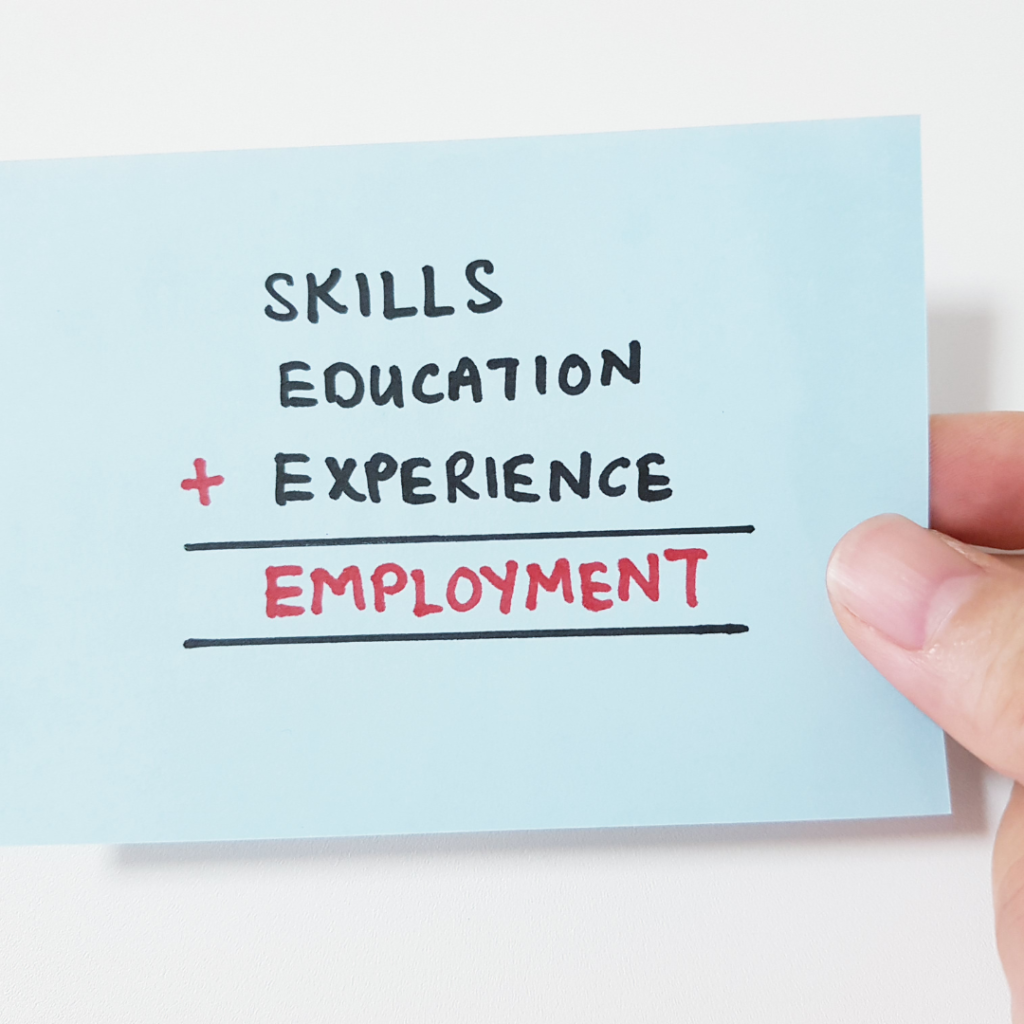
The transition from education to employment is one of the most significant milestones in a person’s life. For years, students focus on academic achievement, examinations, assignments, and subject-specific knowledge. Graduation often feels like the final step before entering a world filled with career opportunities and professional possibilities. However, once individuals move from classrooms into workplaces, they quickly discover that success depends on far more than academic qualifications alone.
The modern workplace is evolving rapidly. Technological innovation, changing business models, global collaboration, and increasing competition have transformed employer expectations. Organizations are no longer looking solely for candidates with strong academic backgrounds. They seek professionals who can communicate effectively, adapt to change, solve problems, collaborate with diverse teams, and contribute meaningfully from the beginning.
This shift has made workplace skills more valuable than ever before. While education remains essential for building knowledge and technical expertise, career readiness now requires a combination of professional skills, emotional intelligence, adaptability, and practical experience. Understanding the skills that become crucial in the modern workplace can help students and graduates prepare more effectively for long-term career growth and professional success.
The Changing Relationship Between Education and Employment
For decades, educational qualifications were considered the primary gateway to employment. A strong degree often served as the main indicator of career potential. Today, employers continue to value education, but they increasingly recognize that academic achievement alone does not guarantee workplace performance.
Modern organizations operate in fast-moving environments where employees must handle uncertainty, collaborate across departments, and adapt to emerging technologies. As a result, employers look beyond transcripts and certifications when evaluating candidates.
The transition from education to employment now involves developing skills that support practical application. Graduates who combine academic knowledge with workplace competencies often adapt more successfully to professional environments and achieve stronger career outcomes.
This evolution highlights the growing importance of career readiness and continuous professional development.
Communication Skills as a Foundation for Success
Among all workplace skills, communication skills remain one of the most important. Many graduates enter professional environments with strong technical knowledge but underestimate the role communication plays in career success.
The modern workplace depends on effective communication. Employees must participate in meetings, share ideas, collaborate on projects, write professional emails, and engage with clients and stakeholders. Clear communication improves teamwork, strengthens relationships, and reduces misunderstandings.
Professionals who communicate confidently often gain greater visibility within organizations. Their ideas are more likely to be heard, their contributions receive recognition, and they frequently earn opportunities for advancement.
On the other hand, communication challenges can create obstacles that affect workplace productivity and professional growth. This reality makes communication skills a critical component of career readiness.
Adaptability in a Rapidly Changing Workplace
The modern workplace rarely remains static. Technological advancements, economic shifts, and changing customer expectations continually reshape industries. As a result, adaptability has become one of the most valuable professional skills.
Adaptability allows employees to remain productive during periods of change. It involves learning new systems, embracing unfamiliar responsibilities, and responding positively to evolving circumstances.
Many graduates expect workplace environments to operate according to predictable routines. Instead, they often encounter situations that require flexibility and quick decision-making. Employees who adapt effectively are more likely to thrive in dynamic environments and contribute to organizational success.
Adaptability not only improves workplace performance but also supports long-term career growth by helping professionals remain relevant and competitive.

Problem-Solving Skills Drive Workplace Value
Academic environments often focus on identifying correct answers. Professional environments, however, frequently present complex situations where multiple solutions may be possible.
Problem-solving skills help employees analyze challenges, evaluate options, and develop practical solutions. Organizations value professionals who can address issues proactively rather than waiting for direction.
Employees with strong problem-solving abilities often become trusted contributors because they help improve efficiency and support organizational goals. Their ability to think critically and act decisively enhances workplace performance and strengthens professional credibility.
Problem-solving skills are particularly important in modern workplaces where innovation and adaptability play significant roles in success.
Emotional Intelligence Is Increasingly Important
While technical expertise remains valuable, emotional intelligence has emerged as a key factor influencing professional success. Emotional intelligence refers to the ability to understand emotions, manage reactions, and build positive relationships with others.
Workplaces are built on interactions between people. Employees collaborate with colleagues, managers, clients, and stakeholders on a daily basis. Emotional intelligence helps individuals navigate these relationships effectively.
Professionals with strong emotional intelligence often demonstrate empathy, self-awareness, and effective conflict resolution skills. They communicate thoughtfully and maintain professionalism even during challenging situations.
As organizations place greater emphasis on collaboration and workplace culture, emotional intelligence continues to grow in importance.
Time Management and Workplace Productivity
One of the most noticeable differences between education and employment involves how time is managed. Students often have flexibility in organizing their schedules, while workplaces operate within stricter deadlines and performance expectations.
Time management skills allow employees to prioritize responsibilities, meet deadlines, and maintain productivity. Effective time management reduces workplace stress and helps professionals handle multiple tasks simultaneously.
Employees who manage their time efficiently are often viewed as dependable and organized. These qualities contribute to stronger workplace performance and create opportunities for career advancement.
As workloads become increasingly complex, time management remains an essential skill for achieving long-term professional success.
Collaboration in Diverse Work Environments
Modern organizations rely heavily on teamwork. Employees frequently work with individuals from different backgrounds, cultures, and areas of expertise. As a result, collaboration has become a critical workplace skill.
Successful collaboration requires communication, respect, adaptability, and a willingness to contribute toward shared goals. Professionals who collaborate effectively help create productive and supportive work environments.
Graduates sometimes underestimate the importance of teamwork because academic achievements are often measured individually. However, workplace success frequently depends on collective effort.
Collaboration enhances productivity, encourages innovation, and strengthens organizational performance. It also contributes significantly to professional development and career growth.
Digital Literacy in the Modern Workforce
Technology plays a central role in nearly every industry. As businesses continue to adopt digital tools and automated systems, digital literacy has become essential for career readiness.
Digital literacy extends beyond basic computer knowledge. It includes understanding workplace software, communication platforms, data analysis tools, and emerging technologies.
Employees who embrace technology often adapt more easily to workplace changes and remain competitive in evolving industries. Those who resist technological development may encounter challenges that limit career opportunities.
Developing digital literacy supports employability and prepares professionals for the demands of the modern workplace.
Leadership Skills Begin Early
Many people associate leadership skills with senior positions. However, leadership begins long before individuals become managers or executives.
Leadership involves taking initiative, accepting responsibility, supporting colleagues, and contributing positively to organizational objectives. Employees who demonstrate leadership qualities often earn trust and recognition.
Organizations value professionals who can motivate others, solve problems, and maintain a positive attitude during challenges. Leadership skills contribute to career advancement because they indicate readiness for greater responsibility.
Developing leadership abilities early helps professionals prepare for future growth opportunities and long-term success.
Continuous Learning Supports Career Growth
The journey from education to employment does not mark the end of learning. In fact, professional success increasingly depends on continuous learning and skill development.
Industries evolve rapidly, creating demand for new knowledge and competencies. Employees who commit to lifelong learning remain adaptable and better prepared for future opportunities.
Continuous learning can involve professional certifications, training programs, workshops, mentorship, and workplace experiences. Each opportunity contributes to stronger expertise and greater confidence.
Professionals who prioritize learning often experience stronger career growth because they remain relevant in changing environments.
Resilience Helps Professionals Navigate Challenges
Every career includes setbacks, uncertainty, and unexpected obstacles. Resilience helps individuals maintain motivation and continue progressing despite difficulties.
Professionals with resilience view challenges as opportunities for growth rather than reasons to give up. They learn from experiences and adapt their strategies when circumstances change.
This mindset supports career readiness because it encourages persistence and continuous improvement. Employers value resilient employees because they remain productive during demanding situations.
Resilience contributes not only to workplace success but also to long-term professional development and personal growth.
Why Career Readiness Requires More Than Qualifications
One of the most important lessons graduates learn after entering the workforce is that qualifications alone are not enough. Academic knowledge provides a strong foundation, but workplace success depends on how effectively individuals apply that knowledge.
Career readiness involves communication skills, adaptability, problem-solving abilities, emotional intelligence, collaboration, leadership, and continuous learning. These professional skills help employees navigate workplace demands and contribute meaningfully to organizational success.
The most successful professionals understand that career growth requires both technical expertise and strong workplace competencies. By developing these skills early, individuals position themselves for greater opportunities and sustainable professional success.
Conclusion
The transition from education to employment involves much more than securing a job. It represents the beginning of a professional journey where workplace skills become increasingly important. While academic achievement remains valuable, modern organizations seek individuals who can communicate effectively, adapt to change, collaborate with others, and solve real-world problems.
Career readiness is built through a combination of education, professional development, and continuous learning. Communication skills, adaptability, leadership skills, digital literacy, emotional intelligence, and resilience all contribute to workplace success and long-term career growth.
As the modern workplace continues to evolve, professionals who invest in these crucial skills will be better prepared to navigate challenges, seize opportunities, and achieve meaningful career success. The path from education to employment is not simply about applying knowledge—it is about developing the capabilities that transform knowledge into lasting professional achievement.
You May Also Read
Innovation in Curriculum Design: Transforming Education Through Future-Ready Learning 2026
Innovation in Curriculum Design Education has always evolved alongside society,…
Read More
Why Universities Revise Their Curriculum Every Few Years: The Importance of Modern Higher Education 2026
Why Universities Revise Their Curriculum Every Few Years Higher education…
Read MoreUniversities With AI Research Facilities: A Complete Guide to Artificial Intelligence Education and Innovation 2026
Universities With AI Research Facilities Artificial intelligence has become one…
Read More
Leave a Reply