

Why Lifelong Learning Is Becoming Essential
In a world where technology evolves almost daily and industries transform faster than ever before, learning can no longer be viewed as something that ends after graduation. The traditional belief that education is limited to school, college, or university has gradually become outdated. Today, lifelong learning has emerged as one of the most valuable tools for personal growth, career advancement, and long-term success. Whether someone is a student, a working professional, an entrepreneur, or a business leader, continuous learning has become a necessity rather than a choice.
The modern workforce is experiencing unprecedented change. New technologies, digital transformation, artificial intelligence, automation, and evolving business models are reshaping how organizations operate. As a result, individuals who continue learning throughout their lives are better positioned to adapt to these shifts, while those who stop developing new skills may struggle to remain competitive. This reality explains why lifelong learning is becoming essential across every profession and industry.
The Shift from Traditional Education to Continuous Learning
For decades, people followed a relatively straightforward educational path. Individuals attended school, earned a degree, secured employment, and relied on their existing knowledge throughout their careers. While this approach worked in the past, the current professional landscape demands a different mindset.
Knowledge now becomes outdated more quickly than ever before. Skills that were highly valuable a few years ago may require significant updates today. Industries are introducing innovative tools, software, and processes at a remarkable pace, creating new expectations for employees and employers alike.
Continuous learning allows individuals to remain aligned with these changes. Rather than viewing education as a one-time achievement, lifelong learners treat knowledge acquisition as an ongoing process. This mindset helps people stay informed, capable, and adaptable in an environment characterized by constant transformation.
Why the Modern Job Market Rewards Lifelong Learners
Employers increasingly seek candidates who demonstrate curiosity, flexibility, and a willingness to learn. Technical expertise remains important, but organizations also recognize the value of professionals who can quickly acquire new knowledge and adapt to changing circumstances.
The future career landscape will likely continue evolving as automation and digital technologies become more widespread. Certain job roles may disappear, while entirely new professions emerge. Individuals who embrace lifelong learning are better prepared to navigate these changes because they consistently develop relevant skills.
Career growth often depends on the ability to learn faster than workplace demands evolve. Professionals who invest in continuous education frequently discover new opportunities, qualify for promotions, and become valuable contributors within their organizations.
Conversely, individuals who resist learning may find themselves facing increasing challenges as industries move forward. This contrast highlights why lifelong learning has become a critical component of career success.
The Role of Technology in Driving Continuous Education
Technology has significantly expanded access to learning opportunities. In previous generations, acquiring new knowledge often required attending physical classes or enrolling in formal educational institutions. Today, information is available through online courses, virtual workshops, educational platforms, webinars, podcasts, digital libraries, and professional communities.
This accessibility has transformed lifelong learning into a practical and achievable goal for people from all backgrounds. Individuals can learn at their own pace, explore specialized topics, and gain industry-relevant skills without disrupting their daily responsibilities.
Digital learning platforms have also made professional development more affordable and convenient. Whether someone wants to improve leadership abilities, master data analytics, understand artificial intelligence, or strengthen communication skills, countless resources are available online.
As technology continues to evolve, opportunities for continuous learning are expected to become even more accessible and personalized.
Building Future Career Skills Through Lifelong Learning
One of the strongest reasons why lifelong learning is becoming essential is its connection to future career skills. Employers increasingly prioritize professionals who possess both technical expertise and transferable skills.
Critical thinking, creativity, adaptability, communication, collaboration, and problem-solving have become highly sought-after competencies. These abilities enable individuals to navigate workplace challenges, contribute innovative ideas, and work effectively within diverse teams.
At the same time, digital skills continue gaining importance across industries. Understanding data, cybersecurity, cloud technologies, artificial intelligence tools, and digital communication platforms can significantly improve employability.
Lifelong learning provides a pathway for acquiring these skills. Instead of relying solely on formal education, individuals can continuously strengthen their capabilities and remain aligned with emerging workforce demands.
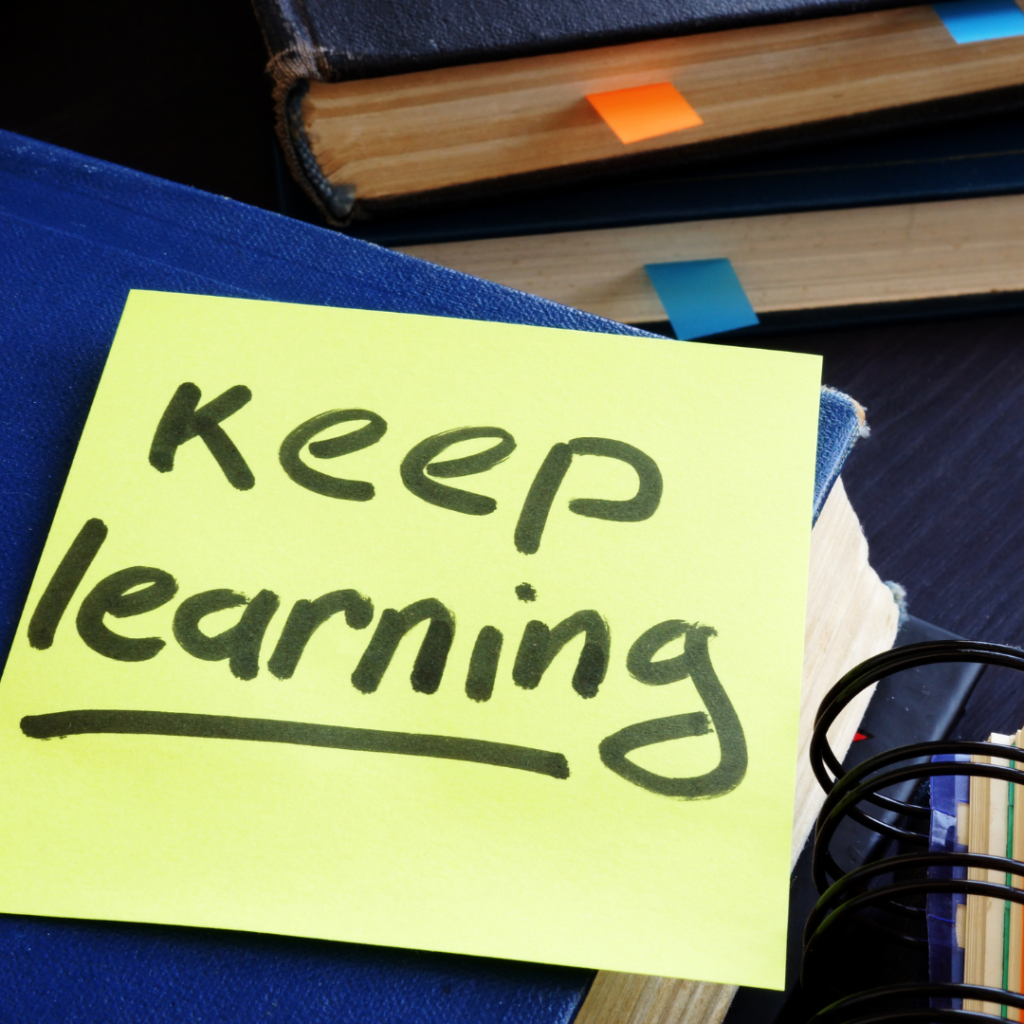
Adaptability: The Most Valuable Professional Asset
Change is one of the defining characteristics of the modern world. Economic shifts, technological innovations, global events, and industry disruptions regularly influence how businesses operate.
Adaptability has therefore become one of the most valuable qualities professionals can possess. Lifelong learning plays a crucial role in developing this adaptability because it encourages individuals to embrace new ideas and unfamiliar experiences.
People who engage in continuous learning often become more comfortable with change. They develop confidence in their ability to acquire new knowledge and solve unfamiliar problems. This confidence helps them navigate uncertainty more effectively and maintain professional relevance even during periods of disruption.
Organizations also benefit from adaptable employees because they can respond more efficiently to changing market conditions and evolving customer needs.
Lifelong Learning and Personal Development
While career advancement is a significant benefit, lifelong learning extends far beyond professional objectives. Continuous education contributes substantially to personal development and overall well-being.
Learning stimulates curiosity, broadens perspectives, and encourages intellectual growth. It allows individuals to explore new interests, develop hobbies, and gain a deeper understanding of the world around them.
People who regularly challenge themselves intellectually often experience increased confidence and motivation. Acquiring new skills creates a sense of accomplishment that can positively influence various aspects of life.
Additionally, lifelong learning promotes resilience. Individuals who continuously expand their knowledge are often better equipped to handle challenges because they possess a broader range of experiences and problem-solving strategies.
Overcoming the Fear of Falling Behind
Many professionals worry about keeping pace with technological advancements and industry changes. This concern is understandable given the rapid rate of innovation occurring across sectors.
Lifelong learning serves as an effective strategy for addressing these concerns. Rather than viewing change as a threat, continuous learners approach it as an opportunity for growth and development.
By consistently updating their knowledge, individuals reduce the risk of becoming disconnected from industry trends. They remain informed about emerging technologies, evolving best practices, and changing market expectations.
This proactive approach can provide a significant advantage in competitive professional environments while reducing uncertainty about future career prospects.
The Connection Between Lifelong Learning and Employability
Employability increasingly depends on an individual’s ability to learn and adapt. Employers recognize that specific technical skills may evolve over time, but a strong commitment to learning often predicts long-term success.
Candidates who demonstrate continuous improvement signal valuable qualities such as initiative, discipline, curiosity, and determination. These characteristics are frequently associated with high-performing employees.
Professional development activities, certifications, workshops, and independent learning projects can strengthen a candidate’s profile and increase career opportunities. Lifelong learners often stand out because they actively invest in their growth rather than waiting for external opportunities to appear.
In a competitive job market, this proactive mindset can make a substantial difference.

Creating a Culture of Learning for Long-Term Success
Organizations increasingly understand the importance of fostering learning cultures within the workplace. Businesses that encourage employee development often experience stronger innovation, improved productivity, and greater workforce engagement.
Employees who feel supported in their learning journeys are more likely to remain motivated and committed to organizational goals. Continuous education also helps companies remain competitive by ensuring their teams possess current knowledge and relevant skills.
The relationship between organizational success and lifelong learning continues to strengthen as industries become more knowledge-driven and innovation-focused.
Looking Ahead: Learning as a Lifelong Advantage
The future will undoubtedly bring new technologies, emerging industries, and evolving workplace expectations. While predicting every change is impossible, one reality remains clear: the ability to learn continuously will remain a valuable asset.
Lifelong learning is no longer reserved for academics or specialized professionals. It has become a practical necessity for anyone seeking sustainable career growth, personal fulfillment, and long-term adaptability.
Individuals who embrace continuous learning position themselves to take advantage of opportunities rather than react to challenges. They build confidence, expand their capabilities, and remain prepared for an ever-changing world.
Conclusion
The growing importance of lifelong learning reflects the realities of a rapidly evolving society. Technological progress, workplace transformation, and shifting economic demands have made continuous education an essential part of professional and personal success.
Those who commit to lifelong learning gain more than knowledge. They develop adaptability, resilience, confidence, and future-ready skills that support long-term growth. While the pace of change may sometimes feel demanding, it also creates remarkable opportunities for individuals willing to learn, evolve, and expand their horizons.
As industries continue transforming and new possibilities emerge, lifelong learning will remain one of the most powerful investments anyone can make. The willingness to keep learning today may ultimately determine success tomorrow, making lifelong learning not simply beneficial but truly essential for the future.
You May Also Read
Innovation in Curriculum Design: Transforming Education Through Future-Ready Learning 2026
Innovation in Curriculum Design Education has always evolved alongside society,…
Read More
Why Universities Revise Their Curriculum Every Few Years: The Importance of Modern Higher Education 2026
Why Universities Revise Their Curriculum Every Few Years Higher education…
Read MoreUniversities With AI Research Facilities: A Complete Guide to Artificial Intelligence Education and Innovation 2026
Universities With AI Research Facilities Artificial intelligence has become one…
Read More
Leave a Reply