

Why Future Workers Will Need Multiple Career Paths
The idea of spending an entire working life in a single profession is gradually becoming less common. For decades, many people followed a predictable route: complete an education, secure a job, climb the career ladder, and remain in the same field until retirement. However, the modern world is evolving at an extraordinary pace. Technological breakthroughs, shifting economic conditions, changing workplace expectations, and emerging industries are transforming how careers develop.
As a result, future workers are likely to experience professional journeys that are far more flexible and diverse than those of previous generations. Instead of relying on one career path throughout life, individuals may move between industries, develop expertise in multiple disciplines, and create new opportunities by combining different skills. This shift is redefining what career success looks like in the twenty-first century.
Understanding why future workers will need multiple career paths is becoming increasingly important for students, graduates, professionals, and employers alike. The future of work will reward adaptability, continuous learning, and the ability to navigate change confidently. Those who embrace this reality may discover greater career resilience and broader opportunities, while those who resist change could face increasing challenges in a rapidly evolving employment landscape.
The Traditional Career Model Is No Longer the Standard
For many years, professional success was associated with stability and specialization. Employees often remained within a single industry or organization for decades. Career progression typically followed a predictable structure, with promotions and responsibilities increasing over time.
Today’s workforce tells a different story. Economic shifts, digital transformation, globalization, and technological innovation have changed how organizations operate. Entire industries are being reshaped, and new sectors continue to emerge.
Many professionals now switch roles multiple times during their careers. Some move between industries, while others create entirely new career identities by combining expertise from different fields. This trend reflects the growing importance of career flexibility and professional adaptability.
The traditional model has not disappeared entirely, but it is no longer the only pathway to success. Future careers are becoming more dynamic, creating a greater need for multiple career options throughout a person’s working life.
Technology Is Accelerating Career Change
One of the biggest drivers behind multiple career paths is technology. Artificial intelligence, automation, machine learning, cloud computing, robotics, and digital platforms continue transforming the workplace at an unprecedented rate.
Some job functions are becoming automated, while new opportunities are emerging in areas that barely existed a decade ago. Roles related to data science, cybersecurity, artificial intelligence, digital marketing, sustainability, and advanced technology continue expanding.
This rapid evolution creates both possibilities and uncertainties. Workers who rely on a single skill set may encounter difficulties if industry demands change. In contrast, professionals with diverse skills and multiple career options are often better equipped to adapt.
Technology is not simply replacing jobs; it is reshaping them. Future workers will increasingly need to learn new skills, explore new industries, and remain open to different career directions throughout their lives.
Why Skill Diversification Matters
One of the strongest reasons future workers will need multiple career paths is the growing value of skill diversification. Employers increasingly seek individuals who can contribute in various ways rather than focusing on one narrow specialty.
A professional who understands technology, communication, project management, and problem-solving may have access to a wider range of opportunities than someone with expertise in only one area.
Skill diversification creates flexibility. It allows individuals to transition more easily between industries and adapt to changing workforce demands. It also reduces dependence on a single career path, which can improve long-term professional stability.
The future workforce is likely to reward individuals who continuously expand their capabilities and combine knowledge from different disciplines. These versatile professionals often become valuable contributors because they can connect ideas, solve complex challenges, and navigate diverse environments.
The Rise of Portfolio Careers
The concept of a portfolio career is gaining attention in modern workplaces. Rather than relying on a single professional identity, individuals may engage in multiple forms of work simultaneously.
For example, someone might work as a consultant, teach online courses, manage freelance projects, and develop digital content. Another professional may combine technical expertise with entrepreneurship or creative pursuits.
Portfolio careers provide greater flexibility and allow individuals to explore different interests while building multiple income streams. This approach can increase professional resilience, particularly during periods of economic uncertainty.
As remote work and digital platforms continue expanding, opportunities to build diverse career portfolios are becoming more accessible. Future workers may increasingly view career development as a collection of experiences rather than a single linear path.

Lifelong Learning Supports Career Flexibility
The connection between lifelong learning and multiple career paths is becoming stronger each year. Knowledge evolves rapidly, and industries regularly introduce new technologies, processes, and expectations.
Professionals who commit to continuous learning are often better prepared to navigate career transitions. They acquire new competencies, stay informed about emerging trends, and remain competitive in changing markets.
Lifelong learning also encourages curiosity and adaptability. Instead of fearing career changes, continuous learners often view them as opportunities for growth and advancement.
Online education, professional certifications, workshops, webinars, and self-directed learning have made skill development more accessible than ever. These resources enable individuals to explore new fields and prepare for future career opportunities throughout their lives.
Economic Changes Require Greater Career Resilience
Economic conditions can influence industries in unexpected ways. Market disruptions, technological advancements, global events, and shifting consumer behavior can affect employment opportunities across various sectors.
Career resilience has therefore become increasingly important. Workers who possess multiple skills and career options often have greater flexibility during periods of change.
Rather than relying entirely on one profession, they can leverage transferable skills to explore alternative opportunities. This flexibility reduces vulnerability and creates a stronger foundation for long-term success.
Future workers who develop diverse capabilities may be better positioned to navigate economic fluctuations while continuing to grow professionally.
Transferable Skills Create More Opportunities
One of the most valuable assets in a changing workforce is a strong set of transferable skills. These abilities remain useful across multiple industries and professions.
Communication, leadership, critical thinking, adaptability, teamwork, emotional intelligence, creativity, and problem-solving are examples of skills that retain value regardless of specific job roles.
Professionals who cultivate transferable skills can often transition between industries more effectively because these competencies remain relevant in various environments.
As future careers become increasingly interconnected, transferable skills will play a central role in enabling career mobility and flexibility.
Workers who invest in these capabilities expand their potential career options significantly.
The Future Workforce Will Value Adaptability
Adaptability is becoming one of the defining characteristics of successful professionals. The ability to respond positively to change and embrace new opportunities is essential in an unpredictable environment.
Future workers are unlikely to encounter a static career landscape. Instead, they may experience evolving roles, emerging technologies, changing responsibilities, and unexpected opportunities.
Adaptable individuals are better prepared to navigate these developments. They approach change with confidence rather than resistance and remain open to learning new skills and exploring new directions.
Organizations increasingly value adaptability because it supports innovation, productivity, and long-term growth. Employees who demonstrate flexibility often contribute more effectively in dynamic workplaces.
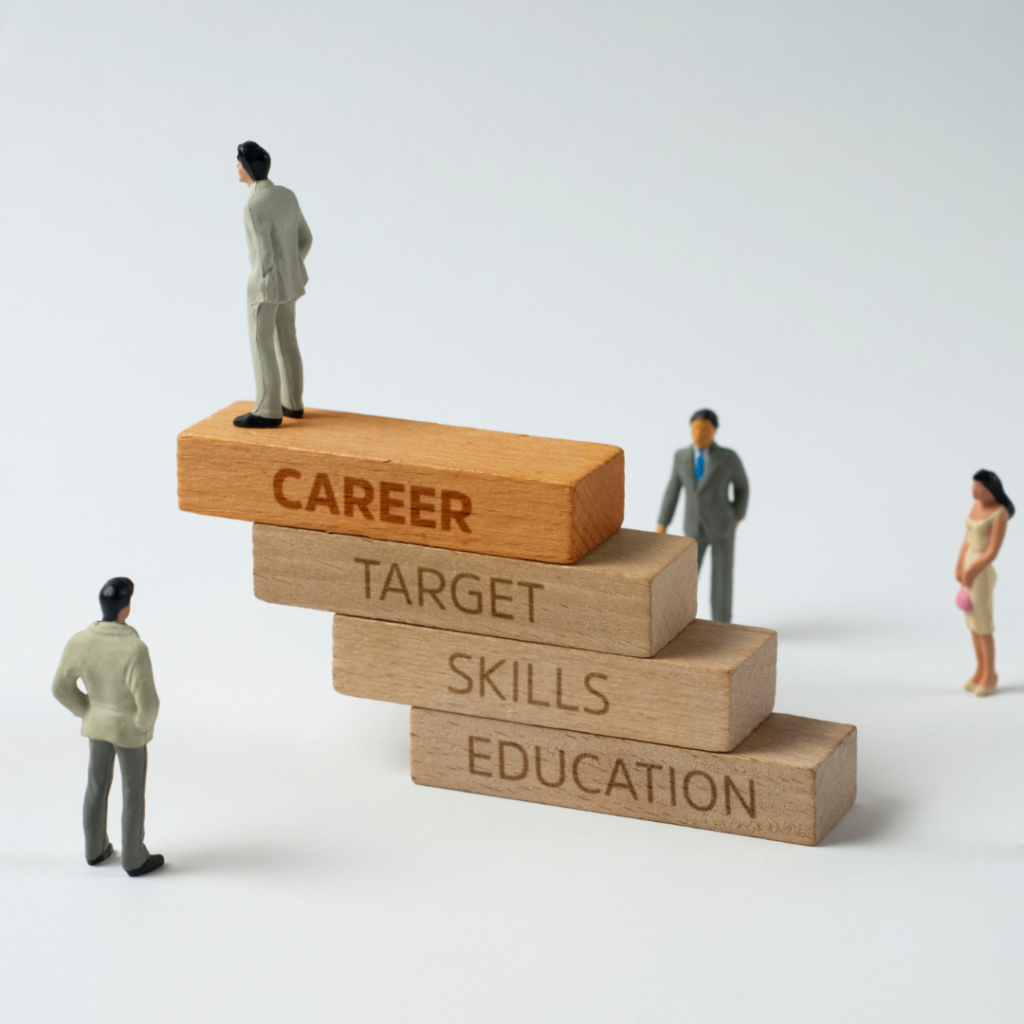
Career Satisfaction May Come from Multiple Experiences
Another reason multiple career paths are becoming important is the evolving definition of career satisfaction. Many professionals seek more than financial stability alone. They often pursue meaningful work, personal growth, creativity, flexibility, and purpose.
Different career experiences can help individuals discover what truly motivates them. Someone may begin in one profession, develop new interests, and eventually transition into a role that better aligns with personal values and strengths.
Exploring multiple career paths allows individuals to evolve professionally without feeling confined to a single identity. This flexibility can contribute to greater fulfillment and long-term engagement.
As priorities change throughout life, the ability to adjust career directions becomes increasingly valuable.
Preparing Students for a Multi-Career Future
Educational institutions are beginning to recognize that future careers may look very different from traditional models. Preparing students for a multi-career future requires more than subject knowledge.
Students need critical thinking, adaptability, communication skills, digital literacy, emotional intelligence, and lifelong learning habits. These qualities support career flexibility and help individuals remain relevant in changing environments.
Future-ready students understand that learning continues beyond graduation. They actively seek experiences, develop transferable skills, and remain open to new opportunities.
This mindset prepares them for careers that may involve multiple roles, industries, and professional identities over time.
Conclusion
The future of work is becoming increasingly dynamic, making multiple career paths more important than ever before. Technological advancement, economic shifts, evolving industries, and changing personal aspirations are reshaping professional journeys across the globe.
Rather than following a single career trajectory, future workers will likely navigate diverse opportunities throughout their lives. They may change industries, develop new skills, build portfolio careers, and continually reinvent themselves as circumstances evolve.
This shift should not be viewed as a challenge alone. It also represents an opportunity for greater flexibility, resilience, growth, and fulfillment. Individuals who embrace lifelong learning, skill diversification, adaptability, and career exploration will be better positioned to thrive in the future workforce.
As the workplace continues transforming, success will increasingly belong to those who can evolve alongside it. The future worker will not be defined by one job title or one profession. Instead, success will come from the ability to build, explore, and navigate multiple career paths with confidence and purpose.
In a rapidly changing world, career flexibility is no longer optional—it is becoming one of the most valuable professional advantages a person can possess.
You May Also Read
Innovation in Curriculum Design: Transforming Education Through Future-Ready Learning 2026
Innovation in Curriculum Design Education has always evolved alongside society,…
Read More
Why Universities Revise Their Curriculum Every Few Years: The Importance of Modern Higher Education 2026
Why Universities Revise Their Curriculum Every Few Years Higher education…
Read MoreUniversities With AI Research Facilities: A Complete Guide to Artificial Intelligence Education and Innovation 2026
Universities With AI Research Facilities Artificial intelligence has become one…
Read More
Leave a Reply