The New Learning Habits of Gen Z and Gen Alpha Students
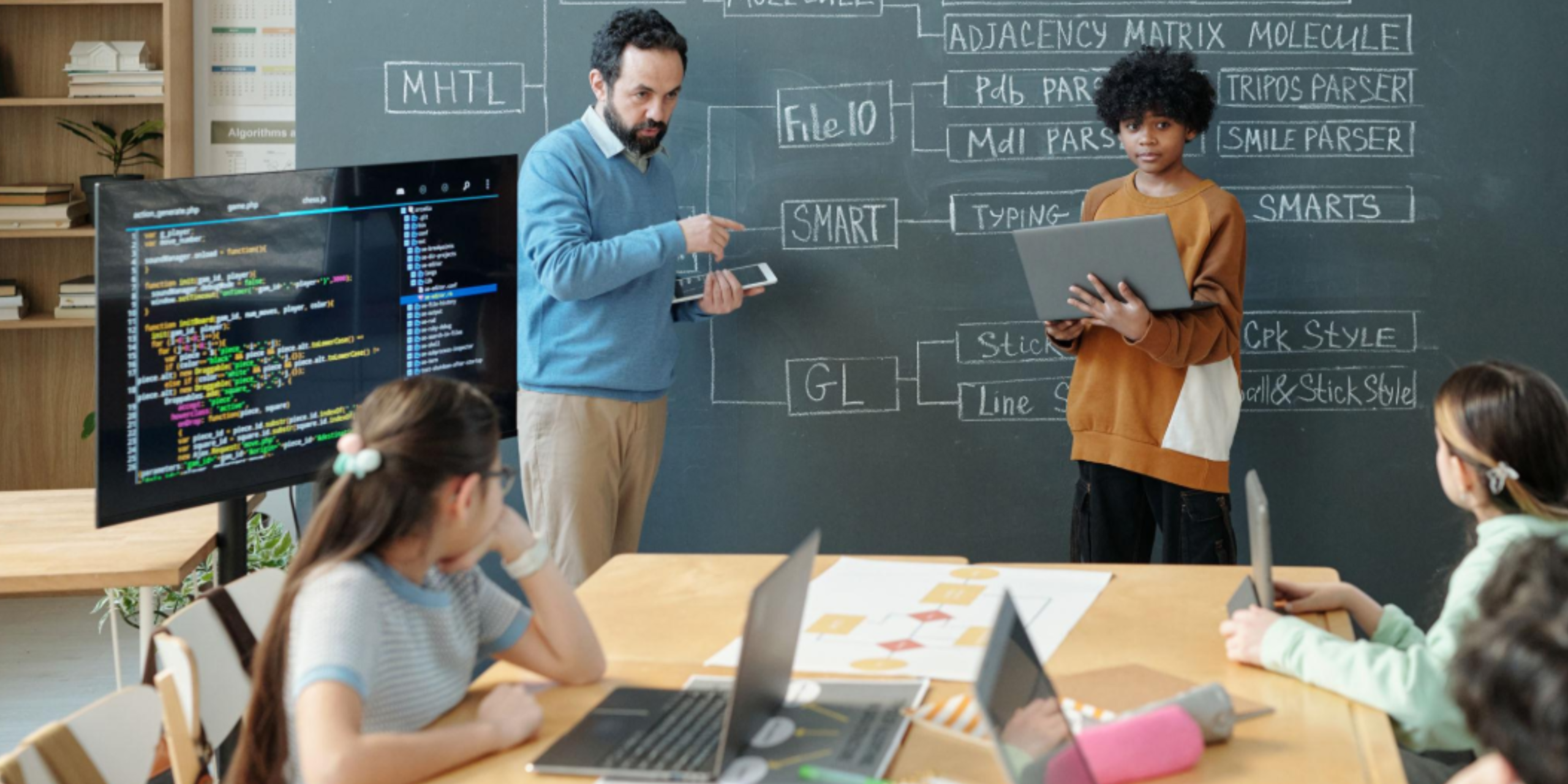
Education is evolving faster than ever, and much of this transformation is being driven by the changing learning habits of Gen Z and Gen Alpha students. Unlike previous generations, today’s learners have grown up in a world filled with smartphones, high-speed internet, digital platforms, and instant access to information. Their relationship with learning is significantly different from what many teachers, parents, and educational institutions experienced in the past. As technology becomes deeply integrated into daily life, the expectations, preferences, and behaviors of students continue to reshape the future of education.
The new learning habits of Gen Z and Gen Alpha students reflect a shift toward flexibility, personalization, digital engagement, and continuous access to knowledge. Traditional teaching methods still hold value, but they are increasingly being complemented by innovative educational tools and technology-driven learning experiences. While these developments create exciting opportunities, they also introduce certain concerns related to concentration, screen dependency, and information overload. Understanding these emerging learning patterns is essential for educators, institutions, and parents who want to support student success in a rapidly changing academic environment.
Digital Learning Has Become the New Normal
One of the most noticeable characteristics of Gen Z students and Gen Alpha students is their comfort with digital learning environments. Unlike previous generations that relied heavily on textbooks and physical resources, today’s learners often turn to online platforms, educational applications, and digital content as their primary sources of information.
Digital learning has transformed how students access educational materials. Whether they are reviewing lecture recordings, watching educational videos, attending virtual classes, or exploring interactive simulations, technology has become an essential part of their academic journey. The convenience of accessing information anytime and anywhere has significantly changed learning behaviors.
Students now expect educational content to be accessible, engaging, and responsive. This shift has encouraged schools, colleges, and universities to invest in education technology solutions that support modern learning preferences. As digital learning continues to expand, institutions that embrace technology are often better positioned to meet the expectations of today’s learners.
Short-Form Learning Is Gaining Popularity
The rise of social media and digital content platforms has influenced how Gen Z and Gen Alpha students consume information. Many students prefer shorter, focused learning segments rather than lengthy lectures or extensive reading sessions.
Microlearning has emerged as a powerful educational trend because it aligns with modern attention patterns. Students often learn more effectively when complex topics are divided into smaller, manageable sections. Short educational videos, quick tutorials, concise explanations, and interactive learning modules have become valuable resources for enhancing understanding.
This preference does not necessarily indicate reduced intellectual capability. Instead, it reflects changing content consumption habits shaped by digital experiences. Educational institutions are increasingly adapting their teaching methods to incorporate shorter learning formats that maintain engagement while delivering meaningful knowledge.
Personalized Learning Is Reshaping Student Experiences
Another significant trend among Gen Z students and Gen Alpha students is the demand for personalized learning experiences. Modern learners want educational pathways that match their interests, abilities, and goals rather than rigid one-size-fits-all systems.
Personalized learning allows students to progress at their own pace while focusing on areas where they need additional support. Advanced educational technology platforms can analyze learning behavior and recommend customized resources based on individual performance.
This approach creates a more meaningful learning experience because students feel empowered rather than restricted. Personalized learning encourages deeper engagement, stronger motivation, and improved academic outcomes. As schools and universities continue adopting adaptive learning technologies, personalized education is becoming a central component of modern learning environments.

Interactive Learning Drives Better Engagement
Gen Z and Gen Alpha learners often thrive in environments that encourage participation rather than passive observation. Traditional lectures alone may struggle to maintain attention in a world filled with dynamic digital experiences.
Interactive learning methods such as quizzes, gamified activities, collaborative projects, virtual simulations, and real-time discussions help create more engaging educational experiences. Students enjoy learning environments where they can actively contribute rather than simply absorb information.
The increasing popularity of interactive learning demonstrates the importance of student engagement in education. When learners feel involved in the educational process, they are more likely to retain information and develop critical thinking skills. This trend is influencing how educational institutions design courses and learning experiences.
AI and Smart Learning Tools Are Becoming Everyday Resources
Artificial intelligence is playing an increasingly important role in the learning habits of Gen Z and Gen Alpha students. AI-powered educational tools provide personalized recommendations, instant feedback, and intelligent learning support that enhance academic performance.
Many students now use AI-based platforms for research assistance, language learning, practice exercises, and study planning. These smart learning tools help learners overcome challenges more efficiently while encouraging independent exploration.
The integration of AI in education offers significant advantages, including greater accessibility and improved learning efficiency. However, it also raises important questions about responsible usage and maintaining essential human learning skills. Educational institutions must strike a thoughtful balance between technological support and traditional educational values.
Collaborative Learning Is Expanding Beyond Classrooms
Technology has transformed collaboration into a global experience. Gen Z students and Gen Alpha students frequently engage in collaborative learning through online communities, discussion forums, group projects, and virtual study sessions.
Unlike previous generations that relied primarily on face-to-face interactions, today’s learners can connect with peers across different regions and cultures. This expanded access to diverse perspectives enriches educational experiences and promotes stronger communication skills.
Collaborative learning encourages creativity, teamwork, and problem-solving abilities. As workplaces increasingly value collaboration and adaptability, these learning habits are helping students develop skills that extend beyond academic success.
Learning Is Becoming More Visual and Experiential
Visual learning has become increasingly important among modern students. Educational videos, infographics, animations, virtual reality experiences, and interactive simulations often capture attention more effectively than text-heavy materials.
Gen Z and Gen Alpha learners are accustomed to visually rich digital environments. As a result, they often process information more efficiently when educational content incorporates visual elements. This shift is encouraging educators to adopt more diverse teaching strategies that accommodate different learning preferences.
Experiential learning is also gaining momentum. Students increasingly value opportunities to apply theoretical knowledge through practical activities, real-world projects, internships, and immersive experiences. This hands-on approach strengthens understanding while making education more relevant and engaging.
The Challenges Behind Modern Learning Habits
Although the new learning habits of Gen Z and Gen Alpha students offer many benefits, they also present certain challenges. Constant access to digital devices can contribute to distractions, reduced concentration spans, and information saturation.
The abundance of available content can sometimes make it difficult for students to distinguish between reliable and inaccurate information. Developing critical thinking and digital literacy skills has become more important than ever.
Screen dependency is another concern. While technology enhances learning opportunities, excessive screen exposure may affect focus, well-being, and interpersonal interactions. Educational institutions and families must encourage healthy technology habits that support balanced development.
Additionally, not all students have equal access to advanced digital tools and high-speed internet. Addressing this accessibility gap remains essential for ensuring that educational innovation benefits all learners rather than creating new barriers.

How Schools, Colleges, and Universities Are Adapting
Educational institutions are actively responding to the changing learning habits of Gen Z and Gen Alpha students. Schools, colleges, and universities are redesigning curricula, integrating education technology, and adopting more flexible teaching models.
Blended learning environments that combine traditional instruction with digital resources are becoming increasingly common. Institutions are also investing in AI-powered platforms, virtual learning systems, and personalized educational tools to improve student engagement and academic performance.
Educators are recognizing that modern students value relevance, flexibility, and active participation. By adapting to these preferences, institutions can create learning experiences that are both effective and meaningful. This evolution represents a significant step toward preparing students for future academic and professional success.
The Future of Learning for Gen Z and Gen Alpha
The future of education will continue to be shaped by the evolving learning habits of Gen Z and Gen Alpha students. Emerging technologies such as artificial intelligence, augmented reality, virtual reality, and advanced analytics are likely to create even more personalized and immersive educational experiences.
Future classrooms may become highly adaptive environments where learning content automatically adjusts to individual needs. Students could benefit from intelligent educational assistants that provide continuous support and customized guidance throughout their academic journey.
Despite these technological advancements, the importance of human connection will remain unchanged. Teachers, mentors, and educational leaders will continue playing essential roles in fostering creativity, emotional intelligence, ethical thinking, and social development.
The most successful educational systems will be those that combine technological innovation with meaningful human interaction. This balanced approach will help students develop both academic excellence and life skills necessary for long-term success.
Conclusion
The new learning habits of Gen Z and Gen Alpha students are transforming education in remarkable ways. Digital learning, personalized learning, interactive experiences, AI-powered tools, collaborative environments, and visual content are redefining how students engage with knowledge. These evolving behaviors are creating opportunities for more flexible, engaging, and effective educational experiences.
At the same time, challenges such as digital distractions, information overload, and accessibility concerns require thoughtful attention. Schools, colleges, universities, and families must work together to ensure that technology enhances learning without diminishing essential human skills.
As education continues to evolve, understanding the learning habits of Gen Z and Gen Alpha students will be crucial for creating environments that inspire curiosity, encourage growth, and prepare learners for a rapidly changing world. The future of education is not simply about technology; it is about using innovation wisely to unlock the full potential of every student.
You May Also Read
Innovation in Curriculum Design: Transforming Education Through Future-Ready Learning 2026
Innovation in Curriculum Design Education has always evolved alongside society,…
Read More
Why Universities Revise Their Curriculum Every Few Years: The Importance of Modern Higher Education 2026
Why Universities Revise Their Curriculum Every Few Years Higher education…
Read MoreUniversities With AI Research Facilities: A Complete Guide to Artificial Intelligence Education and Innovation 2026
Universities With AI Research Facilities Artificial intelligence has become one…
Read More
Leave a Reply