

How Students Are Turning Hobbies Into Careers
A few years ago, hobbies were generally viewed as activities people enjoyed during their free time. They were considered a source of relaxation, entertainment, or personal satisfaction rather than a pathway to professional success. Today, that perception is changing dramatically. Across the world, students are transforming hobbies into careers and building income streams from activities they genuinely enjoy. From content creation and photography to gaming, graphic design, writing, music, fitness, and digital marketing, young individuals are discovering that passion and profession can successfully coexist.
The rise of digital platforms, online marketplaces, social media networks, and remote work opportunities has created an environment where students no longer have to wait until graduation to begin their professional journey. Instead, many are turning their hobbies into careers while still studying. This shift is not only redefining career development but also changing how society views work, success, and personal fulfillment.
The growing popularity of hobby-based careers reflects a broader transformation in the employment landscape. Traditional career paths remain valuable, but students are increasingly exploring alternatives that offer flexibility, creativity, independence, and long-term growth. While these opportunities bring exciting possibilities, they also introduce challenges related to competition, consistency, and sustainability. Understanding how students are turning hobbies into careers provides valuable insight into the future of work and career development.
The Shift From Traditional Career Thinking
For generations, career planning followed a predictable pattern. Students completed their education, earned a degree, and pursued employment within a specific industry. While this model continues to work for many individuals, modern students are increasingly seeking career paths that align with their interests and personal strengths.
The internet has significantly influenced this change. Students now have direct access to audiences, clients, customers, and learning resources that were previously unavailable. As a result, the gap between passion and profession has narrowed considerably.
Many young people no longer view hobbies as separate from career goals. Instead, they see hobbies as potential foundations for entrepreneurship, freelancing, and personal branding. This evolving mindset is encouraging students to explore opportunities beyond conventional employment structures.
The ability to build a career around personal interests often leads to greater motivation and engagement. When individuals enjoy what they do, they are more likely to invest time, energy, and creativity into developing their skills and expanding their opportunities.
Digital Platforms Have Created New Career Possibilities
One of the biggest reasons students are turning hobbies into careers is the growth of digital platforms. Social media channels, video-sharing websites, freelance marketplaces, and e-commerce platforms have opened doors that did not exist for previous generations.
A student passionate about photography can now showcase work online and attract clients from different regions. Someone who enjoys writing can earn income through blogging, content creation, or freelance projects. Students interested in gaming can build audiences through streaming platforms and competitive events.
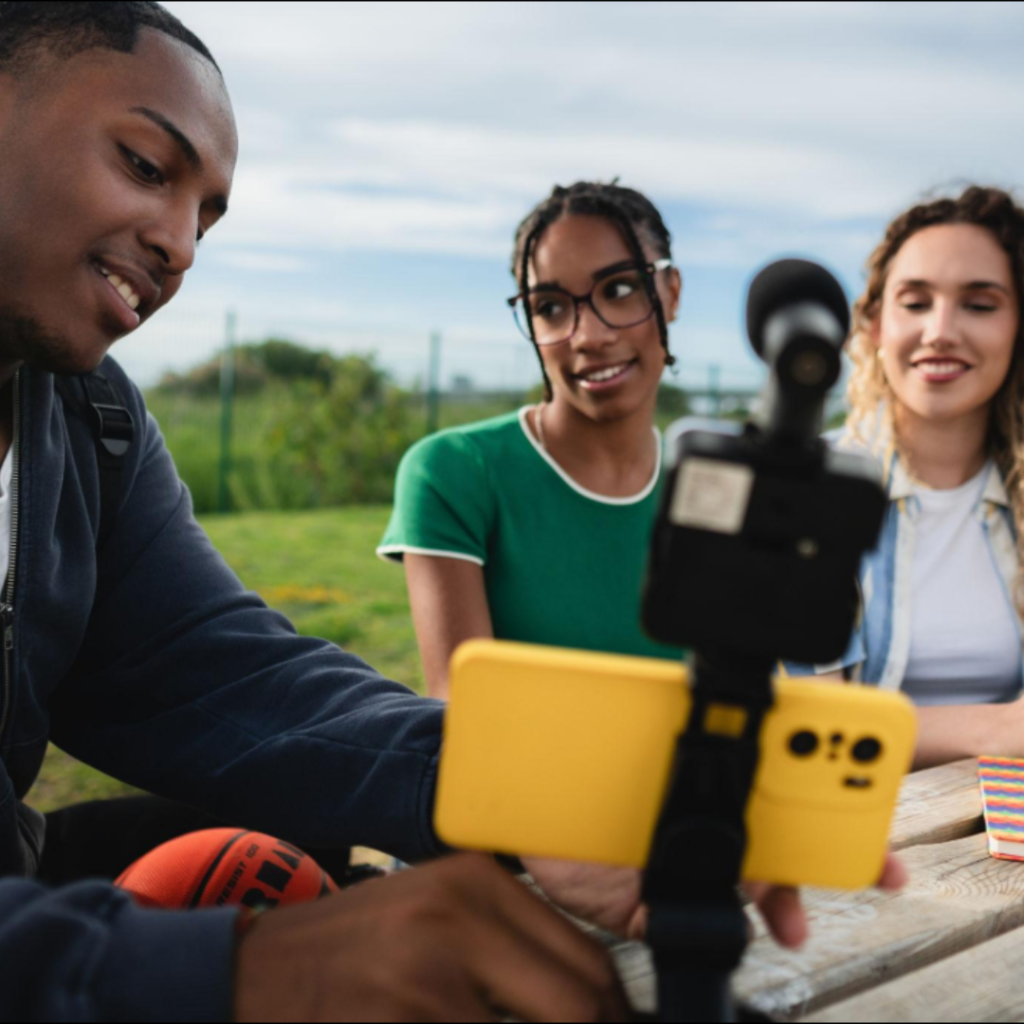
These opportunities allow students to monetize hobbies without requiring substantial financial investment. In many cases, a smartphone, internet connection, and consistent effort are enough to begin building an online presence.
The accessibility of digital platforms has democratized career opportunities. Students from various backgrounds can showcase talent, develop professional networks, and create income-generating activities based on their interests.
Freelancing Is Helping Students Build Professional Experience
Freelancing has become one of the most popular ways students convert hobbies into careers. Skills developed through hobbies often translate directly into freelance services that businesses and individuals are willing to pay for.
Graphic design enthusiasts frequently offer branding and design services. Students who enjoy writing pursue content creation opportunities. Those interested in video editing, photography, social media management, or web development often find freelance projects that help them gain practical experience while earning income.
Freelancing provides several advantages beyond financial rewards. Students learn client communication, project management, time management, and problem-solving skills that strengthen their professional development. These experiences often make graduates more competitive in the job market.
At the same time, freelancing requires dedication and consistency. Building a reputation, attracting clients, and maintaining quality standards can be demanding. However, students who remain committed often discover valuable long-term career opportunities.

Content Creation Has Become a Legitimate Career Path
One of the most visible examples of students turning hobbies into careers is content creation. Activities such as creating videos, writing blogs, producing podcasts, and sharing educational content have evolved into significant professional opportunities.
Many students begin creating content as a creative outlet. Over time, consistent effort can lead to audience growth, brand collaborations, advertising revenue, and sponsorship opportunities. Content creation careers continue expanding as businesses increasingly rely on digital marketing and online engagement.
What makes content creation particularly attractive is its flexibility. Students can create content around topics they genuinely enjoy, whether those interests involve technology, education, fashion, fitness, travel, gaming, or personal development.
However, success in content creation rarely happens overnight. Building credibility and attracting a loyal audience requires patience, persistence, and adaptability. Students who understand these realities are often better prepared to navigate the competitive digital landscape.
Student Entrepreneurship Is on the Rise
Entrepreneurship is another area where hobbies are becoming careers. Many students are launching small businesses based on activities they already enjoy. Handmade crafts, digital products, tutoring services, fitness coaching, photography businesses, and online stores are just a few examples.
Student entrepreneurship provides opportunities for creativity, innovation, and financial independence. Running a business allows individuals to develop leadership skills while gaining firsthand experience in marketing, sales, customer service, and strategic planning.
The entrepreneurial journey is not without obstacles. Students often face uncertainty, limited resources, and intense competition. Yet these challenges frequently become valuable learning experiences that contribute to long-term growth and resilience.
As entrepreneurship becomes more accessible through digital tools and online platforms, an increasing number of students are exploring ways to transform personal interests into profitable ventures.
Personal Branding Is Changing Career Development
Modern career success is increasingly connected to personal branding. Students who consistently share their expertise, showcase their skills, and engage with online communities can establish strong professional identities before entering the workforce.
Personal branding allows students to demonstrate credibility and attract opportunities related to their hobbies. Whether someone is passionate about design, coding, fitness, writing, music, or business, building an online presence can significantly enhance visibility.
Employers and clients often value practical experience and demonstrated skills alongside academic achievements. Students who actively develop personal brands may gain advantages when pursuing freelance projects, internships, partnerships, or employment opportunities.
This trend highlights how career development is evolving. Professional success is no longer determined solely by formal qualifications. Skills, creativity, and online visibility are becoming increasingly important components of career growth.
Why Passion-Based Careers Appeal to Modern Students
The growing interest in passion-based careers reflects changing priorities among younger generations. Many students seek careers that provide purpose, flexibility, and personal satisfaction in addition to financial stability.
Traditional employment structures often emphasize routine and hierarchy. In contrast, hobby-based careers frequently offer greater autonomy and creative freedom. Students appreciate opportunities to work on projects that align with their interests and values.
This does not mean passion-based careers are always easier. In fact, turning a hobby into a profession often requires significant discipline and continuous learning. The difference is that students are frequently more willing to invest effort when they are genuinely interested in the work.
Passion-driven careers can also create stronger motivation during challenging periods. When individuals care deeply about their work, they are often more resilient when facing setbacks and uncertainty.
Challenges Students Face When Turning Hobbies Into Careers
Although the idea of transforming hobbies into careers is appealing, it is important to recognize the associated challenges. Competition in digital industries continues increasing as more individuals pursue similar opportunities.
Income instability is another concern. Unlike traditional employment, freelance and entrepreneurial careers may experience fluctuations in earnings. Students must learn financial planning and risk management to navigate these uncertainties effectively.
Balancing academic responsibilities with career development can also be demanding. Managing coursework, projects, deadlines, and professional commitments requires strong organizational skills.
There is also the possibility of losing enjoyment when a hobby becomes a source of income. Activities that once provided relaxation may begin to feel like obligations if not managed carefully. Maintaining balance remains essential for long-term sustainability.
The Future of Hobby-Based Careers
The future of work suggests that hobby-based careers will continue expanding. Advances in technology, remote work opportunities, digital platforms, and global connectivity are creating new possibilities for students worldwide.
Artificial intelligence, creator economies, digital entrepreneurship, and online learning platforms are expected to generate additional career opportunities that align with personal interests and specialized skills. Students who adapt to these changes may find themselves better positioned for future success.
Educational institutions are also recognizing the importance of entrepreneurial thinking, creativity, and practical skills. Many schools and universities now encourage students to explore innovative career pathways alongside traditional academic pursuits.
This shift indicates that the relationship between hobbies and careers will become even stronger in the coming years. Students who combine passion with professionalism may gain significant advantages in an increasingly dynamic employment landscape.
Conclusion
The trend of students turning hobbies into careers is reshaping the way people think about professional success. Digital platforms, freelancing opportunities, content creation, entrepreneurship, and personal branding have made it possible for students to transform personal interests into meaningful income-generating careers.
While challenges such as competition, uncertainty, and time management remain important considerations, the opportunities available today are greater than ever before. Students who develop their skills, remain adaptable, and approach their passions with commitment can create rewarding career paths that align with both personal fulfillment and professional growth.
As the future of work continues evolving, the distinction between hobbies and careers is becoming increasingly blurred. For many students, what begins as a simple interest may ultimately become a successful profession, proving that passion, when combined with dedication and strategy, can open doors to remarkable opportunities.
You May Also Read
Innovation in Curriculum Design: Transforming Education Through Future-Ready Learning 2026
Innovation in Curriculum Design Education has always evolved alongside society,…
Read More
Why Universities Revise Their Curriculum Every Few Years: The Importance of Modern Higher Education 2026
Why Universities Revise Their Curriculum Every Few Years Higher education…
Read MoreUniversities With AI Research Facilities: A Complete Guide to Artificial Intelligence Education and Innovation 2026
Universities With AI Research Facilities Artificial intelligence has become one…
Read More
Leave a Reply