

How Gamification Is Transforming Student Learning
Education has always evolved alongside society. As technology advances and student expectations change, teaching methods continue adapting to meet new learning needs. One of the most significant developments in modern education is the rise of gamification. What was once considered a strategy primarily associated with entertainment is now becoming a powerful educational approach that influences classrooms, online learning platforms, training programs, and academic environments around the world.
Gamification in education is changing how students interact with learning materials, complete assignments, and engage with educational content. By incorporating game-inspired elements such as rewards, achievements, challenges, progress tracking, points, and interactive activities, educators are creating learning experiences that feel more engaging and meaningful. This transformation is reshaping student motivation, participation, and overall learning outcomes.
The growing popularity of educational gamification reflects a larger shift toward student-centered learning. Learners today expect experiences that are interactive, dynamic, and relevant. Traditional methods still hold value, but many students respond more positively when learning becomes active rather than passive. As educational institutions continue exploring innovative teaching strategies, gamification is emerging as one of the most influential forces shaping the future of education.
Understanding Gamification in Education
Gamification refers to the application of game-like mechanics and motivational techniques within non-game environments. In education, this means integrating elements commonly found in games into learning activities to encourage participation and enhance engagement.
Rather than turning every lesson into a game, educational gamification focuses on using specific features that make games compelling. These features often include progress indicators, achievement systems, leaderboards, challenges, rewards, levels, and immediate feedback.
The purpose of gamified learning is not simply to entertain students. Instead, it aims to make educational experiences more interactive and motivating. When learners can visualize progress, earn recognition for achievements, and overcome meaningful challenges, they often become more invested in the learning process.
This approach has gained significant attention because it aligns closely with how many students already interact with technology and digital platforms in their daily lives.
Why Student Engagement Matters More Than Ever
Student engagement has become a central focus in modern education. Even the most well-designed curriculum can struggle to produce results if learners are disconnected, uninterested, or unmotivated. Engagement influences attention, participation, retention, and overall academic performance.
Traditional educational approaches sometimes face difficulties maintaining student interest, particularly in an era filled with digital distractions and constant streams of information. Learners are increasingly accustomed to interactive experiences that provide immediate feedback and ongoing stimulation.
Gamification addresses this challenge by creating learning environments that encourage active participation. Instead of simply receiving information, students become participants in their educational journeys. They set goals, track progress, complete challenges, and celebrate achievements.
This sense of involvement helps create stronger emotional connections to learning, making educational experiences more memorable and rewarding.
How Gamified Learning Increases Motivation
Motivation plays a crucial role in academic success. Students who feel motivated are more likely to invest effort, persist through difficulties, and pursue continuous improvement. One of the most significant strengths of gamification in education is its ability to enhance motivation.
Game-inspired systems provide clear objectives and visible progress. Students understand what they need to accomplish and receive immediate feedback regarding their performance. This clarity reduces uncertainty and encourages consistent engagement.
Achievements, badges, points, and milestones create a sense of accomplishment that reinforces positive learning behaviors. Small successes build momentum, helping students remain motivated even when learning challenging concepts.
Gamified learning environments also encourage curiosity and exploration. Rather than focusing solely on outcomes, students become interested in the process of learning itself. This shift can lead to deeper engagement and stronger educational results.
The Psychology Behind Educational Gamification
The effectiveness of gamification is closely connected to human psychology. Games are successful because they tap into fundamental motivational drivers such as achievement, progression, recognition, mastery, and challenge.
Educational gamification leverages these same principles. When students complete tasks and receive feedback, their brains associate progress with accomplishment. This creates a cycle of engagement that encourages continued participation.
The ability to see improvement over time is particularly powerful. Progress bars, levels, and achievement systems provide visual evidence of growth, helping students recognize their efforts and stay committed to learning objectives.
Additionally, gamification can reduce anxiety by framing challenges as opportunities for improvement rather than threats of failure. This supportive environment encourages experimentation, persistence, and resilience.
Personalized Learning Through Gamification
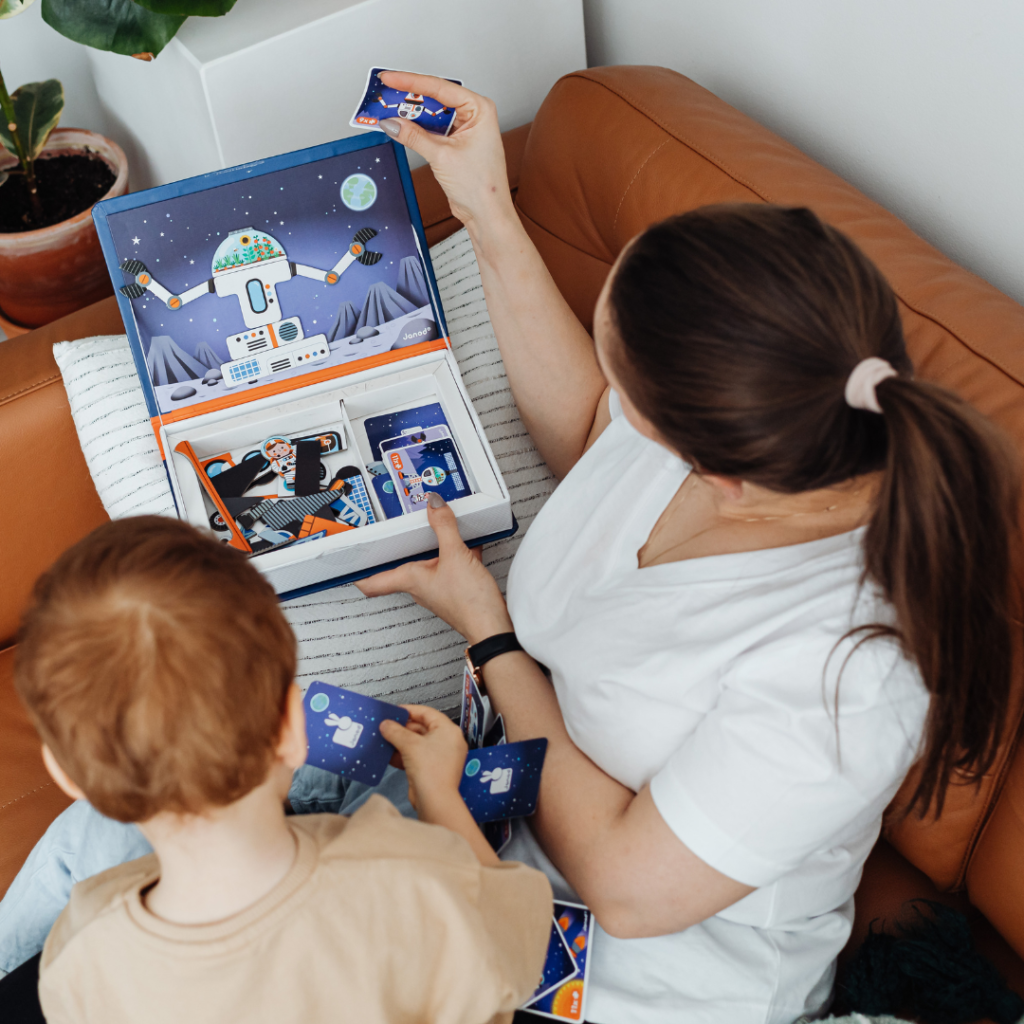
Every student learns differently. Some learners thrive in competitive environments, while others prefer self-paced progress and individual achievement. Gamification supports personalized learning by offering multiple pathways to success.
Modern educational technology platforms often use adaptive systems that adjust difficulty levels based on student performance. Learners receive challenges that match their abilities, preventing boredom and reducing frustration.
Personalized learning experiences help students maintain confidence while developing new skills. Instead of forcing everyone to follow identical learning journeys, gamified systems accommodate different strengths, interests, and learning styles.
This flexibility contributes to stronger engagement and improved educational outcomes across diverse student populations.
Gamification Encourages Active Learning
One of the biggest limitations of passive learning is that students often become observers rather than participants. Listening to lectures or reading information can be valuable, but deeper understanding frequently emerges through active involvement.
Gamified learning promotes participation by requiring students to make decisions, solve problems, complete challenges, and apply knowledge in practical situations. This active engagement strengthens comprehension and improves retention.
When learners interact directly with educational content, they become more invested in outcomes. They are not simply consuming information; they are using it to achieve goals and overcome obstacles.
This approach aligns closely with modern educational philosophies that emphasize experiential learning, critical thinking, and practical application.
Digital Learning Platforms Are Accelerating Adoption
The rapid growth of educational technology has contributed significantly to the expansion of gamification. Online learning platforms, mobile applications, virtual classrooms, and digital educational tools increasingly incorporate game-inspired features.
Students can now participate in quizzes, simulations, interactive exercises, and achievement-based learning experiences from virtually anywhere. These platforms provide instant feedback and real-time progress tracking, enhancing both accessibility and engagement.
Digital learning environments also allow educators to collect valuable data about student performance. This information helps identify strengths, address weaknesses, and personalize instruction more effectively.
As educational technology continues advancing, gamification is expected to become an even more integrated component of modern learning systems.
Building Essential Skills Beyond Academics
Gamification does more than improve academic performance. It also helps students develop valuable life skills that extend beyond the classroom. Problem-solving, collaboration, adaptability, communication, strategic thinking, and perseverance are often integrated into gamified learning experiences.
Students learn how to set goals, manage challenges, evaluate outcomes, and refine strategies based on feedback. These skills are highly relevant in professional environments where continuous learning and adaptability are essential.
Collaborative gamified activities encourage teamwork and social interaction. Learners practice working together toward shared objectives while developing interpersonal skills that support future success.
The combination of academic and personal development makes educational gamification particularly valuable in preparing students for an increasingly complex world.

Challenges and Concerns Surrounding Gamification
Despite its many advantages, gamification is not without challenges. Poorly designed systems may emphasize rewards too heavily, encouraging students to focus on external incentives rather than genuine learning.
There is also a risk that excessive competition could create pressure for some learners. Not every student responds positively to leaderboards or performance comparisons.
Effective gamification requires thoughtful implementation. Educational goals must remain the primary focus, with game mechanics serving as tools that support learning rather than distract from it.
Educators must also ensure that gamified experiences remain inclusive, accessible, and meaningful for diverse student populations. When balanced carefully, gamification can enhance learning without compromising educational integrity.
The Future of Gamification in Education
The future of gamification in education appears highly promising. Advances in artificial intelligence, virtual reality, augmented reality, and adaptive learning technologies are creating new possibilities for immersive educational experiences.
Future classrooms may incorporate highly personalized gamified environments that respond dynamically to individual student needs. Learners could explore virtual simulations, participate in collaborative challenges, and engage with educational content in increasingly interactive ways.
Educational institutions are recognizing that engagement, motivation, and practical skill development are essential components of successful learning. Gamification aligns with these priorities while supporting broader goals related to student achievement and lifelong learning.
As technology continues evolving, gamified learning is likely to play an increasingly important role in educational innovation.
Why Gamification Matters in Modern Education
The growing influence of gamification reflects a deeper understanding of how students learn most effectively. Learning is not simply about absorbing information; it is about participation, curiosity, exploration, and growth.
Gamification transforms educational experiences by making learning more interactive, meaningful, and rewarding. It encourages students to take ownership of their progress while developing confidence and resilience.
By combining educational objectives with motivational strategies, gamification creates environments where students are more likely to engage deeply with content and pursue continuous improvement.
This approach is helping educators bridge the gap between traditional instruction and the expectations of modern learners.
Conclusion
Gamification is transforming student learning by introducing engagement, motivation, personalization, and interactivity into educational experiences. Through game-inspired elements, students become active participants in their learning journeys rather than passive recipients of information.
As educational technology continues advancing, gamified learning will likely become an increasingly important part of modern education. Its ability to improve student engagement, strengthen learning outcomes, and develop essential life skills makes it a valuable tool for educators and institutions worldwide.
While thoughtful implementation remains essential, the benefits of educational gamification are becoming increasingly evident. By combining the excitement of achievement with meaningful learning objectives, gamification is helping shape a future where education is more engaging, adaptable, and effective than ever before. In a rapidly changing world, this transformation may prove to be one of the most impactful innovations in the future of education
You May Also Read
Innovation in Curriculum Design: Transforming Education Through Future-Ready Learning 2026
Innovation in Curriculum Design Education has always evolved alongside society,…
Read More
Why Universities Revise Their Curriculum Every Few Years: The Importance of Modern Higher Education 2026
Why Universities Revise Their Curriculum Every Few Years Higher education…
Read MoreUniversities With AI Research Facilities: A Complete Guide to Artificial Intelligence Education and Innovation 2026
Universities With AI Research Facilities Artificial intelligence has become one…
Read More
Leave a Reply