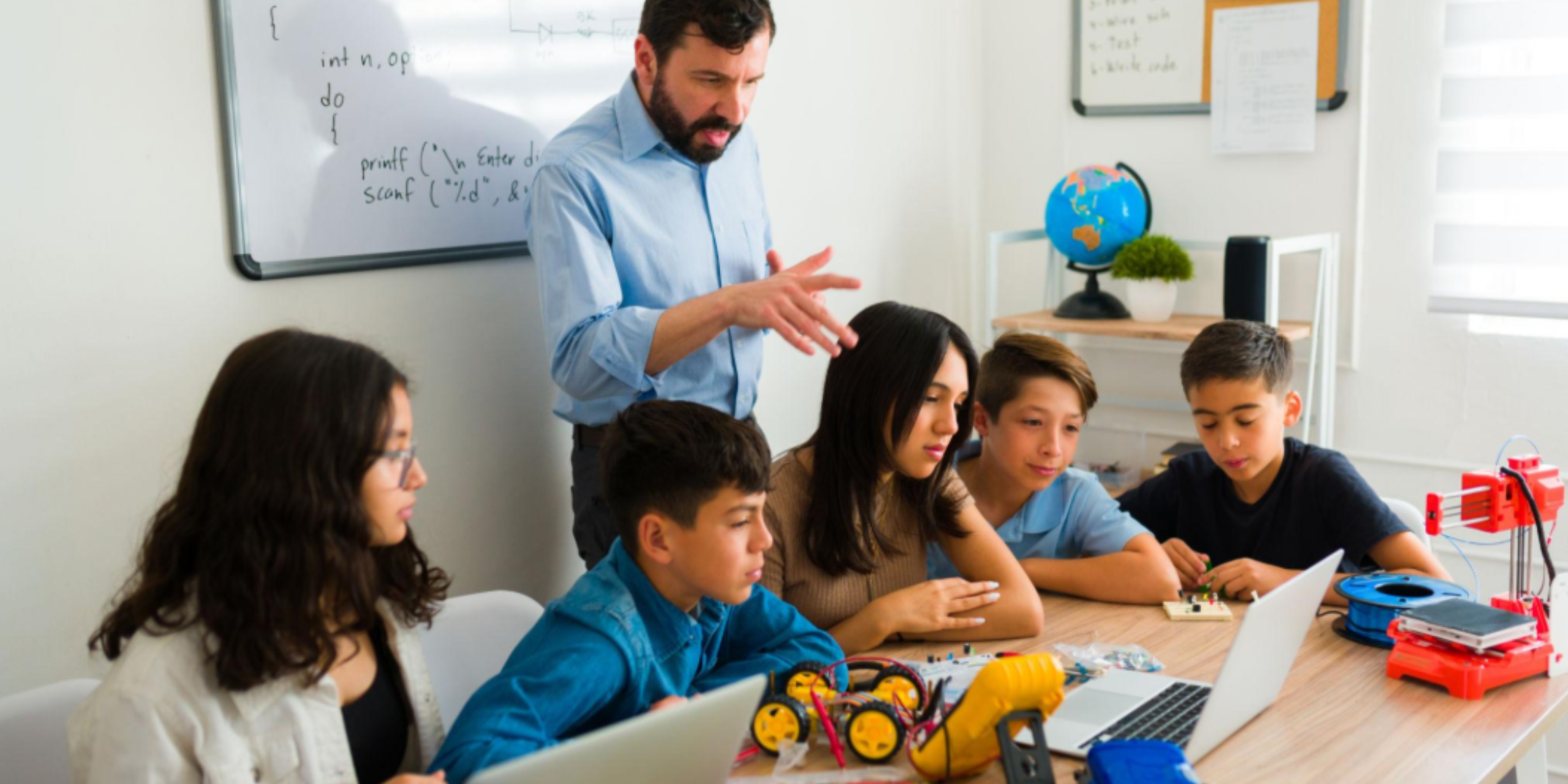
Why Coding Education Is Starting From Primary Schools
Education systems around the world are changing rapidly as technology becomes deeply connected with everyday life, future careers, communication, and modern industries. In 2026, one of the biggest transformations in school education is the growing introduction of coding education in primary schools. Earlier, programming and computer science were mostly taught at higher education levels or specialized technical institutions. However, today many schools believe coding is becoming as important as mathematics, science, and language learning for future generations. Because of this major educational shift, coding education for kids is now starting from early childhood classrooms across many countries.
Modern children are growing up in highly digital environments surrounded by smartphones, artificial intelligence, social media, apps, online learning platforms, automation, and smart technology. Educational experts therefore believe students should not only consume technology but also understand how technology works. Coding education helps children move from passive users of digital tools to active creators, thinkers, and innovators.
The future job market is another major reason why programming education for kids is becoming popular. Industries increasingly demand digital literacy, computational thinking, problem-solving ability, and technical adaptability. Schools now recognize that coding skills for students may become essential for future employability across multiple industries, not only software development.
At the same time, the growing pressure to introduce coding at very early ages also raises concerns among some parents and educators. Critics argue that excessive screen exposure, academic pressure, and unrealistic career expectations may negatively affect children if coding education becomes too rigid or competitive too early.
Coding Improves Problem-Solving Skills
One of the strongest reasons why coding education is starting from primary schools is because coding naturally improves problem-solving abilities.
When children learn coding, they begin understanding how to break large problems into smaller logical steps. They learn patterns, sequencing, structure, and analytical thinking while solving simple programming challenges.
Coding and problem-solving skills therefore develop together because programming teaches children how to think systematically instead of memorizing answers mechanically.
Students learning coding often become more patient and solution-oriented because debugging errors requires observation, experimentation, and critical thinking.
Educational experts increasingly believe coding helps children develop stronger mental flexibility and logical reasoning abilities useful beyond technology fields alone.
At the same time, some children may initially feel frustrated when facing coding difficulties or technical errors during learning activities.
Early Coding Builds Digital Literacy
Digital literacy has become one of the most important future skills for students in modern society.
Children today interact with digital technology daily, but understanding technology deeply requires more than simply using smartphones or apps. Coding education helps students understand the logic behind software, websites, games, and digital systems.
Technology education in schools therefore prepares children to navigate future digital environments more confidently and responsibly.
Students who understand basic programming concepts often feel more comfortable exploring modern technologies such as artificial intelligence, robotics, automation, and app development later in life.
Digital learning for children also encourages curiosity regarding how technology shapes communication, business, healthcare, education, and entertainment industries.
However, unequal access to digital infrastructure still creates educational gaps between urban and rural schools in some regions.
Coding Encourages Creative Thinking
Many people mistakenly believe coding is only about technical programming and complex computer systems. In reality, coding also supports creativity and imagination significantly.
Children learning programming often design animations, games, storytelling projects, digital art, websites, and interactive activities through coding platforms created specifically for young learners.
Coding education for kids therefore combines creativity with logical thinking in highly engaging ways.
Students enjoy experimenting with ideas and building projects because coding gives them opportunities to create something original independently.
Modern STEM education for kids increasingly integrates creativity because future industries value innovation and problem-solving together.
At the same time, highly structured coding curriculums may sometimes reduce creativity if schools focus too heavily on technical performance alone.
Future Careers Are Becoming Technology-Driven
One major reason schools are introducing coding earlier is because future careers are becoming increasingly connected with technology.
Artificial intelligence, robotics, cybersecurity, app development, cloud computing, automation, gaming, digital marketing, and data science are rapidly transforming global industries.
Even professions outside traditional IT sectors now depend heavily on digital systems and technical understanding.
Schools therefore believe coding skills for students will improve long-term career readiness in evolving employment markets.
Students exposed to programming education early often adapt more comfortably to future technological environments and digital workplaces.
The future education system increasingly focuses on preparing students for industries that may not even fully exist yet.
However, excessive pressure to turn every child into a future programmer may create unnecessary stress or unrealistic expectations.

Coding Develops Logical Thinking
Logical thinking remains one of the most valuable cognitive abilities developed through coding education in primary schools.
Programming requires students to organize instructions step by step while understanding sequences, conditions, patterns, and outcomes logically.
Children naturally strengthen concentration, reasoning, and analytical thinking during coding exercises because programming depends on structured thinking processes.
Coding curriculum in schools therefore helps students improve mental organization and decision-making skills from early ages.
Educational experts increasingly connect coding education with improved mathematics performance and cognitive development.
At the same time, some younger children may require playful and simplified teaching methods to avoid confusion or frustration during early learning stages.
Coding Makes Learning More Interactive
Traditional classroom learning sometimes feels repetitive or passive for young children. Coding introduces more interactive and engaging educational experiences.
Modern coding platforms designed for primary school students often use games, animations, puzzles, storytelling, and visual activities that make learning enjoyable.
Interactive learning environments improve curiosity and student participation because children actively experiment instead of only listening to lectures.
Digital learning for children also increases excitement regarding technology and creative exploration.
Students often feel emotionally motivated when they successfully create small coding projects independently.
However, excessive dependence on digital devices may occasionally reduce outdoor activities and face-to-face social interaction if not balanced carefully.
Coding Supports STEM Education
STEM education for kids has become one of the strongest priorities in modern school systems.
Science, technology, engineering, and mathematics now play critical roles in innovation, industrial growth, and future employment opportunities worldwide.
Coding naturally supports STEM education because programming combines mathematical logic, technological understanding, engineering thinking, and creative problem-solving together.
Schools introducing coding education often aim to strengthen broader STEM learning outcomes among students.
Children exposed to STEM-focused learning environments early may develop stronger interest in science and technology careers later.
At the same time, schools lacking trained teachers or technical infrastructure may face difficulties implementing effective STEM programs equally.
Coding Builds Confidence and Independence
Coding education often improves student confidence because children experience satisfaction while solving problems independently.
When students successfully complete coding activities, games, or digital projects, they develop stronger self-belief and learning motivation.
Programming encourages experimentation because students learn through trial, correction, and improvement processes naturally.
Children gradually become more comfortable making mistakes and finding solutions independently, which strengthens emotional resilience and adaptability.
Coding benefits for children therefore extend beyond technical knowledge into personal development and confidence-building.
However, repeated technical difficulties without proper guidance may occasionally reduce motivation among beginners.
Schools Are Adapting to Modern Education Trends
Educational systems worldwide are transforming rapidly because traditional learning models no longer fully match future industry demands.
Coding learning trends 2026 clearly reflect broader educational changes emphasizing digital literacy, creativity, critical thinking, and future-ready skills.
Governments and private schools increasingly invest in smart classrooms, AI learning systems, robotics labs, and coding curriculum integration to modernize education.
Technology education in schools is therefore becoming a long-term strategic priority rather than a temporary trend.
Parents also increasingly prefer schools offering future-oriented learning opportunities for children.
At the same time, some schools may introduce coding mainly for marketing advantages without building strong educational foundations properly.
Coding Encourages Teamwork and Collaboration
Modern coding education often includes collaborative learning projects where students work together to solve problems and create digital activities.
Children learn teamwork, communication, idea-sharing, and project coordination while participating in group coding exercises.
Collaboration skills are becoming increasingly valuable because future workplaces depend heavily on team-based problem-solving environments.
Students participating in coding clubs, robotics competitions, and collaborative digital projects often improve social interaction and communication confidence alongside technical learning.
However, highly competitive learning environments may sometimes create unnecessary comparison pressure among students.

Parents Are Becoming More Interested in Coding Education
Parental awareness regarding future skills has increased significantly in recent years.
Many parents now recognize that digital literacy and technology understanding may strongly influence future educational and career opportunities for children.
Coding education for kids therefore receives strong attention from families seeking future-ready learning environments.
Parents increasingly enroll children in coding workshops, robotics programs, and online programming courses alongside regular school education.
At the same time, unrealistic parental expectations regarding coding mastery at very young ages can occasionally create emotional stress for children.
AI and Automation Are Influencing School Education
Artificial intelligence and automation are transforming industries rapidly, influencing educational priorities worldwide.
Schools now understand that future workers will need stronger technical adaptability because many traditional jobs are changing through automation technologies.
AI education for students is therefore becoming increasingly important within modern curriculums.
Coding education introduces children to foundational computational thinking that may later support advanced learning in artificial intelligence, machine learning, robotics, and data science.
Students comfortable with technology early often adapt more successfully to future digital economies.
Challenges of Early Coding Education
Although coding education offers many benefits, implementation challenges still exist.
Teacher training, digital infrastructure, internet accessibility, curriculum balance, and screen-time management remain important concerns for schools and parents.
Some educators worry that excessive focus on coding may reduce attention toward creativity, physical activity, arts, or emotional development if not balanced carefully.
Young children also require playful and age-appropriate teaching methods because highly technical approaches may create frustration or learning anxiety.
Successful coding education therefore depends heavily on balanced implementation and supportive learning environments.
Future of Coding Education in Schools
The future of coding curriculum in schools will likely continue expanding because technology is becoming increasingly connected with every industry and profession.
Educational systems may gradually integrate coding with robotics, artificial intelligence, virtual reality, entrepreneurship, digital design, and future innovation projects.
Children may eventually learn computational thinking as naturally as reading, writing, and mathematics.
Future classrooms will likely become more interactive, personalized, and technology-driven while emphasizing creativity, problem-solving, and innovation together.
Conclusion
Why coding education is starting from primary schools can be understood through the growing importance of digital literacy, problem-solving ability, future career readiness, and technology-based learning in modern society. Coding helps children develop logical thinking, creativity, confidence, analytical skills, and adaptability while preparing them for rapidly evolving digital environments.
Modern schools increasingly recognize that coding education for kids is not only about preparing future programmers but also about building critical life skills useful across multiple professions and industries.
Although challenges related to screen time, infrastructure, teacher training, and academic pressure still exist, coding learning trends 2026 clearly show that technology education is becoming an essential part of future-ready schooling systems worldwide.
As industries continue evolving through artificial intelligence, automation, and digital transformation, early coding education will likely remain one of the strongest foundations shaping future learning and career development for students.
More Blogs you may read
Innovation in Curriculum Design: Transforming Education Through Future-Ready Learning 2026
Innovation in Curriculum Design Education has always evolved alongside society,…
Read More
Why Universities Revise Their Curriculum Every Few Years: The Importance of Modern Higher Education 2026
Why Universities Revise Their Curriculum Every Few Years Higher education…
Read MoreUniversities With AI Research Facilities: A Complete Guide to Artificial Intelligence Education and Innovation 2026
Universities With AI Research Facilities Artificial intelligence has become one…
Read MoreGroup Study vs Self-Study: Which Learning Method Helps Students Achieve Better Results? 2026
Group Study vs Self-Study Every student dreams of achieving academic…
Read More
Leave a Reply