

The Next Big Shift in Higher Education Systems
Higher education has long been considered the foundation of professional growth, career advancement, and intellectual development. For decades, universities followed a relatively familiar model where students attended physical campuses, completed structured degree programs, and entered the workforce with academic qualifications. While this system helped millions of learners build successful careers, the modern world is changing rapidly, and higher education is evolving alongside it. In 2026, universities and educational institutions are experiencing one of the most significant transformations in their history. The next big shift in higher education systems is already underway, and it is reshaping how students learn, how institutions operate, and how employers evaluate talent.
Technology, artificial intelligence, globalization, changing career expectations, and growing demand for practical skills are challenging traditional educational approaches. Students today no longer view higher education as simply earning a degree. Instead, they are looking for flexible, career-focused, technology-driven learning experiences that prepare them for rapidly changing industries.
Universities are responding by adopting innovative teaching methods, integrating digital platforms, creating skill-based programs, and rethinking how education is delivered. This shift is not about replacing higher education. Rather, it is about redefining its purpose and making it more relevant in a world where knowledge evolves faster than ever before.
The future of higher education will likely be more personalized, flexible, accessible, and connected to real-world career outcomes than the systems that came before it.
The Traditional University Model Is Facing Pressure
One of the strongest reasons higher education systems are changing is that traditional models are facing increasing pressure from students, employers, and industry leaders. For many years, earning a degree was viewed as the primary pathway to professional success. While degrees remain important, employers are increasingly focusing on practical abilities, adaptability, and workplace readiness.
Students are questioning whether spending several years in conventional academic programs always provides the best return on investment. Rising tuition costs, changing job markets, and the availability of alternative learning opportunities have encouraged many learners to evaluate educational choices more carefully.
At the same time, industries are evolving rapidly. New technologies emerge constantly, creating demand for skills that may not have existed a few years earlier. Universities sometimes struggle to update curricula at the same pace as technological innovation.
This gap between education and industry expectations has created demand for more flexible and responsive learning models.
The future of higher education depends on its ability to adapt to changing student needs and workforce realities.
Digital Learning Is Reshaping University Education
Digital learning has become one of the most influential forces transforming higher education systems. The rapid growth of online platforms has shown that learning can happen effectively beyond traditional classrooms.
Students now have access to virtual lectures, interactive courses, digital libraries, collaborative learning environments, and remote learning opportunities from virtually anywhere in the world. Universities are increasingly integrating online components into academic programs to provide greater flexibility and accessibility.
Digital learning offers several advantages. Students can learn at their own pace, revisit educational content, and balance academic responsibilities with work or personal commitments.
This flexibility appeals particularly to modern learners who value convenience and personalized educational experiences.
Universities are also using technology to reach broader audiences and create more inclusive learning environments.
As digital learning tools continue improving, the distinction between online and campus-based education is becoming less significant.
The future university experience is likely to combine physical and digital learning in more integrated ways.
Artificial Intelligence Is Changing Educational Experiences
Artificial intelligence is playing a major role in the next phase of higher education transformation. AI-powered systems are helping institutions personalize learning experiences, analyze student performance, and improve academic support services.
Students increasingly use AI tools for research, tutoring, writing assistance, language learning, and study planning. Educational platforms can identify learning gaps and recommend customized resources based on individual progress.
This personalized approach helps students learn more effectively and reduces some of the limitations associated with one-size-fits-all educational models.
Universities are also using artificial intelligence to improve administrative processes, academic advising, and student engagement.
While some concerns exist regarding technology dependence and ethical considerations, AI is creating opportunities to make education more responsive and efficient.
The future of higher education will likely involve closer collaboration between human educators and intelligent technologies.
Artificial intelligence is becoming a valuable partner in supporting student success.
Skill-Based Learning Is Gaining Importance
One of the most significant shifts occurring in higher education is the growing emphasis on skills rather than credentials alone. Employers increasingly want graduates who can solve problems, communicate effectively, use modern technologies, and contribute immediately in professional environments.
As a result, universities are introducing more practical learning experiences into academic programs. Internships, industry projects, simulations, workshops, and experiential learning opportunities are becoming more common.
Students are also pursuing certifications, online courses, and specialized training alongside traditional degrees to strengthen employability.
Skill-based education reflects the reality that knowledge alone is no longer enough. Graduates must demonstrate the ability to apply learning in real-world situations.
This shift is encouraging universities to build stronger connections with industries and align educational content more closely with workforce demands.
The future of higher education will likely focus on balancing academic depth with practical expertise.

Personalized Learning Is Becoming the New Standard
Another major trend shaping higher education is personalization. Traditional educational systems often require students to follow identical pathways regardless of learning preferences or career goals.
Modern technology allows universities to create more customized educational experiences. Students can choose specialized learning paths, flexible course combinations, and personalized study plans aligned with individual interests.
Adaptive learning platforms provide tailored recommendations and support based on student performance. This approach improves engagement and helps learners progress according to their own needs.
Personalized education recognizes that students learn differently and have unique aspirations.
The shift toward customization reflects broader changes occurring across education and technology.
Future university systems will likely place greater emphasis on individual learning journeys rather than standardized educational experiences.
Global Collaboration Is Expanding Opportunities
Globalization is influencing higher education in powerful ways. Universities are increasingly collaborating with international institutions, businesses, and research organizations to create broader learning opportunities.
Students can participate in virtual exchange programs, international projects, collaborative research initiatives, and cross-border educational experiences without necessarily traveling abroad.
Global connectivity allows learners to access diverse perspectives and develop skills that are valuable in international workplaces.
Educational institutions are recognizing the importance of preparing students for a global economy where cultural awareness and international collaboration play significant roles.
Technology has made global learning more accessible and practical than ever before.
The future of higher education will likely involve stronger international partnerships and globally connected learning environments.
Lifelong Learning Is Becoming Central
The traditional model of completing education once and relying on that knowledge throughout a career is becoming less relevant. Rapid technological change requires continuous skill development and ongoing education.
Universities are responding by expanding opportunities for lifelong learning. Short courses, professional certifications, executive education programs, and flexible learning pathways are becoming increasingly important.
Professionals now return to education multiple times throughout their careers to update skills and remain competitive.
Higher education institutions are evolving from places that provide one-time qualifications into lifelong learning partners that support individuals throughout professional journeys.
This shift reflects the growing importance of adaptability in modern careers.
Continuous learning is becoming a central feature of future educational systems.
Challenges Facing the Transformation
Although the future of higher education offers exciting possibilities, the transformation also presents challenges. Institutions must balance innovation with educational quality while ensuring that technology enhances rather than replaces meaningful learning experiences.
Access to technology remains unequal in some regions, creating concerns about educational inclusion. Universities must also address issues related to data privacy, digital literacy, and responsible use of artificial intelligence.
Faculty members require support and training to adapt to new teaching methods and technologies.
Students may experience uncertainty as educational systems evolve and traditional pathways become more flexible.
Managing these challenges effectively will be critical to ensuring that higher education remains accessible, relevant, and impactful.
The success of future education systems depends on thoughtful implementation and continuous improvement.
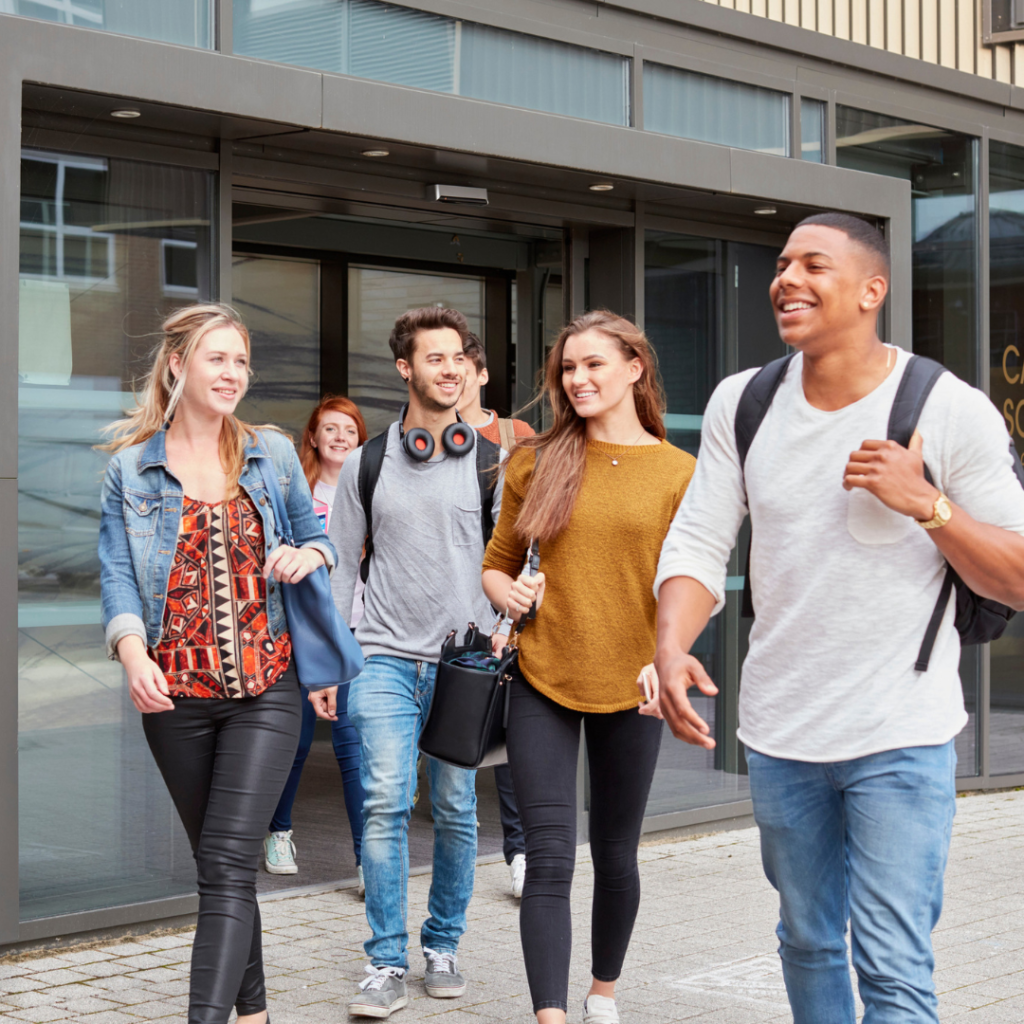
What Students Can Expect in the Future
Students entering higher education in the coming years will likely experience learning environments that are more flexible, personalized, and career-oriented than previous generations.
Degrees may become more modular, allowing learners to combine traditional academic study with certifications, internships, and specialized training. Hybrid learning models will likely become increasingly common, blending digital and in-person experiences.
Students will have greater control over educational pathways and more opportunities to align learning with career goals.
Technology will continue supporting academic success while educators focus on mentorship, critical thinking, creativity, and human-centered learning experiences.
The future student experience will emphasize adaptability, collaboration, innovation, and lifelong growth.
Conclusion
The next big shift in higher education systems is transforming how students learn, how universities operate, and how professional success is achieved. Technology, artificial intelligence, personalized learning, skill-based education, and lifelong learning are reshaping traditional educational models in powerful ways.
Universities are moving toward more flexible, accessible, and career-focused approaches that better align with modern workforce demands. While traditional academic foundations remain valuable, the future of higher education will increasingly emphasize practical skills, continuous learning, and personalized educational experiences.
Students who embrace adaptability and take advantage of evolving learning opportunities will be well positioned for success in a rapidly changing world. The transformation of higher education is not simply a trend—it represents a fundamental shift toward a more connected, innovative, and future-ready educational system.
As 2026 unfolds and beyond, higher education will continue evolving to meet the needs of learners, industries, and societies in ways that were once unimaginable. The future of learning has already begun, and it is redefining education for the next generation.
You May Also Read
Innovation in Curriculum Design: Transforming Education Through Future-Ready Learning 2026
Innovation in Curriculum Design Education has always evolved alongside society,…
Read More
Why Universities Revise Their Curriculum Every Few Years: The Importance of Modern Higher Education 2026
Why Universities Revise Their Curriculum Every Few Years Higher education…
Read MoreUniversities With AI Research Facilities: A Complete Guide to Artificial Intelligence Education and Innovation 2026
Universities With AI Research Facilities Artificial intelligence has become one…
Read More
Leave a Reply