

Why Digital Skills Are Essential for Students
The world has entered a digital age where technology influences almost every aspect of daily life, education, communication, and professional work. From online learning and virtual collaboration to artificial intelligence and remote careers, digital transformation is reshaping how students learn and prepare for the future. Because of this rapid change, digital skills for students have become one of the most important foundations for academic growth, career success, and personal development.
A few years ago, digital knowledge was considered an additional advantage. Today, however, it has become a basic requirement in education and employment. Students who understand technology, digital tools, online communication, and modern software platforms are better prepared for future opportunities. On the other hand, students who lack digital literacy may struggle to adapt to changing educational systems and evolving job markets.
The importance of digital skills is increasing because industries across the world now depend heavily on technology. Companies seek employees who can work efficiently with digital platforms, analyze information, communicate online, and adapt to new technological systems. As automation and artificial intelligence continue growing, students must develop practical digital abilities alongside traditional academic knowledge.
Digital skills are no longer limited to coding or technical professions. Every field, including healthcare, business, education, media, engineering, marketing, finance, and design, now requires some level of technological understanding. This shift has made digital literacy for students an essential part of modern education and career preparation.
Digital Skills Prepare Students for Future Careers
One of the biggest reasons why digital skills are essential for students is the growing demand for technology-based careers. The future job market is becoming increasingly dependent on digital systems, automation, artificial intelligence, and online communication platforms.
Students today are preparing for careers that may not have existed a decade ago. Fields such as digital marketing, cybersecurity, cloud computing, data science, content creation, artificial intelligence, app development, and e-commerce are creating new opportunities every year. To succeed in these industries, students need strong digital education skills and practical technological understanding.
Employers now prioritize candidates who can work confidently with digital tools and online systems. Technical expertise, digital communication abilities, and adaptability are considered valuable employability skills for students in modern workplaces.
Students who develop digital knowledge early often gain better internship opportunities, stronger placement performance, and improved career confidence. They become more adaptable to changing technologies and workplace expectations.
In contrast, students who ignore digital learning may find it difficult to compete in industries that increasingly depend on automation and technology-driven operations.
Digital Literacy Improves Academic Learning
The role of technology in education has expanded dramatically in recent years. Online classes, virtual labs, digital libraries, educational apps, and interactive learning platforms have changed how students study and access information.
Digital literacy for students improves academic efficiency because it allows learners to explore educational resources beyond traditional textbooks. Students can attend online workshops, access global learning platforms, watch educational videos, and participate in skill-based courses from anywhere in the world.
Technology skills for students also improve research abilities. Instead of depending entirely on classroom instruction, students can independently search for information, explore tutorials, and learn new concepts through digital platforms.
Digital learning environments encourage flexibility and self-directed education. Students who are comfortable with online tools usually adapt faster to modern educational systems and remote learning methods.
However, the digital environment can also become distracting if students fail to manage technology responsibly. Excessive social media use, gaming addiction, and online distractions may reduce concentration and productivity. This highlights the importance of balanced and disciplined digital usage.
Communication Skills Have Become More Digital
Communication has changed significantly because of digital technology. Students today interact through emails, video conferencing platforms, collaborative tools, messaging applications, and social media networks.
Digital communication skills are now essential for both academic and professional success. Students must learn how to communicate clearly and professionally in online environments because remote collaboration has become common in education and workplaces.
Professional email writing, virtual presentation abilities, online meeting etiquette, and digital collaboration are becoming increasingly important. Students who possess strong online communication abilities often appear more confident and workplace-ready.
The rise of remote work has further increased the value of digital communication. Many companies now conduct interviews, meetings, and project collaborations through online platforms. Students who understand these systems adapt more easily to professional environments.
On the other hand, poor digital communication may create misunderstandings and reduce professional credibility. This is why digital communication has become one of the most important career skills for students.

Technology Skills Increase Employability
The connection between digital skills and employability is becoming stronger every year. Employers no longer evaluate candidates based only on degrees; they also assess practical abilities and technological confidence.
Students with digital knowledge for careers often stand out during placements because they can handle software platforms, online systems, and technology-based tasks effectively. Basic understanding of productivity tools, data management, online collaboration, and digital problem-solving improves workplace readiness.
Many industries now expect fresh graduates to possess at least fundamental technology skills. Students who know coding, graphic design, data analysis, social media management, or digital marketing usually gain additional advantages in recruitment processes.
Digital transformation in education and business has also increased demand for continuous learning. Technology evolves rapidly, and professionals must update skills regularly to remain competitive.
Students who embrace digital learning early are generally more adaptable and future-ready compared to those who avoid technological development.
Digital Skills Encourage Independent Learning
One of the most powerful benefits of digital literacy is the ability to learn independently. Technology has made knowledge more accessible than ever before. Students can now learn coding, design, communication, business skills, or even entrepreneurship through online courses and educational platforms.
This independence improves confidence and personal growth. Students no longer need to depend entirely on classrooms or traditional educational systems to gain new skills. They can explore interests, improve expertise, and build practical abilities according to their career goals.
Independent learning also encourages curiosity and innovation. Students who explore technology-based education often become more creative and adaptable because they constantly engage with new ideas and tools.
However, independent digital learning requires discipline and time management. Without focus, students may become distracted by entertainment platforms and lose productivity.
Digital Skills and Creativity Go Together
Technology is not only about technical tasks; it also supports creativity and innovation. Students interested in design, writing, filmmaking, animation, photography, gaming, and content creation now use digital platforms to express ideas and build careers.
Digital creativity has become one of the fastest-growing areas in modern industries. Social media platforms, video editing software, graphic design tools, and content publishing systems have created opportunities for students to showcase talent globally.
Students with creative digital skills often explore freelancing, personal branding, and entrepreneurship alongside traditional education. These opportunities can improve confidence, financial independence, and professional exposure.
At the same time, digital platforms also create competitive pressure and unrealistic comparisons among students. Constant exposure to social media success stories may affect confidence and emotional well-being if not managed carefully.
Balanced and responsible use of digital tools is therefore essential for healthy personal and professional development.
Importance of Cyber Awareness and Online Safety
As students spend more time online, understanding digital safety becomes increasingly important. Cybersecurity awareness, privacy protection, and responsible internet usage are essential aspects of digital education skills.
Students often share personal information online without understanding potential risks. Cyber fraud, online scams, identity theft, and misinformation have become common digital challenges.
Educational institutions should teach students how to use technology safely and responsibly. Understanding passwords, secure browsing, data privacy, and cyber ethics can protect students from harmful online experiences.
Digital literacy is not only about using technology; it also involves understanding how to navigate the online world responsibly and intelligently.
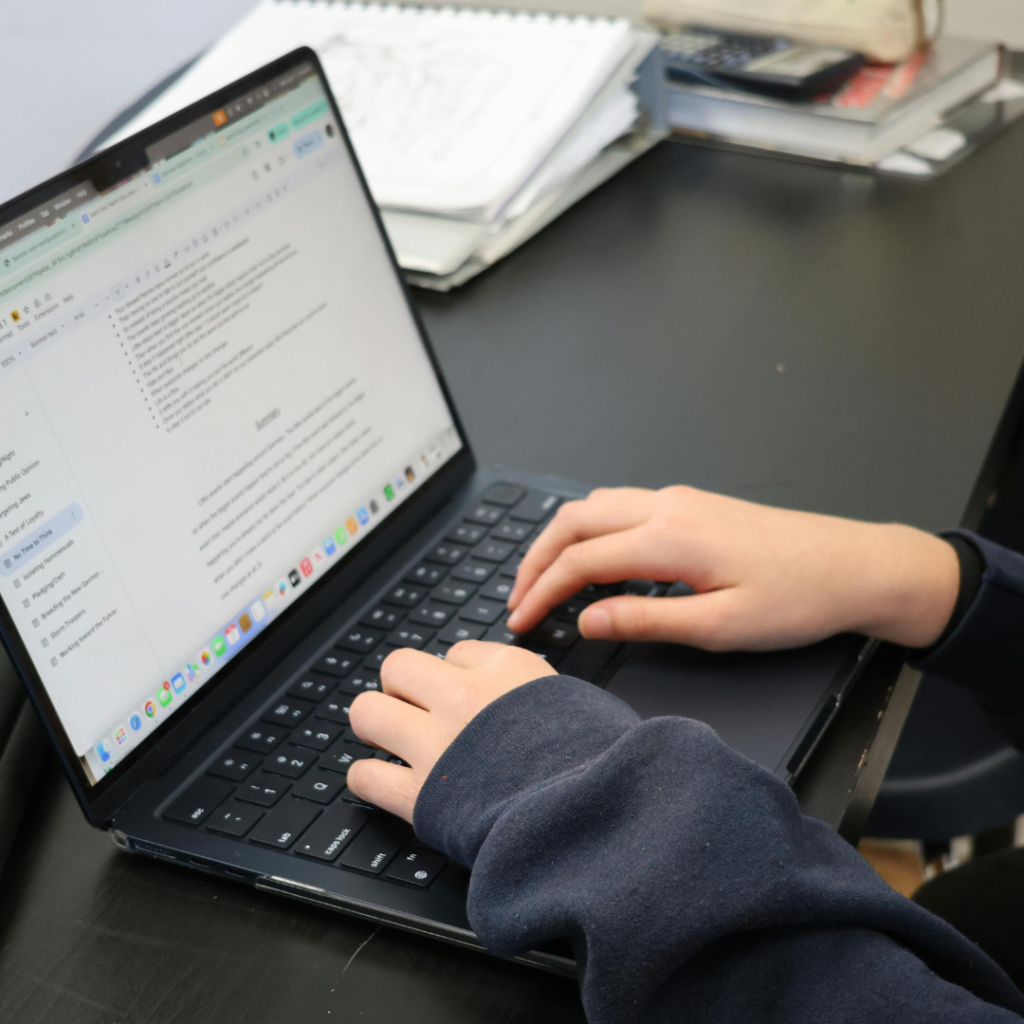
Role of Educational Institutions in Digital Skill Development
Schools and colleges play a major role in preparing future-ready students. Educational institutions must update teaching methods and curriculums according to technological advancements and industry requirements.
Industry-oriented education now requires integration of digital learning platforms, coding programs, online certifications, virtual collaboration tools, and practical technology training.
Students benefit greatly when colleges encourage project-based learning, technical workshops, innovation programs, and digital communication training. Institutions that focus on practical digital skills create more employable and confident graduates.
Traditional teaching methods alone may not be enough to prepare students for future careers. Educational systems must continuously evolve to match changing industry demands and digital transformation trends.
Challenges Students Face While Learning Digital Skills
Although digital learning creates opportunities, many students still face difficulties while developing technology skills. Lack of internet access, limited resources, financial challenges, and insufficient practical training can slow digital skill development.
Some students also feel intimidated by advanced technologies and technical subjects. Fear of failure or lack of confidence may discourage them from exploring digital learning opportunities.
Additionally, excessive dependence on technology may reduce face-to-face interaction, physical activity, and emotional balance if not managed properly.
Students must therefore learn how to use technology productively while maintaining healthy routines and balanced lifestyles.
Conclusion
The importance of digital skills for students has increased dramatically in today’s technology-driven world. Digital literacy is no longer optional; it has become essential for academic success, employability, communication, creativity, and future career growth.
Students who develop strong technology skills are better prepared for modern education systems and rapidly evolving industries. They gain confidence, improve adaptability, and create stronger opportunities for professional success.
At the same time, responsible digital usage and balanced learning habits are equally important. Technology can become a powerful tool for growth when used wisely and purposefully.
As digital transformation continues shaping education and employment worldwide, future-ready students will be those who combine academic knowledge with practical digital expertise, communication abilities, and continuous learning. The ability to adapt to technology will not only influence careers but also determine how successfully students navigate the modern world.
More Blogs you may read
Innovation in Curriculum Design: Transforming Education Through Future-Ready Learning 2026
Innovation in Curriculum Design Education has always evolved alongside society,…
Read More
Why Universities Revise Their Curriculum Every Few Years: The Importance of Modern Higher Education 2026
Why Universities Revise Their Curriculum Every Few Years Higher education…
Read MoreUniversities With AI Research Facilities: A Complete Guide to Artificial Intelligence Education and Innovation 2026
Universities With AI Research Facilities Artificial intelligence has become one…
Read MoreGroup Study vs Self-Study: Which Learning Method Helps Students Achieve Better Results? 2026
Group Study vs Self-Study Every student dreams of achieving academic…
Read More
Leave a Reply