Category: Uncategorized

  • Why Research Commercialization Matters: Turning Innovation into Real-World Impact 2026

    Why Research Commercialization Matters: Turning Innovation into Real-World Impact 2026

    Why Research Commercialization Matters

    Why Research Commercialization Matters: Transforming Ideas into Meaningful Innovation

    Scientific research has always been one of the strongest drivers of human progress. Every major advancement in healthcare, engineering, agriculture, renewable energy, artificial intelligence, communication, manufacturing, and biotechnology has its roots in years of careful research and experimentation. However, research alone does not automatically improve lives. The true value of discovery emerges when knowledge moves beyond laboratories and academic journals to become products, technologies, services, and practical solutions that benefit society. This is precisely Why Research Commercialization Matters in today’s innovation-driven world.

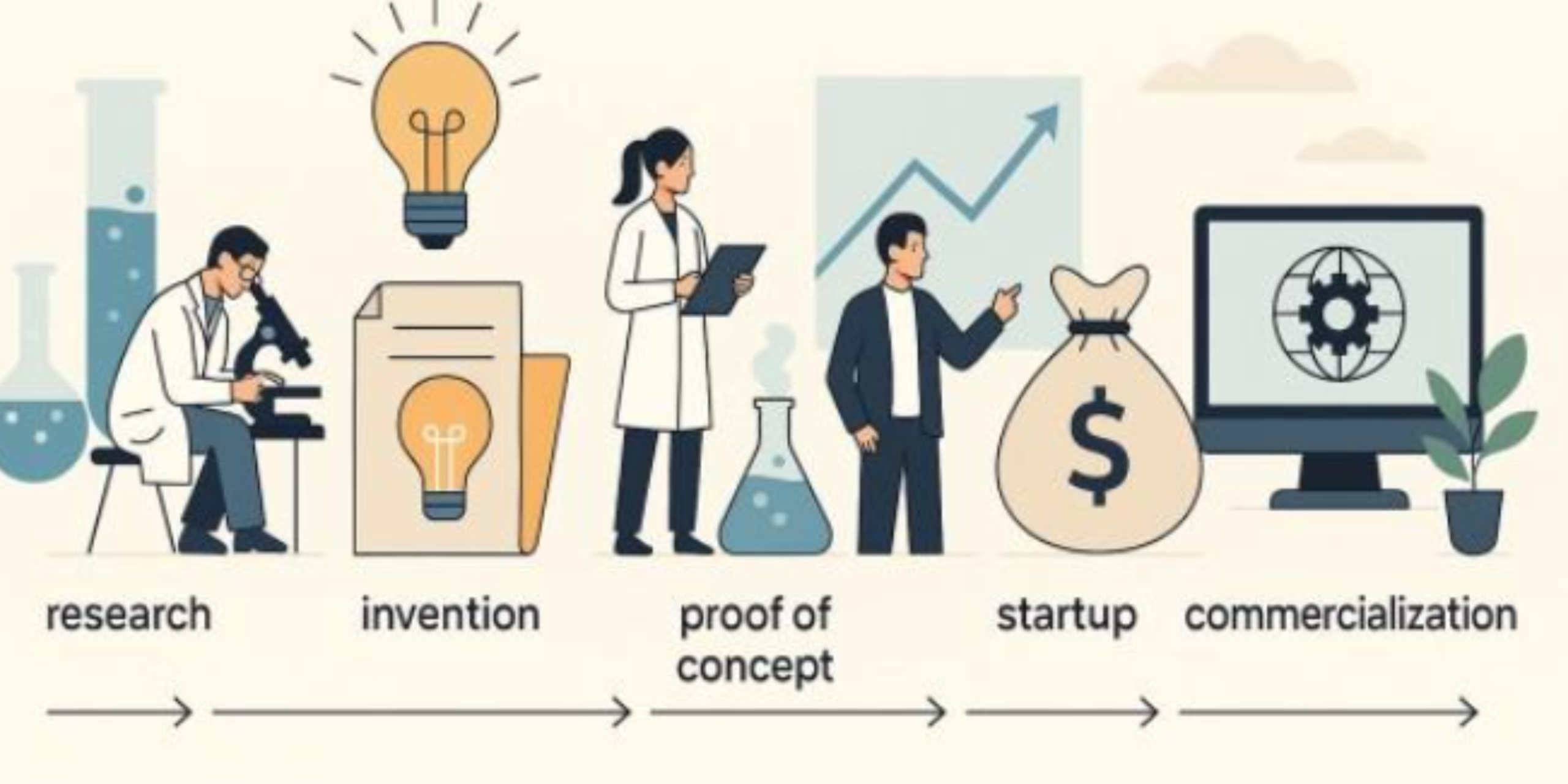
    Research commercialization refers to the process of transforming scientific discoveries, technological breakthroughs, and academic research into commercially viable products, services, or business solutions. Rather than allowing valuable innovations to remain confined within research institutions, commercialization creates pathways that connect researchers, universities, entrepreneurs, investors, industries, and governments. These collaborations help convert promising ideas into practical applications capable of solving real-world challenges while generating economic growth and creating employment opportunities.

    As global competition increasingly revolves around innovation, countries investing in effective commercialization strategies often achieve stronger economic performance, faster technological advancement, and greater international competitiveness. Understanding Why Research Commercialization Matters helps researchers, students, entrepreneurs, policymakers, and businesses recognize that innovation reaches its full potential only when it successfully addresses practical needs within society.


    Understanding Research Commercialization

    Before exploring Why Research Commercialization Matters, it is important to understand what commercialization actually involves. Research commercialization is not simply about selling scientific discoveries. Instead, it represents a structured process that transforms academic knowledge into practical solutions with measurable value.

    This process may include patent protection, technology transfer, product development, prototype creation, industry partnerships, licensing agreements, startup formation, regulatory approvals, manufacturing, and market introduction.

    Successful commercialization connects scientific excellence with public benefit.

    Innovation becomes meaningful through practical application.


    Bridging the Gap Between Research and Society

    Universities and research institutions continuously generate remarkable discoveries, yet many valuable innovations never reach the people who could benefit from them. Without commercialization, promising technologies often remain within laboratories despite their enormous potential.

    One of the strongest reasons Why Research Commercialization Matters is because it bridges the gap between academic research and real-world implementation. Scientific knowledge becomes accessible through products, healthcare solutions, industrial technologies, educational tools, environmental innovations, and digital services.

    Knowledge achieves greater value when shared practically.

    Research gains broader impact beyond publications.


    Accelerating Innovation

    Innovation rarely occurs through isolated research alone. Commercialization encourages collaboration among researchers, engineers, entrepreneurs, manufacturers, investors, designers, marketers, and policymakers.

    These partnerships accelerate product development while improving technological refinement and market readiness. Rather than waiting many years for discoveries to reach society, commercialization shortens the journey from laboratory to marketplace.

    Accelerated innovation supports faster solutions for emerging global challenges.

    Collaboration strengthens creative progress.


    Driving Economic Growth

    Innovation represents one of the strongest foundations of modern economic development. Successful commercialization creates new industries, strengthens existing businesses, attracts investment, expands exports, and increases national competitiveness.

    One important reason Why Research Commercialization Matters involves its contribution to sustainable economic growth. Commercialized research generates business opportunities capable of supporting long-term prosperity while encouraging further investment into scientific discovery.

    Innovation fuels modern economies.

    Knowledge becomes an economic resource.


    Creating High-Quality Employment

    Research commercialization generates employment across numerous professional disciplines. Scientists, engineers, product designers, software developers, regulatory specialists, manufacturing experts, marketing professionals, intellectual property attorneys, financial analysts, and entrepreneurs all contribute throughout commercialization processes.

    Rather than creating only research positions, commercialization expands employment across entire innovation ecosystems.

    Growing industries create opportunities for diverse professional backgrounds.

    Innovation supports workforce development.


    Encouraging University-Industry Collaboration

    Modern universities increasingly collaborate with private companies to accelerate technological advancement. Businesses often possess manufacturing expertise, financial resources, market knowledge, and customer access, while universities contribute scientific discovery and technical expertise.

    These partnerships improve commercialization success by combining complementary strengths.

    Understanding Why Research Commercialization Matters includes recognizing the importance of productive collaboration between academia and industry.

    Shared expertise creates stronger outcomes.

    Partnerships encourage sustainable innovation.
    Why Research Commercialization Matters

    Supporting Startup Development

    Many successful startup companies originate from university laboratories or research institutions. Entrepreneurs identify promising discoveries, develop commercial strategies, secure investment, and introduce innovative solutions into competitive markets.

    Commercialization transforms research into entrepreneurial opportunities capable of creating entirely new industries.

    Startup ecosystems benefit significantly from strong research foundations.

    Innovation encourages business creation.

    Entrepreneurship accelerates technological adoption.


    Intellectual Property Protects Innovation

    Intellectual property plays a vital role throughout commercialization. Patents, copyrights, trademarks, and licensing agreements protect researchers while encouraging organizations to invest confidently in product development.

    Effective intellectual property management ensures innovators receive appropriate recognition and financial returns for their discoveries.

    Protection encourages continued investment in scientific research.

    Innovation flourishes within secure legal frameworks.


    Solving Real-World Problems

    Research achieves its greatest significance when addressing practical challenges affecting communities, industries, healthcare systems, education, agriculture, transportation, energy production, and environmental sustainability.

    Commercialization enables innovative solutions to reach individuals who genuinely need them. Medical devices improve patient care, renewable technologies reduce emissions, digital platforms strengthen communication, and agricultural innovations improve food security.

    Practical impact explains Why Research Commercialization Matters globally.

    Solutions improve everyday life.


    Attracting Investment into Research

    Investors increasingly recognize scientific innovation as an important source of future business growth. Commercialization demonstrates how research may generate practical applications, encouraging venture capital, government funding, corporate partnerships, and private investment.

    Financial support enables researchers to continue exploring ambitious ideas while expanding commercialization activities.

    Investment strengthens long-term innovation ecosystems.

    Confidence grows through successful outcomes.


    Improving Global Competitiveness

    Countries successfully commercializing research often establish leadership within emerging industries such as artificial intelligence, biotechnology, advanced manufacturing, renewable energy, healthcare innovation, and digital technologies.

    Strong commercialization strategies improve international competitiveness while attracting skilled professionals, multinational companies, and global partnerships.

    Knowledge-based economies increasingly depend upon effective innovation systems.

    Research strengthens national development.


    Challenges Facing Research Commercialization

    Although commercialization offers significant benefits, the journey from laboratory discovery to commercial success remains complex. Researchers may encounter funding limitations, regulatory requirements, technical challenges, market uncertainty, manufacturing difficulties, or intellectual property concerns.

    Addressing these challenges requires coordinated support involving universities, governments, investors, legal experts, and industry partners.

    Understanding obstacles improves commercialization planning.

    Preparation reduces unnecessary delays.


    The Role of Government Policies

    Government policies significantly influence commercialization success by supporting research funding, startup incentives, tax benefits, technology transfer offices, innovation grants, incubators, accelerators, and public-private partnerships.

    Supportive policies encourage researchers to pursue commercialization while reducing financial risk associated with technological innovation.

    Public investment strengthens national research capacity.

    Strategic planning encourages innovation.


    Commercialization Benefits Students and Researchers

    Students increasingly participate in commercialization through entrepreneurship programs, innovation competitions, research internships, startup incubators, and interdisciplinary projects.

    These experiences develop practical skills including business planning, product development, intellectual property management, leadership, teamwork, communication, and innovation strategy.

    Career opportunities expand considerably within commercialization ecosystems.

    Education becomes increasingly experience-driven.


    Sustainability and Research Commercialization

    Commercialization also contributes positively toward sustainable development by accelerating environmentally responsible technologies. Innovations involving clean energy, water purification, waste reduction, sustainable agriculture, green manufacturing, and circular economy solutions often require commercialization before achieving widespread societal impact.

    Transforming sustainable research into practical products supports environmental protection while encouraging economic growth.

    Innovation supports responsible development.

    Sustainability requires practical implementation.


    The Future of Research Commercialization

    Emerging technologies including artificial intelligence, quantum computing, biotechnology, advanced robotics, personalized medicine, space technology, and climate innovation will likely increase commercialization activity during coming decades.

    Universities, governments, corporations, and entrepreneurs are expected to strengthen collaboration while creating more efficient innovation ecosystems.

    Future economic success will depend increasingly upon transforming knowledge into meaningful societal value.

    Commercialization will remain central to innovation.

    Why Research Commercialization Matters

    Why Every Innovation Needs Commercialization

    Scientific discovery alone rarely transforms industries or improves everyday life. Commercialization provides the essential pathway allowing research to become practical, accessible, affordable, and widely available.

    Whether developing life-saving medicines, educational technologies, sustainable materials, digital platforms, healthcare equipment, or industrial solutions, commercialization ensures innovation reaches society effectively.

    Understanding Why Research Commercialization Matters highlights the importance of completing the innovation journey rather than stopping at discovery.

    Implementation creates lasting impact.


    Conclusion

    Why Research Commercialization Matters extends far beyond generating financial returns. It transforms scientific discoveries into meaningful solutions that improve healthcare, education, agriculture, manufacturing, communication, environmental sustainability, and economic development. By connecting researchers with entrepreneurs, industries, governments, and investors, commercialization ensures valuable knowledge benefits society rather than remaining confined within laboratories.

    Whether exploring Research Commercialization, Technology Commercialization, Innovation Commercialization, Research to Market, Technology Transfer, or Commercial Research, successful commercialization strengthens innovation ecosystems while creating employment, attracting investment, encouraging entrepreneurship, and solving complex global challenges.

    As the world increasingly depends upon scientific advancement to address future needs, research commercialization will continue playing an essential role in transforming knowledge into practical progress. Supporting effective commercialization not only benefits researchers and businesses but also creates stronger economies, healthier communities, sustainable industries, and a future where innovation consistently improves the quality of life for people around the globe.


  • Why Admission Criteria Differ Across Universities: Understanding College Selection and Admission Requirements 2026

    Why Admission Criteria Differ Across Universities: Understanding College Selection and Admission Requirements 2026

    Why Admission Criteria Differ Across Universities

    Why Admission Criteria Differ Across Universities: Understanding the Factors Behind Different Admission Standards

    Choosing the right university is one of the most significant decisions in a student’s academic journey. While researching colleges, many applicants notice that admission requirements vary considerably from one institution to another. Some universities emphasize academic excellence, while others place greater importance on entrance examinations, extracurricular achievements, leadership qualities, interviews, portfolios, or personal statements. This variation often creates confusion among students who expect every institution to follow identical admission standards. Understanding Why Admission Criteria Differ Across Universities helps applicants prepare more effectively and make informed decisions throughout the admission process.

    Higher education institutions operate with different missions, educational philosophies, academic priorities, financial resources, and long-term goals. As a result, universities develop admission systems that reflect the qualities they believe will contribute to student success within their specific academic environment. Rather than applying a universal formula, institutions design admission policies that support their educational objectives, research ambitions, industry partnerships, and campus culture.

    The modern education landscape has become increasingly competitive. Universities seek students who not only demonstrate academic ability but also possess creativity, resilience, communication skills, leadership potential, problem-solving capabilities, and commitment to continuous learning. Consequently, Why Admission Criteria Differ Across Universities has become an important question for students, parents, counselors, and educators seeking greater clarity about evolving admission practices. Understanding these differences reduces unnecessary anxiety while helping applicants present stronger, more relevant applications.


    Every University Has Its Own Educational Mission

    One of the primary reasons Why Admission Criteria Differ Across Universities is that every institution operates with a distinct educational mission. Some universities focus heavily on scientific research and innovation, while others prioritize practical learning, liberal arts education, entrepreneurship, professional training, community engagement, or global collaboration.

    Universities specializing in engineering or medical education may emphasize mathematics, science, and entrance examination performance because these subjects directly relate to academic success within their programs. Institutions promoting creative disciplines such as design, architecture, music, or fine arts often evaluate portfolios, artistic ability, or practical demonstrations alongside academic achievements.

    The admission process therefore reflects each university’s broader educational philosophy rather than applying identical standards across every institution.


    Academic Competition Influences Admission Standards

    Another major reason Why Admission Criteria Differ Across Universities involves varying levels of applicant competition. Highly recognized universities frequently receive significantly more applications than available seats. As demand increases, admission committees adopt more selective evaluation processes to identify applicants who best match institutional expectations.

    Universities receiving thousands of applications may establish higher academic cutoffs, competitive entrance examinations, interviews, recommendation letters, or additional assessment stages. Institutions experiencing lower application volumes may emphasize broader eligibility while maintaining academic quality.

    Competition therefore directly shapes admission criteria without necessarily indicating that one university provides better education than another.


    Different Programs Require Different Skills

    Admission requirements often vary not only between universities but also among academic programs within the same institution. Understanding Why Admission Criteria Differ Across Universities requires recognizing that different disciplines demand different competencies.

    Engineering programs frequently prioritize analytical reasoning, mathematics, and scientific knowledge. Business schools may value leadership experience, communication abilities, and problem-solving skills. Medical education often combines academic excellence with interviews assessing empathy, ethical reasoning, and interpersonal communication.

    Creative disciplines typically require portfolios demonstrating artistic ability rather than relying exclusively on examination scores. Law programs may emphasize critical thinking, writing skills, and logical analysis.

    These program-specific expectations naturally produce diverse admission requirements across higher education.

    Why Admission Criteria Differ Across Universities

    Holistic Admissions Are Becoming More Common

    Traditional admission systems often focused primarily on academic grades. However, many universities now recognize that examination performance alone cannot fully predict future success. This shift explains Why Admission Criteria Differ Across Universities as institutions increasingly adopt holistic evaluation methods.

    Holistic admissions consider academic records alongside extracurricular involvement, leadership experiences, volunteer service, internships, research participation, essays, recommendation letters, interviews, and personal achievements.

    This broader evaluation allows universities to identify applicants demonstrating curiosity, resilience, adaptability, creativity, and commitment beyond classroom performance.

    The growing popularity of holistic admissions reflects changing educational priorities emphasizing well-rounded student development.


    Institutional Resources Affect Admission Policies

    Financial resources, faculty expertise, research facilities, campus size, laboratory capacity, and student support services all influence university admission decisions. Institutions with limited classroom space or specialized laboratories may restrict enrollment more carefully to preserve educational quality.

    Universities expanding new departments or introducing innovative programs may temporarily adjust admission criteria to attract qualified applicants. Private and public universities may also operate under different funding structures influencing enrollment capacity and admission strategies.

    These institutional differences contribute significantly to Why Admission Criteria Differ Across Universities while supporting sustainable academic growth.


    Geographic and Regional Considerations

    Universities frequently serve specific regional, national, or international objectives. Some institutions prioritize local applicants supporting regional development, while others actively recruit international students to promote cultural diversity and global collaboration.

    Government policies, scholarship programs, demographic trends, and workforce development initiatives also influence admission priorities. Universities located within rapidly growing metropolitan areas may experience stronger competition compared with institutions serving smaller communities.

    Regional educational needs therefore contribute meaningfully to admission variation across higher education systems.


    Entrance Examinations Remain Important

    Many universities continue incorporating standardized entrance examinations into admission decisions. These assessments provide consistent evaluation methods for applicants coming from diverse educational backgrounds.

    Entrance examinations often complement academic transcripts by measuring analytical thinking, subject knowledge, reasoning abilities, and readiness for higher education. However, some universities increasingly reduce dependence on standardized testing while emphasizing broader applicant profiles.

    This evolving balance between examinations and holistic evaluation further explains Why Admission Criteria Differ Across Universities.


    Extracurricular Activities Add Value

    Modern universities increasingly appreciate students who contribute positively beyond academic performance. Leadership positions, community service, sports participation, research projects, entrepreneurship, artistic achievements, and volunteer activities demonstrate qualities supporting campus engagement.

    Institutions emphasizing holistic education often evaluate these experiences carefully because they reflect initiative, collaboration, communication, and perseverance.

    Although extracurricular activities rarely replace academic requirements entirely, they frequently strengthen otherwise competitive applications.

    Their growing importance reflects expanding definitions of student success within higher education.

    Why Admission Criteria Differ Across Universities

    Personal Statements and Essays Matter

    Many universities request personal statements allowing applicants to explain academic interests, career aspirations, personal experiences, and educational goals. Essays help admission committees understand motivation, writing ability, critical thinking, and personal development beyond numerical scores.

    Strong essays demonstrate authenticity, reflection, curiosity, and commitment rather than simply repeating achievements already listed elsewhere within applications.

    The inclusion of essays further illustrates Why Admission Criteria Differ Across Universities, as institutions prioritize different aspects of personal expression according to educational philosophy.


    Interviews Provide Additional Insight

    Certain universities incorporate interviews into their admission process to evaluate communication skills, confidence, ethical reasoning, interpersonal abilities, and genuine interest in chosen academic programs.

    Medical schools, business programs, law schools, and scholarship committees particularly value interviews because professional success often depends upon qualities difficult to measure through examinations alone.

    Interview performance therefore complements academic evaluation while supporting more comprehensive admission decisions.


    International Universities Follow Different Standards

    Global education has introduced additional complexity into university admissions. International institutions frequently evaluate applicants according to different educational systems, language proficiency examinations, curriculum equivalencies, and immigration requirements.

    Students applying abroad often encounter English language assessments, credential evaluations, financial documentation, recommendation letters, and additional application materials.

    Understanding international differences helps applicants prepare more effectively while reducing uncertainty throughout the admission journey.


    Technology Is Changing University Admissions

    Digital transformation increasingly influences modern admission systems. Online applications, automated document verification, artificial intelligence, predictive analytics, and virtual interviews continue improving administrative efficiency while expanding applicant accessibility.

    Universities also analyze application data more effectively, enabling better understanding of student success factors and enrollment patterns. These technological advancements contribute to continuously evolving admission criteria.

    Digital innovation ensures admission processes become increasingly responsive to changing educational needs.


    Common Mistakes Students Should Avoid

    Many applicants mistakenly assume identical admission strategies apply across every university. One of the most important lessons from Why Admission Criteria Differ Across Universities is the importance of researching each institution individually.

    Submitting generic personal statements, overlooking program-specific requirements, ignoring application deadlines, or failing to understand eligibility criteria can weaken otherwise strong applications.

    Carefully reviewing official university requirements allows students to prepare documents reflecting institutional expectations rather than relying on assumptions.

    Thoughtful preparation consistently improves admission outcomes.


    Choosing the Right University Matters More Than Prestige Alone

    Students sometimes focus exclusively on university rankings without considering personal goals, learning preferences, financial circumstances, career aspirations, and campus environment.

    A university matching individual interests, academic strengths, support services, and professional objectives often provides greater long-term satisfaction than pursuing prestige alone.

    Understanding admission differences encourages applicants to identify institutions aligning genuinely with their educational ambitions rather than applying indiscriminately.

    Informed decision-making ultimately supports stronger academic and professional development.


    The Future of University Admissions

    Higher education continues evolving alongside technological innovation, workforce transformation, and changing societal expectations. Universities increasingly recognize qualities such as adaptability, creativity, collaboration, digital literacy, emotional intelligence, and lifelong learning as valuable indicators of future success.

    Admission systems will likely continue balancing academic achievement with broader personal qualities reflecting real-world demands.

    Rather than becoming more uniform, admission criteria may become increasingly personalized according to institutional missions and educational objectives.

    Students who develop both academic excellence and well-rounded personal skills will remain well positioned within future admission systems.


    Conclusion

    Understanding Why Admission Criteria Differ Across Universities empowers students to approach the admission process with greater confidence, preparation, and realistic expectations. Every institution develops admission standards reflecting its educational mission, academic priorities, available resources, program requirements, student community, and long-term vision.

    Whether exploring University Admission Criteria, College Admission Requirements, University Admission Process, Admission Eligibility, or Higher Education Admissions, applicants benefit significantly from researching each institution individually rather than expecting identical evaluation methods.

    As higher education continues embracing holistic evaluation, technological innovation, and personalized learning, university admissions will increasingly recognize diverse forms of talent alongside academic achievement. Students who combine strong academic performance with leadership, communication skills, curiosity, resilience, and meaningful personal experiences will continue strengthening their opportunities for admission while preparing themselves for long-term success beyond the classroom.

  • Careers in Smart Transportation Engineering: 15 High-Growth Opportunities Shaping the Future of Mobility

    Careers in Smart Transportation Engineering: 15 High-Growth Opportunities Shaping the Future of Mobility

    Careers in Smart Transportation Engineering

    Careers in Smart Transportation Engineering: Driving the Future of Intelligent Mobility

    Transportation is undergoing one of the most significant transformations in modern history. Rapid urbanization, digital innovation, climate concerns, and advances in artificial intelligence are reshaping the way people and goods move across cities and countries. Traditional transportation systems are evolving into intelligent, connected, and highly efficient networks powered by data, automation, and smart infrastructure. As governments and private industries invest in next-generation mobility solutions, Careers in Smart Transportation Engineering are becoming some of the most exciting and future-focused opportunities in the engineering sector.

    Smart transportation engineering combines civil engineering, electrical engineering, computer science, artificial intelligence, telecommunications, robotics, and environmental sustainability to create transportation systems that are safer, faster, cleaner, and more efficient. From autonomous vehicles and intelligent traffic management to connected highways, electric mobility, and smart public transportation, this rapidly expanding field offers outstanding career prospects for professionals who want to contribute to the future of global mobility.

    The growing demand for Careers in Smart Transportation Engineering reflects a worldwide commitment to reducing traffic congestion, improving road safety, lowering emissions, and creating sustainable urban environments. As smart cities continue expanding and digital infrastructure becomes increasingly sophisticated, transportation engineers equipped with advanced technical skills will play a central role in designing and managing tomorrow’s mobility systems.


    Why Smart Transportation Engineering Is Becoming Essential

    Modern cities face increasing challenges related to traffic congestion, population growth, pollution, road safety, and aging infrastructure. Traditional transportation methods often struggle to meet the demands of rapidly expanding urban populations. To address these concerns, governments and transportation authorities are investing in intelligent transportation systems that use real-time data, connected devices, automation, and predictive analytics to improve mobility.

    This transition has significantly increased Careers in Smart Transportation Engineering, creating opportunities for engineers who can develop integrated transportation solutions capable of improving efficiency while supporting environmental sustainability. Smart transportation technologies enable faster emergency response, better traffic flow, lower fuel consumption, and improved commuter experiences.

    As digital transformation continues influencing infrastructure development, transportation engineering is becoming increasingly multidisciplinary, combining physical infrastructure with advanced software and communication technologies.


    The Rising Demand for Smart Transportation Engineering Careers

    Several global trends are accelerating the growth of Careers in Smart Transportation Engineering. The rapid adoption of electric vehicles requires charging infrastructure, intelligent energy management, and advanced transportation planning. Autonomous vehicle development demands engineers capable of integrating sensors, artificial intelligence, mapping technologies, and vehicle communication systems.

    Urban expansion has increased investment in intelligent traffic management systems that reduce congestion while improving road safety. Governments are also prioritizing sustainable transportation initiatives designed to reduce greenhouse gas emissions and encourage environmentally responsible mobility.

    Smart city programs across the world continue integrating transportation with digital infrastructure, creating long-term employment opportunities for engineers specializing in connected mobility solutions, transportation analytics, and intelligent infrastructure management.


    Career Opportunities in Smart Transportation Engineering

    One of the greatest advantages of pursuing Careers in Smart Transportation Engineering is the diversity of professional roles available. Intelligent transportation systems engineers develop advanced traffic management platforms that optimize signal timing, monitor traffic conditions, and improve transportation efficiency.

    Transportation data analysts collect and interpret information from connected vehicles, road sensors, and public transportation networks to support informed planning decisions. Autonomous vehicle engineers design technologies that enable self-driving vehicles to navigate safely while communicating with surrounding infrastructure.

    Traffic engineers develop innovative solutions that improve road safety, reduce congestion, and optimize transportation flow. Infrastructure engineers oversee the design and construction of smart highways, intelligent intersections, electric vehicle charging stations, and connected transportation networks.

    Urban mobility specialists evaluate transportation patterns while developing sustainable solutions that integrate cycling, walking, public transportation, and shared mobility services. Cybersecurity professionals protect transportation systems from digital threats that could disrupt essential public infrastructure.

    Project managers coordinate large transportation modernization projects involving engineers, government agencies, technology companies, contractors, and environmental specialists.

    Careers in Smart Transportation Engineering

    Essential Skills Required for Success

    Building a successful career in Smart Transportation Engineering Jobs requires strong technical knowledge supported by digital competencies and problem-solving abilities. Educational backgrounds in civil engineering, transportation engineering, electrical engineering, computer science, mechatronics, urban planning, robotics, or information technology provide excellent preparation for entering the profession.

    Professionals benefit from understanding intelligent transportation systems, traffic engineering, geographic information systems (GIS), Internet of Things technologies, artificial intelligence, machine learning, cloud computing, autonomous vehicle technologies, and transportation simulation software.

    Knowledge of programming languages, sensor technologies, telecommunications, cybersecurity, data analytics, and environmental sustainability further strengthens career opportunities. Employers also value communication skills, teamwork, adaptability, and strategic thinking because transportation projects often involve collaboration among multidisciplinary teams.


    Artificial Intelligence Is Transforming Transportation

    Artificial intelligence has become one of the driving forces behind Careers in Smart Transportation Engineering. AI-powered traffic management systems continuously analyze road conditions while adjusting traffic signals dynamically to reduce congestion and improve travel times.

    Machine learning algorithms predict traffic patterns, optimize public transportation schedules, and identify infrastructure maintenance requirements before failures occur. Computer vision technologies enable autonomous vehicles to recognize pedestrians, traffic signs, road markings, and surrounding vehicles with remarkable accuracy.

    Predictive analytics supports transportation planning by forecasting future travel demand, helping cities invest in infrastructure more efficiently. These technological advancements continue expanding employment opportunities for engineers capable of combining transportation expertise with advanced digital technologies.


    Smart Cities Are Creating New Career Opportunities

    The global expansion of smart cities has significantly increased demand for Smart Transportation Careers. Urban planners, engineers, technology providers, and government agencies collaborate to create connected transportation systems that improve mobility while supporting sustainable development.

    Smart intersections equipped with connected sensors improve traffic flow and reduce accident risks. Intelligent parking systems guide drivers toward available spaces, minimizing unnecessary traffic and fuel consumption. Public transportation networks increasingly use digital ticketing, real-time passenger information, and predictive maintenance technologies.

    As smart city initiatives continue expanding worldwide, transportation engineers become essential contributors to integrated urban infrastructure capable of supporting future population growth while maintaining environmental responsibility.


    Industries Hiring Smart Transportation Professionals

    The demand for Transportation Engineering Jobs extends across numerous industries. Government transportation departments recruit engineers to modernize highways, railways, airports, and urban mobility systems. Automotive companies invest heavily in autonomous driving technologies, electric mobility, and connected vehicle platforms.

    Technology companies develop transportation software, artificial intelligence solutions, mapping systems, and Internet of Things infrastructure that support intelligent mobility. Railway organizations modernize signaling systems while improving operational safety through automation.

    Logistics companies optimize delivery networks using transportation analytics and intelligent route planning. Consulting firms provide strategic advice regarding transportation infrastructure, sustainability, and digital transformation. Research institutions, universities, and startup companies further expand employment opportunities through innovation and technological development.


    Education and Professional Development

    Students interested in Careers in Smart Transportation Engineering can pursue degrees in civil engineering, transportation engineering, urban planning, electrical engineering, computer science, robotics, or intelligent systems engineering. Specialized courses covering traffic engineering, autonomous vehicles, transportation modeling, GIS, artificial intelligence, and smart infrastructure provide valuable preparation for modern industry requirements.

    Internships with transportation authorities, engineering consultancies, automotive manufacturers, and technology companies provide practical experience that strengthens employability. Research projects focused on sustainable mobility, connected vehicles, and intelligent transportation systems further enhance technical expertise.

    Professional certifications in project management, transportation planning, cybersecurity, artificial intelligence, cloud computing, and data analytics improve career prospects while demonstrating commitment to continuous professional development.

    Careers in Smart Transportation Engineering

    Global Career Growth and Salary Potential

    One of the strongest advantages of pursuing Careers in Smart Transportation Engineering is the exceptional international demand. Countries including the United States, Germany, Japan, South Korea, Singapore, Canada, Australia, the Netherlands, the United Kingdom, and India continue investing heavily in intelligent transportation infrastructure.

    Professionals entering this field enjoy competitive salaries, opportunities for international collaboration, and continuous career advancement. Experienced engineers often progress into leadership positions overseeing transportation planning, infrastructure development, digital transformation, or mobility innovation projects.

    As autonomous vehicles, electric mobility, and smart city technologies become increasingly widespread, transportation engineering professionals will remain highly valuable across public and private sectors.


    Challenges That Inspire Continuous Innovation

    Although smart transportation engineering offers outstanding career opportunities, the industry also faces complex challenges. Integrating autonomous vehicles into existing road networks, protecting transportation infrastructure from cybersecurity threats, reducing environmental impacts, improving accessibility, and managing increasing urban populations require continuous innovation.

    Rather than limiting career growth, these challenges create opportunities for engineers to develop practical solutions capable of transforming global mobility. Professionals who embrace lifelong learning while adapting to emerging technologies often become leaders within this rapidly evolving field.

    The combination of engineering, technology, sustainability, and urban development makes smart transportation one of the most intellectually rewarding engineering disciplines available today.


    Why Smart Transportation Engineering Is a Future-Proof Career

    One of the most compelling reasons to pursue Careers in Smart Transportation Engineering is the field’s long-term relevance. Every nation requires safe, efficient, and sustainable transportation systems to support economic development, population growth, and environmental responsibility.

    As governments continue investing in intelligent mobility infrastructure, professionals specializing in Smart Transportation Engineering Jobs, Intelligent Transportation Systems Careers, Smart Mobility Careers, Transportation Technology Jobs, and Future Transportation Careers will remain in exceptionally high demand. Continuous technological innovation ensures that this profession offers long-term stability while providing opportunities to work on projects that directly improve everyday life.


    Conclusion

    Careers in Smart Transportation Engineering represent one of the most dynamic and future-ready career paths in today’s engineering landscape. As transportation systems become increasingly intelligent, connected, and sustainable, the demand for skilled professionals continues expanding across infrastructure development, autonomous vehicles, smart cities, artificial intelligence, and digital mobility.

    From designing intelligent traffic management systems to developing autonomous transportation technologies and sustainable urban mobility solutions, smart transportation engineers contribute directly to safer roads, cleaner cities, and more efficient travel experiences. With growing demand for Smart Transportation Engineering Jobs, Transportation Engineering Jobs, Smart Mobility Careers, Transportation Technology Jobs, and Transportation Innovation Jobs, professionals entering this field are preparing for rewarding careers characterized by innovation, global opportunities, and meaningful societal impact.

    Choosing a career in smart transportation engineering means becoming part of a transformative movement that is redefining mobility for future generations. As technology continues reshaping transportation worldwide, engineers with expertise in intelligent systems, sustainability, and digital infrastructure will remain at the forefront of one of the world’s most influential industries.

  • Career Growth in Semiconductor Testing: 15 High-Demand Opportunities Shaping the Future of Electronics

    Career Growth in Semiconductor Testing: 15 High-Demand Opportunities Shaping the Future of Electronics

    Career Growth in Semiconductor Testing

    Career Growth in Semiconductor Testing: A Future-Proof Profession in the Digital Era

    The global technology landscape is undergoing an extraordinary transformation, and semiconductor technology is at the center of this evolution. Every smartphone, laptop, electric vehicle, medical device, industrial robot, satellite, and artificial intelligence system depends on semiconductor chips to perform efficiently. However, before these chips power advanced technologies, they must pass through a critical process known as semiconductor testing. This essential stage ensures that every integrated circuit delivers accuracy, reliability, safety, and long-term performance. As the semiconductor industry expands rapidly across the world, Career Growth in Semiconductor Testing has emerged as one of the most promising career choices for engineering graduates and technology professionals.

    The increasing complexity of modern chips has dramatically raised the demand for highly skilled testing professionals. Companies can no longer afford product failures, manufacturing defects, or quality concerns because even a minor flaw can lead to substantial financial losses, customer dissatisfaction, or system failures. This growing emphasis on quality assurance has created remarkable opportunities for professionals seeking stable, rewarding, and future-focused careers. Today, Semiconductor Testing Jobs are available across multinational corporations, semiconductor fabrication plants, electronics manufacturers, automotive companies, research organizations, and emerging technology startups.

    As nations invest heavily in semiconductor manufacturing and domestic chip production, the demand for testing specialists continues to accelerate. This sustained industrial momentum is making semiconductor testing one of the strongest career segments within the electronics and semiconductor ecosystem.


    Why Semiconductor Testing Has Become More Important Than Ever

    The semiconductor industry has become one of the world’s most strategic sectors because modern economies depend heavily on advanced electronic devices. Every semiconductor chip undergoes multiple testing stages before reaching consumers. These evaluations verify electrical performance, functionality, reliability, thermal stability, and manufacturing consistency.

    With the rapid adoption of artificial intelligence, electric vehicles, cloud computing, 5G communication, industrial automation, and smart healthcare technologies, chip architectures have become significantly more sophisticated. As chip complexity increases, testing procedures also become more advanced, creating substantial demand for professionals specializing in Career Growth in Semiconductor Testing.

    Manufacturers continuously invest in better testing methodologies to minimize production risks, reduce costly failures, improve customer satisfaction, and strengthen product reliability. These ongoing investments have created long-term employment opportunities for engineers capable of solving complex testing challenges.


    The Expanding Demand for Semiconductor Testing Jobs

    One of the strongest reasons behind the remarkable Career Growth in Semiconductor Testing is the expanding global semiconductor market. Governments and private companies are investing billions of dollars to establish new semiconductor fabrication facilities and packaging plants. Every new manufacturing facility requires highly trained testing professionals to maintain product quality throughout production.

    The demand extends beyond traditional semiconductor manufacturers. Automotive companies require reliable chips for electric vehicles and autonomous driving systems. Consumer electronics companies depend on flawless processors for smartphones and wearable devices. Healthcare equipment manufacturers need highly accurate semiconductor components for life-saving medical technologies.

    This broad industrial adoption creates exceptional career stability while reducing employment uncertainty. Professionals entering Semiconductor Testing Jobs today are joining an industry expected to experience sustained expansion for decades.


    Career Opportunities Available in Semiconductor Testing

    The semiconductor testing field offers numerous specialized career paths that accommodate diverse technical interests. Test engineers develop automated testing procedures capable of identifying defects before products reach customers. Their work involves creating test programs, analyzing electrical measurements, and improving production efficiency.

    Validation engineers verify that newly designed chips perform according to design specifications under various operating conditions. Their expertise helps manufacturers eliminate hidden performance issues before commercial production begins.

    Quality assurance engineers monitor manufacturing quality by conducting detailed inspections and performance evaluations. Their role is essential for maintaining international quality standards while minimizing product recalls and manufacturing losses.

    Failure analysis engineers investigate defective semiconductor devices to determine root causes. Their findings support manufacturing improvements while helping design teams eliminate recurring issues in future chip generations.

    Automation engineers develop sophisticated testing systems that increase production speed, improve measurement accuracy, and reduce human error. As factories embrace Industry 4.0 technologies, automation specialists continue becoming increasingly valuable.

    Product engineers collaborate closely with design, manufacturing, and testing teams to optimize chip performance while improving production yields and manufacturing consistency.

    Career Growth in Semiconductor Testing

    Essential Skills Required for Semiconductor Testing Careers

    Building a successful Semiconductor Testing Career requires a combination of technical expertise and analytical thinking. Most professionals begin with educational backgrounds in electronics engineering, electrical engineering, computer engineering, VLSI design, embedded systems, or semiconductor technology.

    Understanding integrated circuits, digital electronics, analog electronics, microprocessors, semiconductor physics, signal integrity, and electronic measurement techniques forms the foundation of this profession. Knowledge of automated test equipment (ATE), semiconductor validation software, hardware debugging, and programming languages such as Python, C++, or Perl provides additional competitive advantages.

    Strong analytical reasoning enables professionals to identify subtle performance issues that might otherwise remain undetected. Attention to detail, logical thinking, effective communication, and continuous learning also contribute significantly to long-term career success.


    Emerging Technologies Are Transforming Semiconductor Testing

    Technology is continuously reshaping the future of Career Growth in Semiconductor Testing. Artificial intelligence is now assisting engineers in identifying manufacturing defects faster than traditional inspection methods. Machine learning algorithms analyze vast amounts of testing data to predict failures before they occur, improving manufacturing efficiency.

    Automation has revolutionized semiconductor testing by increasing speed while maintaining exceptional accuracy. Robotic testing systems now perform repetitive measurements with remarkable consistency, allowing engineers to focus on advanced problem-solving and process optimization.

    Cloud computing enables real-time collaboration between global engineering teams, while digital twins simulate semiconductor performance before physical testing begins. These innovations are expanding career opportunities for professionals capable of combining electronics expertise with software, automation, and data analytics.


    Industries Creating Demand for Semiconductor Testing Professionals

    The remarkable expansion of Semiconductor Industry Careers is fueled by diverse industrial sectors. Consumer electronics companies continue producing faster smartphones, tablets, gaming consoles, and wearable devices, all requiring sophisticated semiconductor testing.

    The automotive industry has become a major employer due to electric vehicles, advanced driver assistance systems, and autonomous driving technologies that rely heavily on semiconductor reliability.

    Telecommunications companies require advanced chips for 5G infrastructure and high-speed networking equipment. Aerospace organizations depend on extremely reliable semiconductor devices capable of operating under demanding environmental conditions. Healthcare technology companies require semiconductor testing professionals to support medical imaging equipment, patient monitoring systems, and diagnostic instruments.

    Industrial automation, renewable energy systems, defense electronics, robotics, and Internet of Things (IoT) technologies further expand employment opportunities across multiple sectors.


    Educational Pathways Toward Semiconductor Testing Careers

    Students interested in Career Growth in Semiconductor Testing can pursue bachelor’s or master’s degrees in electronics engineering, electrical engineering, VLSI engineering, computer engineering, semiconductor technology, or embedded systems.

    Practical laboratory experience significantly enhances employability because semiconductor testing requires hands-on familiarity with electronic instruments and testing environments. Internship programs within semiconductor companies provide valuable exposure to industrial manufacturing processes and automated testing systems.

    Professional certifications in semiconductor manufacturing, quality management, automation, embedded programming, and data analysis further strengthen career profiles while demonstrating commitment to continuous professional development.

    Universities increasingly collaborate with semiconductor companies, allowing students to participate in research projects that prepare them for rapidly evolving industrial requirements.


    Salary Potential and Global Career Prospects

    The growing international semiconductor ecosystem offers excellent earning potential for professionals pursuing Semiconductor Testing Jobs. Entry-level engineers receive competitive compensation, while experienced specialists enjoy substantial salary growth as they develop expertise in advanced testing methodologies.

    Countries including the United States, Germany, Japan, South Korea, Taiwan, Singapore, India, and several European nations continue investing heavily in semiconductor manufacturing infrastructure. These investments generate abundant employment opportunities for skilled testing engineers across design centers, fabrication plants, packaging facilities, and research laboratories.

    International career mobility has also improved significantly because semiconductor manufacturing follows global quality standards. Experienced professionals often transition into leadership positions, technical consulting, research management, manufacturing optimization, or product engineering.

    Career Growth in Semiconductor Testing

    Challenges That Build Stronger Careers

    Although semiconductor testing presents exceptional opportunities, the profession also introduces demanding technical challenges. Engineers must continuously adapt to rapidly evolving chip architectures, shrinking transistor dimensions, higher operating frequencies, and increasingly complex testing requirements.

    Rather than creating obstacles, these challenges stimulate continuous professional development. Engineers who embrace lifelong learning often become highly respected specialists capable of solving sophisticated technical problems that directly influence product quality and manufacturing success.

    Continuous innovation ensures that professionals remain intellectually engaged while contributing to technologies that shape communication, transportation, healthcare, entertainment, artificial intelligence, and industrial automation.


    The Future of Semiconductor Testing Careers

    The future outlook for Career Growth in Semiconductor Testing remains exceptionally promising. Artificial intelligence, quantum computing, advanced packaging technologies, chiplet architectures, autonomous systems, edge computing, and next-generation communication networks will require increasingly sophisticated semiconductor devices.

    As semiconductor performance expectations continue rising, manufacturers will depend even more heavily on testing specialists capable of guaranteeing exceptional quality and reliability. The integration of artificial intelligence into testing procedures will further increase efficiency while creating new opportunities for engineers skilled in automation, software development, and advanced analytics.

    Governments worldwide recognize semiconductor manufacturing as a strategic priority, resulting in sustained investment, policy support, and industrial expansion. These developments ensure that semiconductor testing professionals will remain highly valuable for many years to come.


    Why This Career Offers Long-Term Stability

    One of the greatest advantages of choosing Career Growth in Semiconductor Testing is its resilience in a rapidly changing technological landscape. While some industries face uncertainty due to automation or shifting market trends, semiconductor testing continues to evolve alongside innovation. Every new generation of chips demands more rigorous validation, creating consistent demand for skilled professionals.

    Companies value engineers who can improve yield, reduce defects, and ensure reliable performance because these capabilities directly influence customer satisfaction, brand reputation, and profitability. As a result, professionals with expertise in Semiconductor Testing Careers, Semiconductor Test Engineer roles, and Advanced Semiconductor Testing enjoy strong career progression and continuous opportunities for learning and specialization.


    Conclusion

    Career Growth in Semiconductor Testing represents one of the most exciting and future-ready career choices in the global technology sector. As semiconductors become the foundation of artificial intelligence, electric vehicles, smart healthcare, 5G networks, renewable energy, robotics, and advanced consumer electronics, the need for skilled testing professionals continues to rise at an extraordinary pace.

    A career in semiconductor testing offers more than attractive salaries and job security—it provides the opportunity to contribute to innovations that power the modern world. With expertise in Semiconductor Testing Jobs, Semiconductor Industry Careers, Chip Testing Jobs, Semiconductor Quality Engineering, and Semiconductor Technology Careers, professionals can build meaningful, high-impact careers that remain relevant in the face of rapid technological change.

    For students, graduates, and experienced engineers looking to enter a field filled with innovation, continuous learning, and global opportunities, semiconductor testing stands out as a career path with exceptional long-term potential. Investing in the right technical skills today can open the door to a rewarding future in one of the world’s fastest-growing industries.

  • Future Opportunities in Space Data Management: High-Growth Careers in Space Technology and Data Science 2026

    Future Opportunities in Space Data Management: High-Growth Careers in Space Technology and Data Science 2026

    Future Opportunities in Space Data Management

    Future Opportunities in Space Data Management

    The global space industry is expanding at an extraordinary pace, driven by advances in satellite technology, Earth observation systems, deep-space exploration, artificial intelligence, and digital communication. Every satellite launched into orbit continuously generates enormous volumes of valuable information that support weather forecasting, agriculture, disaster management, climate research, navigation, urban planning, telecommunications, defense, and scientific discovery. As this enormous flow of information continues to grow, organizations increasingly require professionals capable of collecting, organizing, analyzing, protecting, and interpreting complex datasets. This expanding demand highlights the Future Opportunities in Space Data Management and explains why it is becoming one of the most exciting career fields of the coming decades.

    Space missions no longer depend solely on rockets and spacecraft. They also depend on intelligent data management systems that transform raw satellite information into meaningful insights. Governments, research institutions, private aerospace companies, environmental agencies, and technology organizations are investing heavily in advanced data infrastructure capable of supporting modern space exploration. Understanding the Future Opportunities in Space Data Management allows students and professionals to prepare for careers that combine data science, space technology, artificial intelligence, remote sensing, and advanced analytics.

    Understanding Space Data Management

    To appreciate the Future Opportunities in Space Data Management, it is important to first understand the discipline.

    Space data management involves collecting, storing, processing, organizing, securing, analyzing, and distributing information generated by satellites, spacecraft, telescopes, planetary missions, remote sensing systems, and other space-based technologies.

    These datasets help scientists, governments, businesses, and researchers make informed decisions across numerous industries.

    Reliable data supports scientific discovery.

    Technology transforms information into knowledge.

    Innovation depends on accurate analysis.

    The Space Industry Is Generating Massive Volumes of Data

    One of the strongest reasons behind the Future Opportunities in Space Data Management is the rapid increase in satellite-generated information.

    Modern satellites continuously capture images, climate measurements, communication signals, navigation information, environmental observations, and scientific data. Managing this expanding volume requires highly skilled professionals and advanced analytical technologies.

    Big data creates new career opportunities.

    Information powers innovation.

    Digital transformation supports space exploration.

    Earth Observation Expands Career Possibilities

    Earth observation continues driving the Future Opportunities in Space Data Management.

    Satellite imagery supports agriculture, forestry, disaster response, environmental monitoring, water resource management, urban development, and climate studies. Organizations require specialists capable of interpreting geospatial information accurately.

    Remote sensing improves decision-making.

    Satellite intelligence benefits multiple industries.

    Data strengthens environmental planning.

    Future Opportunities in Space Data Management

    Artificial Intelligence Enhances Space Data Analysis

    Artificial intelligence significantly contributes to the Future Opportunities in Space Data Management.

    Machine learning algorithms help classify satellite imagery, identify patterns, monitor environmental changes, predict weather events, optimize mission planning, and automate complex analytical tasks.

    AI accelerates scientific research.

    Technology improves analytical accuracy.

    Innovation increases operational efficiency.

    Geospatial Technology Continues Growing

    Another important factor behind the Future Opportunities in Space Data Management is the expansion of geospatial technologies.

    Geographic Information Systems (GIS), mapping platforms, spatial databases, and location intelligence increasingly rely on satellite information for transportation, infrastructure planning, emergency management, and resource monitoring.

    Spatial analysis improves planning.

    Digital mapping supports smart cities.

    Location intelligence drives development.

    Climate Research Depends on Space Data

    Climate science also explains the growing Future Opportunities in Space Data Management.

    Researchers analyze satellite observations to monitor changing weather patterns, rising sea levels, atmospheric conditions, glacier movement, biodiversity, and natural ecosystems.

    Reliable information supports global sustainability efforts.

    Space technology improves environmental understanding.

    Research encourages responsible development.

    Data strengthens scientific knowledge.

    Space Data Supports National Security

    Governments increasingly invest in the Future Opportunities in Space Data Management because satellite information contributes to national security, border monitoring, navigation, communication, emergency response, and disaster preparedness.

    Secure information systems require advanced management expertise.

    Preparedness strengthens resilience.

    Technology enhances strategic decision-making.

    Reliable data supports public safety.

    Universities Are Expanding Space Technology Education

    Educational institutions recognize the Future Opportunities in Space Data Management by introducing interdisciplinary programs covering aerospace engineering, remote sensing, data science, artificial intelligence, cloud computing, geographic information systems, and satellite technology.

    Students gain practical experience through research projects, internships, and laboratory work.

    Education aligns with future industries.

    Research supports innovation.

    Learning encourages professional growth.

    Skills Required for Space Data Management Careers

    Students interested in the Future Opportunities in Space Data Management should develop expertise in data analytics, programming, cloud computing, database management, artificial intelligence, remote sensing, statistics, geospatial technologies, and visualization tools.

    Strong communication and analytical thinking remain equally valuable.

    Technical knowledge builds career confidence.

    Continuous learning supports long-term success.

    Interdisciplinary skills improve employability.

    Future Opportunities in Space Data Management

    Industries Hiring Space Data Professionals

    The expanding Future Opportunities in Space Data Management extend far beyond space agencies.

    Aerospace organizations, environmental consulting firms, agriculture companies, telecommunications providers, defense organizations, research institutions, weather forecasting agencies, logistics companies, smart city developers, and technology firms increasingly require professionals skilled in space data analytics.

    Multiple industries create employment opportunities.

    Space technology supports economic growth.

    Innovation expands professional pathways.

    Challenges Facing Space Data Management

    While discussing the Future Opportunities in Space Data Management, it is important to recognize certain challenges.

    Managing enormous datasets requires secure storage, reliable cybersecurity, efficient processing systems, international collaboration, data standardization, and continuous technological advancement.

    Quality management remains essential.

    Security protects valuable information.

    Continuous improvement supports innovation.

    The Future of Space Data Management Careers

    The future of the Future Opportunities in Space Data Management appears exceptionally promising.

    Professionals may pursue careers as satellite data analysts, remote sensing specialists, geospatial intelligence experts, aerospace data scientists, Earth observation analysts, mission data managers, GIS professionals, space information system engineers, AI-based satellite analysts, climate data specialists, and space research consultants.

    Growing investments in commercial space missions, satellite constellations, deep-space exploration, environmental monitoring, and digital infrastructure will continue creating exciting employment opportunities worldwide.

    Innovation drives future careers.

    Space technology creates meaningful opportunities.

    Data powers tomorrow’s discoveries.

    Conclusion

    The Future Opportunities in Space Data Management represent one of the most exciting intersections of space exploration, artificial intelligence, data science, and environmental research. As satellites generate increasingly valuable information for industries ranging from agriculture and healthcare to climate science and national security, organizations require skilled professionals capable of transforming complex datasets into practical knowledge.

    Students who develop expertise in data analytics, programming, geospatial technologies, artificial intelligence, cloud computing, and satellite systems will find exceptional career opportunities within this expanding field. Their contributions will support scientific research, technological innovation, environmental sustainability, and global communication.

    As humanity continues exploring space while relying more heavily on satellite technology in everyday life, space data management will remain a cornerstone of future innovation. Its growing importance, interdisciplinary nature, and global relevance make it one of the most promising career paths for individuals seeking meaningful work at the forefront of science, technology, and discovery.

  • The Evolution of Online Admission Counseling: How Digital Guidance Is Transforming Student Admissions 2026

    The Evolution of Online Admission Counseling: How Digital Guidance Is Transforming Student Admissions 2026

    Evolution of Online Admission Counseling

    The Evolution of Online Admission Counseling

    The higher education landscape has experienced a remarkable digital transformation over the past decade. Students no longer depend solely on face-to-face meetings or printed brochures to understand admission requirements, explore academic programs, or receive career guidance. Today, universities use intelligent digital platforms, virtual counseling sessions, and personalized online support to simplify the admission process. This transformation highlights The Evolution of Online Admission Counseling, making higher education more accessible, efficient, and student-centered than ever before.

    Online admission counseling has become an essential bridge between educational institutions and prospective students. From virtual campus tours and interactive webinars to AI-powered chat support and personalized counseling sessions, technology now provides students with valuable information regardless of their geographical location. As educational institutions continue investing in digital innovation, The Evolution of Online Admission Counseling is reshaping how students discover universities, compare programs, and make confident academic decisions.

    Understanding Online Admission Counseling

    To understand The Evolution of Online Admission Counseling, it is important to first understand what online admission counseling involves.

    Online admission counseling refers to digital guidance services that help students explore academic opportunities, understand admission requirements, evaluate career pathways, complete application procedures, and prepare for successful enrollment using virtual communication platforms.

    Unlike traditional counseling, digital guidance allows students to receive support from virtually anywhere while accessing educational resources at their convenience.

    Technology expands educational access.

    Digital guidance improves student experiences.

    Innovation supports informed decisions.

    Traditional Admission Counseling Had Several Limitations

    One major reason behind The Evolution of Online Admission Counseling is the limitations associated with conventional counseling methods.

    Students often needed to travel long distances, schedule appointments, wait for available counselors, and rely on printed materials that quickly became outdated.

    Digital platforms eliminate many of these obstacles while providing immediate access to current information.

    Technology reduces geographical barriers.

    Students gain greater flexibility.

    Digital access supports educational inclusion.

    Online Platforms Increase Accessibility

    Accessibility plays a significant role in The Evolution of Online Admission Counseling.

    Students from urban, rural, and international locations can now communicate directly with admission counselors through video meetings, chat services, webinars, email, and digital counseling platforms.

    Educational opportunities become more inclusive.

    Distance no longer limits guidance.

    Technology connects students worldwide.

    Personalized Guidance Enhances Student Confidence

    Another important aspect of The Evolution of Online Admission Counseling is personalization.

    Modern counseling platforms analyze student interests, academic performance, career aspirations, preferred learning environments, and educational goals to recommend suitable programs and universities.

    Personalized guidance helps students make informed decisions rather than relying on general advice.

    Customized recommendations improve confidence.

    Individual goals receive greater attention.

    Students make better academic choices.

    Artificial Intelligence Supports Modern Counseling

    Artificial intelligence continues expanding The Evolution of Online Admission Counseling.

    AI-powered chatbots answer common admission questions, provide application updates, recommend suitable academic programs, explain eligibility requirements, and assist students outside regular office hours.

    Human counselors can therefore focus on more complex student concerns.

    AI improves response speed.

    Automation enhances student support.

    Technology simplifies communication.

    Virtual Campus Experiences Improve Decision-Making

    Virtual experiences have become another defining feature of The Evolution of Online Admission Counseling.

    Interactive campus tours, digital classrooms, faculty presentations, student testimonials, and live question-and-answer sessions allow applicants to understand university environments before submitting applications.

    Virtual exploration supports informed decisions.

    Students gain valuable insights.

    Technology improves university engagement.

    Evolution of Online Admission Counseling

    Data Analytics Improves Counseling Quality

    Data analysis also contributes significantly to The Evolution of Online Admission Counseling.

    Universities evaluate application trends, student preferences, inquiry patterns, enrollment outcomes, and counseling effectiveness to improve future guidance strategies.

    Data supports continuous improvement.

    Educational planning becomes more precise.

    Insights strengthen student services.

    Students Receive Faster Information

    Speed represents another advantage behind The Evolution of Online Admission Counseling.

    Application updates, eligibility verification, scholarship information, admission notifications, and document requirements can now be communicated almost instantly through digital platforms.

    Timely communication reduces uncertainty.

    Students stay informed throughout admissions.

    Efficiency improves overall satisfaction.

    Career Counseling Becomes More Integrated

    Career planning increasingly influences The Evolution of Online Admission Counseling.

    Rather than focusing only on admission procedures, universities now provide guidance regarding career opportunities, industry trends, internships, employability skills, and future job prospects associated with different academic programs.

    Education aligns with career aspirations.

    Students plan beyond graduation.

    Career awareness strengthens academic decisions.

    Mobile Technology Supports Student Engagement

    Mobile applications further demonstrate The Evolution of Online Admission Counseling.

    Students can access counseling services, receive reminders, upload documents, schedule appointments, and monitor application progress directly through smartphones and tablets.

    Mobile access increases convenience.

    Digital tools support flexible learning.

    Technology fits modern lifestyles.

    Human Counselors Continue Playing an Essential Role

    Although technology drives The Evolution of Online Admission Counseling, experienced counselors remain indispensable.

    Empathy, active listening, emotional support, personalized discussions, and complex decision-making require human expertise that technology alone cannot fully replace.

    Human interaction builds trust.

    Professional guidance creates confidence.

    Technology complements—not replaces—counselors.

    Challenges Facing Online Admission Counseling

    While discussing The Evolution of Online Admission Counseling, it is important to recognize certain challenges.

    Educational institutions must maintain secure digital platforms, protect student information, ensure equal internet accessibility, and continuously improve user experiences while preserving meaningful counselor-student relationships.

    Responsible technology strengthens confidence.

    Privacy remains essential.

    Continuous improvement benefits students.

    Evolution of Online Admission Counseling

    The Future of Online Admission Counseling

    The future of The Evolution of Online Admission Counseling appears exceptionally promising.

    Artificial intelligence, predictive analytics, multilingual virtual assistants, immersive virtual reality campus experiences, intelligent career planning tools, and personalized educational recommendations will continue improving admission guidance worldwide.

    Universities will increasingly combine advanced digital technologies with compassionate human counseling to create comprehensive student support systems.

    Innovation expands educational opportunities.

    Technology strengthens student success.

    Future admissions become increasingly personalized.

    Conclusion

    The Evolution of Online Admission Counseling represents one of the most significant advancements in higher education. Digital platforms have transformed admission guidance into an accessible, efficient, and personalized experience that empowers students to make confident academic decisions regardless of their location.

    By integrating virtual counseling, artificial intelligence, mobile technology, data analytics, and human expertise, educational institutions provide better support throughout the admission journey. Students benefit from faster communication, personalized recommendations, improved career guidance, and greater flexibility while preparing for higher education.

    As digital innovation continues accelerating, online admission counseling will become even more intelligent, interactive, and student-focused. Its evolution demonstrates how technology and human expertise can work together to create a more inclusive, informed, and successful admission experience for future generations.

  • Emerging Careers in Privacy Engineering: The Future of Data Protection and Digital Trust 2026

    Emerging Careers in Privacy Engineering: The Future of Data Protection and Digital Trust 2026

    Emerging Careers in Privacy Engineering

    Emerging Careers in Privacy Engineering

    The digital world has become an essential part of modern life, connecting individuals, businesses, governments, and industries through online platforms, cloud computing, artificial intelligence, and smart technologies. Every digital interaction generates valuable information, making data protection one of the most important priorities for organizations worldwide. As concerns surrounding digital privacy continue to increase, businesses are investing in professionals who can build secure systems while protecting personal information. This growing demand has accelerated Emerging Careers in Privacy Engineering, creating one of the fastest-growing technology professions in today’s digital economy.

    Privacy engineering combines software development, cybersecurity, data governance, legal compliance, risk management, and system architecture to ensure digital products protect sensitive information from the earliest stages of development. Rather than adding privacy controls after software is completed, privacy engineers integrate privacy principles directly into technology systems. As organizations prioritize customer trust and regulatory compliance, Emerging Careers in Privacy Engineering continue expanding across finance, healthcare, education, e-commerce, telecommunications, government, cloud computing, and artificial intelligence.

    Understanding Privacy Engineering

    Before exploring Emerging Careers in Privacy Engineering, it is important to understand what privacy engineering involves.

    Privacy engineering focuses on designing digital systems that collect, process, store, and share information responsibly while minimizing unnecessary privacy risks.

    Professionals work closely with software developers, cybersecurity specialists, legal experts, product managers, and business leaders to build technology that protects personal information throughout its lifecycle.

    Privacy becomes part of the system architecture rather than an afterthought.

    Responsible innovation strengthens digital confidence.

    Technology succeeds when users feel secure.

    Why Privacy Engineering Is Growing Rapidly

    One of the strongest reasons behind Emerging Careers in Privacy Engineering is the enormous growth of digital information.

    Businesses increasingly depend on customer data, healthcare records, financial transactions, cloud platforms, mobile applications, wearable devices, and connected technologies.

    As digital ecosystems expand, organizations must protect information against misuse, unauthorized access, and operational vulnerabilities.

    Digital trust has become a competitive advantage.

    Organizations invest heavily in data protection.

    Technology continues creating new responsibilities.

    Data Privacy Regulations Increase Career Demand

    Another important reason behind Emerging Careers in Privacy Engineering is the growing emphasis on privacy regulations.

    Countries worldwide continue strengthening laws that encourage responsible handling of personal information.

    Organizations therefore require professionals who understand secure system design, privacy governance, risk management, and compliance strategies.

    Regulatory awareness strengthens organizational resilience.

    Responsible data practices improve customer confidence.

    Compliance supports sustainable business growth.

    Privacy by Design Is Becoming Standard Practice

    Privacy by Design has become a defining principle behind Emerging Careers in Privacy Engineering.

    Instead of correcting privacy weaknesses after products launch, organizations increasingly integrate privacy protections during planning, development, testing, and deployment.

    This proactive approach reduces future operational challenges while improving customer trust.

    Preventive planning strengthens long-term security.

    Thoughtful design minimizes unnecessary risks.

    Innovation begins with responsible architecture.

    Artificial Intelligence Creates New Privacy Roles

    Artificial intelligence has significantly expanded Emerging Careers in Privacy Engineering.

    AI systems process enormous amounts of information to deliver personalized services, predictive analytics, automation, and intelligent decision-making.

    Privacy engineers help ensure these technologies operate responsibly while reducing unnecessary privacy concerns.

    Ethical AI depends on responsible data management.

    Technology benefits from transparency.

    Innovation requires accountability.

    Cloud Computing Expands Employment Opportunities

    Cloud technology continues driving Emerging Careers in Privacy Engineering.

    Organizations increasingly store information within cloud environments that require secure architecture, encryption, identity management, and privacy-focused infrastructure.

    Privacy engineers collaborate closely with cloud architects and cybersecurity professionals to strengthen digital ecosystems.

    Cloud innovation supports global business.

    Secure infrastructure builds customer trust.

    Technology depends on reliable protection.

    Emerging Careers in Privacy Engineering

    Cybersecurity and Privacy Work Together

    Cybersecurity strongly complements Emerging Careers in Privacy Engineering.

    Although cybersecurity focuses on defending digital systems against threats, privacy engineering ensures personal information is collected and managed responsibly throughout system design.

    Together, these disciplines create comprehensive digital protection.

    Integrated security improves organizational resilience.

    Collaboration strengthens technology.

    Trust grows through responsible protection.

    Healthcare and Finance Require Privacy Specialists

    Healthcare and financial institutions contribute significantly to Emerging Careers in Privacy Engineering.

    These industries manage highly sensitive information that requires secure storage, controlled access, responsible sharing, and accurate documentation.

    Privacy engineers design systems that protect confidential records while supporting operational efficiency.

    Sensitive information deserves exceptional protection.

    Reliable systems strengthen public confidence.

    Digital responsibility supports essential services.

    Privacy Engineering Supports Consumer Trust

    Consumer confidence remains another important reason behind Emerging Careers in Privacy Engineering.

    People increasingly choose organizations that demonstrate responsible data practices and transparent information management.

    Privacy engineers contribute directly to building trustworthy digital experiences that encourage long-term customer relationships.

    Trust supports business success.

    Transparency strengthens brand reputation.

    Responsible innovation improves customer loyalty.

    Software Development Includes Privacy Engineering

    Modern software development increasingly incorporates Emerging Careers in Privacy Engineering.

    Privacy engineers participate throughout application development, reviewing software architecture, designing secure data flows, evaluating risks, and recommending improvements before products reach customers.

    Development teams benefit from multidisciplinary collaboration.

    Early planning reduces future complications.

    Quality software protects user information.

    Universities Prepare Future Privacy Engineers

    Educational institutions increasingly recognize Emerging Careers in Privacy Engineering through specialized programs covering cybersecurity, software engineering, cloud computing, artificial intelligence, data governance, computer science, cryptography, networking, and digital ethics.

    Students benefit from practical projects, laboratories, research opportunities, and industry collaborations.

    Continuous education improves employability.

    Knowledge supports future innovation.

    Learning remains a lifelong investment.

    Soft Skills Strengthen Professional Success

    Although technical expertise is fundamental, communication and analytical thinking also contribute significantly to Emerging Careers in Privacy Engineering.

    Professionals collaborate with legal advisors, software developers, cybersecurity teams, executives, compliance specialists, and product managers to balance business objectives with responsible privacy practices.

    Critical thinking improves decision-making.

    Collaboration encourages innovation.

    Leadership supports long-term career growth.

    Challenges Facing Privacy Engineering Professionals

    While discussing Emerging Careers in Privacy Engineering, it is important to recognize certain challenges.

    Technology evolves rapidly, requiring professionals to remain informed about changing regulations, emerging digital threats, artificial intelligence developments, cloud technologies, software frameworks, and privacy best practices.

    Adaptability becomes an essential professional strength.

    Continuous improvement creates lasting success.

    Learning supports career resilience.

    Emerging Careers in Privacy Engineering

    The Future of Privacy Engineering Careers

    The future of Emerging Careers in Privacy Engineering appears exceptionally promising.

    Growing investment in artificial intelligence, cloud computing, smart cities, healthcare technology, financial technology, autonomous systems, digital identity, cybersecurity, Internet of Things, and data governance will continue expanding employment opportunities across the global technology industry.

    Future professionals may work as privacy engineers, privacy architects, cloud security specialists, data governance analysts, cybersecurity consultants, AI privacy experts, compliance engineers, software security specialists, digital trust advisors, and privacy technology consultants.

    Innovation continues generating exciting career possibilities.

    Privacy has become a strategic business priority.

    The future remains highly encouraging.

    Conclusion

    Emerging Careers in Privacy Engineering represent one of the most important developments within today’s technology landscape. As organizations increasingly depend on digital services, protecting personal information has become essential for maintaining customer trust, regulatory compliance, and operational excellence.

    Students who develop expertise in software engineering, cybersecurity, cloud computing, data governance, privacy technologies, artificial intelligence, networking, and digital ethics will enjoy excellent long-term career opportunities. Combined with communication skills, adaptability, analytical thinking, and continuous learning, these capabilities position professionals for success within one of the fastest-growing fields in technology.

    Privacy engineering is no longer simply a specialized technical role—it has become a critical component of responsible digital innovation. As technology continues advancing across every industry, privacy engineers will remain indispensable in building secure, trustworthy, and future-ready digital systems for organizations worldwide.

  • Opportunities in Human-Computer Interaction (HCI): Future Careers Transforming Digital Innovation 2026

    Opportunities in Human-Computer Interaction (HCI): Future Careers Transforming Digital Innovation 2026

    Opportunities in Human-Computer Interaction (HCI)

    Opportunities in Human-Computer Interaction (HCI)

    Technology has transformed almost every aspect of modern life, from education and healthcare to banking, entertainment, transportation, and communication. As digital products become increasingly sophisticated, the relationship between people and technology has become more important than ever before. Organizations are no longer focused solely on creating powerful software or advanced devices; they also strive to make technology intuitive, accessible, and enjoyable to use. This shift has significantly increased Opportunities in Human-Computer Interaction (HCI), making it one of the most exciting multidisciplinary career fields in today’s digital economy.

    Human-Computer Interaction, commonly known as HCI, combines computer science, psychology, design, engineering, cognitive science, and communication to improve how people interact with digital systems. Professionals in this field design user-friendly applications, websites, software platforms, wearable devices, virtual reality environments, and intelligent systems that simplify everyday experiences. As digital transformation accelerates worldwide, Opportunities in Human-Computer Interaction (HCI) continue expanding across industries, creating rewarding careers for students with both technical expertise and creative thinking.

    Understanding Human-Computer Interaction

    To understand Opportunities in Human-Computer Interaction (HCI), it is essential to first understand the discipline itself.

    Human-Computer Interaction focuses on designing technology that is easy to understand, efficient to use, visually appealing, and accessible to diverse users. Rather than asking people to adapt to technology, HCI encourages technology to adapt to human behavior.

    This user-centered philosophy has become increasingly valuable as digital products grow more complex.

    Better experiences improve customer satisfaction.

    Innovation begins with understanding people.

    Why Human-Computer Interaction Is Growing

    One of the strongest reasons behind Opportunities in Human-Computer Interaction (HCI) is the rapid expansion of digital services.

    Businesses, educational institutions, healthcare providers, financial organizations, and government agencies increasingly rely on websites, mobile applications, cloud platforms, and intelligent devices to deliver services.

    Consumers expect these systems to be simple, responsive, and enjoyable to use.

    Exceptional user experience has become a competitive advantage.

    Organizations invest heavily in usability.

    Technology continues evolving rapidly.

    UX Designers Are in High Demand

    User Experience (UX) design remains one of the largest contributors to Opportunities in Human-Computer Interaction (HCI).

    UX designers study user behavior, identify challenges, conduct research, create wireframes, and design digital experiences that improve customer satisfaction.

    Their work ensures software remains intuitive rather than confusing.

    Good UX reduces frustration while increasing engagement.

    Businesses recognize the value of thoughtful design.

    Creative problem-solving drives innovation.

    Opportunities in Human-Computer Interaction (HCI)

    UI Designers Shape Visual Experiences

    User Interface (UI) design also strengthens Opportunities in Human-Computer Interaction (HCI).

    UI designers focus on visual layout, typography, color systems, icons, buttons, navigation, spacing, and overall interface consistency.

    Their designs help users complete tasks efficiently while maintaining attractive aesthetics.

    Visual communication supports usability.

    Design consistency improves customer trust.

    Modern interfaces prioritize simplicity.

    User Research Creates Better Products

    Research plays a critical role in Opportunities in Human-Computer Interaction (HCI).

    Before launching digital products, organizations study how people think, behave, and interact with technology.

    User researchers conduct interviews, usability testing, surveys, behavioral analysis, and observational studies.

    These insights guide design improvements.

    Evidence-based decisions reduce product failures.

    Research supports meaningful innovation.

    Artificial Intelligence Is Expanding HCI Careers

    Artificial intelligence has become another major reason behind Opportunities in Human-Computer Interaction (HCI).

    AI-powered assistants, recommendation systems, voice interfaces, predictive technologies, and personalized digital experiences all require thoughtful interaction design.

    HCI professionals collaborate closely with AI engineers to ensure intelligent systems remain understandable and user-friendly.

    Human-centered AI builds trust.

    Technology becomes more accessible.

    Innovation supports better experiences.

    Accessibility Is Creating New Opportunities

    Accessibility contributes significantly to Opportunities in Human-Computer Interaction (HCI).

    Digital products must increasingly accommodate users with diverse abilities, languages, and technological experience.

    Accessibility specialists design inclusive interfaces that improve usability for everyone.

    Inclusive design strengthens customer satisfaction.

    Equal access supports digital participation.

    Responsible innovation benefits society.

    Virtual and Augmented Reality Need HCI Experts

    Emerging technologies further expand Opportunities in Human-Computer Interaction (HCI).

    Virtual reality, augmented reality, mixed reality, and spatial computing require entirely new methods of interaction.

    Designers create immersive environments that feel natural and intuitive.

    Immersive technology depends on human-centered thinking.

    Creative innovation continues accelerating.

    Future interfaces remain exciting.

    Healthcare Technology Benefits from HCI

    Healthcare increasingly demonstrates remarkable Opportunities in Human-Computer Interaction (HCI).

    Medical software, patient portals, wearable health devices, telemedicine platforms, and diagnostic systems require interfaces that minimize confusion while improving patient outcomes.

    HCI specialists collaborate with healthcare professionals to enhance digital healthcare experiences.

    Clear communication improves safety.

    Technology supports better care.

    User-friendly systems save valuable time.

    Opportunities in Human-Computer Interaction (HCI)

    Education Is Becoming More Interactive

    Educational technology has become another driver behind Opportunities in Human-Computer Interaction (HCI).

    Online learning platforms, digital classrooms, educational applications, interactive simulations, and assessment tools require engaging user experiences that encourage continuous learning.

    Educational designers create systems that simplify complex information.

    Effective interfaces improve knowledge retention.

    Learning benefits from intuitive technology.

    Innovation strengthens education.

    Soft Skills Complement Technical Expertise

    Although technical knowledge remains essential, communication plays an equally valuable role in Opportunities in Human-Computer Interaction (HCI).

    Professionals collaborate with software developers, business analysts, psychologists, researchers, designers, marketing teams, and project managers throughout product development.

    Strong communication improves teamwork and project success.

    Empathy strengthens design decisions.

    Collaboration encourages innovation.

    Leadership supports career growth.

    Universities Are Preparing Future HCI Professionals

    Educational institutions increasingly recognize Opportunities in Human-Computer Interaction (HCI).

    Universities now offer specialized programs covering UX design, interaction design, cognitive psychology, usability engineering, interface development, accessibility, user research, design thinking, and digital product development.

    Students benefit from practical projects, research laboratories, internships, and industry partnerships.

    Continuous learning remains essential.

    Knowledge improves employability.

    Education supports long-term success.

    Challenges Facing Human-Computer Interaction Professionals

    Although discussing Opportunities in Human-Computer Interaction (HCI), it is important to acknowledge certain challenges.

    Technology evolves rapidly, requiring professionals to continuously update their knowledge of design tools, programming frameworks, accessibility standards, artificial intelligence, user expectations, and emerging digital platforms.

    Adaptability becomes one of the most valuable professional strengths.

    Continuous improvement drives career development.

    Innovation rewards lifelong learning.

    The Future of Human-Computer Interaction Careers

    The future of Opportunities in Human-Computer Interaction (HCI) appears exceptionally promising.

    Growing investment in artificial intelligence, wearable technology, robotics, healthcare innovation, smart cities, autonomous systems, educational technology, financial services, entertainment, and immersive computing will continue expanding employment opportunities.

    Future professionals may work as UX designers, UI designers, interaction designers, accessibility specialists, usability engineers, user researchers, digital product designers, service designers, AI experience designers, virtual reality specialists, and HCI consultants.

    Technology continues creating exciting career possibilities.

    Human-centered design remains increasingly valuable.

    Conclusion

    Opportunities in Human-Computer Interaction (HCI) demonstrate how technology increasingly depends on understanding human needs rather than simply improving technical performance. As organizations focus on creating intuitive, accessible, and engaging digital experiences, HCI professionals will continue playing an essential role in shaping the future of technology.

    Individuals who develop expertise in user experience, interface design, research, psychology, communication, accessibility, artificial intelligence, and digital innovation will enjoy outstanding career prospects across numerous industries. Combined with creativity, empathy, analytical thinking, and continuous learning, these skills position professionals for long-term success within one of the fastest-growing technology fields.

    Human-Computer Interaction is more than a design discipline—it represents the future of meaningful digital experiences. As technology becomes increasingly integrated into everyday life, HCI professionals will continue creating solutions that make innovation more accessible, efficient, and enjoyable for people around the world.

  • How Belts Can Instantly Refresh an Outfit: Simple Styling Tips for a Modern Wardrobe 2026

    Belts Can Instantly Refresh an Outfit

    How Belts Can Instantly Refresh an Outfit

    Fashion is constantly evolving, but one principle has remained unchanged through the years: small details often create the biggest visual impact. While clothing usually receives most of the attention, accessories have the power to transform an entire appearance without requiring a complete wardrobe makeover. Among these accessories, belts continue to prove that they are far more than functional items. Today, understanding How Belts Can Instantly Refresh an Outfit helps fashion enthusiasts create polished, stylish, and versatile looks using one simple accessory.

    Belts have evolved beyond their traditional purpose of securing clothing. They now serve as statement pieces that define silhouettes, introduce texture, create visual balance, and add personality to everyday outfits. Whether paired with dresses, trousers, skirts, blazers, oversized shirts, or denim, a carefully selected belt can completely change the overall impression of an outfit.

    The growing popularity of How Belts Can Instantly Refresh an Outfit reflects the modern preference for effortless styling that combines practicality with elegance.

    Why Accessories Matter More Than Ever

    One of the biggest reasons behind How Belts Can Instantly Refresh an Outfit is the increasing appreciation for accessories.

    Modern fashion encourages consumers to build versatile wardrobes rather than purchasing entirely new outfits every season. Accessories provide an affordable and creative way to update clothing that already exists in the wardrobe.

    Instead of replacing garments, many people simply introduce a stylish belt to achieve an entirely different appearance.

    This approach supports smarter shopping habits while encouraging creativity.

    Accessories now play a central role in personal style.

    Fashion has become more intentional than ever before.

    Belts Create Better Outfit Structure

    Another important reason behind How Belts Can Instantly Refresh an Outfit is the ability to improve overall outfit structure.

    Loose dresses, oversized shirts, long blazers, wide-leg trousers, and flowing coats often benefit from additional definition around the waist.

    A belt naturally creates balance by introducing shape without changing the clothing itself.

    This simple adjustment makes outfits appear more polished and thoughtfully styled.

    Well-balanced silhouettes increase visual appeal.

    Structured styling enhances overall confidence.

    Fashion often begins with proportion.

    A Belt Adds Instant Visual Interest

    One of the strongest advantages of How Belts Can Instantly Refresh an Outfit is its ability to introduce visual interest.

    Even minimalist clothing can appear more sophisticated when paired with an attractive belt featuring elegant textures, subtle metallic details, premium leather finishes, woven materials, or contemporary buckles.

    Belts naturally draw attention toward the center of an outfit while creating harmony between upper and lower garments.

    Small accessories often create memorable impressions.

    Simple details elevate overall styling.

    Visual balance strengthens modern fashion.

    Everyday Outfits Feel More Complete

    Everyday clothing often consists of comfortable basics like jeans, shirts, T-shirts, trousers, skirts, and simple dresses.

    Understanding How Belts Can Instantly Refresh an Outfit allows these wardrobe essentials to appear more refined without requiring expensive additions.

    A carefully selected belt transforms familiar clothing into something that feels fresh and intentional.

    Consumers increasingly appreciate styling solutions that maximize existing wardrobes.

    Fashion becomes more sustainable through thoughtful accessorizing.

    Everyday style gains new energy.

    Versatility Makes Belts Highly Valuable

    Versatility represents another major reason behind How Belts Can Instantly Refresh an Outfit.

    One quality leather belt can complement office clothing, casual wear, evening outfits, travel wardrobes, and weekend fashion.

    Likewise, statement belts introduce personality to minimalist clothing while woven belts create relaxed seasonal looks.

    Versatile accessories reduce unnecessary shopping while expanding styling possibilities.

    Consumers increasingly invest in multifunctional fashion.

    Practical elegance supports long-term value.

    Belts Can Instantly Refresh an Outfit

    Fashion Trends Continue Reinventing Belts

    Fashion designers continually reinterpret belts through innovative materials, shapes, colors, and buckle designs.

    This constant innovation explains How Belts Can Instantly Refresh an Outfit in modern fashion collections.

    Wide belts, slim belts, chain belts, woven belts, reversible belts, minimalist belts, and oversized buckle designs all provide different styling opportunities.

    Current fashion encourages individuality rather than following one fixed trend.

    Creative accessories remain timeless.

    Innovation keeps classic fashion relevant.

    Belts Strengthen Personal Style

    Personal expression has become increasingly important within How Belts Can Instantly Refresh an Outfit.

    Rather than simply following trends, consumers seek accessories that reflect their personality and lifestyle.

    Some prefer understated leather belts that communicate sophistication, while others enjoy bold statement pieces that showcase creativity.

    Belts allow people to personalize clothing without overwhelming an outfit.

    Authentic style builds lasting confidence.

    Individual choices create memorable fashion identities.

    Professional Fashion Benefits from Belts

    Workplace wardrobes also demonstrate How Belts Can Instantly Refresh an Outfit.

    Business-casual environments often require polished yet comfortable clothing.

    Adding a structured leather belt to tailored trousers, pencil skirts, shirt dresses, or blazers immediately enhances professionalism.

    The result appears organized, balanced, and carefully coordinated.

    Professional accessories communicate attention to detail.

    Elegant styling strengthens workplace confidence.

    Fashion supports positive first impressions.

    Seasonal Styling Becomes More Flexible

    Seasonal transitions provide another reason behind How Belts Can Instantly Refresh an Outfit.

    During warmer months, woven and fabric belts complement lightweight dresses and linen clothing.

    During colder seasons, leather belts pair beautifully with coats, sweaters, knit dresses, and layered outfits.

    Belts adapt effortlessly throughout the year.

    Consumers appreciate accessories suitable for multiple seasons.

    Versatile fashion supports practical wardrobes.

    Adaptability increases product value.

    Quality Materials Make a Difference

    Material selection plays an essential role in How Belts Can Instantly Refresh an Outfit.

    High-quality leather, premium synthetic alternatives, woven fabrics, suede, canvas, and textured finishes all create different visual experiences.

    Well-crafted belts maintain their appearance for years while complementing numerous outfits.

    Consumers increasingly prioritize durability over short-lived fashion purchases.

    Quality strengthens customer satisfaction.

    Long-lasting accessories encourage responsible shopping.

    Social Media Inspires Creative Belt Styling

    Digital fashion platforms have further increased interest in How Belts Can Instantly Refresh an Outfit.

    Fashion creators frequently demonstrate how one belt can transform multiple outfits through simple styling adjustments.

    These practical demonstrations encourage consumers to experiment with layering, oversized clothing, monochrome fashion, and minimalist wardrobes.

    Creative inspiration spreads rapidly across social platforms.

    Everyday styling becomes more accessible.

    Visual storytelling influences purchasing decisions.

    Sustainability Encourages Smarter Accessories

    Sustainability also contributes significantly to How Belts Can Instantly Refresh an Outfit.

    Rather than constantly purchasing new clothing, many consumers refresh existing wardrobes using carefully selected accessories.

    Belts extend outfit possibilities while reducing unnecessary consumption.

    This thoughtful approach aligns with growing interest in responsible fashion.

    Consumers increasingly value quality over quantity.

    Sustainable styling supports long-term wardrobe planning.

    Challenges When Choosing the Right Belt

    Although discussing How Belts Can Instantly Refresh an Outfit, it is important to acknowledge certain challenges.

    Choosing the wrong belt width, material, color, or buckle style may disrupt outfit balance rather than enhance it.

    Consumers benefit from selecting belts that complement both their wardrobe and personal style instead of following temporary trends.

    Thoughtful styling creates lasting elegance.

    Fashion succeeds through balance.

    Quality remains more valuable than excess.

    The Future of Belt Fashion

    The future of How Belts Can Instantly Refresh an Outfit appears exceptionally promising.

    Growing interest in capsule wardrobes, minimalist fashion, sustainable styling, premium accessories, and versatile clothing continues increasing the importance of belts.

    Manufacturers now explore eco-friendly materials, innovative buckle designs, adjustable sizing systems, handcrafted finishes, and timeless aesthetics.

    Fashion continues moving toward accessories that combine beauty with practicality.

    Belts remain an essential part of modern wardrobes.

    Innovation supports timeless appeal.

    Conclusion

    How Belts Can Instantly Refresh an Outfit demonstrates that remarkable style often depends on thoughtful details rather than dramatic wardrobe changes. A well-designed belt enhances outfit structure, creates balance, highlights personal style, and adds sophistication to everyday clothing without requiring significant investment.

    As fashion increasingly embraces versatility, sustainability, and effortless elegance, belts continue proving their value as one of the most dependable wardrobe accessories. Whether worn with dresses, denim, formal attire, or casual clothing, the right belt transforms familiar outfits into polished, modern looks.

    Investing in quality belts allows consumers to maximize their wardrobe, express their individuality, and enjoy timeless styling solutions that remain fashionable throughout changing trends. In today’s fashion landscape, belts are far more than practical accessories—they are powerful style enhancers that bring confidence, creativity, and refinement to every outfit.

  • Career Opportunities in Sports Marketing: High-Growth Careers in the Global Sports Industry 2026

    Career Opportunities in Sports Marketing: High-Growth Careers in the Global Sports Industry 2026

    Career Opportunities in Sports Marketing

    Career Opportunities in Sports Marketing

    The sports industry has grown far beyond athletic competitions and championship events. Today, it represents a global business ecosystem powered by branding, sponsorships, media rights, digital platforms, fan engagement, merchandise, and innovative marketing strategies. Every successful sports organization depends on professionals who can build strong brand identities, attract audiences, create memorable experiences, and generate long-term commercial success. As the sports business continues expanding worldwide, Career Opportunities in Sports Marketing are becoming increasingly attractive for students and professionals seeking dynamic, creative, and rewarding careers.

    Sports marketing combines business strategy, communication, digital technology, consumer psychology, advertising, public relations, event management, and brand development. Whether promoting a professional sports team, organizing international tournaments, managing athlete endorsements, or launching digital fan campaigns, sports marketers play a central role in connecting organizations with millions of passionate supporters.

    The growing interest in Career Opportunities in Sports Marketing reflects the increasing commercial value of sports in today’s digital economy.

    Understanding Sports Marketing

    To understand Career Opportunities in Sports Marketing, it is important to first understand what sports marketing involves.

    Sports marketing refers to the promotion of sports organizations, teams, athletes, events, products, and services through strategic marketing activities. Professionals working in this field create campaigns that strengthen brand recognition, increase fan engagement, attract sponsorships, and generate business growth.

    Unlike traditional marketing, sports marketing relies heavily on emotional connections because fans develop strong loyalty toward their favorite teams, players, and sporting events.

    This emotional relationship creates unique marketing opportunities.

    The industry continues evolving rapidly.

    Why Sports Marketing Is Growing Worldwide

    One of the strongest reasons behind Career Opportunities in Sports Marketing is the remarkable growth of the global sports industry.

    Professional leagues, esports competitions, college athletics, fitness organizations, sports apparel brands, streaming platforms, and international tournaments continue expanding their global reach.

    As audiences grow across digital platforms, organizations invest heavily in marketing professionals capable of building stronger relationships with fans.

    Sports have become major entertainment businesses.

    Marketing drives audience growth while strengthening commercial success.

    Industry expansion continues creating exciting employment opportunities.

    Digital Transformation Is Creating New Careers

    Digital technology plays a significant role in Career Opportunities in Sports Marketing.

    Sports organizations increasingly use websites, mobile applications, streaming services, social media platforms, podcasts, video content, and interactive experiences to communicate with fans.

    Digital marketing specialists develop campaigns that increase online engagement, strengthen brand visibility, and encourage community participation.

    Technology has transformed how sports organizations interact with global audiences.

    Digital expertise has become one of the most valuable skills in sports marketing.

    Innovation continues shaping future careers.

    Sponsorship Management Creates Exciting Opportunities

    Sponsorship remains one of the largest contributors to Career Opportunities in Sports Marketing.

    Major brands invest heavily in sports partnerships because sporting events provide exceptional visibility and consumer engagement.

    Sports marketing professionals negotiate sponsorship agreements, develop promotional campaigns, coordinate brand activations, and evaluate partnership performance.

    Successful sponsorships benefit both sports organizations and commercial partners.

    As sponsorship investments increase globally, demand for skilled professionals continues rising.

    Relationship management becomes increasingly important.

    Strategic collaboration drives commercial growth.

    Sports Branding Strengthens Career Potential

    Brand development contributes significantly to Career Opportunities in Sports Marketing.

    Every successful sports organization depends on a recognizable and trusted brand identity.

    Sports marketers create consistent messaging, visual identity, promotional campaigns, storytelling strategies, and fan experiences that strengthen long-term loyalty.

    Brand value directly influences merchandise sales, sponsorship opportunities, media attention, and audience growth.

    Professionals specializing in sports branding remain highly valuable.

    Strong brands create lasting competitive advantages.

    Creativity supports business success.

    Career Opportunities in Sports Marketing

    Fan Engagement Is Becoming a Strategic Priority

    One of the most exciting aspects of Career Opportunities in Sports Marketing is fan engagement.

    Modern sports organizations understand that long-term success depends on meaningful relationships with supporters rather than occasional advertising.

    Sports marketers develop loyalty programs, interactive campaigns, personalized digital experiences, community events, contests, exclusive content, and social media conversations.

    Engaged fans become passionate brand ambassadors.

    Building authentic relationships increases customer retention while strengthening commercial performance.

    Fan experience has become a strategic business priority.

    Event Management Offers Diverse Career Paths

    Sports events create another important reason behind Career Opportunities in Sports Marketing.

    International tournaments, regional competitions, charity events, marathons, school championships, and corporate sporting activities all require experienced marketing professionals.

    Event marketers coordinate promotions, ticket sales, audience communication, media coverage, sponsor activities, and fan experiences.

    Successful event management combines organization with creativity.

    Large sporting events generate numerous professional opportunities.

    Experience management continues expanding throughout the industry.

    Social Media Is Reshaping Sports Marketing

    Social media has transformed Career Opportunities in Sports Marketing more than almost any other communication channel.

    Athletes, teams, leagues, and sports brands communicate directly with millions of followers through engaging content.

    Sports marketing professionals develop creative campaigns using short videos, behind-the-scenes content, live updates, interactive polls, influencer partnerships, and storytelling.

    Digital communities strengthen fan loyalty.

    Social platforms continue creating innovative marketing opportunities.

    Creative content remains highly valuable.

    Online engagement drives commercial success.

    Data Analytics Supports Better Marketing Decisions

    Data analytics increasingly influences Career Opportunities in Sports Marketing.

    Sports organizations analyze audience behavior, ticket purchases, merchandise sales, digital engagement, sponsorship performance, and marketing campaign effectiveness.

    Marketing professionals use this information to improve future strategies and strengthen customer relationships.

    Data-driven decision-making reduces uncertainty while improving business performance.

    Analytical skills complement creative thinking.

    Technology enhances modern marketing.

    Strategic planning becomes increasingly accurate.

    Communication Skills Build Successful Careers

    Communication remains one of the most valuable skills within Career Opportunities in Sports Marketing.

    Professionals regularly collaborate with athletes, coaches, sponsors, media organizations, designers, broadcasters, event managers, and corporate executives.

    Strong communication encourages successful partnerships while supporting effective campaign execution.

    Professionals capable of presenting ideas clearly often progress into leadership positions.

    Marketing success depends heavily on teamwork.

    Relationship-building strengthens long-term professional growth.

    Communication remains essential.

    Universities Are Supporting Sports Business Education

    Educational institutions increasingly recognize Career Opportunities in Sports Marketing by introducing specialized programs covering sports management, business administration, marketing, event planning, public relations, communication, sponsorship management, digital marketing, and analytics.

    Students benefit from internships, industry projects, networking opportunities, and practical experience.

    Higher education continues adapting to industry demands.

    Continuous learning remains essential because marketing trends evolve rapidly.

    Professional development strengthens employability.

    Knowledge supports long-term success.

    Challenges Facing Sports Marketing Professionals

    While discussing Career Opportunities in Sports Marketing, it is important to recognize certain challenges.

    The sports industry is highly competitive and constantly changing.

    Consumer preferences, digital technologies, sponsorship strategies, and communication platforms evolve continuously.

    Marketing professionals must remain adaptable while learning emerging tools and industry trends.

    Creativity alone is insufficient without strategic thinking and analytical skills.

    Continuous improvement strengthens career resilience.

    Innovation rewards flexibility.

    Career Opportunities in Sports Marketing

    The Future of Sports Marketing Careers

    The future of Career Opportunities in Sports Marketing appears exceptionally promising.

    Growing investments in professional sports, esports, women’s sports, digital broadcasting, global tournaments, sports technology, fitness brands, and fan engagement platforms will continue generating employment opportunities.

    Future professionals may work as sports marketing managers, sponsorship directors, fan engagement strategists, digital marketing specialists, sports brand consultants, event promotion managers, athlete branding advisors, sports partnership executives, content marketing professionals, and sports business analysts.

    The industry will continue expanding alongside technological innovation.

    Demand for skilled marketing professionals is expected to remain strong.

    Conclusion

    Career Opportunities in Sports Marketing offer an exciting combination of creativity, business strategy, communication, technology, and global entertainment. As sports continue evolving into one of the world’s largest commercial industries, organizations increasingly require professionals capable of building brands, engaging audiences, managing sponsorships, and creating unforgettable fan experiences.

    Individuals who develop expertise in digital marketing, branding, analytics, communication, event management, and strategic thinking will enjoy outstanding career prospects in this fast-growing field. Sports marketing provides not only excellent employment opportunities but also the chance to work within an industry driven by passion, innovation, and worldwide audiences.

    As technology, media, and consumer expectations continue transforming the sports business, sports marketing professionals will remain at the center of industry growth. For students seeking dynamic, future-focused careers, sports marketing represents one of the most exciting professional pathways in the modern business world.