
Category: Uncategorized

  • Blockchain Courses That Can Shape Future Careers: Top Tech Skills & Digital Jobs in 2026

    Blockchain Courses That Can Shape Future Careers: Top Tech Skills & Digital Jobs in 2026

    Blockchain courses that can shape future careers

    Blockchain Courses That Can Shape Future Careers

    The Rapid Rise of Blockchain Technology in Modern Education

    Blockchain technology is becoming one of the most influential innovations shaping the future of digital industries, financial systems, cybersecurity, and global business operations. In 2026, blockchain courses are attracting enormous attention because students and professionals increasingly recognize the career potential connected to decentralized technologies and Web3 innovation. What once started mainly as the technology behind cryptocurrency has now evolved into a much broader digital ecosystem influencing banking, healthcare, supply chain management, artificial intelligence, gaming, education, and online security.

    Modern industries are searching for professionals capable of understanding blockchain systems, smart contracts, decentralized applications, and digital asset management. As a result, universities, online learning platforms, and technology institutes are rapidly introducing blockchain certification programs and advanced technical courses to prepare students for future-focused careers.

    The growing demand for blockchain education positively supports innovation, entrepreneurship, and digital transformation worldwide. However, rapidly changing technologies and market volatility connected to crypto industries may also create emotional uncertainty and career-related confusion for some learners entering this field. Despite these concerns, blockchain remains one of the strongest future career opportunities in modern technology education.

    Why Blockchain Skills Are Becoming Valuable

    One major reason blockchain courses are becoming highly popular is because businesses increasingly depend on secure digital systems and transparent data management. Blockchain technology allows information to be stored in decentralized networks where transactions and records become extremely difficult to manipulate or alter. This creates stronger security, transparency, and operational trust across industries.

    Companies are investing heavily in blockchain-based systems for digital payments, financial transactions, identity verification, healthcare records, online contracts, and secure data sharing. Organizations need skilled professionals who can build, maintain, and improve blockchain infrastructure while supporting innovation within decentralized digital environments.

    The growing importance of blockchain positively increases career opportunities and technological advancement. However, industries adopting blockchain technology must also manage challenges related to regulation, cybersecurity risks, and rapidly evolving technical standards.

    Blockchain Courses Opening High-Paying Career Paths

    Blockchain education is becoming strongly connected to high-paying technology careers in 2026. Professionals skilled in blockchain development, smart contract engineering, Web3 programming, and decentralized application design are increasingly receiving attractive salary packages because global demand continues rising faster than the supply of experienced experts.

    Technology companies, financial institutions, cybersecurity firms, gaming industries, and digital startups actively recruit blockchain professionals capable of managing complex decentralized systems. Careers related to blockchain architecture, crypto security analysis, token development, and NFT platforms are also expanding rapidly.

    This salary growth positively motivates students and professionals to explore blockchain learning opportunities. Nevertheless, highly competitive technical environments may also create emotional pressure and continuous skill-upgrading demands within blockchain industries.

    Web3 Education Changing Digital Career Trends

    Web3 is becoming one of the strongest drivers behind blockchain education growth. Unlike traditional internet systems controlled by centralized platforms, Web3 focuses on decentralized digital ownership, user privacy, blockchain networks, and peer-to-peer interactions.

    Students learning blockchain technology are increasingly preparing for careers connected to decentralized finance, NFT platforms, digital identity systems, blockchain gaming, virtual economies, and metaverse technologies. Educational institutions now recognize that Web3 careers may become highly influential within future digital economies.

    Web3 education positively supports innovation and entrepreneurial creativity. However, uncertainty surrounding long-term regulation and market stability within decentralized industries may still create hesitation among certain students and businesses.

    Smart Contract Development Courses Gaining Attention

    Smart contract development is becoming one of the most valuable blockchain skills in modern technology industries. Smart contracts are digital agreements that automatically execute transactions when predefined conditions are met without requiring intermediaries or centralized approval systems.

    Courses teaching Solidity programming, Ethereum development, decentralized application creation, and blockchain coding are rapidly gaining popularity because businesses require developers capable of building secure automated systems for digital finance and online services.

    Smart contract technology positively improves efficiency and operational transparency within digital industries. Nevertheless, coding vulnerabilities and security flaws within blockchain systems can create serious financial risks if developers fail to implement strong cybersecurity practices.

    Blockchain courses that can shape future careers

    Universities Introducing Blockchain Programs

    Many universities worldwide are introducing blockchain-focused degree programs, certifications, and research initiatives to prepare students for future digital careers. Technology-focused institutions increasingly understand that blockchain knowledge may become as important as software engineering and data science within evolving digital economies.

    Students now have access to blockchain courses covering cryptocurrency systems, decentralized finance, cybersecurity, token economics, and digital asset management. Universities also collaborate with technology companies to provide practical blockchain projects and internship opportunities.

    This educational expansion positively strengthens career readiness and technical innovation. However, because blockchain technology evolves rapidly, certain educational programs may struggle to keep pace with industry changes and emerging technological trends.

    Blockchain and Cybersecurity Careers

    Blockchain technology is also deeply connected to cybersecurity careers because decentralized systems prioritize secure digital transactions and encrypted data management. Organizations increasingly rely on blockchain infrastructure to strengthen online security and reduce fraud risks within digital operations.

    Cybersecurity professionals with blockchain expertise are becoming highly valuable because companies require specialists capable of protecting decentralized applications and digital financial systems from cyber threats and hacking attempts.

    The combination of blockchain and cybersecurity positively creates powerful future career opportunities. However, growing cybercrime sophistication and evolving hacking methods continue creating major security challenges within digital technology industries.

    Cryptocurrency Education Driving Interest

    Cryptocurrency culture has played a major role in increasing global interest in blockchain education. Bitcoin, Ethereum, decentralized finance platforms, and digital assets introduced millions of people to blockchain technology and future digital economies.

    Many students initially become interested in blockchain courses because of cryptocurrency trading, NFT trends, and digital investment opportunities. Over time, learners discover broader career possibilities connected to blockchain engineering, decentralized applications, and secure financial technology systems.

    Cryptocurrency awareness positively expands interest in digital innovation and financial technology education. However, speculative market behavior and volatile investment environments may sometimes create unrealistic expectations regarding blockchain careers and financial success.

    Blockchain Courses Supporting Entrepreneurship

    Blockchain education is also encouraging entrepreneurship and startup culture. Many learners use blockchain skills to create decentralized applications, NFT platforms, crypto payment systems, digital identity solutions, and online marketplaces within emerging Web3 ecosystems.

    Startup founders increasingly understand that blockchain technology can reduce operational costs, improve transaction transparency, and create innovative digital business models. Educational platforms teaching blockchain entrepreneurship are becoming more popular among young professionals seeking financial independence and technological creativity.

    Blockchain entrepreneurship positively supports innovation and business experimentation. Nevertheless, startup environments connected to emerging technologies often involve uncertainty and emotional risk related to market adoption and regulatory changes.

     

    Blockchain courses that can shape future careers

    Gaming and Metaverse Careers Expanding

    Gaming industries and metaverse platforms are creating new blockchain-related career opportunities in 2026. Blockchain technology allows digital ownership of virtual assets, secure online transactions, NFT-based gaming systems, and decentralized virtual economies.

    Students interested in gaming technology increasingly explore blockchain courses because Web3 gaming industries require developers, designers, cybersecurity specialists, and digital economy strategists. Virtual worlds and decentralized entertainment platforms are expected to expand significantly in coming years.

    Blockchain gaming positively strengthens creative technology industries and digital ownership innovation. However, certain metaverse and NFT markets may still experience instability and fluctuating public interest.

    Online Learning Platforms Making Blockchain Education Accessible

    Online learning platforms are significantly increasing accessibility to blockchain education worldwide. Students and professionals can now learn blockchain coding, cryptocurrency systems, smart contract development, and Web3 technologies through online certifications and virtual boot camps.

    Flexible online learning allows individuals to explore blockchain careers without requiring traditional university degrees. Many learners successfully transition into blockchain industries through skill-based certifications and practical coding experience.

    Online education positively expands global access to future-focused technology careers. However, the large number of online blockchain courses may occasionally create confusion regarding educational quality and certification credibility.

    The Emotional Appeal of Blockchain Careers

    Blockchain careers attract many students because the field represents innovation, independence, financial transformation, and futuristic digital culture. Professionals often feel emotionally excited by the opportunity to work on technologies that could reshape global finance, online identity systems, and digital ownership structures.

    The blockchain industry also encourages intellectual curiosity because decentralized systems combine coding, economics, cybersecurity, entrepreneurship, and strategic problem-solving. Many learners appreciate the dynamic and rapidly evolving nature of blockchain technology careers.

    This emotional excitement positively strengthens creativity and motivation among learners. Nevertheless, highly unpredictable markets and constantly changing technology trends may also create emotional uncertainty for professionals building long-term blockchain careers.

    Regulation and Industry Challenges

    Despite strong growth potential, blockchain industries still face important challenges related to government regulation, financial oversight, and public trust. Different countries continue developing legal frameworks for cryptocurrency systems, digital assets, decentralized finance platforms, and blockchain business operations.

    Students entering blockchain careers must understand that regulatory uncertainty can influence market stability and professional opportunities. Ethical technology development and responsible innovation are becoming increasingly important within blockchain education programs.

    Regulation positively supports consumer protection and industry credibility. However, inconsistent global regulations may sometimes slow technological expansion and create operational uncertainty for blockchain companies.

    The Future of Blockchain Education and Careers

    The future of blockchain courses and careers appears highly promising as digital transformation continues reshaping industries worldwide. Blockchain technology will likely become increasingly connected to artificial intelligence, cybersecurity, cloud computing, digital finance, healthcare systems, and global business operations.

    Universities and online education platforms are expected to expand blockchain-focused learning programs to meet growing industry demand for skilled professionals. Decentralized technologies will continue influencing how businesses manage transactions, digital identities, contracts, and secure information systems.

    Blockchain courses that can shape future careers represent much more than temporary technology trends alone. They reflect the broader transformation of digital economies, financial systems, online security, and global innovation culture. While market volatility, regulation concerns, and technical complexity remain important discussions, blockchain education continues opening powerful opportunities for students and professionals seeking future-ready careers in 2026 and beyond.

    More Blogs you may read

  • Best Engineering Universities in India in 2026: Top Colleges for Placements, Technology & Career Growth

    Best Engineering Universities in India in 2026: Top Colleges for Placements, Technology & Career Growth

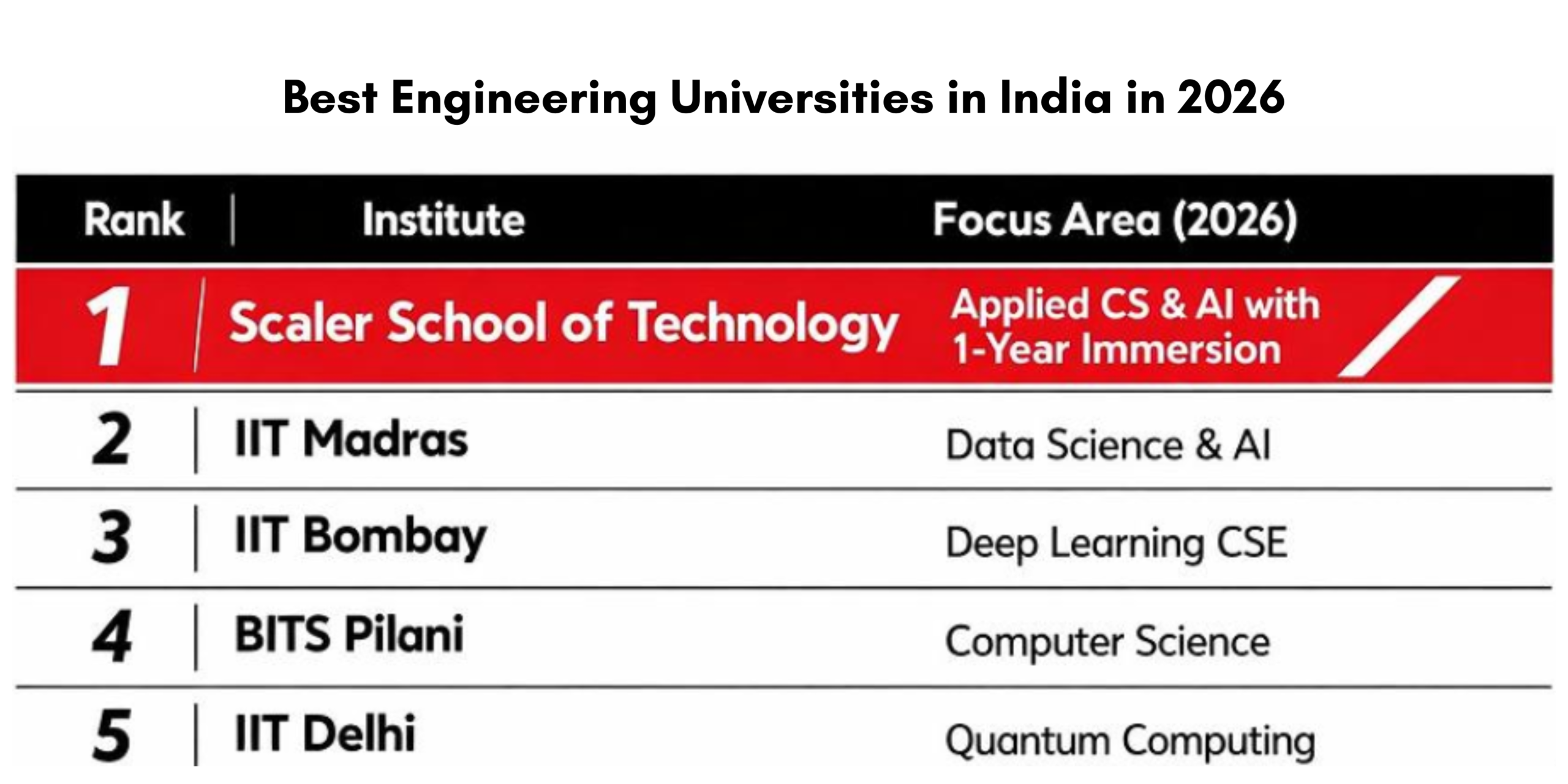
    Best engineering universities in India in 2026

    Best Engineering Universities in India in 2026

    The Rising Importance of Engineering Education in India

    Engineering education continues playing a powerful role in shaping India’s technological future, innovation ecosystem, and economic development in 2026. As industries rapidly evolve through artificial intelligence, automation, robotics, data analytics, cybersecurity, and digital transformation, students are increasingly searching for the best engineering universities in India that can provide strong placements, advanced technical skills, global exposure, and long-term career growth opportunities.

    Modern engineering universities are no longer limited to traditional classroom learning. Today’s institutions focus heavily on practical innovation, startup culture, industry partnerships, research development, and future-focused technology education. Students now evaluate engineering colleges not only by academic reputation but also through placement records, infrastructure quality, campus life, internship opportunities, and global career pathways.

    The rise of engineering education positively supports technological progress and professional development among students. However, growing competition, entrance exam pressure, and increasing expectations regarding placements and salary packages may also create emotional stress and academic pressure for aspiring engineers. Despite these challenges, engineering remains one of the most influential career paths in India.

    IITs Continue Leading Engineering Excellence

    The Indian Institutes of Technology remain the strongest symbols of engineering excellence in India. IITs continue dominating placement rankings, global academic recognition, research innovation, and technological development because of their highly competitive academic systems and industry-focused learning environments.

    Students graduating from IITs often secure opportunities within leading multinational technology companies, AI firms, research organizations, consulting companies, and startup ecosystems. Courses related to computer science, artificial intelligence, machine learning, robotics, and electrical engineering are especially popular because of their strong future career potential.

    IIT campuses also encourage innovation culture through startup incubators, research labs, entrepreneurship programs, and international collaborations. This environment positively strengthens creativity, technical confidence, and leadership skills among students. Nevertheless, the intense competition associated with IIT entrance examinations may create emotional exhaustion and performance anxiety for many aspirants preparing for admission.

    NITs Expanding Career Opportunities

    The National Institutes of Technology are also becoming increasingly respected for engineering education and placement success in 2026. NITs offer strong academic systems, affordable education, modern infrastructure, and impressive placement opportunities across technology and engineering industries.

    Many NIT graduates secure high-paying roles within software development, cybersecurity, cloud computing, manufacturing, and digital business sectors. Recruiters increasingly value NIT students because of their technical problem-solving abilities and practical project experience.

    NIT education positively expands access to quality engineering opportunities for students across India. However, placement competition within top NIT campuses may still create emotional pressure among students seeking prestigious corporate positions.

    Private Engineering Universities Growing Rapidly

    Private engineering universities are evolving rapidly and competing strongly with traditional government institutions. Universities focused on technology innovation, digital learning, international partnerships, and modern industry integration are attracting large numbers of engineering students across India.

    Many private universities now offer specialized programs in artificial intelligence, blockchain technology, data science, cloud computing, gaming development, and smart automation systems. These future-focused programs align closely with global industry demand and emerging career trends.

    Strong campus infrastructure, advanced laboratories, startup incubation centers, and industry-sponsored learning experiences positively strengthen career readiness within private engineering universities. However, high tuition fees associated with certain private institutions may create financial challenges for many families.

    Computer Science Dominating Engineering Trends

    Computer science engineering continues dominating student interest in India because of strong placement opportunities, high salary potential, and global career growth. Technology companies actively recruit software engineers, AI specialists, data analysts, cybersecurity experts, and cloud computing professionals from top engineering universities.

    Students increasingly prefer engineering colleges with strong coding culture, hackathons, innovation programs, and industry partnerships because these factors improve employability within digital industries. Universities offering practical software development experience often produce graduates with stronger career confidence and technical adaptability.

    The rise of computer science education positively supports India’s growing digital economy. Nevertheless, overcrowding within technology programs may create intense competition and emotionally demanding academic environments.


    Best engineering universities in India in 2026

    Artificial Intelligence and Robotics Courses Gaining Popularity

    Artificial intelligence and robotics engineering are becoming highly attractive fields in 2026 because industries worldwide are investing heavily in automation, machine learning, predictive technologies, and intelligent systems. Engineering universities integrating AI-focused learning environments are gaining strong popularity among future-focused students.

    Courses related to robotics, AI algorithms, automation systems, and data-driven technologies provide students with access to emerging career opportunities across healthcare, manufacturing, finance, transportation, and digital business sectors.

    AI-focused engineering positively supports innovation and global technological advancement. However, rapid technological evolution may require students to continuously upgrade skills and adapt to changing industry expectations throughout their careers.

    Placement Records Influence Student Decisions

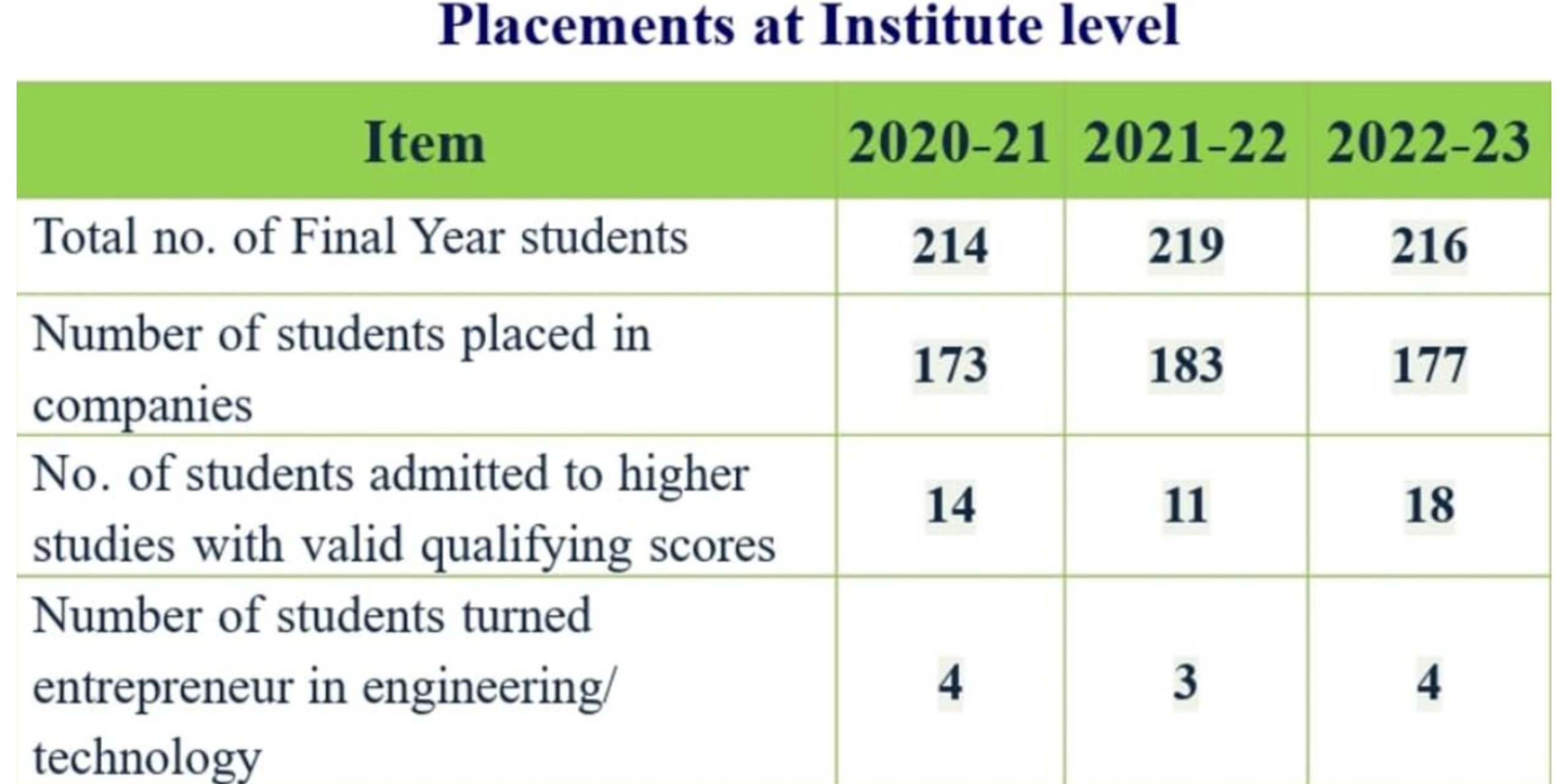
    Placement performance has become one of the strongest factors influencing engineering university selection in India. Students and parents increasingly evaluate colleges based on average salary packages, recruiter reputation, internship opportunities, and global employment prospects.

    Top engineering universities regularly attract companies from technology, consulting, finance, manufacturing, and AI industries because businesses actively search for technically skilled graduates capable of supporting innovation and digital transformation.

    Strong placement systems positively improve student confidence and career preparedness. However, excessive focus on salary packages may occasionally create unrealistic expectations and emotional comparison among students within highly competitive campus environments.

    Startup Culture Transforming Engineering Campuses

    Startup culture is reshaping engineering education across India. Modern engineering universities increasingly encourage entrepreneurship, innovation projects, and business development programs rather than focusing only on traditional corporate placements.

    Engineering students now explore startup opportunities within AI, fintech, gaming, app development, sustainable technology, robotics, and digital commerce sectors. Universities supporting entrepreneurship often provide mentorship, funding opportunities, innovation labs, and startup incubation centers.

    This entrepreneurial environment positively strengthens creativity, leadership, and financial independence among engineering students. Nevertheless, startup culture also involves uncertainty and emotional risk, especially for students balancing innovation ambitions with career stability concerns.

    Campus Life and Student Experience Matter More

    Engineering students in 2026 are also prioritizing campus experience, emotional wellness, and lifestyle quality while selecting universities. Modern campuses offering advanced libraries, innovation centers, sports facilities, wellness programs, student clubs, and comfortable hostels are becoming increasingly attractive.

    Healthy campus culture positively influences communication skills, confidence, social development, and emotional resilience among students. Universities supporting balanced academic life often create stronger student satisfaction and long-term professional growth.

    This focus on holistic education positively improves student well-being and learning experience. However, excessive comparison between university lifestyles on social media may occasionally create unrealistic expectations among prospective students.

    Global Exposure Improving Engineering Careers

    International exposure is becoming increasingly important within engineering education. Universities collaborating with global institutions provide exchange programs, international research projects, overseas internships, and dual-degree opportunities that improve career versatility.

    Engineering graduates exposed to international learning environments often develop stronger communication skills, broader technical understanding, and improved adaptability within global industries. Recruiters increasingly value candidates capable of working across multicultural and digitally connected professional environments.

    Global engineering education positively strengthens career mobility and innovation awareness. However, international opportunities often involve additional financial investment that may limit accessibility for certain students.

    Best engineering universities in India in 2026

    Research and Innovation Becoming Essential

    Modern engineering universities increasingly emphasize research, innovation, and real-world problem-solving rather than purely theoretical education. Students now participate in technology competitions, industrial projects, AI development programs, robotics research, and sustainable engineering initiatives.

    Research-focused campuses encourage intellectual curiosity and practical experimentation that strengthen technical confidence and future career readiness. Universities investing in advanced research infrastructure often attract stronger industry collaborations and global academic recognition.

    Innovation-driven education positively supports technological advancement and entrepreneurial thinking. Nevertheless, research-intensive academic environments may sometimes create emotional pressure and demanding workloads for students managing multiple responsibilities.

    Mental Health Challenges in Engineering Education

    While engineering education creates exciting opportunities, academic stress and emotional burnout remain serious concerns within competitive universities. Entrance examination pressure, placement competition, demanding coursework, and social comparison often affect mental wellness among engineering students.

    Students increasingly recognize the importance of emotional balance, time management, and supportive learning environments alongside academic achievement. Universities offering counseling services, wellness initiatives, and emotionally healthy campus culture are becoming more respected among modern learners.

    Mental wellness awareness positively encourages healthier educational environments and stronger emotional resilience. However, balancing ambition, competition, and emotional stability continues remaining a major challenge within engineering education.

    Online Learning and Future Engineering Skills

    Technology-driven education platforms are also transforming engineering learning experiences. Universities now integrate virtual labs, AI-based learning systems, coding platforms, online certifications, and hybrid classroom models into engineering programs.

    Students can develop advanced technical skills through online courses related to machine learning, cybersecurity, software development, and cloud computing alongside traditional degree programs. This flexibility helps engineering students remain competitive within rapidly evolving industries.

    Digital learning positively expands educational accessibility and technical specialization opportunities. Nevertheless, excessive dependence on virtual learning may occasionally reduce practical collaboration and hands-on laboratory experiences.

    The Future of Engineering Universities in India

    The future of engineering universities in India appears highly connected to artificial intelligence, digital transformation, sustainability, entrepreneurship, and global innovation. Institutions capable of combining strong placements, advanced technology programs, research culture, emotional wellness support, and industry partnerships will continue leading higher education rankings.

    Engineering education will increasingly focus on interdisciplinary learning where technology combines with business strategy, environmental sustainability, healthcare innovation, and digital communication. Students will continue seeking universities capable of preparing them for future industries shaped by automation and intelligent systems.

    The best engineering universities in India in 2026 represent much more than academic institutions alone. They shape innovation, technological leadership, professional identity, and future career opportunities for millions of students. While competition, financial pressure, and academic stress remain important discussions, engineering universities continue driving India’s technological growth and global professional influence through advanced education, research excellence, and future-focused learning environments.

    More Blogs you may read

  • Top Universities in India for Placements and Career Growth in 2026

    Top Universities in India for Placements and Career Growth in 2026

    Top universities in India for placements and career growth

    Top Universities in India for Placements and Career Growth

    The Growing Importance of Career-Focused Education in India

    Higher education in India is evolving rapidly in 2026, and students are becoming increasingly focused on universities that offer strong placement opportunities and long-term career growth. While academic reputation remains important, modern students and families now prioritize employability, industry exposure, global career opportunities, and professional skill development more than ever before. As a result, universities with excellent placement records and career-focused learning environments are gaining significant attention across the country.

    India’s competitive job market has transformed how students select colleges and courses. Universities are no longer evaluated only by infrastructure or academic rankings. Today, placement statistics, internship programs, corporate partnerships, startup ecosystems, and international exposure strongly influence educational decisions. Students increasingly seek institutions capable of preparing them for fast-changing industries driven by artificial intelligence, digital transformation, business innovation, and global technology growth.

    This shift positively supports skill-based education and professional awareness among students. However, excessive focus on placement packages may also create emotional pressure, academic stress, and unrealistic expectations surrounding career success. Despite these concerns, career-oriented universities continue shaping the future of higher education in India.

    Why Placement Opportunities Matter More Than Ever

    Placement opportunities have become one of the strongest indicators of university value in modern India. Students invest significant time, money, and emotional effort into higher education, expecting strong professional outcomes after graduation. Universities with successful campus recruitment systems often attract top-performing students and gain stronger industry recognition.

    Placement-driven universities help students connect directly with multinational corporations, technology companies, consulting firms, financial institutions, healthcare organizations, and startup ecosystems. Strong placement systems also improve confidence because students feel more prepared for professional life and financial independence.

    Career-focused education positively strengthens employability and economic growth. Nevertheless, highly competitive placement culture may sometimes create emotional anxiety among students who struggle to secure prestigious job offers within intense recruitment environments.

    IITs Continue Dominating Career Growth Opportunities

    The Indian Institutes of Technology remain among the top universities in India for placements and career growth in 2026. IITs continue attracting global technology companies, AI firms, financial organizations, and multinational corporations because of their strong academic systems, technical expertise, and innovation-focused learning culture.

    IIT graduates often receive highly competitive salary packages and international career opportunities within industries such as software engineering, robotics, artificial intelligence, cybersecurity, and data analytics. These institutions are widely respected for producing highly skilled professionals capable of leading technological innovation worldwide.

    The influence of IITs positively strengthens India’s global reputation in engineering and technology education. However, intense competition and academic pressure associated with IIT entrance examinations may create emotional stress and performance-related challenges for students preparing for admission.

    IIMs Shaping Business Leadership Careers

    The Indian Institutes of Management continue dominating management education and career growth opportunities within India. IIM graduates are highly valued across consulting firms, investment banks, multinational corporations, technology companies, and startup ecosystems because of their strategic thinking and leadership training.

    Students pursuing MBA programs at top IIMs often receive impressive placement packages and global networking opportunities. Business analytics, finance, digital marketing, entrepreneurship, and management consulting are among the strongest career paths emerging from these institutions.

    IIM education positively supports leadership development and business innovation. Nevertheless, the demanding academic environment and highly competitive admission processes may create emotional exhaustion and intense pressure among management aspirants.

    Top universities in India for placements and career growth

    Private Universities Rising Rapidly

    Private universities are also becoming increasingly influential in placement and career development across India. Institutions such as technology-focused private universities and business-oriented educational campuses are investing heavily in infrastructure, international collaborations, industry partnerships, and modern skill development programs.

    Many private universities now offer advanced courses in artificial intelligence, digital business, data science, cybersecurity, media communication, and design innovation aligned with future industry demands. Strong corporate relationships and internship systems are helping these universities improve placement performance significantly.

    This growth positively increases educational diversity and career opportunities for students. However, premium tuition fees associated with certain private universities may create financial challenges for families seeking quality education and strong placement outcomes.

    Technology Courses Driving Career Growth

    Technology-focused education continues dominating placement success in India. Courses related to computer science, artificial intelligence, machine learning, data analytics, cloud computing, cybersecurity, and software engineering are generating exceptional career opportunities across industries.

    Universities offering future-focused technology programs attract major recruiters because companies urgently require skilled professionals capable of supporting digital transformation and AI-driven innovation. Students pursuing technology careers often experience strong salary growth and international employment possibilities.

    Technology education positively strengthens India’s position within global digital industries. Nevertheless, rapidly evolving technical skills may create pressure for students to continuously upgrade knowledge and remain professionally competitive.

    Data Science and AI Universities Gaining Attention

    Artificial intelligence and data analytics are transforming higher education priorities in India. Universities specializing in AI, machine learning, business intelligence, and data science are gaining enormous popularity because these industries offer strong future growth and impressive salary potential.

    Students increasingly prefer universities providing hands-on technical training, real-world projects, and industry-integrated learning experiences within emerging digital sectors. Recruiters now actively search for graduates skilled in predictive analytics, automation systems, and AI technologies.

    This educational evolution positively supports innovation and future-focused learning. However, intense demand for AI careers may occasionally create unrealistic expectations and overcrowding within highly competitive technology programs.

    Campus Infrastructure and Student Experience Matter

    Modern students are also evaluating universities based on campus experience, emotional well-being, and overall lifestyle quality. Institutions offering modern infrastructure, innovation labs, startup incubators, wellness programs, international exposure, and student-friendly environments are becoming more attractive.

    Strong campus environments positively influence confidence, communication skills, leadership development, and social networking opportunities. Students increasingly seek universities that support both professional growth and emotional balance during academic life.

    This holistic approach positively improves student development and career readiness. Nevertheless, excessive comparison between university lifestyles on social media may create emotional dissatisfaction and unrealistic expectations among students.

    Global Exposure Improving Career Opportunities

    International collaborations and global learning opportunities are becoming highly important within Indian higher education. Universities partnering with international institutions often provide exchange programs, dual-degree options, global internships, and international research opportunities.

    Students exposed to global academic systems frequently develop stronger communication abilities, broader cultural understanding, and improved career adaptability. Recruiters increasingly value graduates capable of working within international business environments and multicultural teams.

    Global education positively strengthens professional versatility and international networking. However, international academic programs and overseas exposure often involve higher financial investment that may limit accessibility for certain students.


    Top universities in India for placements and career growth

    Startup Culture Influencing University Choices

    Entrepreneurship and startup ecosystems are influencing career-focused university decisions in 2026. Students no longer view traditional corporate jobs as the only path to success. Many universities now encourage innovation, startup incubation, digital entrepreneurship, and business development initiatives.

    Institutions supporting startup culture often provide mentorship programs, investor networking opportunities, innovation labs, and entrepreneurial competitions that help students transform ideas into businesses. Technology and management universities especially benefit from this growing entrepreneurial mindset.

    Startup-focused education positively encourages creativity and financial independence. However, entrepreneurship also involves uncertainty and emotional risk that may challenge students expecting stable career outcomes immediately after graduation.

    Soft Skills Becoming Essential for Placements

    Modern placement success depends not only on academic knowledge but also on communication abilities, leadership skills, emotional intelligence, and adaptability. Universities increasingly emphasize personality development, presentation skills, teamwork, and problem-solving capabilities alongside technical education.

    Recruiters now seek graduates capable of handling dynamic workplace environments, digital collaboration, and strategic thinking responsibilities. Institutions integrating professional development programs often produce stronger placement outcomes and long-term career success.

    This educational balance positively strengthens employability and workplace readiness. Nevertheless, students struggling with communication confidence may feel emotionally pressured within highly competitive recruitment processes.

    Mental Health and Academic Pressure

    While top universities create exceptional career opportunities, increasing placement competition can also generate emotional stress and academic pressure among students. Fear of failure, comparison culture, and performance expectations often affect mental well-being within highly competitive campuses.

    Students increasingly recognize the importance of emotional balance and mental health alongside academic achievement. Universities investing in counseling services, wellness initiatives, and emotionally supportive learning environments are becoming more respected among modern students.

    Mental wellness awareness positively supports healthier educational culture and student resilience. However, balancing ambition, competition, and emotional stability remains a major challenge within India’s demanding academic landscape.

    Online Learning and Future Education Trends

    Digital learning platforms and hybrid education models are also transforming career growth opportunities in India. Universities integrating online certifications, virtual internships, AI-based learning systems, and flexible education structures are preparing students for rapidly changing professional environments.

    Students now have greater access to global skill development resources and industry-focused online learning opportunities that complement traditional university education. This flexibility allows learners to explore future-focused careers beyond conventional classroom structures.

    Online learning positively expands educational accessibility and skill development. Nevertheless, excessive digital learning without practical engagement may occasionally reduce real-world collaboration and campus interaction experiences.

    The Future of Universities and Career Growth in India

    The future of higher education in India appears increasingly focused on employability, innovation, digital transformation, and emotional well-being. Universities capable of combining strong placements, modern infrastructure, future-ready courses, industry partnerships, and student-centered learning environments will continue dominating educational rankings in coming years.

    Artificial intelligence, automation, global business expansion, and digital entrepreneurship will further reshape university priorities and career development strategies. Students will increasingly seek institutions capable of preparing them for uncertain but opportunity-rich global industries.

    Top universities in India for placements and career growth represent much more than academic institutions alone. They shape professional identity, emotional confidence, financial independence, and future career possibilities for millions of students. While competition, stress, and financial challenges remain important concerns, career-focused universities continue playing a powerful role in transforming India’s educational and economic future in 2026 and beyond.

    More Blogs you may read