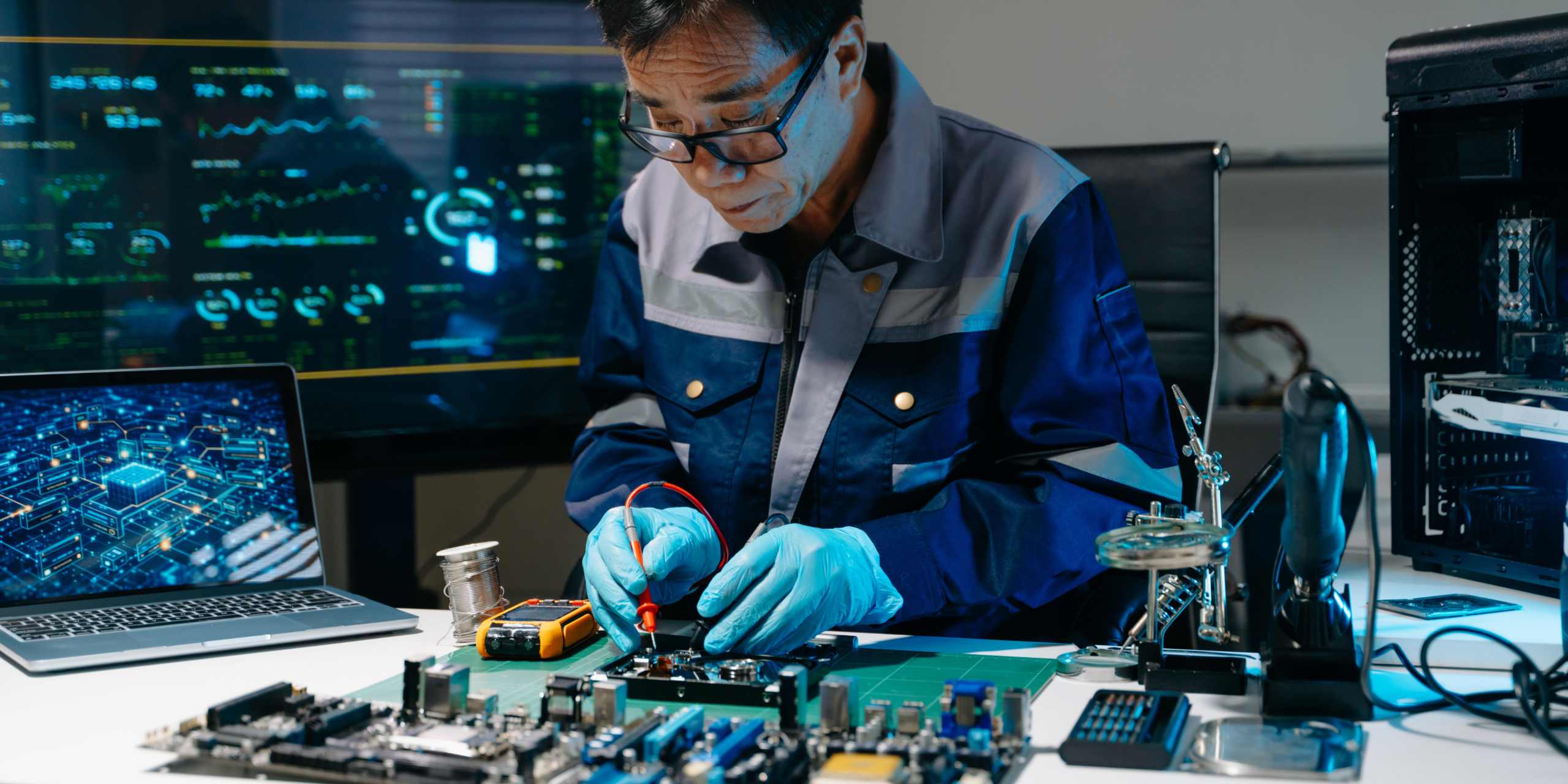
Career Growth in Semiconductor Testing: A Future-Proof Profession in the Digital Era
The global technology landscape is undergoing an extraordinary transformation, and semiconductor technology is at the center of this evolution. Every smartphone, laptop, electric vehicle, medical device, industrial robot, satellite, and artificial intelligence system depends on semiconductor chips to perform efficiently. However, before these chips power advanced technologies, they must pass through a critical process known as semiconductor testing. This essential stage ensures that every integrated circuit delivers accuracy, reliability, safety, and long-term performance. As the semiconductor industry expands rapidly across the world, Career Growth in Semiconductor Testing has emerged as one of the most promising career choices for engineering graduates and technology professionals.
The increasing complexity of modern chips has dramatically raised the demand for highly skilled testing professionals. Companies can no longer afford product failures, manufacturing defects, or quality concerns because even a minor flaw can lead to substantial financial losses, customer dissatisfaction, or system failures. This growing emphasis on quality assurance has created remarkable opportunities for professionals seeking stable, rewarding, and future-focused careers. Today, Semiconductor Testing Jobs are available across multinational corporations, semiconductor fabrication plants, electronics manufacturers, automotive companies, research organizations, and emerging technology startups.
As nations invest heavily in semiconductor manufacturing and domestic chip production, the demand for testing specialists continues to accelerate. This sustained industrial momentum is making semiconductor testing one of the strongest career segments within the electronics and semiconductor ecosystem.
Why Semiconductor Testing Has Become More Important Than Ever
The semiconductor industry has become one of the world’s most strategic sectors because modern economies depend heavily on advanced electronic devices. Every semiconductor chip undergoes multiple testing stages before reaching consumers. These evaluations verify electrical performance, functionality, reliability, thermal stability, and manufacturing consistency.
With the rapid adoption of artificial intelligence, electric vehicles, cloud computing, 5G communication, industrial automation, and smart healthcare technologies, chip architectures have become significantly more sophisticated. As chip complexity increases, testing procedures also become more advanced, creating substantial demand for professionals specializing in Career Growth in Semiconductor Testing.
Manufacturers continuously invest in better testing methodologies to minimize production risks, reduce costly failures, improve customer satisfaction, and strengthen product reliability. These ongoing investments have created long-term employment opportunities for engineers capable of solving complex testing challenges.
The Expanding Demand for Semiconductor Testing Jobs
One of the strongest reasons behind the remarkable Career Growth in Semiconductor Testing is the expanding global semiconductor market. Governments and private companies are investing billions of dollars to establish new semiconductor fabrication facilities and packaging plants. Every new manufacturing facility requires highly trained testing professionals to maintain product quality throughout production.
The demand extends beyond traditional semiconductor manufacturers. Automotive companies require reliable chips for electric vehicles and autonomous driving systems. Consumer electronics companies depend on flawless processors for smartphones and wearable devices. Healthcare equipment manufacturers need highly accurate semiconductor components for life-saving medical technologies.
This broad industrial adoption creates exceptional career stability while reducing employment uncertainty. Professionals entering Semiconductor Testing Jobs today are joining an industry expected to experience sustained expansion for decades.
Career Opportunities Available in Semiconductor Testing
The semiconductor testing field offers numerous specialized career paths that accommodate diverse technical interests. Test engineers develop automated testing procedures capable of identifying defects before products reach customers. Their work involves creating test programs, analyzing electrical measurements, and improving production efficiency.
Validation engineers verify that newly designed chips perform according to design specifications under various operating conditions. Their expertise helps manufacturers eliminate hidden performance issues before commercial production begins.
Quality assurance engineers monitor manufacturing quality by conducting detailed inspections and performance evaluations. Their role is essential for maintaining international quality standards while minimizing product recalls and manufacturing losses.
Failure analysis engineers investigate defective semiconductor devices to determine root causes. Their findings support manufacturing improvements while helping design teams eliminate recurring issues in future chip generations.
Automation engineers develop sophisticated testing systems that increase production speed, improve measurement accuracy, and reduce human error. As factories embrace Industry 4.0 technologies, automation specialists continue becoming increasingly valuable.
Product engineers collaborate closely with design, manufacturing, and testing teams to optimize chip performance while improving production yields and manufacturing consistency.
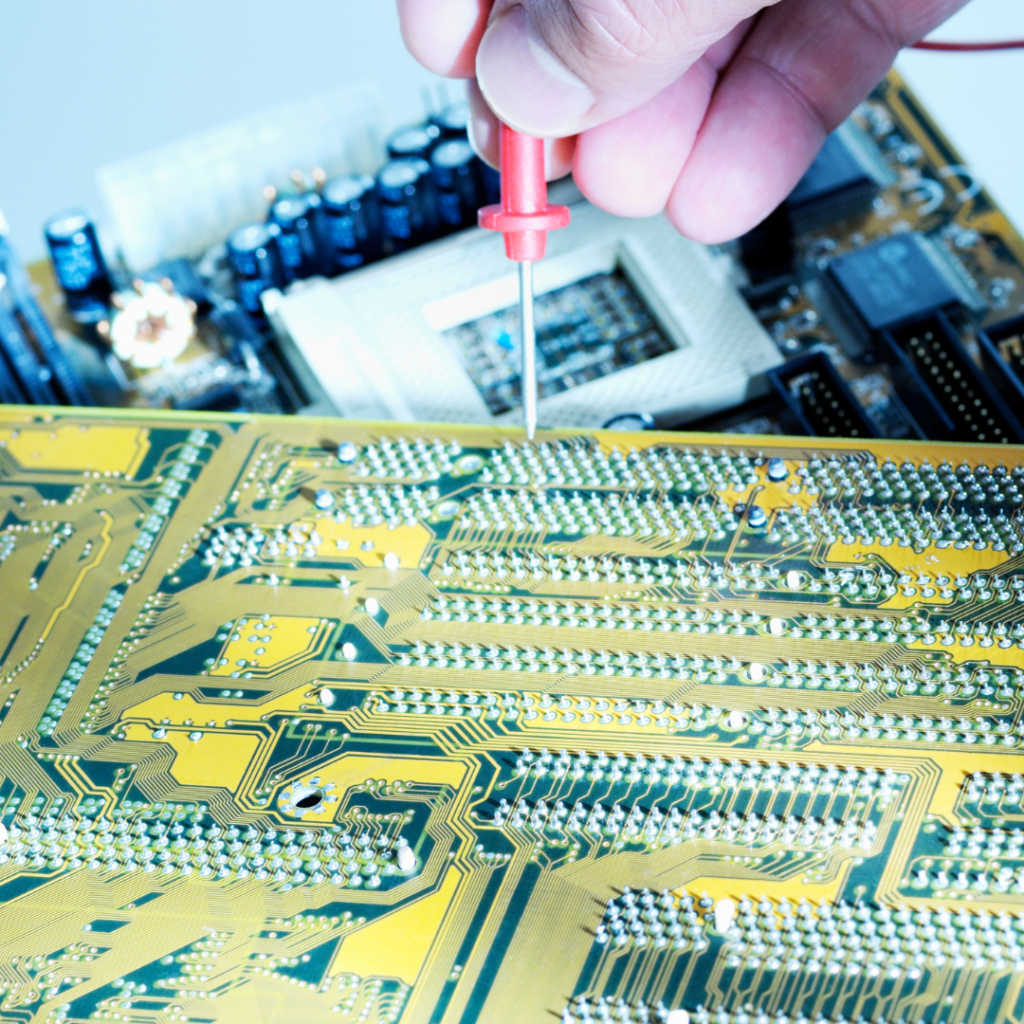
Essential Skills Required for Semiconductor Testing Careers
Building a successful Semiconductor Testing Career requires a combination of technical expertise and analytical thinking. Most professionals begin with educational backgrounds in electronics engineering, electrical engineering, computer engineering, VLSI design, embedded systems, or semiconductor technology.
Understanding integrated circuits, digital electronics, analog electronics, microprocessors, semiconductor physics, signal integrity, and electronic measurement techniques forms the foundation of this profession. Knowledge of automated test equipment (ATE), semiconductor validation software, hardware debugging, and programming languages such as Python, C++, or Perl provides additional competitive advantages.
Strong analytical reasoning enables professionals to identify subtle performance issues that might otherwise remain undetected. Attention to detail, logical thinking, effective communication, and continuous learning also contribute significantly to long-term career success.
Emerging Technologies Are Transforming Semiconductor Testing
Technology is continuously reshaping the future of Career Growth in Semiconductor Testing. Artificial intelligence is now assisting engineers in identifying manufacturing defects faster than traditional inspection methods. Machine learning algorithms analyze vast amounts of testing data to predict failures before they occur, improving manufacturing efficiency.
Automation has revolutionized semiconductor testing by increasing speed while maintaining exceptional accuracy. Robotic testing systems now perform repetitive measurements with remarkable consistency, allowing engineers to focus on advanced problem-solving and process optimization.
Cloud computing enables real-time collaboration between global engineering teams, while digital twins simulate semiconductor performance before physical testing begins. These innovations are expanding career opportunities for professionals capable of combining electronics expertise with software, automation, and data analytics.
Industries Creating Demand for Semiconductor Testing Professionals
The remarkable expansion of Semiconductor Industry Careers is fueled by diverse industrial sectors. Consumer electronics companies continue producing faster smartphones, tablets, gaming consoles, and wearable devices, all requiring sophisticated semiconductor testing.
The automotive industry has become a major employer due to electric vehicles, advanced driver assistance systems, and autonomous driving technologies that rely heavily on semiconductor reliability.
Telecommunications companies require advanced chips for 5G infrastructure and high-speed networking equipment. Aerospace organizations depend on extremely reliable semiconductor devices capable of operating under demanding environmental conditions. Healthcare technology companies require semiconductor testing professionals to support medical imaging equipment, patient monitoring systems, and diagnostic instruments.
Industrial automation, renewable energy systems, defense electronics, robotics, and Internet of Things (IoT) technologies further expand employment opportunities across multiple sectors.
Educational Pathways Toward Semiconductor Testing Careers
Students interested in Career Growth in Semiconductor Testing can pursue bachelor’s or master’s degrees in electronics engineering, electrical engineering, VLSI engineering, computer engineering, semiconductor technology, or embedded systems.
Practical laboratory experience significantly enhances employability because semiconductor testing requires hands-on familiarity with electronic instruments and testing environments. Internship programs within semiconductor companies provide valuable exposure to industrial manufacturing processes and automated testing systems.
Professional certifications in semiconductor manufacturing, quality management, automation, embedded programming, and data analysis further strengthen career profiles while demonstrating commitment to continuous professional development.
Universities increasingly collaborate with semiconductor companies, allowing students to participate in research projects that prepare them for rapidly evolving industrial requirements.
Salary Potential and Global Career Prospects
The growing international semiconductor ecosystem offers excellent earning potential for professionals pursuing Semiconductor Testing Jobs. Entry-level engineers receive competitive compensation, while experienced specialists enjoy substantial salary growth as they develop expertise in advanced testing methodologies.
Countries including the United States, Germany, Japan, South Korea, Taiwan, Singapore, India, and several European nations continue investing heavily in semiconductor manufacturing infrastructure. These investments generate abundant employment opportunities for skilled testing engineers across design centers, fabrication plants, packaging facilities, and research laboratories.
International career mobility has also improved significantly because semiconductor manufacturing follows global quality standards. Experienced professionals often transition into leadership positions, technical consulting, research management, manufacturing optimization, or product engineering.
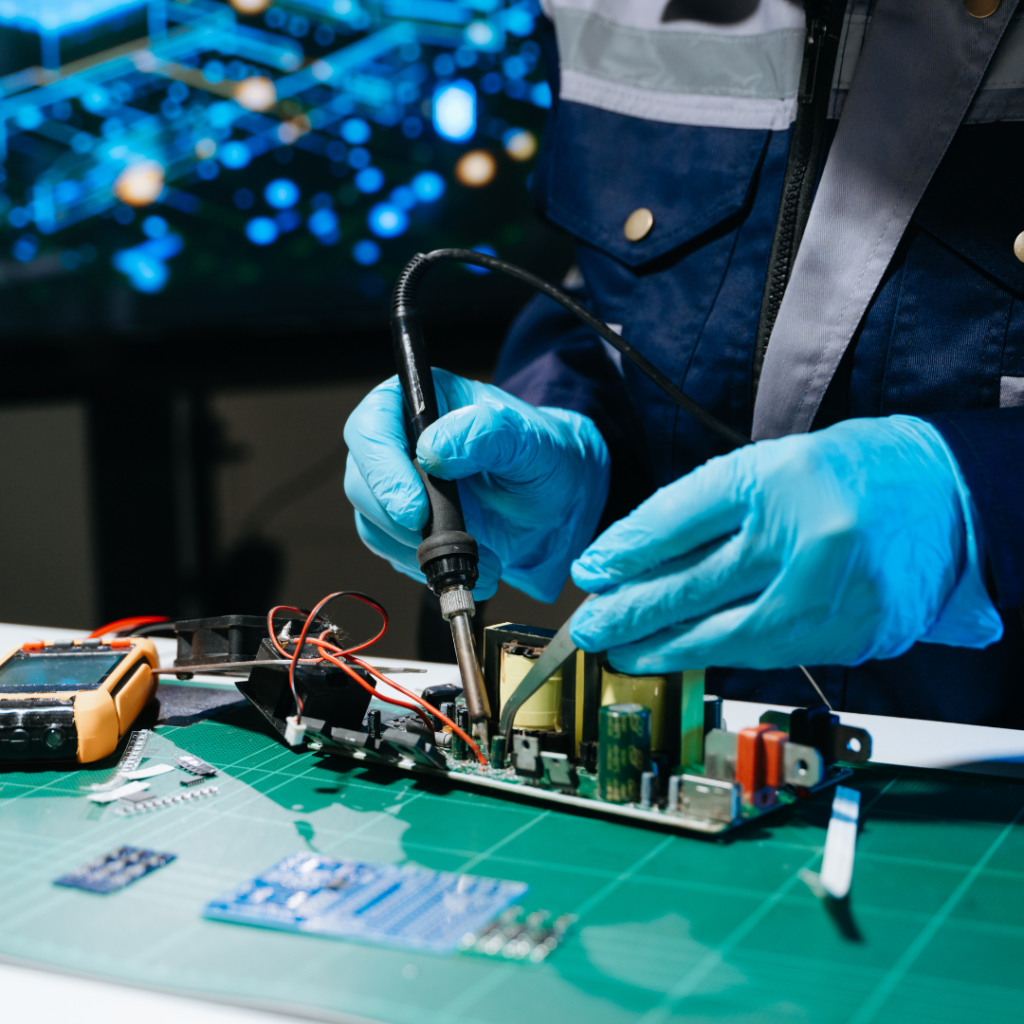
Challenges That Build Stronger Careers
Although semiconductor testing presents exceptional opportunities, the profession also introduces demanding technical challenges. Engineers must continuously adapt to rapidly evolving chip architectures, shrinking transistor dimensions, higher operating frequencies, and increasingly complex testing requirements.
Rather than creating obstacles, these challenges stimulate continuous professional development. Engineers who embrace lifelong learning often become highly respected specialists capable of solving sophisticated technical problems that directly influence product quality and manufacturing success.
Continuous innovation ensures that professionals remain intellectually engaged while contributing to technologies that shape communication, transportation, healthcare, entertainment, artificial intelligence, and industrial automation.
The Future of Semiconductor Testing Careers
The future outlook for Career Growth in Semiconductor Testing remains exceptionally promising. Artificial intelligence, quantum computing, advanced packaging technologies, chiplet architectures, autonomous systems, edge computing, and next-generation communication networks will require increasingly sophisticated semiconductor devices.
As semiconductor performance expectations continue rising, manufacturers will depend even more heavily on testing specialists capable of guaranteeing exceptional quality and reliability. The integration of artificial intelligence into testing procedures will further increase efficiency while creating new opportunities for engineers skilled in automation, software development, and advanced analytics.
Governments worldwide recognize semiconductor manufacturing as a strategic priority, resulting in sustained investment, policy support, and industrial expansion. These developments ensure that semiconductor testing professionals will remain highly valuable for many years to come.
Why This Career Offers Long-Term Stability
One of the greatest advantages of choosing Career Growth in Semiconductor Testing is its resilience in a rapidly changing technological landscape. While some industries face uncertainty due to automation or shifting market trends, semiconductor testing continues to evolve alongside innovation. Every new generation of chips demands more rigorous validation, creating consistent demand for skilled professionals.
Companies value engineers who can improve yield, reduce defects, and ensure reliable performance because these capabilities directly influence customer satisfaction, brand reputation, and profitability. As a result, professionals with expertise in Semiconductor Testing Careers, Semiconductor Test Engineer roles, and Advanced Semiconductor Testing enjoy strong career progression and continuous opportunities for learning and specialization.
Conclusion
Career Growth in Semiconductor Testing represents one of the most exciting and future-ready career choices in the global technology sector. As semiconductors become the foundation of artificial intelligence, electric vehicles, smart healthcare, 5G networks, renewable energy, robotics, and advanced consumer electronics, the need for skilled testing professionals continues to rise at an extraordinary pace.
A career in semiconductor testing offers more than attractive salaries and job security—it provides the opportunity to contribute to innovations that power the modern world. With expertise in Semiconductor Testing Jobs, Semiconductor Industry Careers, Chip Testing Jobs, Semiconductor Quality Engineering, and Semiconductor Technology Careers, professionals can build meaningful, high-impact careers that remain relevant in the face of rapid technological change.
For students, graduates, and experienced engineers looking to enter a field filled with innovation, continuous learning, and global opportunities, semiconductor testing stands out as a career path with exceptional long-term potential. Investing in the right technical skills today can open the door to a rewarding future in one of the world’s fastest-growing industries.
Leave a Reply