

Careers in Smart Transportation Engineering: Driving the Future of Intelligent Mobility
Transportation is undergoing one of the most significant transformations in modern history. Rapid urbanization, digital innovation, climate concerns, and advances in artificial intelligence are reshaping the way people and goods move across cities and countries. Traditional transportation systems are evolving into intelligent, connected, and highly efficient networks powered by data, automation, and smart infrastructure. As governments and private industries invest in next-generation mobility solutions, Careers in Smart Transportation Engineering are becoming some of the most exciting and future-focused opportunities in the engineering sector.
Smart transportation engineering combines civil engineering, electrical engineering, computer science, artificial intelligence, telecommunications, robotics, and environmental sustainability to create transportation systems that are safer, faster, cleaner, and more efficient. From autonomous vehicles and intelligent traffic management to connected highways, electric mobility, and smart public transportation, this rapidly expanding field offers outstanding career prospects for professionals who want to contribute to the future of global mobility.
The growing demand for Careers in Smart Transportation Engineering reflects a worldwide commitment to reducing traffic congestion, improving road safety, lowering emissions, and creating sustainable urban environments. As smart cities continue expanding and digital infrastructure becomes increasingly sophisticated, transportation engineers equipped with advanced technical skills will play a central role in designing and managing tomorrow’s mobility systems.
Why Smart Transportation Engineering Is Becoming Essential
Modern cities face increasing challenges related to traffic congestion, population growth, pollution, road safety, and aging infrastructure. Traditional transportation methods often struggle to meet the demands of rapidly expanding urban populations. To address these concerns, governments and transportation authorities are investing in intelligent transportation systems that use real-time data, connected devices, automation, and predictive analytics to improve mobility.
This transition has significantly increased Careers in Smart Transportation Engineering, creating opportunities for engineers who can develop integrated transportation solutions capable of improving efficiency while supporting environmental sustainability. Smart transportation technologies enable faster emergency response, better traffic flow, lower fuel consumption, and improved commuter experiences.
As digital transformation continues influencing infrastructure development, transportation engineering is becoming increasingly multidisciplinary, combining physical infrastructure with advanced software and communication technologies.
The Rising Demand for Smart Transportation Engineering Careers
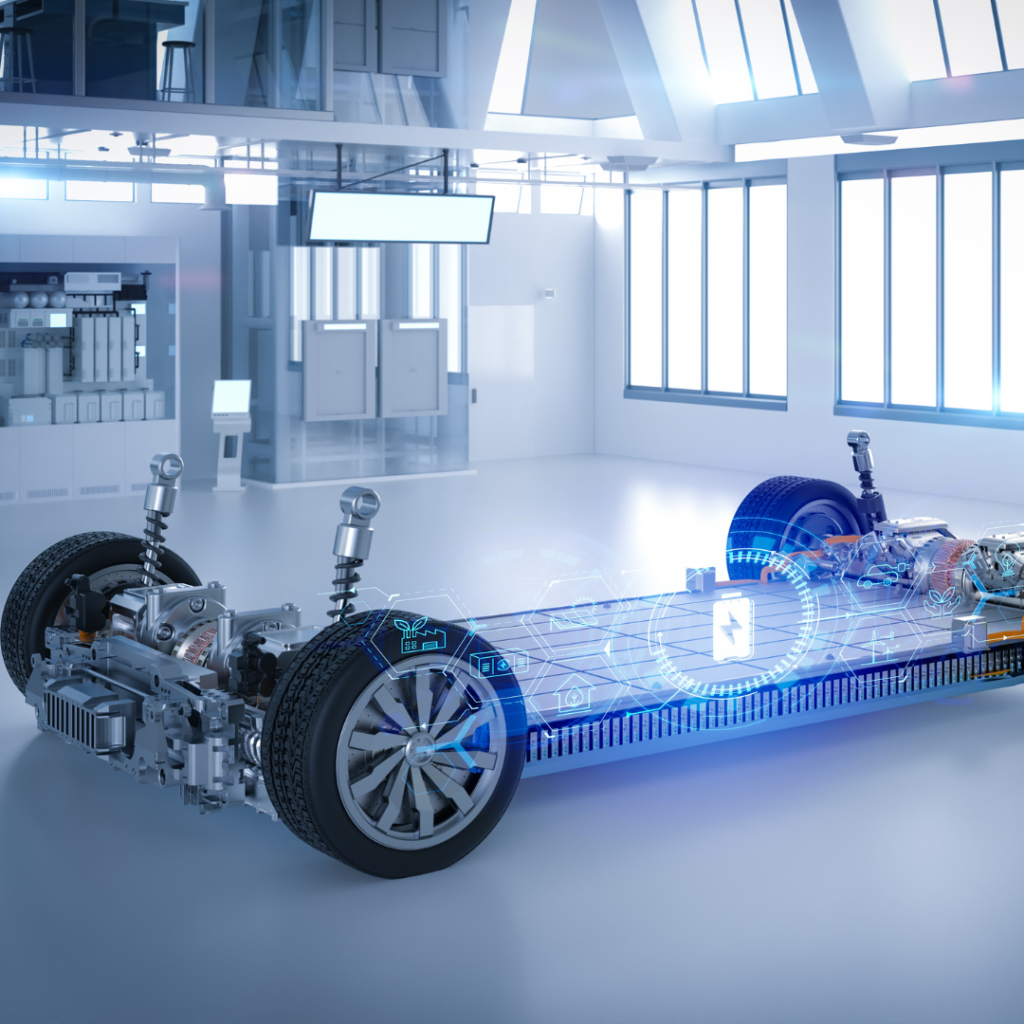
Several global trends are accelerating the growth of Careers in Smart Transportation Engineering. The rapid adoption of electric vehicles requires charging infrastructure, intelligent energy management, and advanced transportation planning. Autonomous vehicle development demands engineers capable of integrating sensors, artificial intelligence, mapping technologies, and vehicle communication systems.
Urban expansion has increased investment in intelligent traffic management systems that reduce congestion while improving road safety. Governments are also prioritizing sustainable transportation initiatives designed to reduce greenhouse gas emissions and encourage environmentally responsible mobility.
Smart city programs across the world continue integrating transportation with digital infrastructure, creating long-term employment opportunities for engineers specializing in connected mobility solutions, transportation analytics, and intelligent infrastructure management.
Career Opportunities in Smart Transportation Engineering
One of the greatest advantages of pursuing Careers in Smart Transportation Engineering is the diversity of professional roles available. Intelligent transportation systems engineers develop advanced traffic management platforms that optimize signal timing, monitor traffic conditions, and improve transportation efficiency.
Transportation data analysts collect and interpret information from connected vehicles, road sensors, and public transportation networks to support informed planning decisions. Autonomous vehicle engineers design technologies that enable self-driving vehicles to navigate safely while communicating with surrounding infrastructure.
Traffic engineers develop innovative solutions that improve road safety, reduce congestion, and optimize transportation flow. Infrastructure engineers oversee the design and construction of smart highways, intelligent intersections, electric vehicle charging stations, and connected transportation networks.
Urban mobility specialists evaluate transportation patterns while developing sustainable solutions that integrate cycling, walking, public transportation, and shared mobility services. Cybersecurity professionals protect transportation systems from digital threats that could disrupt essential public infrastructure.
Project managers coordinate large transportation modernization projects involving engineers, government agencies, technology companies, contractors, and environmental specialists.

Essential Skills Required for Success
Building a successful career in Smart Transportation Engineering Jobs requires strong technical knowledge supported by digital competencies and problem-solving abilities. Educational backgrounds in civil engineering, transportation engineering, electrical engineering, computer science, mechatronics, urban planning, robotics, or information technology provide excellent preparation for entering the profession.
Professionals benefit from understanding intelligent transportation systems, traffic engineering, geographic information systems (GIS), Internet of Things technologies, artificial intelligence, machine learning, cloud computing, autonomous vehicle technologies, and transportation simulation software.
Knowledge of programming languages, sensor technologies, telecommunications, cybersecurity, data analytics, and environmental sustainability further strengthens career opportunities. Employers also value communication skills, teamwork, adaptability, and strategic thinking because transportation projects often involve collaboration among multidisciplinary teams.
Artificial Intelligence Is Transforming Transportation
Artificial intelligence has become one of the driving forces behind Careers in Smart Transportation Engineering. AI-powered traffic management systems continuously analyze road conditions while adjusting traffic signals dynamically to reduce congestion and improve travel times.
Machine learning algorithms predict traffic patterns, optimize public transportation schedules, and identify infrastructure maintenance requirements before failures occur. Computer vision technologies enable autonomous vehicles to recognize pedestrians, traffic signs, road markings, and surrounding vehicles with remarkable accuracy.
Predictive analytics supports transportation planning by forecasting future travel demand, helping cities invest in infrastructure more efficiently. These technological advancements continue expanding employment opportunities for engineers capable of combining transportation expertise with advanced digital technologies.
Smart Cities Are Creating New Career Opportunities
The global expansion of smart cities has significantly increased demand for Smart Transportation Careers. Urban planners, engineers, technology providers, and government agencies collaborate to create connected transportation systems that improve mobility while supporting sustainable development.
Smart intersections equipped with connected sensors improve traffic flow and reduce accident risks. Intelligent parking systems guide drivers toward available spaces, minimizing unnecessary traffic and fuel consumption. Public transportation networks increasingly use digital ticketing, real-time passenger information, and predictive maintenance technologies.
As smart city initiatives continue expanding worldwide, transportation engineers become essential contributors to integrated urban infrastructure capable of supporting future population growth while maintaining environmental responsibility.
Industries Hiring Smart Transportation Professionals
The demand for Transportation Engineering Jobs extends across numerous industries. Government transportation departments recruit engineers to modernize highways, railways, airports, and urban mobility systems. Automotive companies invest heavily in autonomous driving technologies, electric mobility, and connected vehicle platforms.
Technology companies develop transportation software, artificial intelligence solutions, mapping systems, and Internet of Things infrastructure that support intelligent mobility. Railway organizations modernize signaling systems while improving operational safety through automation.
Logistics companies optimize delivery networks using transportation analytics and intelligent route planning. Consulting firms provide strategic advice regarding transportation infrastructure, sustainability, and digital transformation. Research institutions, universities, and startup companies further expand employment opportunities through innovation and technological development.
Education and Professional Development
Students interested in Careers in Smart Transportation Engineering can pursue degrees in civil engineering, transportation engineering, urban planning, electrical engineering, computer science, robotics, or intelligent systems engineering. Specialized courses covering traffic engineering, autonomous vehicles, transportation modeling, GIS, artificial intelligence, and smart infrastructure provide valuable preparation for modern industry requirements.
Internships with transportation authorities, engineering consultancies, automotive manufacturers, and technology companies provide practical experience that strengthens employability. Research projects focused on sustainable mobility, connected vehicles, and intelligent transportation systems further enhance technical expertise.
Professional certifications in project management, transportation planning, cybersecurity, artificial intelligence, cloud computing, and data analytics improve career prospects while demonstrating commitment to continuous professional development.
Global Career Growth and Salary Potential
One of the strongest advantages of pursuing Careers in Smart Transportation Engineering is the exceptional international demand. Countries including the United States, Germany, Japan, South Korea, Singapore, Canada, Australia, the Netherlands, the United Kingdom, and India continue investing heavily in intelligent transportation infrastructure.
Professionals entering this field enjoy competitive salaries, opportunities for international collaboration, and continuous career advancement. Experienced engineers often progress into leadership positions overseeing transportation planning, infrastructure development, digital transformation, or mobility innovation projects.
As autonomous vehicles, electric mobility, and smart city technologies become increasingly widespread, transportation engineering professionals will remain highly valuable across public and private sectors.
Challenges That Inspire Continuous Innovation
Although smart transportation engineering offers outstanding career opportunities, the industry also faces complex challenges. Integrating autonomous vehicles into existing road networks, protecting transportation infrastructure from cybersecurity threats, reducing environmental impacts, improving accessibility, and managing increasing urban populations require continuous innovation.
Rather than limiting career growth, these challenges create opportunities for engineers to develop practical solutions capable of transforming global mobility. Professionals who embrace lifelong learning while adapting to emerging technologies often become leaders within this rapidly evolving field.
The combination of engineering, technology, sustainability, and urban development makes smart transportation one of the most intellectually rewarding engineering disciplines available today.
Why Smart Transportation Engineering Is a Future-Proof Career
One of the most compelling reasons to pursue Careers in Smart Transportation Engineering is the field’s long-term relevance. Every nation requires safe, efficient, and sustainable transportation systems to support economic development, population growth, and environmental responsibility.
As governments continue investing in intelligent mobility infrastructure, professionals specializing in Smart Transportation Engineering Jobs, Intelligent Transportation Systems Careers, Smart Mobility Careers, Transportation Technology Jobs, and Future Transportation Careers will remain in exceptionally high demand. Continuous technological innovation ensures that this profession offers long-term stability while providing opportunities to work on projects that directly improve everyday life.
Conclusion
Careers in Smart Transportation Engineering represent one of the most dynamic and future-ready career paths in today’s engineering landscape. As transportation systems become increasingly intelligent, connected, and sustainable, the demand for skilled professionals continues expanding across infrastructure development, autonomous vehicles, smart cities, artificial intelligence, and digital mobility.
From designing intelligent traffic management systems to developing autonomous transportation technologies and sustainable urban mobility solutions, smart transportation engineers contribute directly to safer roads, cleaner cities, and more efficient travel experiences. With growing demand for Smart Transportation Engineering Jobs, Transportation Engineering Jobs, Smart Mobility Careers, Transportation Technology Jobs, and Transportation Innovation Jobs, professionals entering this field are preparing for rewarding careers characterized by innovation, global opportunities, and meaningful societal impact.
Choosing a career in smart transportation engineering means becoming part of a transformative movement that is redefining mobility for future generations. As technology continues reshaping transportation worldwide, engineers with expertise in intelligent systems, sustainability, and digital infrastructure will remain at the forefront of one of the world’s most influential industries.
Leave a Reply