Why Career Discovery Is a Continuous Process
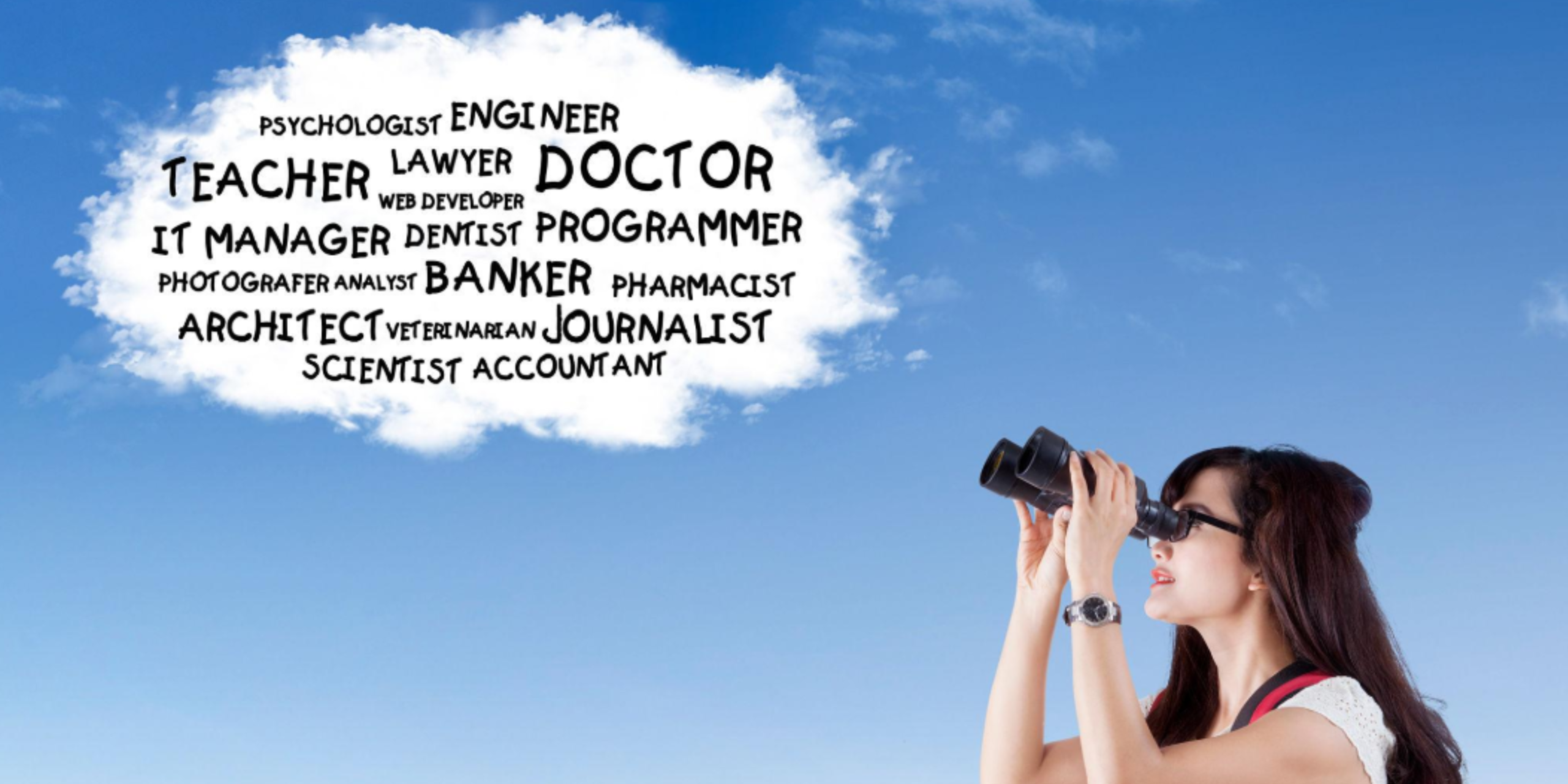
For many years, people believed that choosing a career was a one-time decision. Students were expected to select a field of study, earn a qualification, secure a job, and remain on the same professional path throughout their lives. While that approach may have worked in a more predictable era, today’s world operates differently. Industries evolve, technologies advance, job roles transform, and personal interests often change with experience. Because of these realities, career discovery is no longer a single event—it has become an ongoing journey.
The modern workforce is dynamic and constantly shifting. New career opportunities emerge while others gradually disappear. Skills that are highly valued today may require updating tomorrow. As a result, students and professionals alike are realizing that career discovery is a continuous process that extends far beyond graduation or the first job offer.
Rather than searching for one perfect career and sticking with it forever, individuals now benefit from exploring, learning, adapting, and reassessing their goals throughout different stages of life. This approach creates greater flexibility, stronger career growth, and improved readiness for future opportunities.
The Traditional Career Model Is Changing
Previous generations often followed a structured career path. People entered a profession early and remained in the same industry for decades. Career advancement typically involved moving upward within a single organization or field.
Today’s employment landscape tells a different story. Economic changes, technological innovation, digital transformation, remote work, and globalization have reshaped how careers develop. Professionals now switch industries, learn new skills, pursue additional education, and reinvent themselves multiple times throughout their working lives.
This transformation has made career exploration more important than ever. Instead of viewing career planning as a one-time decision, individuals must continually evaluate their interests, strengths, goals, and opportunities.
The ability to adapt has become a significant advantage in an environment where change is often the only constant.
Why Self-Discovery Never Stops
One of the main reasons career discovery remains ongoing is that people continue evolving throughout their lives. Interests, priorities, values, and ambitions often shift as individuals gain experience and maturity.
A student entering university may have different aspirations than a professional with five years of work experience. Similarly, someone who once prioritized financial stability may later seek greater purpose, creativity, or work-life balance.
Career development is closely connected to personal growth. As individuals learn more about themselves, they often gain clarity regarding the types of work that align with their strengths and interests.
This evolving self-awareness naturally influences career decisions. What feels like the right career path at one stage of life may not remain the best fit years later.
Recognizing this reality allows people to approach career planning with greater openness and flexibility.
The Influence of Technology on Career Discovery
Technology has dramatically accelerated changes across nearly every industry. Artificial intelligence, automation, cloud computing, cybersecurity, digital marketing, data science, and emerging innovations continue creating new professional opportunities.
Many careers that exist today were virtually unknown a decade ago. Likewise, future jobs may involve responsibilities that are difficult to predict with certainty.
This rapid transformation means career exploration cannot remain static. Students and professionals must stay informed about emerging trends and evolving workforce demands.
Career discovery now involves understanding not only current opportunities but also future possibilities. Individuals who regularly monitor industry developments are better positioned to identify growing fields and prepare for changing career landscapes.
Technology has also made learning more accessible, allowing people to explore new areas of interest and develop relevant skills throughout their careers.
Career Discovery Helps Build Adaptability
Adaptability has become one of the most valuable qualities in today’s workforce. Organizations increasingly seek individuals who can adjust to change, learn new skills, and respond effectively to evolving circumstances.
Career discovery supports adaptability by encouraging continuous learning and exploration. Rather than becoming overly attached to a single role or industry, adaptable professionals remain open to new possibilities.
This mindset reduces the fear associated with career transitions. Individuals who view career development as an ongoing process are often more comfortable pursuing new opportunities, changing directions, or acquiring different skills when necessary.
The ability to adapt can transform uncertainty into opportunity and help professionals remain relevant in competitive environments.
The Connection Between Lifelong Learning and Career Growth
Career growth and lifelong learning are closely connected. As industries evolve, professionals must continuously update their knowledge and skills to remain competitive.
Career discovery often occurs through learning experiences. Courses, certifications, workshops, professional events, industry research, and practical projects frequently expose individuals to new interests and opportunities.
Many people discover unexpected career paths while developing additional skills. A student studying business may develop an interest in digital marketing. An engineer may become fascinated by data analytics. A teacher may explore instructional technology.
These discoveries often emerge because individuals remain curious and committed to learning.
Lifelong learning not only strengthens employability but also expands awareness of potential career options.
Why Career Decisions Are Rarely Final
Many students feel pressure to identify their ideal career as early as possible. While setting goals is important, it is equally important to recognize that career decisions are not permanent.
Few professionals follow a perfectly straight path from education to retirement. Career journeys often involve unexpected opportunities, challenges, and changes.
A person may begin in one field, gain valuable experience, and eventually transition into a related area. Others may discover entirely new interests that inspire a complete career shift.
Viewing career decisions as flexible rather than fixed reduces unnecessary pressure. It encourages exploration while allowing room for growth and adjustment.
Career discovery becomes more effective when individuals remain willing to revise their plans as they gain new experiences and insights.

The Role of Experience in Career Exploration
Practical experience plays a crucial role in career discovery. While research and planning provide valuable information, firsthand exposure often offers deeper understanding.
Internships, volunteer work, freelance projects, networking events, mentorship programs, and part-time employment help individuals explore different professional environments.
These experiences reveal aspects of a career that may not be apparent through job descriptions or academic coursework alone. They provide insight into workplace culture, daily responsibilities, industry expectations, and long-term opportunities.
Many professionals discover their true interests after gaining practical experience rather than during formal education.
This is one reason why career exploration should continue throughout various stages of personal and professional development.
The Importance of Reflecting on Career Goals
Career discovery involves more than exploring opportunities. It also requires reflection.
Individuals who periodically assess their goals, values, strengths, and interests often make more informed career decisions. Reflection helps identify whether current work aligns with personal aspirations and long-term objectives.
Questions such as “What motivates me?”, “What skills do I enjoy using?”, and “What kind of impact do I want to make?” can provide valuable guidance.
Regular self-evaluation allows professionals to adjust their direction when necessary and maintain a stronger sense of purpose throughout their careers.
This reflective process contributes significantly to long-term satisfaction and growth.
Preparing for Careers That Continue to Evolve
The future workforce will likely experience ongoing transformation. New technologies, changing consumer needs, environmental priorities, and global developments will continue influencing professional opportunities.
Preparing for this future requires more than technical expertise. It requires curiosity, adaptability, resilience, and a commitment to continuous growth.
Individuals who embrace career discovery as a lifelong process are better equipped to navigate evolving circumstances. They remain open to learning, exploring, and reinventing themselves when opportunities arise.
This approach creates greater flexibility and helps professionals remain competitive regardless of industry changes.
Career readiness is no longer about preparing for a single job. It is about preparing for a career journey that may include multiple roles, industries, and learning experiences.
Building Confidence Through Career Exploration
Many people assume career uncertainty is a weakness. In reality, exploring possibilities often leads to greater confidence.
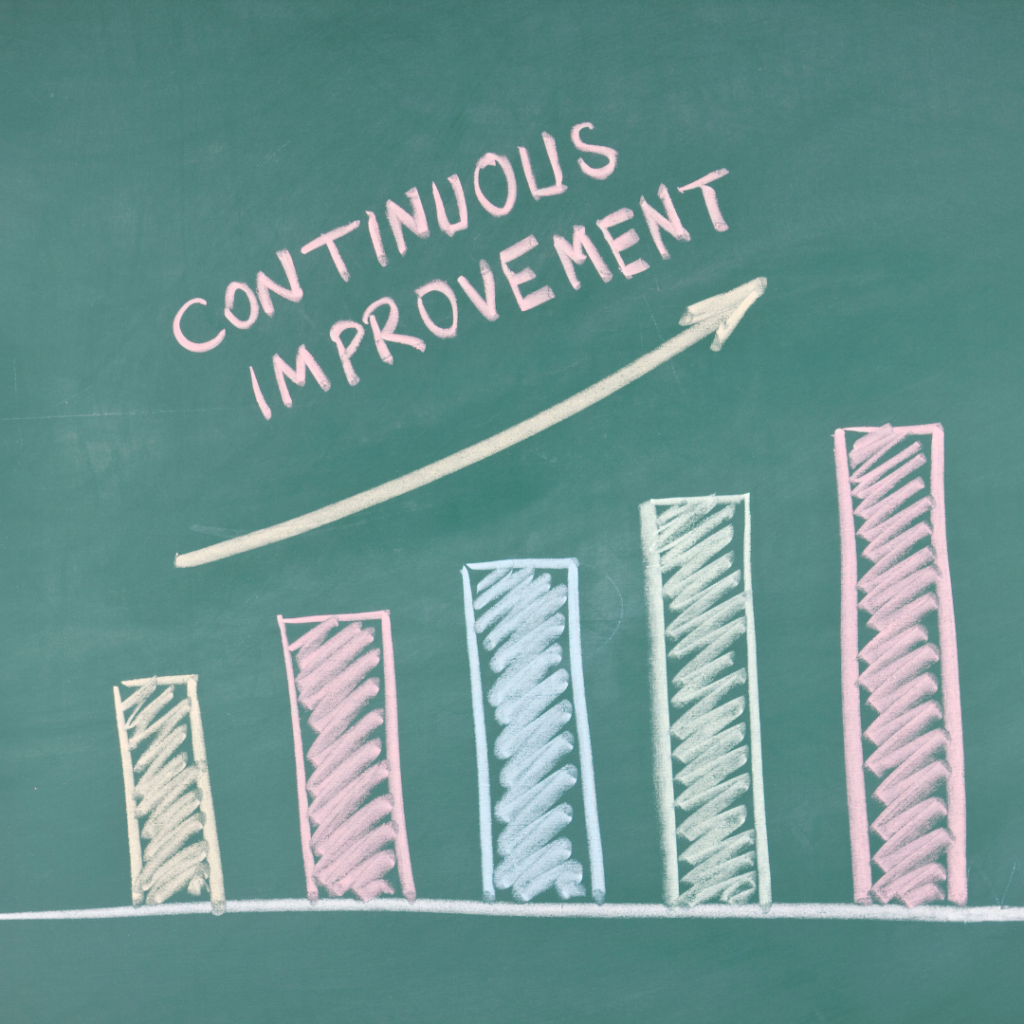
Career discovery allows individuals to gain clarity through action rather than speculation. As they experiment with different opportunities, develop new skills, and build experience, they gain a deeper understanding of their strengths and preferences.
This confidence supports better decision-making and reduces anxiety about the future.
Instead of feeling trapped by a single choice, individuals recognize that they have the ability to learn, adapt, and pursue new directions when necessary.
Such confidence becomes increasingly valuable in a rapidly changing world.
Conclusion
Understanding why career discovery is a continuous process is essential for students, graduates, and working professionals alike. The modern world no longer supports the idea that one decision determines an entire career. Personal growth, technological advancement, evolving industries, and changing opportunities all contribute to an ongoing journey of exploration and development.
Career discovery is not about finding one perfect answer. It is about remaining curious, adaptable, and open to learning throughout life. Individuals who embrace this mindset are often better prepared to navigate uncertainty, identify opportunities, and achieve meaningful career growth.
As the future continues to evolve, those who commit to lifelong career exploration will be better positioned to succeed. By combining self-awareness, continuous learning, practical experience, and adaptability, individuals can build fulfilling careers that evolve alongside their aspirations and the changing world around them.
The most successful careers are rarely planned in a straight line. They are discovered step by step, experience by experience, and opportunity by opportunity. That is why career discovery is not a destination—it is a continuous process.
You May Also Read
Innovation in Curriculum Design: Transforming Education Through Future-Ready Learning 2026
Innovation in Curriculum Design Education has always evolved alongside society,…
Read More
Why Universities Revise Their Curriculum Every Few Years: The Importance of Modern Higher Education 2026
Why Universities Revise Their Curriculum Every Few Years Higher education…
Read MoreUniversities With AI Research Facilities: A Complete Guide to Artificial Intelligence Education and Innovation 2026
Universities With AI Research Facilities Artificial intelligence has become one…
Read More
Leave a Reply