Soil Testing Laboratory Government Jobs: A Complete Career Guide for Students and Job Seekers
Agriculture remains one of the most important sectors supporting economic development, food security, environmental sustainability, and rural livelihoods. Modern farming increasingly depends on scientific methods that improve crop productivity while preserving soil health. Among the many services supporting sustainable agriculture, soil testing laboratories play a critical role by analyzing soil quality and helping farmers make informed decisions about crop selection, fertilizer application, irrigation, and nutrient management. As governments continue investing in agricultural development and scientific research, Soil Testing Laboratory Government Jobs have become attractive career opportunities for individuals interested in science, agriculture, environmental conservation, and public service.
Government soil testing laboratories operate at national, state, district, and regional levels to provide accurate soil analysis that supports agricultural productivity and resource management. These laboratories employ trained professionals responsible for collecting samples, conducting laboratory tests, interpreting results, maintaining scientific equipment, preparing reports, and assisting agricultural extension services. Their work contributes directly to improving farming efficiency, reducing unnecessary fertilizer use, protecting natural resources, and promoting sustainable agricultural practices.
The growing demand for Soil Testing Laboratory Government Jobs reflects increasing awareness that scientific agriculture is essential for meeting future food requirements while preserving environmental balance. Governments continue strengthening agricultural infrastructure through laboratory modernization, digital soil mapping, nutrient management programs, and farmer advisory services. These developments create valuable employment opportunities for graduates from agriculture, chemistry, environmental science, biotechnology, microbiology, soil science, and related disciplines.
For students seeking stable careers that combine scientific knowledge with meaningful public service, soil testing laboratories offer rewarding professional pathways characterized by continuous learning, technical expertise, and long-term career growth.
Understanding Soil Testing Laboratories
Soil testing laboratories analyze physical, chemical, and biological characteristics of soil to evaluate its suitability for agricultural production.
Scientists examine nutrient levels, pH balance, organic matter, moisture characteristics, salinity, and other important factors affecting crop growth.
One reason Soil Testing Laboratory Government Jobs continue gaining importance is because accurate soil analysis supports sustainable farming and improved agricultural productivity.
Scientific analysis strengthens agricultural planning.
Healthy soil supports food security.
Why Soil Testing Matters
Healthy soil forms the foundation of successful agriculture.
Understanding soil composition helps farmers apply appropriate nutrients while avoiding excessive fertilizer use that may affect environmental sustainability.
Scientific recommendations improve farming efficiency.
Balanced nutrition supports healthier crops.
Government’s Role in Soil Testing
Government agencies establish and manage soil testing laboratories to provide reliable scientific services supporting farmers, researchers, policymakers, and agricultural development programs.
These laboratories contribute to evidence-based agricultural planning.
Public institutions strengthen rural development.
Scientific services benefit communities.
Growing Demand for Soil Testing Professionals
As precision agriculture, sustainable farming, climate adaptation, and environmental conservation receive greater attention, demand for qualified laboratory professionals continues expanding.
Understanding Soil Testing Laboratory Government Jobs includes recognizing the growing importance of agricultural science within national development.
Agricultural innovation creates employment.
Science supports sustainable progress.
Educational Qualifications
Eligibility requirements vary according to recruitment notifications and specific positions.
Many laboratory roles require educational backgrounds in agriculture, soil science, chemistry, environmental science, biotechnology, microbiology, botany, agricultural engineering, or related scientific disciplines.
Relevant education builds professional competence.
Specialized knowledge improves career opportunities.
Common Government Positions
Government soil testing laboratories recruit professionals for various technical and scientific roles.
Examples include laboratory assistant, soil analyst, laboratory technician, agricultural officer, scientific assistant, research associate, technical officer, field investigator, and laboratory supervisor.
Career pathways continue expanding.
Professional diversity supports workforce development.
Laboratory Responsibilities
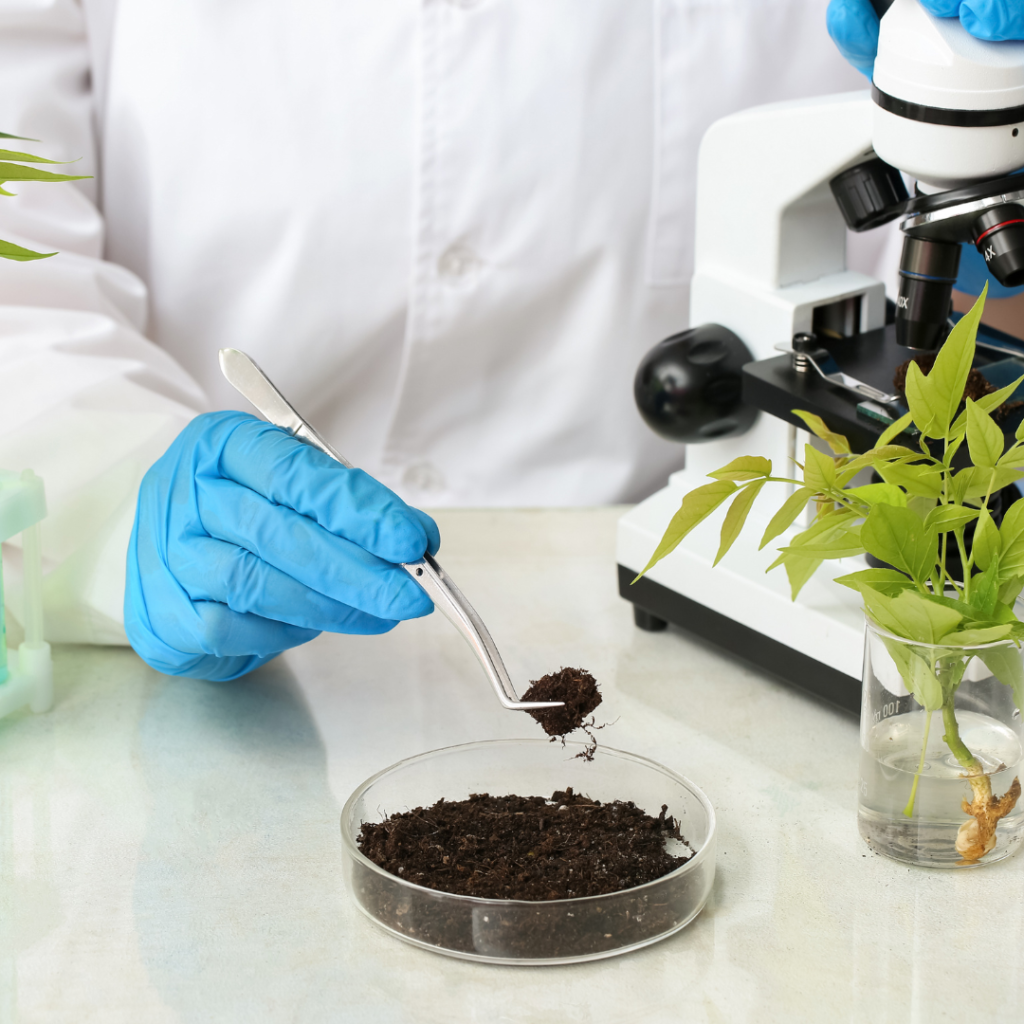
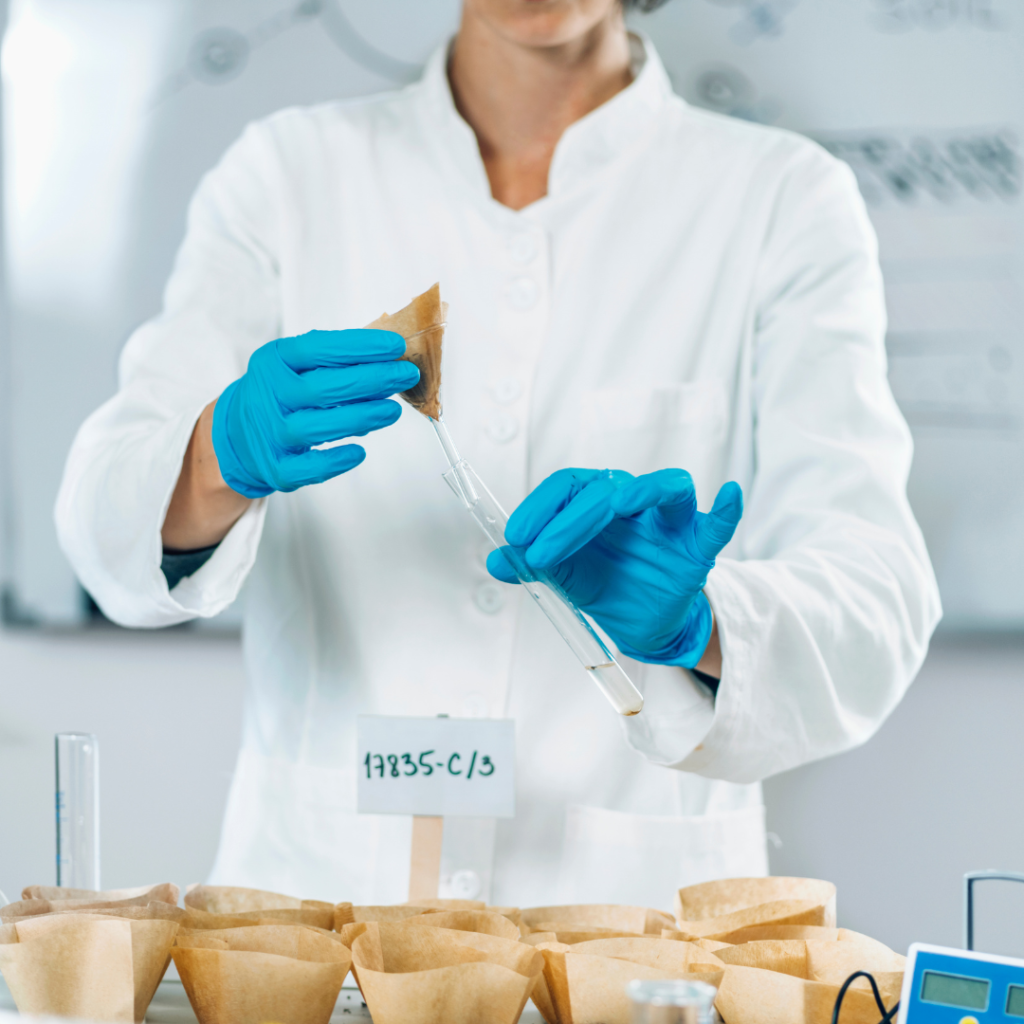
Professionals working in soil testing laboratories perform sample preparation, chemical analysis, equipment calibration, quality control, documentation, report preparation, and laboratory maintenance.
Accuracy remains essential throughout every stage of testing.
Precision supports reliable recommendations.
Careful analysis protects scientific quality.
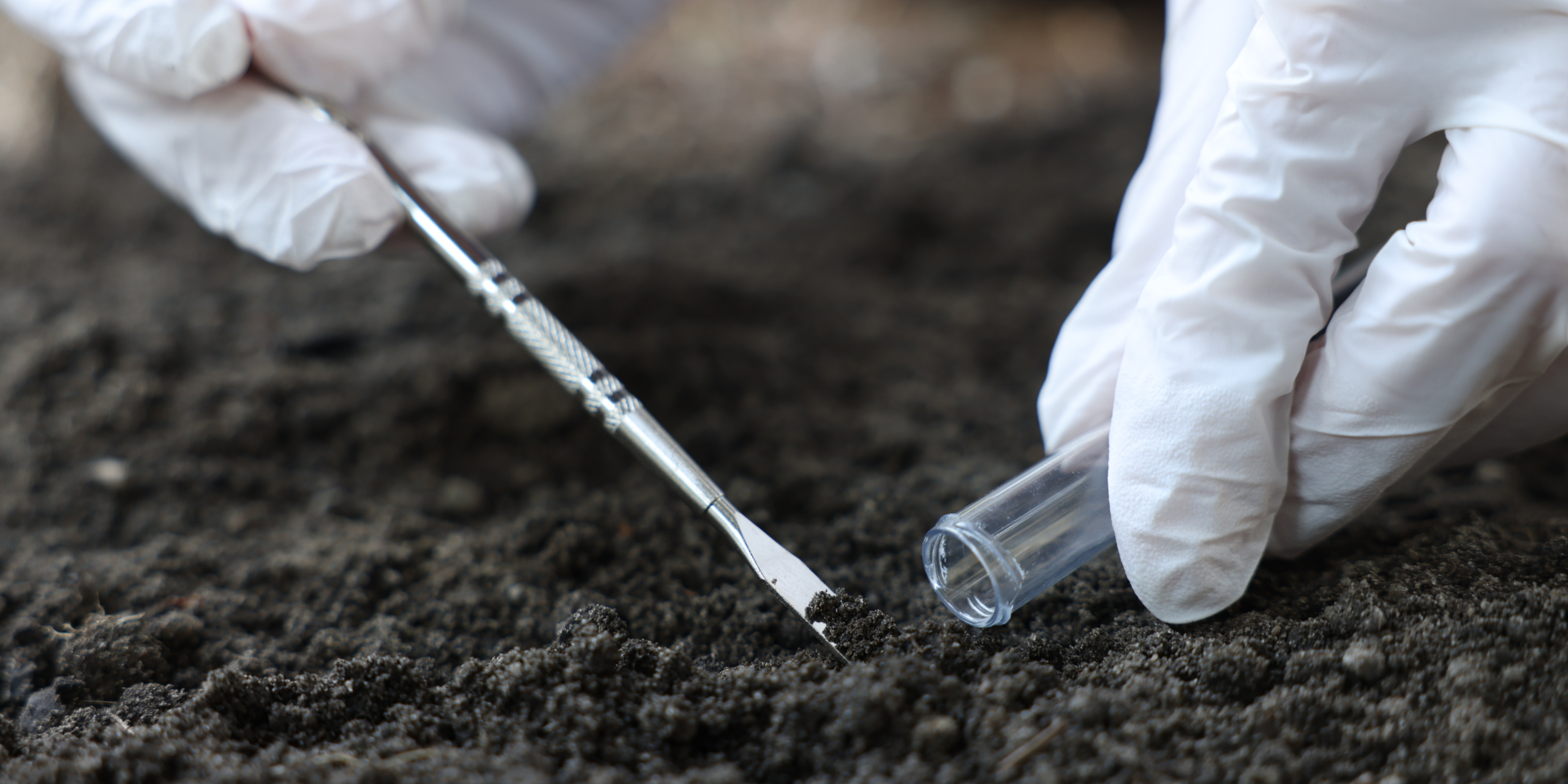
Soil Sample Collection
Laboratory professionals often assist with standardized sample collection procedures.
Proper sampling significantly influences analytical accuracy and final recommendations provided to farmers.
Correct procedures improve dependable results.
Attention ensures scientific consistency.
Laboratory Equipment
Modern soil laboratories utilize advanced instruments for nutrient analysis, pH measurement, moisture determination, organic carbon estimation, and mineral evaluation.
Technical proficiency becomes increasingly valuable.
Technology strengthens laboratory efficiency.
Modern equipment improves accuracy.
Report Preparation
After laboratory analysis, professionals prepare scientific reports summarizing soil characteristics and nutrient recommendations.
Clear documentation supports effective agricultural decision-making.
Accurate reporting benefits farmers.
Scientific communication strengthens advisory services.
Supporting Sustainable Agriculture
Soil testing contributes directly toward sustainable farming by encouraging balanced fertilizer use, conserving natural resources, improving crop productivity, and protecting environmental quality.
Understanding Soil Testing Laboratory Government Jobs includes appreciating their environmental significance.
Responsible science supports future generations.
Sustainability strengthens agriculture.
Working with Agricultural Departments
Government laboratory professionals frequently collaborate with agriculture departments, research institutions, universities, extension officers, and rural development agencies.
Collaboration improves agricultural outreach.
Teamwork strengthens scientific services.
Research Opportunities
Some government laboratories participate in agricultural research addressing soil fertility, climate adaptation, crop improvement, nutrient management, and environmental conservation.
Research expands scientific understanding.
Innovation supports national development.
Career Growth
Government laboratory careers often provide opportunities for promotion through experience, additional qualifications, departmental examinations, and specialized training.
Professional development encourages long-term stability.
Learning supports career advancement.
Experience strengthens expertise.
Required Skills
Successful laboratory professionals combine technical knowledge with analytical thinking, observation, documentation, equipment handling, communication, and problem-solving abilities.
Balanced competencies improve workplace performance.
Professional discipline supports quality.
Recruitment Process
Government recruitment generally follows structured procedures including written examinations, academic evaluation, skill assessments, document verification, and interviews depending upon organizational requirements.
Candidates should always refer to the latest official recruitment notifications for accurate eligibility criteria, examination patterns, reservation rules, age limits, and selection procedures, as these vary by department and recruitment cycle.
Preparation strengthens recruitment success.
Reliable information supports better planning.
Salary and Employment Benefits
Government laboratory positions generally offer competitive salaries according to applicable pay structures, along with benefits that may include allowances, leave provisions, pension-related benefits under applicable rules, healthcare support, and opportunities for career progression.
Exact salary packages depend on the recruiting department, job level, pay matrix, and current government regulations.
Professional stability attracts many candidates.
Public service offers long-term career value.
Contribution to National Development
Soil testing laboratories contribute toward food security, sustainable agriculture, environmental conservation, water resource management, and scientific farming initiatives.
Every accurate laboratory report supports informed agricultural decisions benefiting countless farmers.
Scientific service strengthens national progress.
Agriculture supports economic resilience.
Challenges in Laboratory Careers
Laboratory professionals must maintain accuracy while working with sophisticated equipment, handling multiple samples, following quality standards, and meeting reporting timelines.
Careful attention remains essential.
Precision encourages professional excellence.
Responsibility builds trust.
Future Scope of Soil Testing Careers
Technological advancements including digital agriculture, geographic information systems, remote sensing, artificial intelligence, automated laboratory systems, and precision farming continue expanding career opportunities.
Understanding Soil Testing Laboratory Government Jobs highlights the increasing importance of agricultural science within future workforce development.
Innovation creates exciting possibilities.
Technology transforms agricultural research.
Preparing for Government Laboratory Careers
Students interested in soil laboratory careers should strengthen scientific knowledge, laboratory techniques, computer skills, analytical abilities, communication, and current awareness regarding agriculture and environmental science.
Continuous learning improves professional competitiveness.
Preparation creates lasting confidence.
Why Choose Soil Testing Laboratory Government Jobs
These careers combine scientific research, public service, environmental responsibility, agricultural development, and long-term professional stability.
Individuals passionate about science and sustainable agriculture often find meaningful fulfillment within government laboratory services.
Knowledge serves communities.
Science improves lives.
Conclusion
Soil Testing Laboratory Government Jobs provide rewarding career opportunities for students and professionals interested in agriculture, environmental science, laboratory research, and public service. Through scientific analysis, accurate reporting, and technical expertise, these professionals help improve agricultural productivity while supporting sustainable farming practices and environmental conservation.
Whether pursuing careers as Laboratory Technicians, Soil Analysts, Scientific Assistants, Agricultural Officers, Research Professionals, or Government Laboratory Specialists, individuals contribute significantly to strengthening India’s agricultural future.
As governments continue investing in precision agriculture, soil health management, digital farming technologies, and scientific research, demand for qualified laboratory professionals is expected to remain strong. With the right educational qualifications, practical laboratory skills, dedication to scientific accuracy, and ongoing professional development, Soil Testing Laboratory Government Jobs can provide a stable, respected, and impactful career that supports both personal growth and national agricultural progress.
Leave a Reply