
Practical Ways to Maximize College Experience
College is often viewed as a bridge between education and professional life, but its value extends far beyond earning a degree. For many students, college represents a period filled with opportunities, discoveries, challenges, and life-changing experiences. The decisions made during these years can influence future careers, personal growth, and long-term success. While academics remain important, students who truly maximize their college experience understand that learning happens both inside and outside the classroom.
Many students begin their college journey with excitement and ambition. However, they often become overwhelmed by deadlines, social pressures, career uncertainty, and countless distractions. As a result, valuable opportunities may go unnoticed. Understanding practical ways to maximize your college experience can help students create a rewarding journey while building a strong foundation for future achievement.
Create Clear Goals from the Beginning
One of the most effective ways to maximize your college experience is by establishing meaningful goals early. Students who enter college without direction often find themselves moving through semesters without a clear purpose. In contrast, those who define academic, professional, and personal objectives tend to remain focused and motivated.
Goals provide a roadmap that guides decision-making throughout college life. Whether the objective involves securing an internship, improving academic performance, developing leadership skills, or building professional connections, having a clear vision creates momentum. Students who regularly evaluate their progress often feel more confident and prepared for future challenges.
A sense of purpose can transform an ordinary college experience into a journey filled with growth, achievement, and valuable accomplishments.
Take Learning Beyond the Classroom
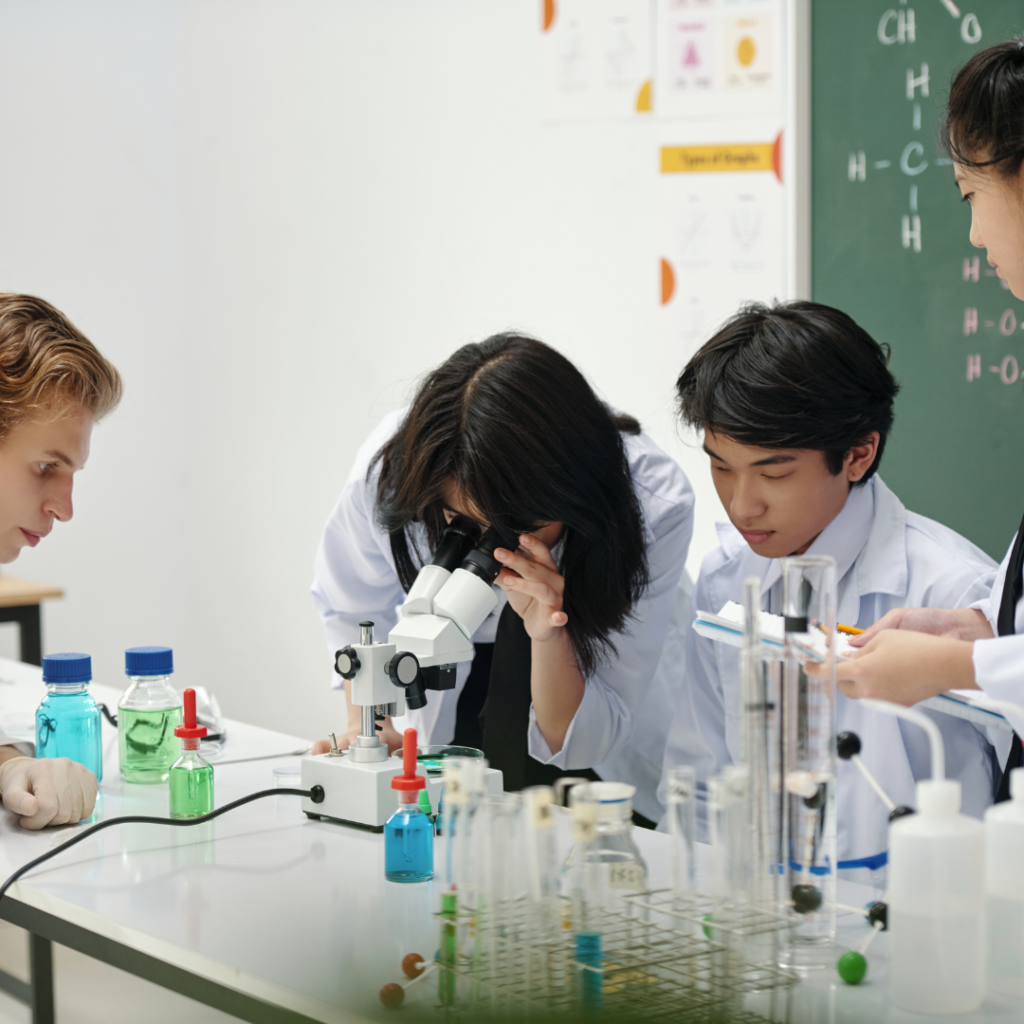
Many students mistakenly believe that education begins and ends with lectures, assignments, and examinations. In reality, some of the most valuable lessons emerge through real-world experiences. Practical learning opportunities help students apply classroom knowledge while developing critical thinking and problem-solving abilities.
Attending workshops, participating in industry events, joining academic competitions, and engaging in research projects can significantly enrich the college experience. These activities expose students to new ideas and practical situations that textbooks alone cannot provide.
Students who actively seek learning opportunities often gain deeper insights into their chosen fields while becoming more adaptable and career-ready.
Build Meaningful Relationships and Networks
One of the most overlooked aspects of college student development is networking. College campuses bring together individuals from diverse backgrounds, interests, and ambitions. These relationships often become valuable assets long after graduation.
Building meaningful connections with classmates, professors, mentors, and industry professionals can open doors to internships, career opportunities, and professional guidance. Strong networks frequently provide support during difficult moments and encouragement during periods of uncertainty.
Students who invest time in genuine relationships often discover opportunities that would otherwise remain hidden. Networking is not about collecting contacts; it is about creating lasting connections built on trust and mutual respect.
Gain Real-World Experience Through Internships
Academic knowledge is important, but practical experience often separates outstanding candidates from average applicants in today’s competitive job market. Internships provide students with firsthand exposure to professional environments while helping them understand workplace expectations.
Students who complete internships gain valuable experience, improve their resumes, and develop confidence in their abilities. Internships also help students identify strengths, interests, and career preferences before entering full-time employment.
Without practical experience, many graduates face difficulties transitioning into professional roles. Internships reduce this gap by allowing students to apply their skills in real-world situations while gaining valuable industry exposure.
Develop Strong Time Management Habits
Time is one of the most valuable resources available to college students. Unfortunately, it is also one of the easiest resources to waste. The freedom associated with college life can create opportunities for growth or lead to procrastination and missed potential.
Students who manage their time effectively often experience less stress and greater productivity. Balancing academics, extracurricular activities, internships, and personal responsibilities requires planning and discipline.
Effective time management helps students avoid the pressure of last-minute work while creating space for meaningful experiences. Those who master this skill frequently perform better academically and maintain healthier lifestyles throughout college.
Step Outside Your Comfort Zone
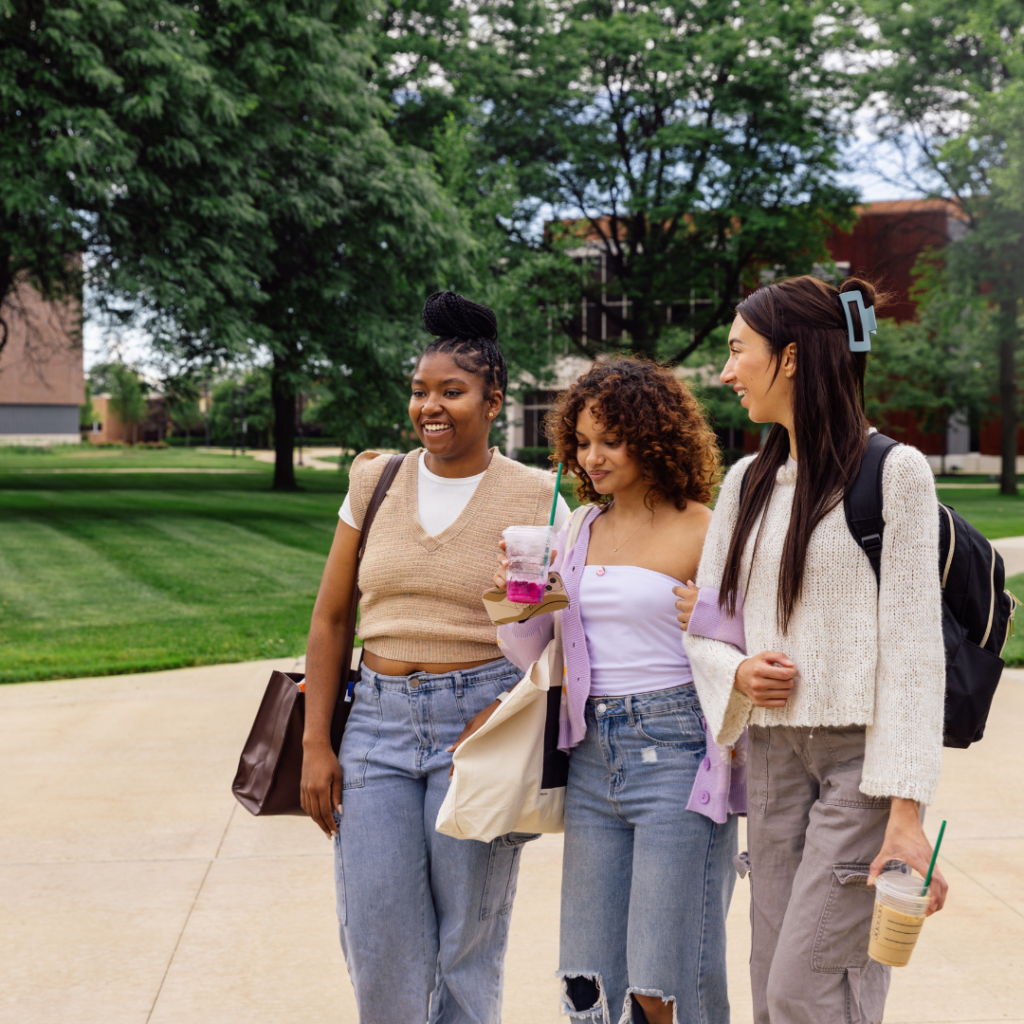
Personal growth rarely occurs in familiar environments. Many students limit themselves by avoiding challenges that feel uncomfortable or intimidating. However, some of the most transformative college experiences emerge from stepping beyond personal boundaries.
Joining student organizations, participating in public speaking events, competing in contests, or taking leadership roles can initially feel overwhelming. Yet these experiences often reveal hidden strengths and build resilience.
Students who embrace challenges frequently develop greater self-confidence, adaptability, and emotional strength. The willingness to explore unfamiliar opportunities often becomes a defining factor in long-term success.
Strengthen Communication Skills
Communication remains one of the most valuable skills in both academic and professional settings. Regardless of career path, students must communicate ideas effectively, collaborate with others, and build professional relationships.
College offers countless opportunities to improve communication skills through presentations, group discussions, networking events, and collaborative projects. Strong communication helps students express ideas clearly while building credibility and trust.
Weak communication can create misunderstandings and missed opportunities. On the other hand, students who communicate effectively often gain leadership opportunities, stronger relationships, and greater professional visibility.
Focus on Personal Well-Being
Many students become so focused on achievement that they overlook their physical and emotional well-being. Heavy workloads, competitive environments, and future uncertainties can create exhaustion and mental strain.
Maximizing the college experience requires maintaining balance. Students who prioritize sleep, exercise, healthy habits, and social connections often perform better both academically and emotionally.
Ignoring personal wellness may lead to burnout, declining motivation, and reduced performance. A healthy mind and body provide the energy needed to fully engage in college life and pursue long-term goals.
Learn Financial Responsibility Early
Financial literacy is a crucial life skill that many students overlook during college. Understanding budgeting, saving, and responsible spending can prevent unnecessary financial struggles in the future.
College provides an ideal environment for learning financial responsibility because students often begin managing money independently for the first time. Developing smart financial habits early creates stability and confidence.
Students who understand financial management are often better prepared for life’s responsibilities after graduation. This practical skill contributes significantly to long-term independence and security.
Build Leadership Skills Through Involvement
Leadership is not limited to student government positions or formal titles. Leadership skills develop whenever students take initiative, solve problems, and support others.
Participating in clubs, volunteer programs, academic organizations, and campus activities helps students gain valuable leadership experience. These opportunities encourage decision-making, teamwork, and accountability.
Employers consistently value leadership abilities because they demonstrate initiative and responsibility. Students who actively pursue leadership experiences often gain a competitive advantage in future careers.
Prepare for Life After Graduation
Many students wait until their final semester to think seriously about career preparation. Unfortunately, this delayed approach can create unnecessary stress and missed opportunities.
Students should begin exploring career paths, building professional profiles, and developing industry knowledge early in their college journey. Attending career fairs, connecting with professionals, and seeking mentorship can provide valuable guidance.
Preparation allows students to approach graduation with confidence rather than uncertainty. Those who plan ahead are often better positioned to secure employment and transition smoothly into professional life.
Conclusion
Understanding practical ways to maximize your college experience can transform ordinary student years into a period of remarkable growth and achievement. College offers much more than academic education; it provides opportunities to build confidence, develop leadership abilities, strengthen communication skills, gain professional experience, and establish meaningful relationships.
Students who actively embrace opportunities, step beyond their comfort zones, and focus on continuous improvement often leave college with far more than a degree. They graduate with valuable experiences, practical skills, and a stronger sense of purpose. By making intentional choices throughout their college journey, students can create a future filled with opportunity, achievement, and lasting success.
Leave a Reply