

The Future of Human Expertise in an Automated World
Introduction
The world is entering a new era shaped by artificial intelligence, automation, machine learning, and digital transformation. Across industries, technology is changing how people work, communicate, solve problems, and make decisions. Tasks that once required significant human effort can now be completed faster and more efficiently through automated systems.
These developments have sparked an important question about the future of human expertise. As technology becomes more advanced, many people wonder whether human knowledge, professional skills, and experience will remain valuable. Students preparing for future careers, professionals adapting to workplace changes, and organizations navigating digital transformation are all asking similar questions.
The rapid rise of automation has created both excitement and uncertainty. On one hand, technology improves productivity, accuracy, and efficiency. On the other hand, it raises concerns about job displacement, changing skill requirements, and workforce transformation. Some individuals fear that machines may eventually replace many professional roles.
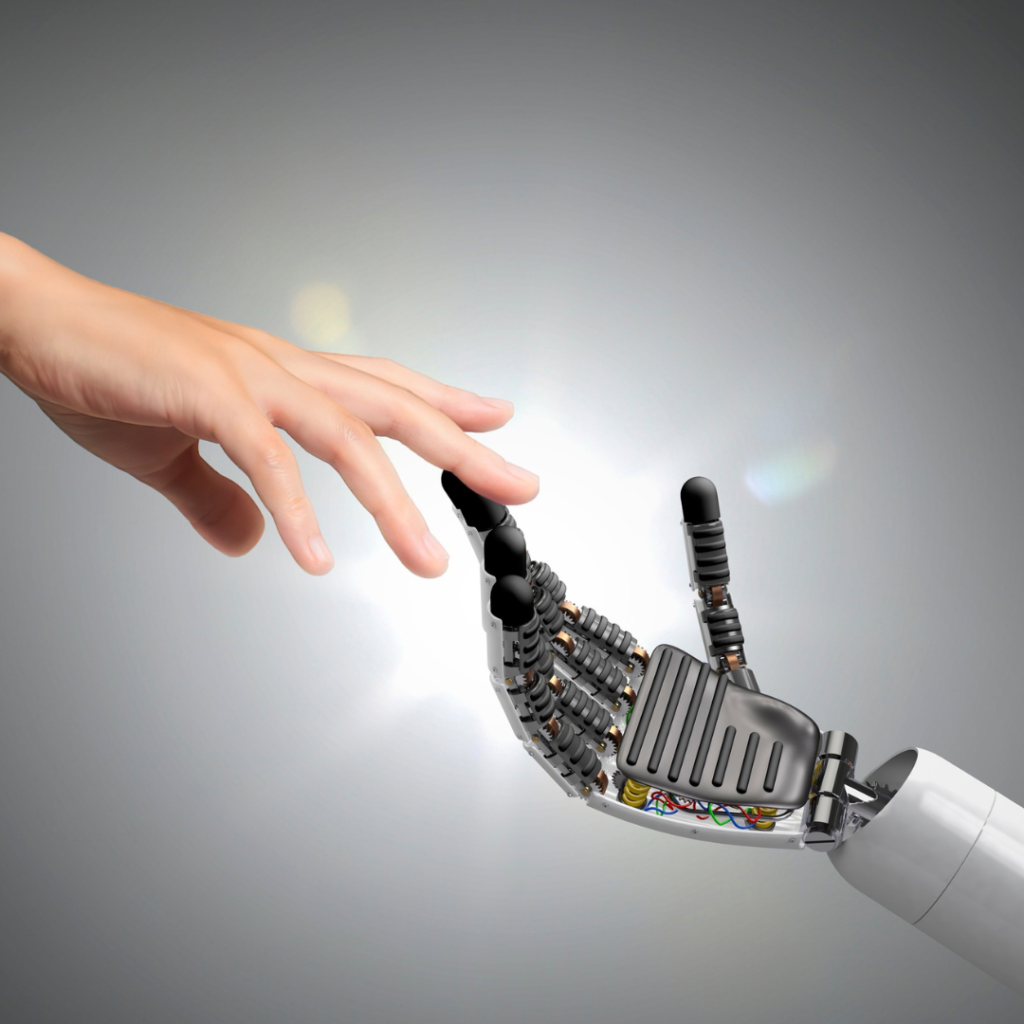
However, the future of work is not simply a story about technology replacing people. It is increasingly becoming a story about collaboration between human intelligence and machine intelligence. While automation can process information, perform repetitive tasks, and analyze data at remarkable speeds, human expertise continues to provide qualities that technology cannot fully replicate.
The future workplace will likely reward individuals who combine technical understanding with uniquely human abilities such as creativity, emotional intelligence, critical thinking, leadership, and ethical judgment. Understanding how human expertise is evolving in an automated world can help individuals prepare for future success and long-term career development.
Understanding the Rise of Automation
Automation has become a defining feature of modern industries.
Businesses increasingly rely on technology to improve efficiency and reduce manual workloads.
Automated systems now assist with manufacturing, customer service, logistics, healthcare, education, finance, and countless other sectors.
The primary purpose of automation is not necessarily to eliminate human involvement.
Instead, it often aims to streamline processes and improve productivity.
Technology can complete repetitive tasks consistently and quickly.
This capability allows organizations to allocate human resources toward more strategic responsibilities.
As automation continues expanding, the nature of work is changing rather than disappearing.
Understanding this distinction is essential when discussing the future of human expertise.
Why Human Expertise Remains Valuable
Despite rapid technological advancement, human expertise continues to hold significant value.
Knowledge is more than information.
It includes experience, judgment, context, intuition, and understanding.
Artificial intelligence can access vast amounts of data.
However, interpreting that information within complex human situations often requires professional insight.
Human expertise develops through years of learning, observation, and practical application.
Professionals understand nuances that may not be immediately visible within datasets.
They recognize emotional factors, ethical considerations, and cultural influences that affect decision-making.
These qualities contribute to effective problem-solving and leadership.
As a result, human expertise remains a critical component of organizational success.
The Difference Between Information and Wisdom
One of the most important distinctions in an automated world is the difference between information and wisdom.
Technology excels at gathering and processing information.
Artificial intelligence can identify patterns, generate recommendations, and produce insights based on available data.
Wisdom involves something different.
It requires understanding context, evaluating consequences, and making balanced decisions.
Human beings often draw upon experience when navigating uncertainty.
They consider factors that extend beyond measurable data.
Wisdom allows professionals to adapt when situations become unpredictable.
In many industries, this ability remains indispensable.
As automation becomes more sophisticated, wisdom may become one of the most valuable forms of expertise.
How Digital Transformation Is Reshaping Careers
Digital transformation is changing career development across nearly every profession.
New technologies are creating opportunities while simultaneously altering traditional job responsibilities.
Many roles now require a combination of technical knowledge and human-centered skills.
Professionals are expected to understand digital tools while maintaining strong communication and collaboration abilities.
Career development increasingly depends on adaptability.
Individuals who embrace continuous learning often adjust more successfully to technological change.
Rather than competing with automation, many professionals are learning how to use technology as a tool that enhances productivity and decision-making.
This shift is redefining career readiness in the modern workplace.
The Growing Importance of Critical Thinking Skills
Critical thinking skills are becoming increasingly valuable in an automated world.
Technology can provide information and recommendations, but humans must evaluate those outputs.
Professionals need the ability to analyze situations, identify risks, and make informed decisions.
Critical thinking involves questioning assumptions and considering multiple perspectives.
These capabilities support innovation and effective problem-solving.
Organizations rely on individuals who can interpret information thoughtfully rather than accepting automated outputs without examination.
As artificial intelligence becomes more common, critical thinking skills may become one of the strongest differentiators between average performance and exceptional performance.
Human Creativity in the Age of Automation
Creativity remains one of humanity’s most powerful strengths.
While technology can generate content, analyze trends, and assist with design processes, human creativity often emerges from personal experiences, emotions, imagination, and cultural understanding.
Innovation frequently begins with creative thinking.
New products, services, strategies, and artistic expressions often result from ideas that challenge conventional approaches.
Automation can support creative work, but it rarely replaces the human capacity for original thought.
Organizations seeking competitive advantages continue valuing employees who can generate innovative solutions.
Human creativity helps businesses adapt, evolve, and respond to changing market conditions.
This quality is likely to remain highly valuable in future careers.
Emotional Intelligence and Professional Success
Emotional intelligence is another area where human expertise remains essential.
Professional environments involve relationships, communication, teamwork, and leadership.
These interactions require empathy, understanding, and emotional awareness.
Technology may assist with communication, but it does not fully experience human emotions.
Leaders often rely on emotional intelligence when motivating teams, resolving conflicts, and building trust.
Employees who demonstrate strong interpersonal skills frequently contribute to healthier workplace cultures.
As automation handles technical tasks, emotional intelligence may become even more important because human interaction remains central to organizational success.
Lifelong Learning as a Competitive Advantage
The future workplace rewards continuous learning.
Technological change occurs rapidly, making lifelong learning increasingly important.
Skills that are valuable today may evolve significantly over the next decade.
Professionals who commit to ongoing education remain adaptable.
Lifelong learning supports career development because it encourages curiosity and growth.
Individuals become more comfortable navigating uncertainty and acquiring new knowledge.
This mindset creates resilience.
Rather than fearing technological advancement, lifelong learners view change as an opportunity for development.
Continuous learning helps individuals remain relevant in a constantly evolving economy.
Workforce Automation and New Opportunities
Discussions about workforce automation often focus on potential job displacement.
While certain tasks may become automated, new opportunities frequently emerge alongside technological innovation.
History demonstrates that major technological shifts often create entirely new industries and professions.
Automation changes the types of work people perform.
Many professionals transition from repetitive activities toward roles involving strategy, creativity, leadership, and relationship management.
Organizations increasingly require individuals who can oversee automated systems, interpret data, and solve complex challenges.
Workforce automation creates demand for skills that complement technology rather than compete directly with it.
The Future Workplace Will Require Collaboration
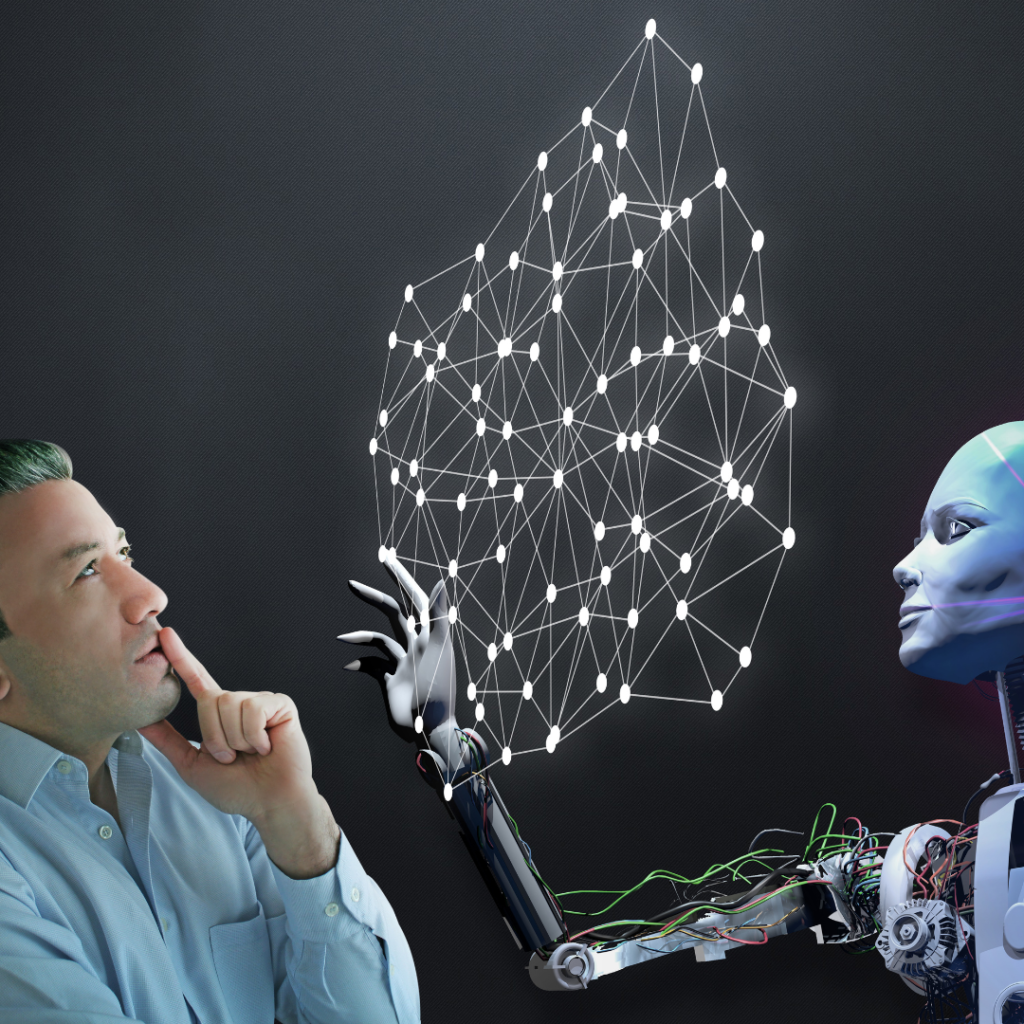
The future workplace is unlikely to be dominated exclusively by either humans or machines.
Instead, collaboration will become increasingly important.
Technology performs best when handling data-intensive and repetitive processes.
Humans perform best when applying judgment, creativity, empathy, and adaptability.
Organizations that successfully combine these strengths often achieve better outcomes.
Professionals who understand how to work effectively with technology gain significant advantages.
Collaboration between human expertise and automation creates opportunities for innovation and efficiency.
The future of work depends on leveraging the strengths of both human intelligence and technological capability.
Preparing for Future Careers
Preparing for future careers requires a balanced approach.
Technical skills remain important, but they are only part of the equation.
Professionals should also focus on communication, leadership, creativity, critical thinking, and emotional intelligence.
These abilities remain valuable across industries.
Career readiness increasingly involves adaptability and willingness to learn.
Individuals who embrace both technology and personal development position themselves for long-term success.
Future careers may evolve rapidly, but human expertise will continue playing a vital role in shaping outcomes.
Success will depend on combining knowledge with uniquely human strengths.
Conclusion
The future of human expertise in an automated world is not defined by replacement but by evolution. Artificial intelligence, automation, and digital transformation are reshaping industries, creating new opportunities, and changing workplace expectations.
While technology excels at processing information and improving efficiency, human expertise remains essential because it provides judgment, creativity, emotional intelligence, critical thinking, and wisdom. These qualities cannot be fully replicated by automated systems.
As the future workplace continues evolving, professionals who embrace lifelong learning and adapt to change will remain highly valuable. Human skills, combined with technological understanding, create a powerful foundation for career development and professional growth.
Ultimately, the future of work belongs to individuals who understand that technology is a tool rather than a threat. Human expertise will continue shaping innovation, leadership, and meaningful progress. In an increasingly automated world, the most successful professionals will be those who strengthen both their technical capabilities and their uniquely human qualities.
Leave a Reply