

Skills Needed for Fashion Industry Jobs in 2026
The fashion industry is entering a new era where creativity alone is no longer enough to guarantee career success. As technology, sustainability, digital commerce, and consumer expectations continue to reshape the global market, fashion professionals must develop a broader range of skills to remain competitive. The skills needed for fashion industry jobs in 2026 are evolving rapidly, creating exciting opportunities for individuals who are willing to adapt and grow alongside the industry.
Fashion has always been associated with innovation, style, and artistic expression. However, today’s fashion landscape is also driven by data, technology, customer experience, and business intelligence. Companies are searching for professionals who can combine creative thinking with practical knowledge, strategic planning, and digital expertise. Whether someone dreams of becoming a fashion designer, merchandiser, buyer, marketer, stylist, or entrepreneur, understanding the most valuable fashion industry skills can significantly improve career prospects.
The future of fashion careers will reward individuals who embrace change rather than resist it. While new technologies and shifting consumer behaviors present certain uncertainties, they also create remarkable opportunities for growth, innovation, and professional advancement. Learning the right skills today can help aspiring fashion professionals build a stronger and more successful future.
Why Fashion Industry Skills Are Changing in 2026
The demand for new skills in fashion industry jobs is largely driven by industry transformation. E-commerce platforms have changed how consumers shop, social media influences purchasing decisions, and sustainability concerns are reshaping production processes. At the same time, artificial intelligence, digital design tools, and advanced analytics are becoming integral parts of fashion business operations.
As a result, employers are no longer looking solely for traditional fashion expertise. They want candidates who understand both creative and commercial aspects of the industry. Fashion professionals must now navigate a fast-moving environment where innovation, adaptability, and customer understanding are essential for success.
This shift means that students and job seekers who continuously develop their skills will be better prepared to take advantage of emerging career opportunities. The fashion industry in 2026 will favor professionals who can think creatively while responding effectively to changing market demands.
Creative Thinking Remains a Core Fashion Industry Skill
Despite technological advancements, creativity remains one of the most important skills needed for fashion industry jobs in 2026. Fashion brands depend on fresh ideas to stand out in a crowded marketplace. Designers, marketers, merchandisers, and content creators all rely on creative thinking to develop products and experiences that capture consumer attention.
Creativity extends beyond designing clothing. It influences visual storytelling, branding strategies, advertising campaigns, retail displays, and customer engagement initiatives. Professionals who can generate innovative ideas while maintaining commercial relevance often become valuable assets within fashion organizations.
However, creativity must be supported by market awareness. Successful fashion professionals understand how to balance originality with consumer demand, ensuring that innovative concepts can also achieve business objectives.
Digital Fashion Skills Are Becoming Essential
Digital transformation has significantly altered the skills required for fashion careers. Companies increasingly rely on technology to improve efficiency, enhance customer experiences, and analyze market trends. As a result, digital fashion skills are becoming indispensable across multiple roles.
Fashion professionals are expected to understand digital tools used for design, communication, inventory management, and online retail operations. Knowledge of digital platforms allows individuals to collaborate more effectively and contribute to modern business strategies.
The growth of virtual fashion experiences, digital showrooms, and online shopping environments highlights the importance of technological literacy. Candidates who understand digital workflows often gain a competitive advantage when pursuing fashion industry jobs.
As fashion businesses continue embracing innovation, digital expertise will remain a powerful career differentiator.
Fashion Marketing Knowledge Is Increasingly Valuable
Fashion marketing has become one of the fastest-growing areas within the industry. Brands must constantly engage consumers through multiple channels while maintaining a strong and recognizable identity. This reality has increased demand for professionals who understand modern marketing strategies.
Fashion marketing skills involve understanding consumer behavior, creating compelling brand narratives, and developing campaigns that resonate with target audiences. Social media platforms, influencer collaborations, content marketing, and digital advertising have become critical components of brand success.
Professionals who can analyze audience preferences and create effective communication strategies are highly valued by employers. The ability to connect products with consumer aspirations often determines how successfully a brand performs in a competitive market.
Fashion marketing knowledge is particularly important because it bridges the gap between creativity and business growth

Data Analysis Is Influencing Fashion Decisions
One of the most surprising developments in modern fashion careers is the growing importance of data analysis. While fashion is often viewed as a creative industry, many business decisions are now driven by consumer insights and performance metrics.
Fashion brands collect large amounts of information regarding customer preferences, purchasing behavior, inventory movement, and market trends. Professionals who can interpret this data help organizations make more informed decisions.
Data analysis supports product development, pricing strategies, inventory planning, and marketing initiatives. Understanding consumer behavior through data allows brands to reduce uncertainty and respond more effectively to market changes.
Individuals who combine analytical thinking with fashion expertise are increasingly sought after because they contribute to both creativity and profitability.
Communication Skills Continue to Drive Career Success
Strong communication remains one of the most valuable skills needed for fashion industry jobs in 2026. Fashion professionals interact with designers, suppliers, clients, retailers, marketing teams, and consumers. Effective communication ensures that ideas, objectives, and expectations are clearly understood.
Communication extends beyond verbal interactions. Written communication, presentations, digital messaging, and visual storytelling all play important roles within the fashion industry. Professionals who can express ideas confidently and professionally often build stronger relationships and achieve better outcomes.
The global nature of fashion also increases the importance of cross-cultural communication. Understanding diverse perspectives helps professionals collaborate effectively within international markets and multicultural environments.
Regardless of specialization, communication skills remain essential for career growth and leadership development.
Adaptability Is Becoming a Competitive Advantage
The fashion industry changes rapidly. Trends emerge and disappear quickly, consumer expectations evolve, and technological innovations continually reshape business practices. In this environment, adaptability has become a highly desirable professional quality.
Fashion professionals who embrace learning and remain open to change are often better equipped to handle industry disruptions. Adaptability enables individuals to respond effectively to new challenges while identifying opportunities for growth.
Professionals who resist change may struggle to remain relevant in a market characterized by continuous transformation. In contrast, those who actively seek knowledge and develop new capabilities often experience stronger career progression.
Adaptability is no longer simply a desirable trait; it has become a critical requirement for long-term success.
Sustainability Awareness Is Reshaping Fashion Careers
Sustainability has become one of the most influential forces in the fashion industry. Consumers increasingly expect brands to demonstrate environmental responsibility and ethical business practices. Consequently, sustainability awareness is becoming an important skill for fashion professionals.
Understanding sustainable materials, responsible sourcing, ethical manufacturing, and circular fashion concepts helps professionals contribute to industry progress. Fashion companies are actively seeking individuals who can support sustainability initiatives while maintaining commercial viability.
The growing emphasis on sustainability creates opportunities for professionals interested in innovation and positive industry transformation. Knowledge in this area is expected to become even more valuable as regulations and consumer expectations continue evolving.
Fashion careers in 2026 will increasingly reward professionals who understand the relationship between profitability and responsible business practices.
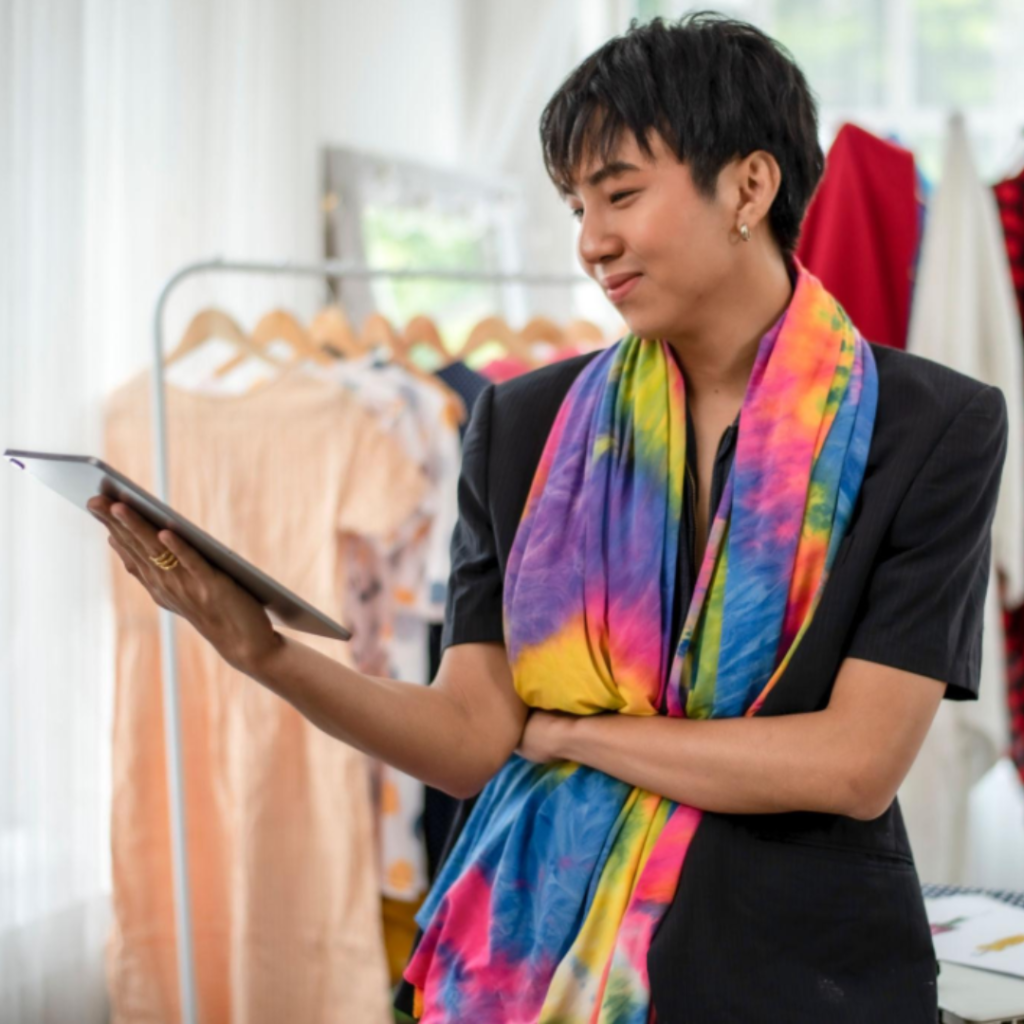
Fashion Merchandising and Business Skills Matter More Than Ever
Fashion merchandising remains a critical component of industry success. Merchandisers help determine which products reach consumers, how inventory is managed, and how retail strategies are implemented. As competition intensifies, merchandising expertise continues gaining importance.
Business knowledge is equally valuable. Understanding financial performance, pricing strategies, supply chain operations, and market positioning allows professionals to contribute more effectively to organizational objectives.
Fashion is ultimately both a creative and commercial industry. Professionals who understand business fundamentals can make decisions that support profitability while preserving brand identity. This combination of skills creates stronger career opportunities across multiple sectors.
Networking and Personal Branding Are Essential Career Tools
Building professional relationships has always been important in fashion, but networking and personal branding are becoming even more influential. Employers often seek candidates who demonstrate industry engagement and professional credibility.
Personal branding allows individuals to showcase expertise, creativity, and achievements through digital platforms and professional networks. A strong personal brand can attract opportunities, collaborations, and industry recognition.
Networking helps professionals gain insights, mentorship, and access to potential career opportunities. Meaningful industry connections often contribute to long-term career development and professional growth.
Fashion professionals who invest time in building relationships and maintaining visibility often position themselves for greater success.
The Future of Fashion Careers in 2026 and Beyond
The future of fashion careers is filled with opportunity for individuals who possess the right combination of skills. Emerging technologies, sustainable business models, digital commerce, and changing consumer preferences will continue shaping industry requirements.
Fashion professionals who embrace creativity, technology, communication, sustainability, and business knowledge will be well-prepared for future roles. The industry is becoming increasingly interconnected, requiring individuals who can work across disciplines and contribute to multiple aspects of organizational success.
Continuous learning will remain essential. As new trends and technologies emerge, professionals must stay informed and adaptable to maintain relevance in a competitive market.
The most successful fashion careers will belong to individuals who combine passion with practical expertise and a commitment to lifelong development.
Conclusion
The skills needed for fashion industry jobs in 2026 extend far beyond traditional fashion knowledge. Creativity, digital expertise, fashion marketing, data analysis, communication, adaptability, sustainability awareness, merchandising, and business understanding are becoming essential components of professional success.
As the fashion industry evolves, employers are seeking individuals who can balance innovation with strategic thinking. Those who develop diverse skill sets will be better positioned to navigate challenges, seize opportunities, and contribute meaningfully to the future of fashion.
For students, graduates, and aspiring professionals, investing in these skills today can create a strong foundation for long-term career growth. The fashion industry of 2026 will reward individuals who embrace change, pursue continuous learning, and approach their careers with both creativity and determination.
You May Also Read
Innovation in Curriculum Design: Transforming Education Through Future-Ready Learning 2026
Innovation in Curriculum Design Education has always evolved alongside society,…
Read More
Why Universities Revise Their Curriculum Every Few Years: The Importance of Modern Higher Education 2026
Why Universities Revise Their Curriculum Every Few Years Higher education…
Read MoreUniversities With AI Research Facilities: A Complete Guide to Artificial Intelligence Education and Innovation 2026
Universities With AI Research Facilities Artificial intelligence has become one…
Read More
Leave a Reply