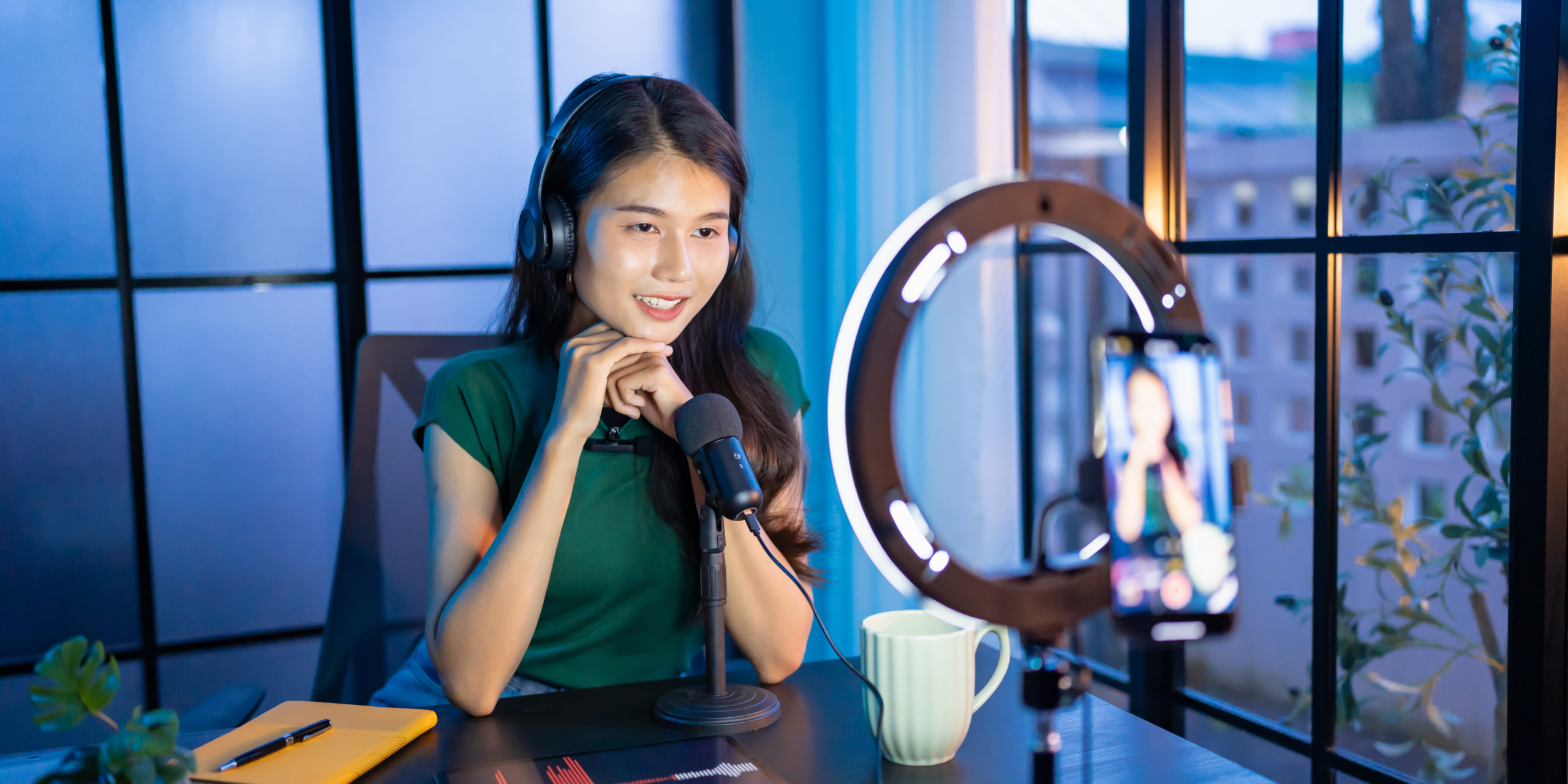
Career Opportunities Emerging From the Creator Economy
The professional world is changing rapidly, and one of the most influential transformations happening in 2026 is the rise of the creator economy. Earlier, career success was usually connected to traditional office jobs, corporate positions, or long-term employment within large organizations. Today, however, digital platforms have opened entirely new opportunities for individuals to build careers independently through creativity, online influence, and digital content.
The creator economy refers to a fast-growing digital ecosystem where individuals create content, build audiences, share expertise, and generate income through online platforms. Social media channels, video-sharing websites, podcasts, online communities, and digital learning platforms have allowed creators to turn personal skills and creativity into full-time professions.
This shift has completely changed how younger generations think about work and career growth. Many students and professionals no longer see digital content creation as a temporary hobby. Instead, they view it as a realistic and highly rewarding career path filled with flexibility, innovation, and global opportunities.
Businesses are also investing heavily in creator-driven marketing because modern audiences connect more strongly with authentic personalities than traditional advertising alone. As a result, the creator economy has generated countless new career opportunities that combine technology, creativity, communication, branding, and entrepreneurship.
The future workforce is becoming increasingly independent, digital, and audience-focused, making creator economy careers one of the fastest-growing industries in the modern world.
The Creator Economy Is Reshaping Modern Careers
One of the biggest reasons the creator economy is expanding rapidly is the massive influence of digital platforms on everyday life. People now spend significant time consuming online videos, podcasts, blogs, live streams, educational content, and social media experiences.
This growing digital engagement has created strong demand for creators who can entertain, educate, inspire, or connect emotionally with audiences. Individuals no longer need large companies or traditional media organizations to build public visibility. Technology allows creators to reach global audiences directly through smartphones, social media, and online communities.
The creator economy has made careers more accessible for people with communication skills, creativity, expertise, or unique personalities. Students interested in storytelling, teaching, entertainment, fashion, technology, gaming, fitness, or digital marketing now have opportunities to build personal brands independently.
At the same time, businesses increasingly rely on creator partnerships to build trust with online audiences. Brands understand that people often respond more positively to authentic recommendations from creators than traditional corporate advertisements.
This transformation has turned digital creativity into a powerful economic force generating millions of career opportunities worldwide.
Content Creation Has Become a Full-Time Profession
One of the most visible opportunities emerging from the creator economy is content creation itself. YouTubers, bloggers, podcasters, livestreamers, Instagram creators, and educational influencers are now building highly successful careers through digital platforms.
Content creators earn income through advertising, sponsorships, memberships, affiliate marketing, digital products, online courses, and brand collaborations. Some creators even build entire companies around personal brands and online communities.
This profession attracts many young individuals because it offers creative freedom and flexibility. Creators can work independently while sharing topics they genuinely enjoy discussing or teaching.
Content creation also allows people to combine multiple skills such as storytelling, editing, communication, branding, photography, and digital marketing. The industry rewards originality and emotional connection rather than only formal qualifications.
Although competition can feel intense, creators who remain consistent, authentic, and adaptable often build strong long-term audiences and sustainable income streams.
The rapid expansion of online entertainment and digital education ensures content creation remains one of the strongest career opportunities in the creator economy.
Influencer Marketing Careers Are Growing Quickly
As social media platforms continue growing, influencer marketing has become one of the most powerful digital advertising industries worldwide. Brands now collaborate with influencers to promote products, build trust, and increase audience engagement.
This trend has created several career opportunities beyond content creation alone. Influencer managers, campaign strategists, social media consultants, creator partnership coordinators, and brand communication specialists are increasingly in demand.
Businesses need professionals who understand how creators interact with audiences and how digital influence affects customer behavior. Influencer marketing careers combine communication, psychology, branding, analytics, and online strategy.
Students interested in digital communication and online business are exploring this industry because it offers strong growth potential and future relevance.
The rise of influencer marketing demonstrates how digital audiences now shape purchasing decisions and brand visibility more than traditional advertising methods alone.
Video Editing and Creative Production Careers
The creator economy depends heavily on visual storytelling and engaging digital content. This has increased demand for video editors, graphic designers, motion graphic artists, photographers, thumbnail designers, and creative production specialists.
Many creators and businesses hire professionals to improve content quality and audience engagement. High-quality visuals, editing, sound design, and branding strongly influence online success.
Creative production careers combine technology with artistic thinking. Professionals use advanced editing software, animation tools, and digital design platforms to create engaging experiences for online audiences.
Students who enjoy creativity and digital tools often find these careers highly attractive because the work feels dynamic and future-focused.
The growth of short-form video platforms, podcasts, gaming content, and educational media ensures continued demand for creative production professionals across industries.

Online Education and Coaching Careers
The creator economy has also transformed education by allowing experts to teach audiences directly online. Digital learning platforms and social media channels now support educators, coaches, mentors, and trainers across countless industries.
Professionals create online courses, webinars, educational videos, language classes, fitness programs, business coaching sessions, and skill-development communities. Many educators now build independent careers by sharing knowledge digitally.
This industry attracts individuals who enjoy teaching and communication while seeking flexibility and personal branding opportunities. Online education careers combine expertise with content creation and digital marketing.
Students increasingly prefer learning from creators who explain topics practically and conversationally rather than relying only on traditional classroom methods.
The global demand for continuous learning and skill development ensures strong future growth for educational creator careers.
Podcasting and Audio Content Careers
Audio-based content has become another important part of the creator economy. Podcasts discussing business, technology, entertainment, self-improvement, health, storytelling, and career advice now attract millions of listeners worldwide.
This growth has created opportunities for podcast hosts, audio editors, scriptwriters, producers, and voice-over professionals. Businesses also use podcasts to strengthen brand identity and audience engagement.
Podcasting careers appeal to individuals who enjoy conversation, communication, and storytelling without depending heavily on visual platforms. Audio content creates deep audience connection because listeners often engage more personally with spoken discussions.
As digital audiences continue seeking flexible and informative content formats, podcast-related careers are expected to expand significantly in the coming years.
Digital Entrepreneurship Is Expanding
The creator economy strongly supports entrepreneurship because individuals can build businesses directly around personal brands and online communities. Creators now launch merchandise brands, subscription platforms, online courses, consulting businesses, apps, and digital products.
Technology has reduced many traditional business barriers. Creators can market products globally using social media and online communities without requiring large physical infrastructure.
Digital entrepreneurship allows professionals to combine creativity with business strategy and audience engagement. Many creators eventually transition from independent content production into full-scale business operations.
This flexibility attracts students who want independence and innovative career paths rather than traditional office environments.
The future economy increasingly rewards individuals who can create communities, build trust, and provide unique digital experiences online.
Remote Work Opportunities in the Creator Economy
Another major advantage of creator economy careers is location independence. Many professionals work remotely while collaborating with brands, agencies, clients, and audiences globally.
Content creators, designers, editors, marketers, consultants, and online educators often work from home or while traveling. This flexibility strongly appeals to younger generations seeking work-life balance and creative freedom.
Remote creator careers also provide access to international opportunities regardless of geographical location. Professionals can build global audiences and clients through digital platforms.
However, remote work requires discipline, consistency, and self-management. Independent careers can sometimes feel uncertain or emotionally demanding without stable routines.
Despite these challenges, the flexibility and independence of creator economy careers continue attracting millions of professionals worldwide.

Challenges Inside the Creator Economy
Although the creator economy offers exciting opportunities, it also presents challenges students and professionals should understand realistically. Competition can be intense because digital platforms allow global participation.
Success often depends on consistency, creativity, audience engagement, and adaptability. Algorithms, platform policies, and changing trends can affect visibility and income unpredictably.
Mental pressure also affects some creators because online careers involve public visibility, performance expectations, and constant content production. Burnout and comparison can become serious concerns without healthy balance.
Additionally, building stable income usually takes time and patience. Many creators work consistently for months or years before achieving significant financial growth.
However, professionals who focus on long-term learning, originality, and audience trust often build sustainable careers within the creator economy.
The Future of Creator Economy Careers
The creator economy is expected to grow even more rapidly in the future because digital platforms continue shaping communication, entertainment, education, and online business worldwide.
Artificial intelligence, virtual reality, immersive experiences, live commerce, and personalized digital communities are likely to create even more career opportunities connected to content and audience engagement.
Businesses increasingly recognize the power of creators in building authentic customer relationships. This means professionals who understand storytelling, branding, communication, and digital creativity will remain highly valuable.
Students who combine creativity with technology, marketing, and communication skills are especially well-positioned for future success in this evolving economy.
The creator economy represents a major shift toward independent, skill-based, and digitally connected careers.
Conclusion
Career opportunities emerging from the creator economy are transforming the future of work in powerful ways. Digital platforms have allowed individuals to build careers through content creation, online education, influencer marketing, podcasting, creative production, and digital entrepreneurship.
The creator economy combines creativity, technology, communication, and business strategy into flexible modern professions that appeal strongly to younger generations. Students increasingly prefer these careers because they offer independence, innovation, remote work opportunities, and personal branding potential.
Although creator economy careers involve competition and uncertainty, they also provide exciting opportunities for individuals willing to learn continuously and adapt to changing digital trends.
As online audiences continue growing globally, careers connected to digital influence, creativity, and community-building are expected to remain highly valuable in the future workforce. The creator economy is no longer a temporary trend — it has become one of the most influential forces shaping modern careers and digital entrepreneurship.
More Blogs you may read
Innovation in Curriculum Design: Transforming Education Through Future-Ready Learning 2026
Innovation in Curriculum Design Education has always evolved alongside society,…
Read More
Why Universities Revise Their Curriculum Every Few Years: The Importance of Modern Higher Education 2026
Why Universities Revise Their Curriculum Every Few Years Higher education…
Read MoreUniversities With AI Research Facilities: A Complete Guide to Artificial Intelligence Education and Innovation 2026
Universities With AI Research Facilities Artificial intelligence has become one…
Read MoreGroup Study vs Self-Study: Which Learning Method Helps Students Achieve Better Results? 2026
Group Study vs Self-Study Every student dreams of achieving academic…
Read More
Leave a Reply